Personalization and the Modern Picture Book | StorytimeHero
Upload a photo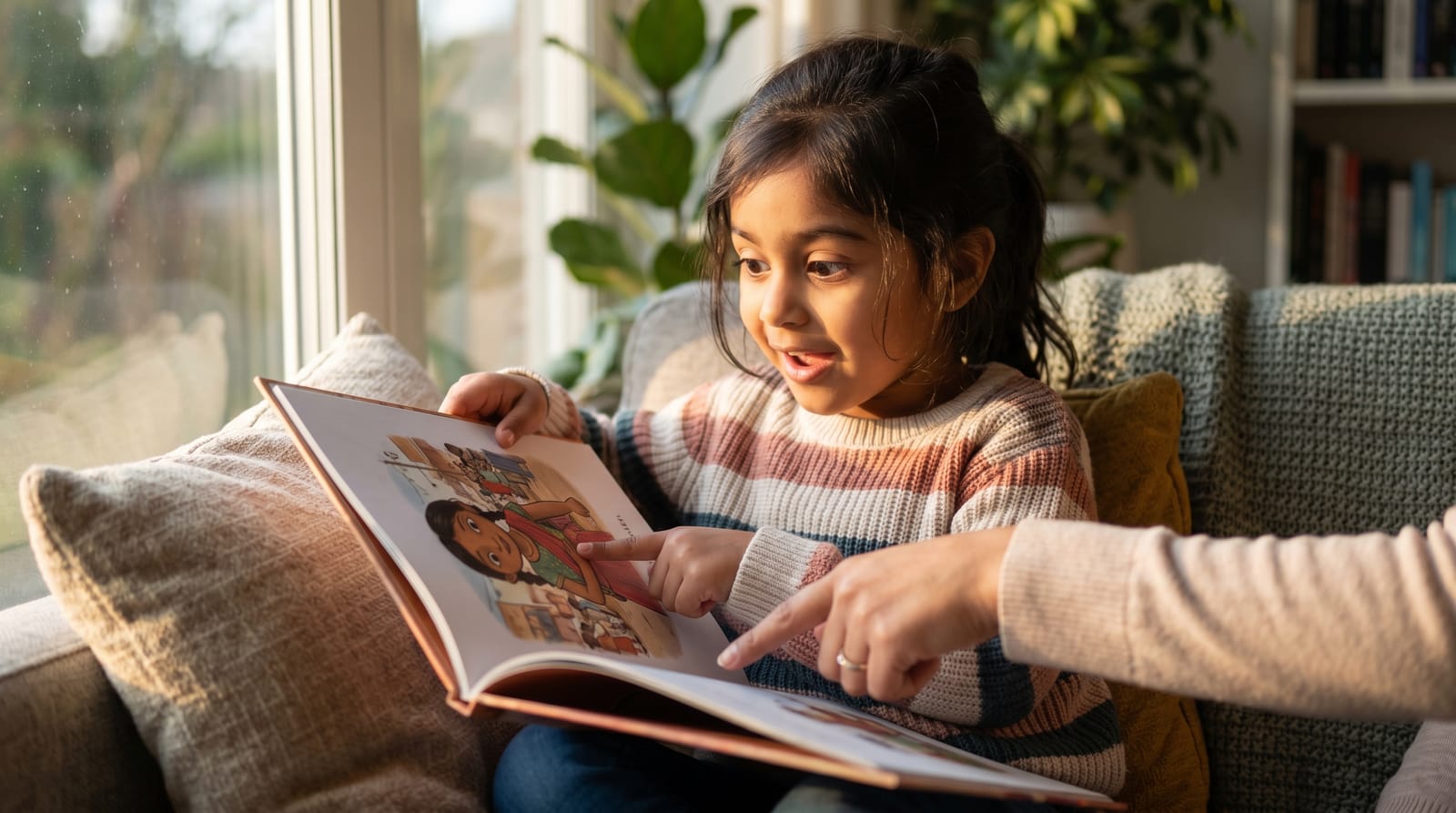
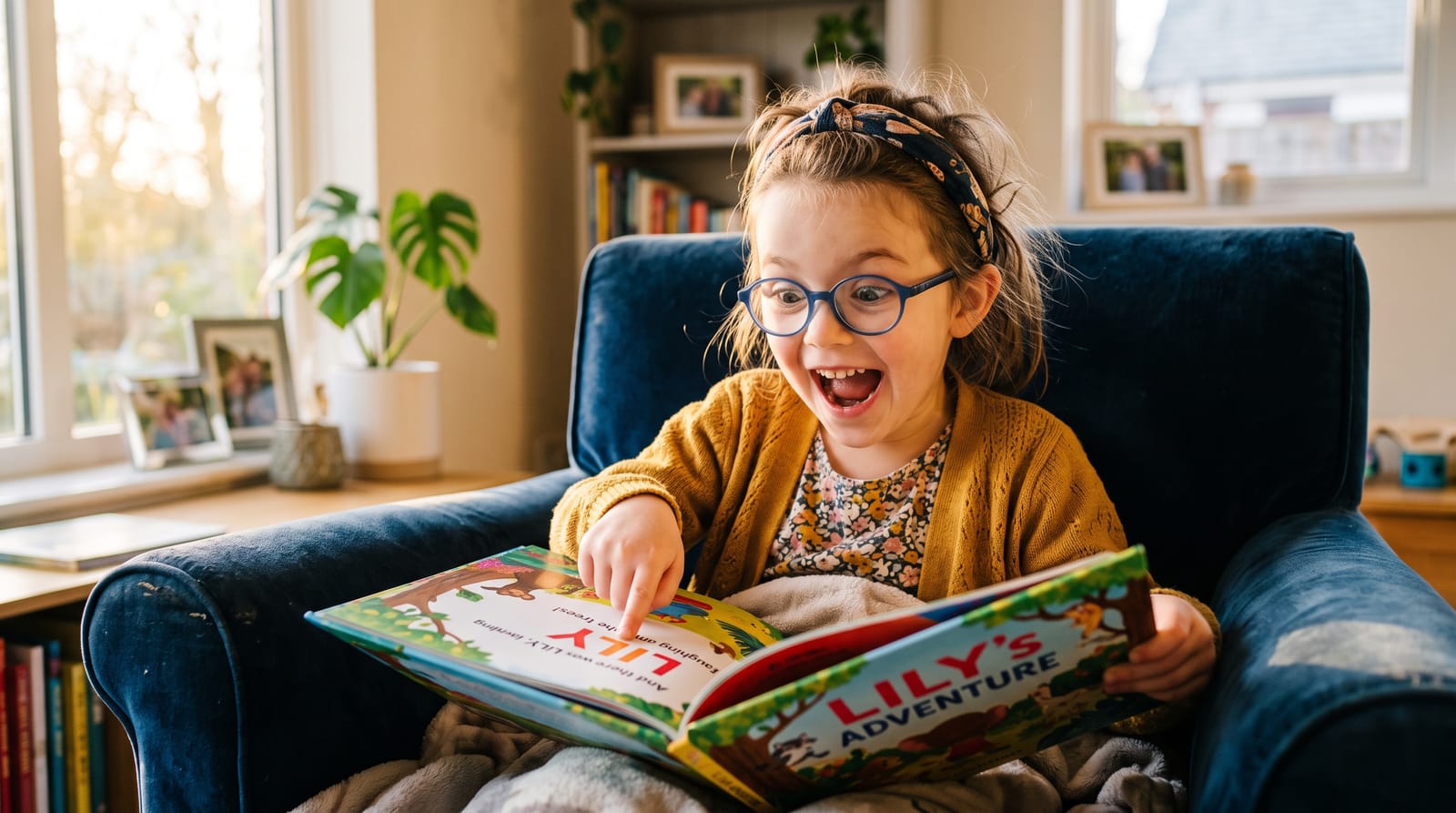
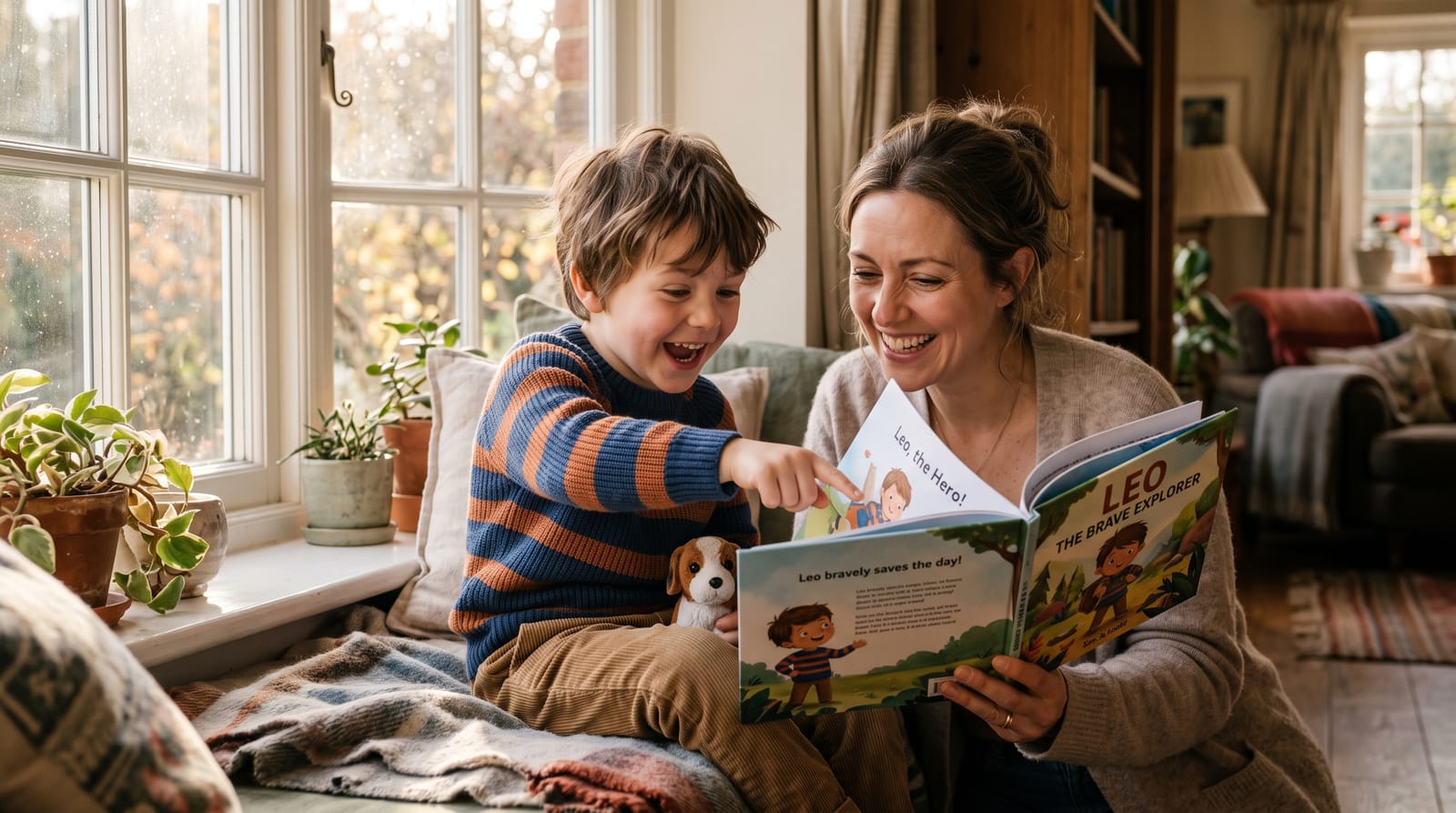
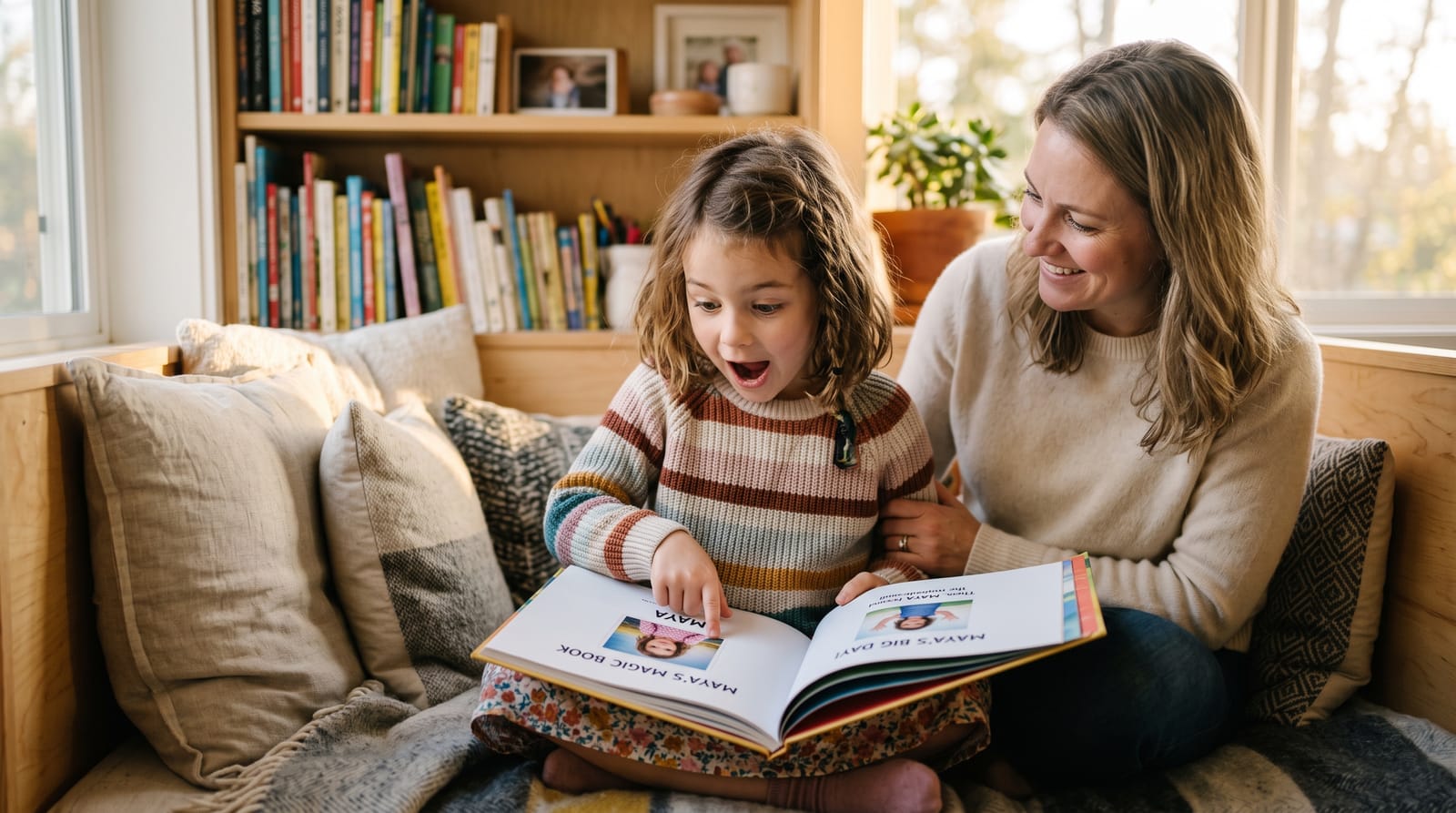
The landscape of the children's picture book is undergoing a quiet but profound transformation. For decades, these books served as windows—portals through which a child could glimpse the lives of others, travel to fantastical realms, or learn basic concepts like colors and shapes. But in {YEAR}, the window is becoming a mirror. We are moving away from passive observation and toward active participation.
At StorytimeHero, we’ve observed that the most impactful stories are those that don’t just tell a child what is possible, but show them that they are the ones capable of making it happen. This shift is driven by a new wave of storytelling that prioritizes specific lived experiences, emotional intelligence, and the celebration of individual identity. By integrating personalized books into a child's library, parents are doing more than just adding a name to a page; they are grounding the lofty themes of modern literature in the child's own reality.
The Shift from General to Specific: Why Nuance Matters
Modern children's literature has moved far beyond generic fables. Today’s authors are diving deep into the nuances of heritage, the intricacies of the creative process, and the specific challenges of growing up. We see this in books that explore the rich tapestries of AAPI cultures or the life stories of historical icons.
However, there is a inherent challenge in traditional publishing: a single book cannot represent every child’s unique family tree or specific cultural blend. This is where the evolution of the picture book through personalization becomes vital. While a traditional story might introduce a child to a broad cultural concept, a personalized narrative can place the child directly within that context. It bridges the gap between "someone else's story" and "my story."
When a child sees themselves navigating a story about heritage or community, the lesson isn't just academic—it’s personal. They aren't just learning about the world; they are learning about their place in it. This creates a bridge of belonging that helps children navigate the complexities of identity from a very young age.
Cultivating the Creator’s Mindset
One of the most exciting trends in contemporary picture books is the focus on the "creative journey." Biographies of writers and artists are becoming staples in home libraries, teaching children that voices aren't just found—they are built through practice, courage, and resilience.
When we look at the lives of literary legends, we see a recurring theme: the power of finding one's own voice. But for a young child, the idea of "finding a voice" can feel abstract. Personalized books solve this by making the child the protagonist of the creative act. In these stories, the child isn't just reading about a famous author; they are the one solving the mystery, the one inventing the gadget, or the one writing the story.
This participatory approach transforms the reading experience from a lecture into a rehearsal for life. By placing the child at the center of the narrative, we encourage a lived experience where the child practices being the hero of their own journey. They learn that their ideas have weight and their actions have consequences, fostering a sense of agency that stays with them long after the book is closed.
Navigating Real-World Hurdles with Growth Mindset
The modern picture book doesn't shy away from the "tough stuff." From food allergies to social anxiety, today's stories provide children with the vocabulary to discuss their feelings and the tools to solve problems. This focus on a "growth mindset"—the belief that abilities can be developed through dedication and hard work—is a cornerstone of modern parenting.
Personalization takes this a step further. Imagine a story about a child overcoming a fear or managing a specific health challenge. When that child is "them"—featuring their name and perhaps even their likeness—the cognitive load of empathy is reduced. Instead of trying to understand how a character named "Tova" or "Oliver" feels, the child is directly experiencing the problem-solving process.
This direct connection is incredibly powerful for building resilience. When a child reads a personalized book about navigating a difficult day or learning a new skill, they are essentially viewing a "success blueprint" for themselves. It reinforces the idea that "I can handle this," which is a crucial component in modern family narratives.
The Importance of Every "Specific" Story
We often hear the term "AAPI" or "Hispanic" or "Black" used as catch-all categories in children's media. While these terms are important for advocacy, they can sometimes flatten the incredible diversity within those groups. A child’s experience of their heritage is often tied to very specific things: a grandfather’s workshop, a specific recipe, or a trip to a particular town.
The beauty of the personalized picture book is its ability to honor these micro-narratives. It allows parents to steer the story toward the values and specifics that matter most to their family. By focusing on these "tiny starting points," we move away from stereotypes and toward authentic representation.
StorytimeHero believes that every child deserves to see a version of the world that includes them—not as a background character, but as the lead. This is especially important when helping kids navigate complex friendships or modern fears, where the context of their actual life makes the advice in the book more applicable and trustworthy.
Why Personalization is the Natural Successor to the Classic Picture Book
If the 20th-century picture book was about the "Away-Story"—taking a child to a far-off land—the 21st-century book is about the "Home-Story." It’s about grounding those grand adventures in the child's own reality.
In a world that is increasingly digital and fast-paced, the tactile, focused experience of reading a book remains sacred. Personalization doesn't replace the magic of a traditional story; it enhances it. It uses the child’s own identity as an anchor, making the themes of the book more resonant and the lessons more enduring.
By choosing personalized books, parents are investing in a tool that supports:
- Narrative Agency: The child learns they are the driver of the story.
- Emotional Literacy: The child sees their own feelings validated on the page.
- Lasting Engagement: A book about "me" is rarely a book that gets tossed aside; it becomes a keepsake.
Frequently Asked Questions
Related Reading
If you enjoyed exploring the evolution of the picture book, you might find these other StorytimeHero resources helpful:
- How Personalization Enhances Modern Picture Books
- The Evolution of the Picture Book: Personalization & Meaning
- Personalized Books & The Modern Picture Book
- How Personalization is Humanizing the Picture Book
Conclusion: Writing the Future Together
The future of the picture book is bright, diverse, and deeply personal. As we continue to find new ways to tell stories, the focus remains on the child. Whether we are celebrating the legends of the past or the potential of the future, the goal is to make every child feel seen, heard, and valued.
At StorytimeHero, we are proud to be a part of this journey. We believe that when a child becomes the hero of their own story, they gain the confidence to be the hero of their own life. In {YEAR}, let's give our children the gift of a story that is as unique as they are.
Free preview checklist
Get the personalized book gift checklist
Know what photo to use, what to write in the dedication, and what to review before ordering.