How Personalized Books Strengthen Family Identity | StorytimeHero
Start a cover preview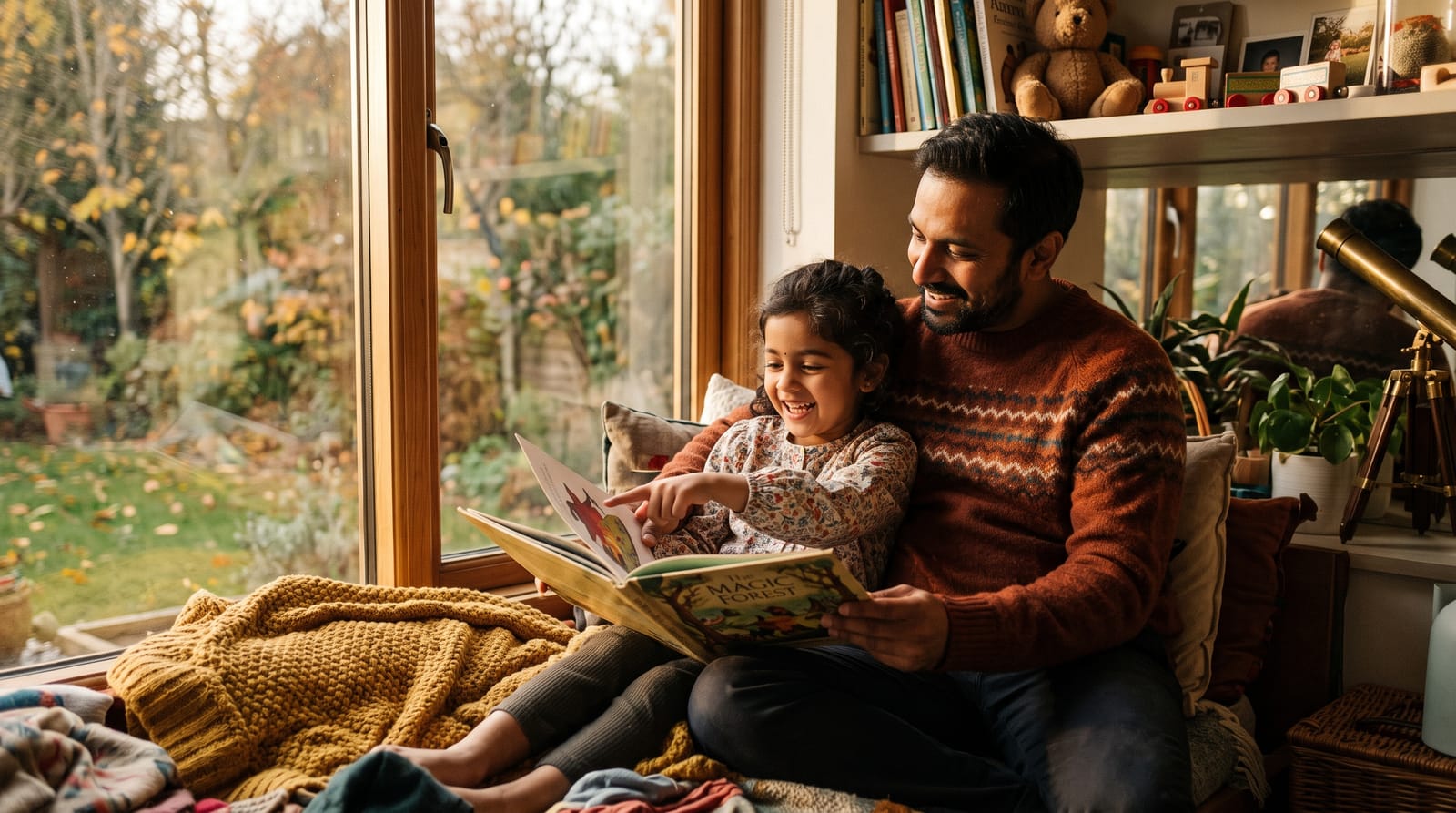
As the temperatures climb and the calendar flips to the heart of summer, the modern family often finds itself at a crossroads. Between the end of seasonal camps and the start of the new school year, there is a unique stretch of time where the rhythm of the household shifts. For many parents, this period is defined by a search for "family-friendly" engagement—content that doesn’t just fill the hours but enriches the soul.
We see this reflected in the way we consume media. Streaming giants are currently leaning heavily into "co-viewing" experiences, releasing a steady stream of re-imagined classics, high-stakes sports competitions, and deep dives into niche interests like marine biology or fashion design. These shows provide a necessary bridge for families to sit together and share a common language. However, there is a burgeoning realization among parents that while watching a story together is valuable, being the story together is transformative.
This is where the role of personalized books has evolved. No longer just a novelty featuring a child’s name on a cover, these narratives have become a vital tool for addressing the nuances of modern family life. In {YEAR}, personalization is serving as a narrative anchor, helping children navigate their place within their family and the wider world.
The Shift from Spectator to Protagonist
When we look at popular family media, we often see themes of legacy and heritage. Whether it's the younger sibling of a famous detective carving out their own path or a family moving across the prairie to start anew, these stories resonate because they explore how individuals fit into a larger family unit. They allow children to watch characters overcome obstacles and find their footing.
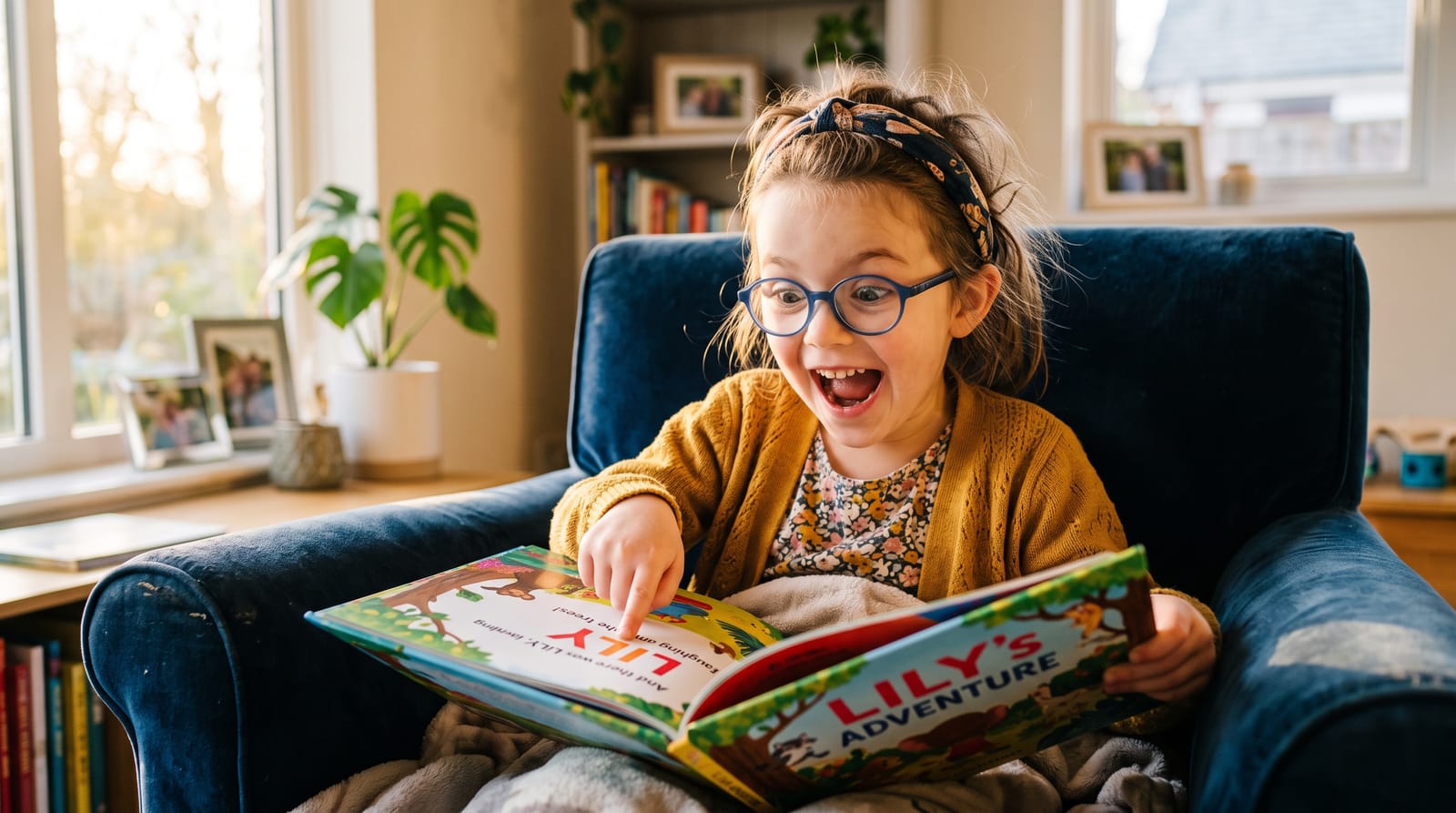
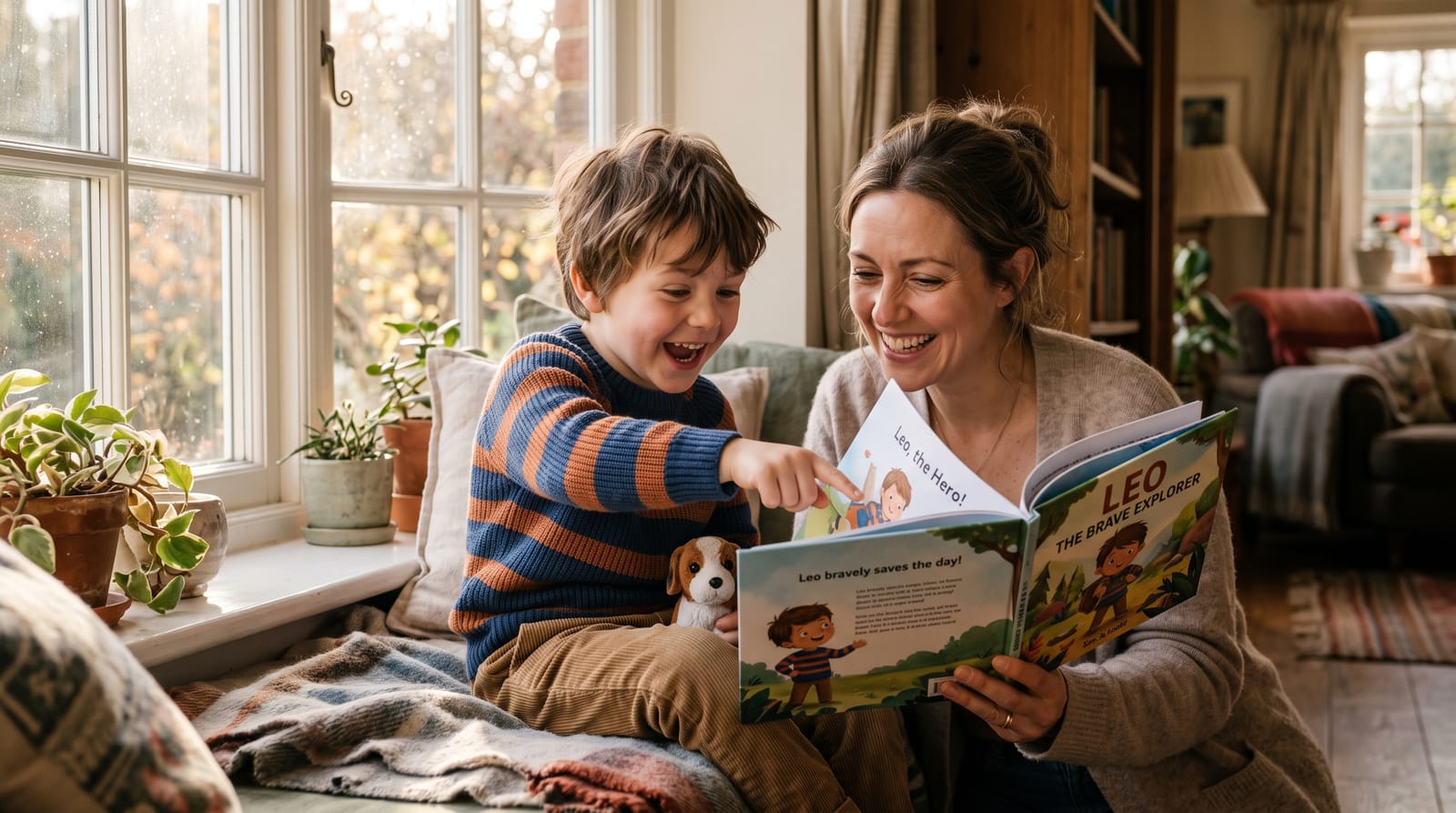
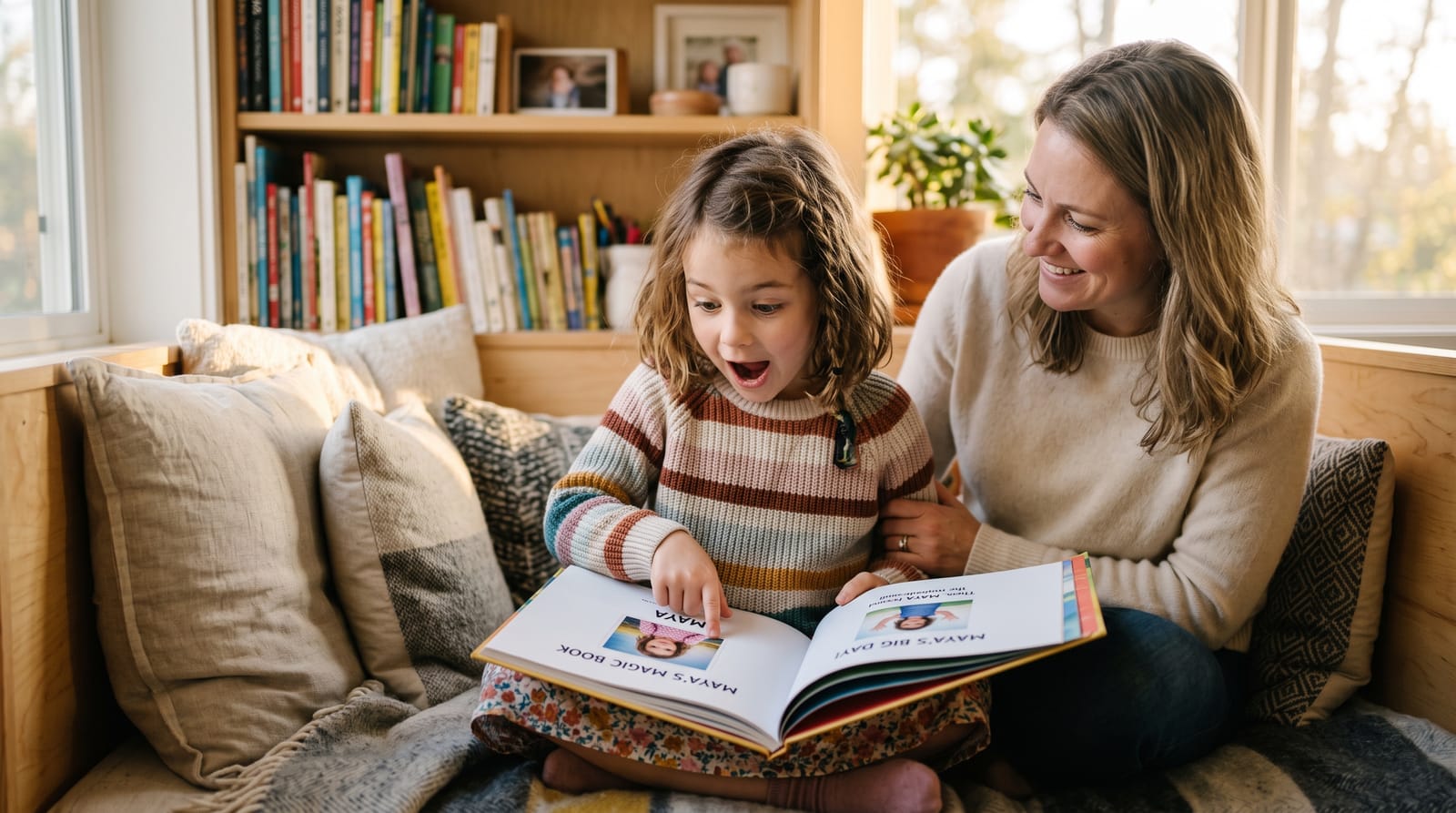
Personalized books take this a step further by removing the "fourth wall." Instead of a child watching a protagonist learn about bravery or belonging, the child is the one making the choices and experiencing the growth. This shift from spectator to protagonist is crucial for emotional development. When a child sees their own likeness or name integrated into a journey of resilience, the lessons of the story become internal truths rather than external observations.
By placing a child at the center of the narrative, StorytimeHero helps bridge the gap between fantasy and reality. This approach validates the child’s presence in the world, signaling that their adventures are just as significant as those they see on a screen. For more on how this dynamic works, you might explore how Personalized Books Strengthen Family Identity.
Validating Niche Interests and Personal Passions
One of the most striking trends in family entertainment today is the celebration of specific, "deep-dive" interests. From documentaries about apex predators of the ocean to reality competitions focusing on the next generation of professional dancers, media is catering to the "expert" within every child. This reflects a modern parenting shift: we are increasingly encouraging our children to lean into their unique curiosities.
Personalized books address this by allowing families to curate stories that reflect a child’s specific world. If a child spent their summer fascinated by the "Home Run Derby" or the mechanics of a "Sharkfest," a personalized adventure can place them directly into those environments.
This level of customization does two things for the family dynamic:
- It honors the child’s autonomy: It shows that the family recognizes and values what the child finds interesting.
- It creates a shared expertise: When a parent reads a personalized book about space or dinosaurs with their child, they are participating in the child's specific world, rather than forcing the child to conform to a generic narrative.
By focusing on these "micro-moments" of interest, families can use personalized books to address modern family life in a way that feels authentic and deeply personal.
Representation and the Diverse Family Landscape
The conversation around children’s literature is currently undergoing a profound transformation. Authors and educators are increasingly highlighting the importance of disability representation and diverse family structures. The goal is to ensure that every child, regardless of their physical abilities or the makeup of their household, can find a mirror in the stories they read.
Traditional publishing is making strides, but it often moves slowly. Personalized books offer an immediate solution to the "representation gap." In a personalized narrative, the "default" character is replaced by the actual child. This is particularly powerful for children who may not often see themselves represented in mainstream media as the hero.
When a book can be customized to reflect the specific realities of a child's life—whether that involves specific physical traits, family members, or cultural backgrounds—it reinforces a sense of belonging. It tells the child that they are not an "addition" to the story; they are the story. This sense of inclusion is a cornerstone of how personalized books validate modern families.
Connecting Generations Through Shared Themes
There is a reason why "millennial parents" are often drawn to retellings of the classics they grew up with. These stories serve as a nostalgic tether between their own childhoods and the lives of their children. However, the world has changed, and the way we discuss family, independence, and adventure has evolved.
Personalized books allow families to take those timeless themes—bravery, curiosity, and the comfort of home—and update them for the current generation. While a classic series might focus on a family's struggle on the frontier, a personalized book might focus on a child’s "away-story"—their first time at camp or a sleepover at a grandparent's house.
These stories help children process the "big feelings" associated with growing up and gaining independence. By seeing themselves successfully navigate a fictional challenge, they build the confidence to handle real-world transitions. This is a key part of supporting independence with personalized books, providing a safe space for children to practice being the hero of their own lives.
The "Summer Enrichment" Factor: More Than Just Entertainment
During the long summer months, the phrase "brain rot" often haunts the back of a parent's mind. While high-quality streaming content can be educational, it remains a passive experience. Parents are constantly looking for ways to keep their children "enriched and entertained" without it feeling like additional schoolwork.
Reading remains the gold standard for cognitive engagement, but the challenge is often keeping the child interested. Personalized books solve the "engagement" problem by making the content inherently relevant. A child is far more likely to stay focused on a story when they are the ones discovering the hidden treasure or solving the mystery.
Furthermore, these books provide a "tactile" anchor in an increasingly digital world. While a podcast or a streaming show exists in the ether, a book is a physical object that can be held, revisited, and tucked under a pillow. In {YEAR}, this physical presence is a vital part of creating a "living library" that grows with the child. You can read more about this evolution in The Evolution of the Picture Book: Personalization & Meaning.
Strategies for Integrating Personalized Stories into Family Life
To truly use personalized books as a tool for family connection, it helps to move beyond the occasional gift-giving moment and integrate them into the household's regular "narrative diet."
1. The "Hero’s Journey" Discussion
After reading a personalized book, ask your child how they felt when they (the character) faced a specific challenge. This bridges the gap between the fictional "hero" and the child’s real-life self-image.
2. Matching Interests to Media
If your child is currently obsessed with a specific show or movie—perhaps a series about young detectives or a documentary about the ocean—find a personalized book that mirrors those themes. This creates a multi-dimensional learning experience where they move from watching to doing.
3. Building a Family Mythology
Collect personalized books over time to create a "portable heritage." Each book becomes a chapter in the child's life, documenting their changing interests and their growing sense of self. This contributes to strengthening family identity via micro-moments.
Conclusion: A New Way to Say "You Belong"
At its heart, every family-friendly movie, every middle-grade novel, and every preschool sing-along is trying to communicate the same message: You are part of something. You are safe. You are capable.
Personalized books simply deliver that message with more precision. By addressing the specific interests, family structures, and identities of children today, these stories provide a level of validation that generic media cannot match. As we navigate the complexities of parenting in {YEAR}, these custom narratives serve as a reminder that the most important story a child will ever read is their own.
Whether it’s through a personalized adventure book where the child is the hero or a quiet story about the bonds of family, the goal remains the same: to anchor the child in a world where they are seen, heard, and celebrated.
---
FAQ: What Parents Ask About Personalized Family Stories
How do personalized books help with sibling rivalry?
Personalized books can be a great tool for addressing sibling dynamics. By giving each child a story where they are the "hero," you validate their individual importance. You can also look for stories that feature "pet sidekicks" or mention other family members to reinforce the idea of a supportive team.
Are these books only for younger children?
While many personalized books are designed for the picture-book age, the concept of "identity-building" is even more crucial for older children and tweens. For older readers, personalization helps them explore more complex themes of autonomy and self-discovery. Check out our guide on personalized adventure books for older kids for more ideas.
Can personalized books help a child through a family transition, like a move?
Yes. Narrative therapy often uses storytelling to help children process change. When a child sees a version of themselves successfully navigating a "new prairie" or a different school in a book, it provides a mental blueprint for handling the transition in real life.
What is the difference between "name-only" personalization and what StorytimeHero offers?
"Name-only" books often feel like the child was "pasted" into a pre-existing story. Advanced personalization, like that found at StorytimeHero, integrates the child’s identity more deeply into the narrative and themes, ensuring the story feels like it was truly written for them.
---
Related Reading
Free preview checklist
Get the personalized book gift checklist
Know what photo to use, what to write in the dedication, and what to review before ordering.