How Personalized Books Validate Modern Families | StorytimeHero
Upload a photo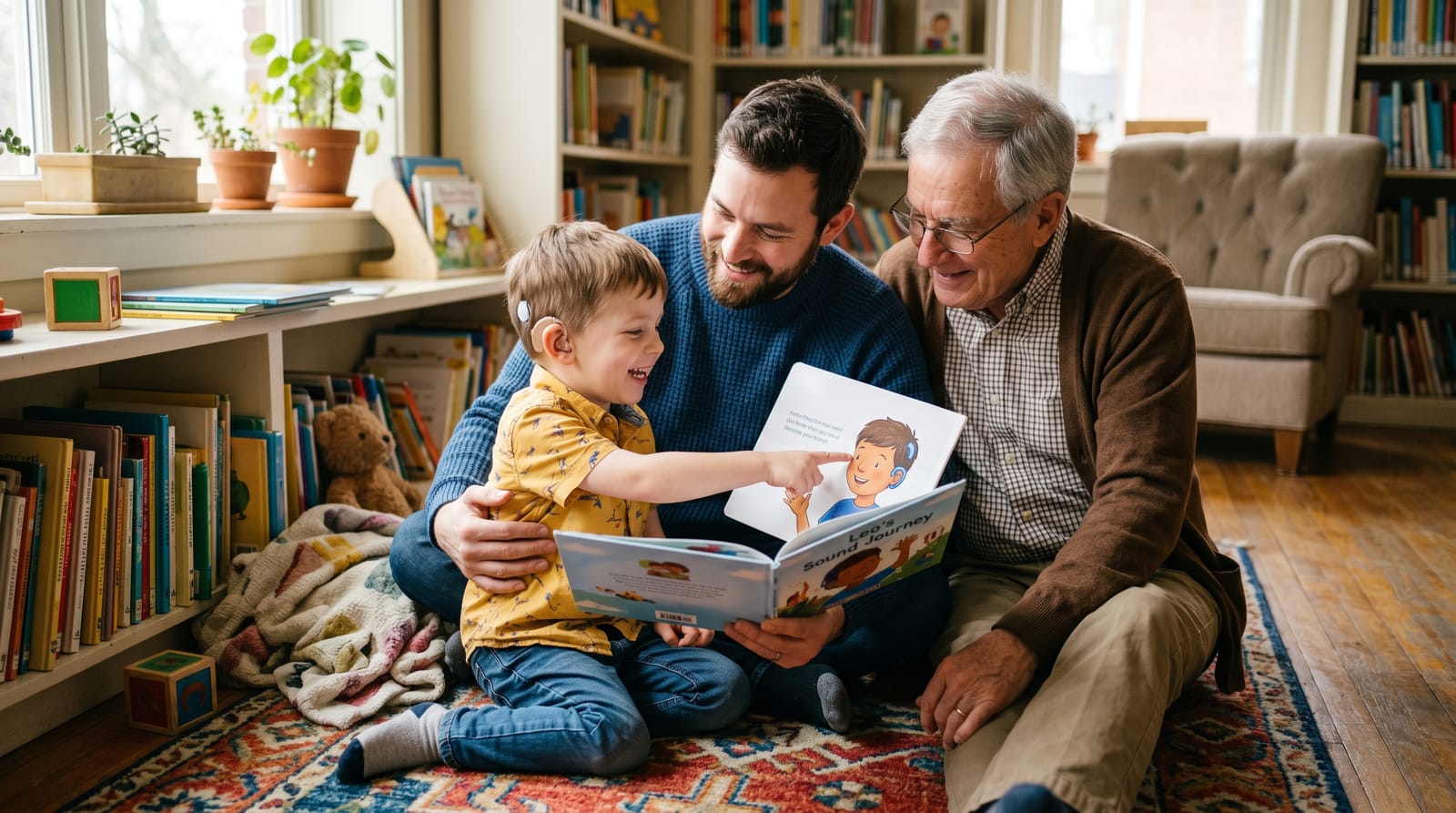
The concept of "family" has never been a static one, but in {YEAR}, the portrait of the modern home is more vibrant and varied than ever before. For parents, caregivers, and educators, the challenge often lies in finding media that doesn't just tell a story, but tells their story. While traditional bookshelves are filled with wonderful tales, they frequently rely on archetypes that may not mirror the lived reality of a child growing up in a multi-generational household, a family navigating disabilities, or a home with LGBTQ+ parents.
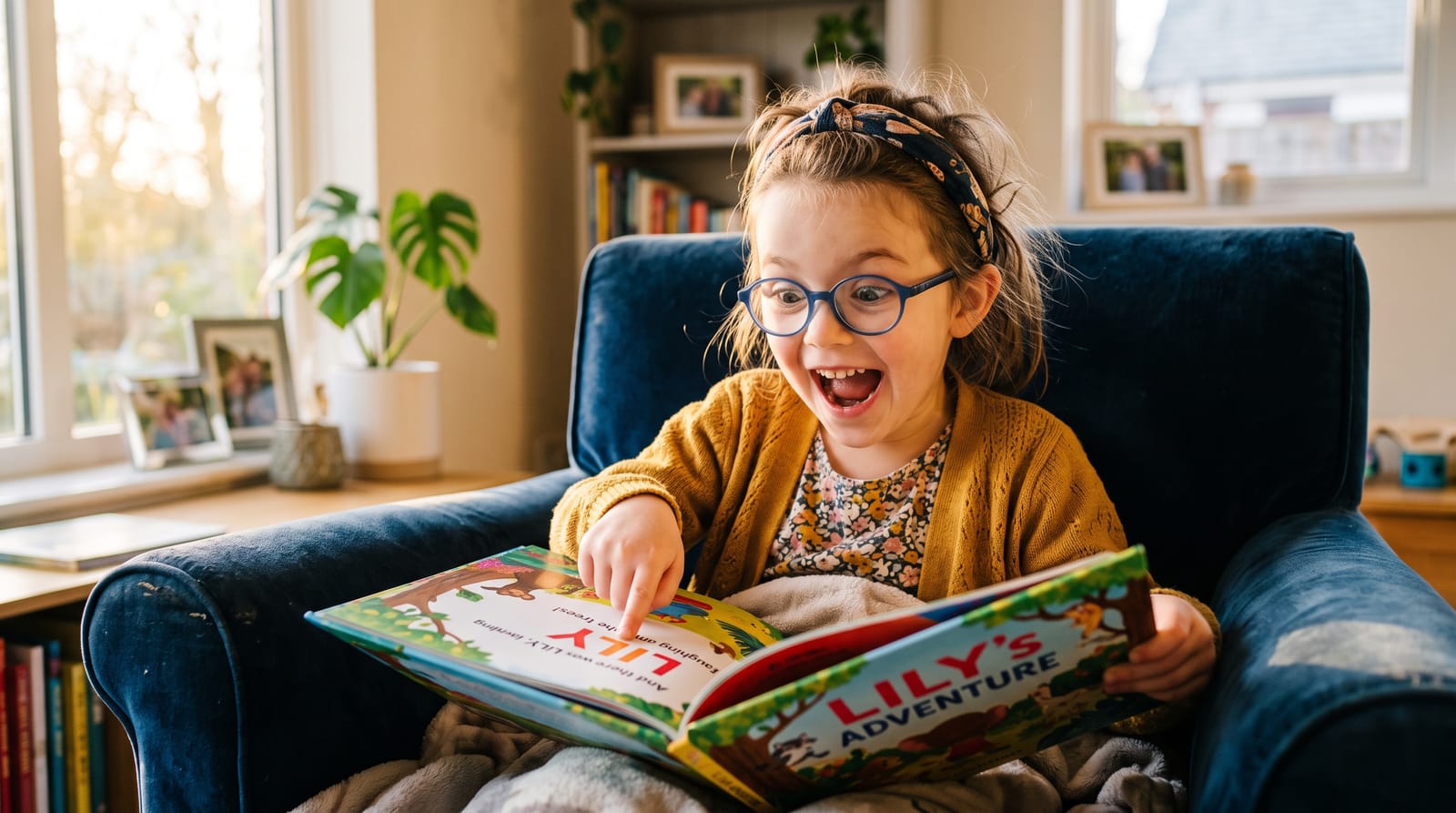
This is where the evolution of the picture book takes a deeply personal turn. Personalized books have moved far beyond the simple novelty of seeing a child’s name on a cover. They have become a sophisticated tool for validating the unique architecture of a child’s world. By integrating the specific nuances of a family’s identity into the narrative, these stories act as both an anchor and a compass, helping children navigate their place in the world with confidence and a profound sense of belonging.
The Evolving Portrait of Home
For decades, the "standard" family in children’s literature followed a fairly narrow template. While those stories still hold value, they can sometimes leave children who live outside that template feeling like "guests" in the world of fiction rather than the protagonists of their own lives. When a child sees a family that looks exactly like theirs—whether that includes two moms, a single father, or a grandparent as a primary caregiver—the psychological impact is immediate.
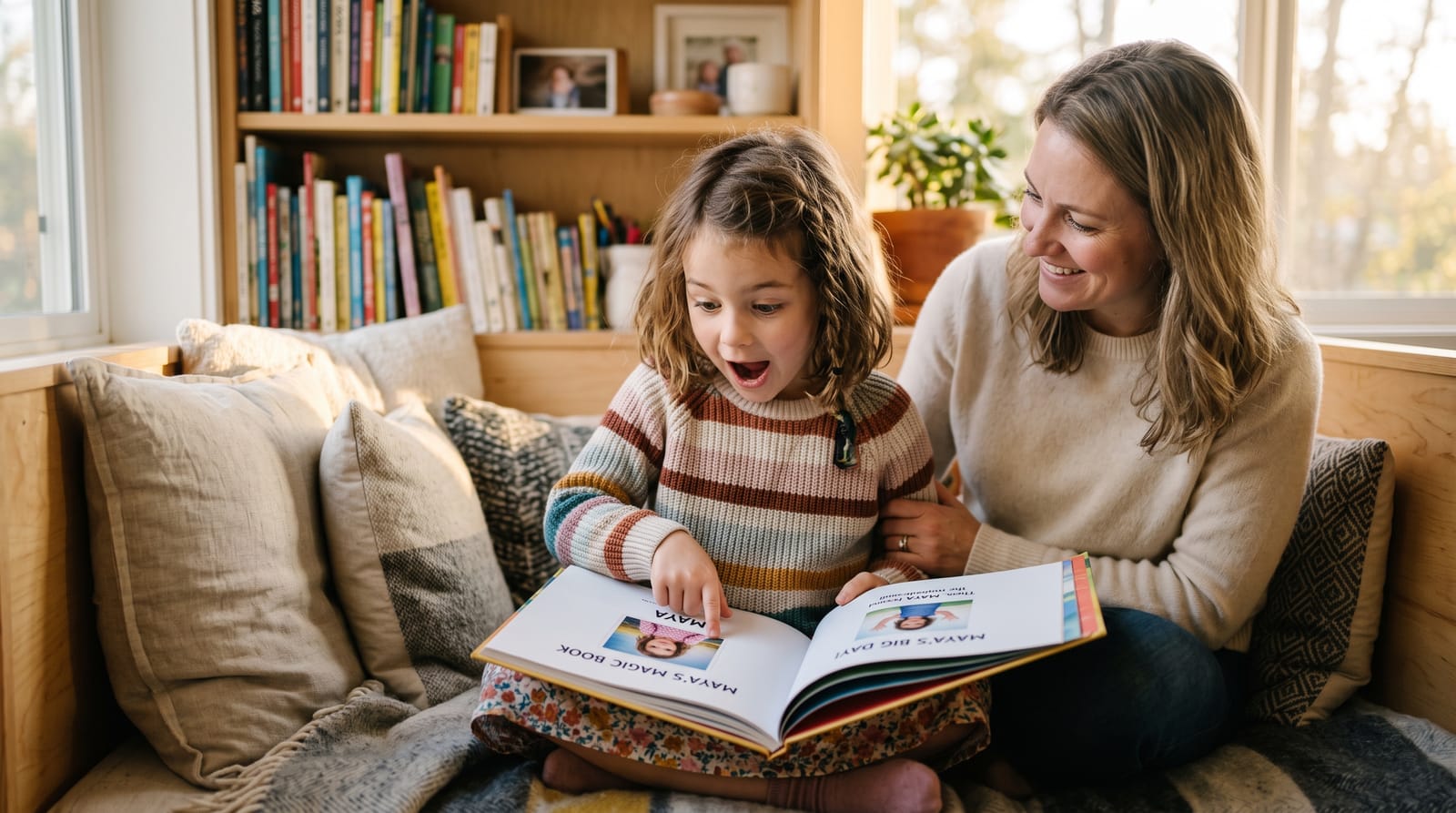
Personalized books allow for this level of granular representation. Instead of searching for a book that "kind of" looks like their life, families can now curate stories where the characters reflect their specific reality. This isn't just about aesthetics; it’s about the fundamental human need to be seen. When a story acknowledges that a family might be navigating life with a disability or balancing the beautiful chaos of a multi-ethnic heritage, it sends a powerful message: Your life is a story worth telling.
In this context, StorytimeHero serves as more than a gift-giving service; it becomes a medium for family legacy. By placing the child and their specific family unit at the center of the adventure, we move from passive consumption to active validation.
Opening Windows and Polishing Mirrors
In the world of children's literacy, there is a long-standing theory that books should serve as both "windows and mirrors." A mirror reflects the reader's own life, while a window provides a view into someone else’s experience. The beauty of the modern personalized narrative is that it can do both simultaneously.
For a child in an LGBTQ+ family, a personalized book is a mirror that normalizes their daily life. It strips away the "otherness" that society might occasionally impose and replaces it with a narrative where their family is simply the foundation of a grand adventure. This normalization is crucial. As we look at the importance of diverse representation, we realize that for all our progress, the need to see diverse identities as "standard" remains a priority.
Conversely, for a child who may not have a disability or a non-traditional family structure, these stories can serve as windows. When families read together—perhaps during a long summer road trip or a quiet afternoon in the AC—these narratives spark conversations. They allow parents to introduce complex themes of empathy, inclusion, and the reality that every family "juggles a million moving parts," as one might during a complicated family vacation.
The Anchor in the Chaos of Family Life
Family life, especially during transitions like summer breaks or holiday travel, can feel like a whirlwind of competing needs. One child might be seeking the thrill of a roller coaster, while another needs a quiet space to decompress. Amidst this "juggling act" of family logistics, the shared story becomes a grounding ritual.
Personalized books offer a unique form of "narrative transport." Because the child recognizes the characters as themselves and their loved ones, the engagement level skyrockets. This is particularly effective for reluctant readers or children who feel overwhelmed by unfamiliar environments. Whether you are in a hotel room in a new city or tucked into your own bed at home, the story provides a familiar "map" of belonging.
By focusing on the "micro-moments" of connection—the way a parent tucks them in, the specific pet that follows them on their journey, or the way their family works together to solve a problem—personalized books reinforce the idea that the family unit is a team. This strengthens the Family Identity via Micro-Moments that are so vital for a child's emotional development.
Validating Every Ability and Background
One of the most profound shifts in modern storytelling is the move toward inclusive fiction that centers on disability without making the disability the "problem" to be solved. In many contemporary middle-grade novels and picture books, authors are exploring how disability is simply one thread in the rich tapestry of family life.
Personalized books take this a step further by allowing the reader to see themselves as the hero with their specific traits. When a child who uses a wheelchair or navigates the world with a sensory processing difference sees themselves as the one leading the quest, it reframes their self-perception. It tells them that their ability is part of their heroism, not a barrier to it.
This level of personalization is a form of Personalization & The Modern Picture Book evolution. It moves us away from "token" representation toward "lived" representation. It acknowledges that a family’s strength often comes from how they navigate challenges together, fostering a sense of resilience that stays with the child long after the book is closed.
The Shared Language of the Family Library
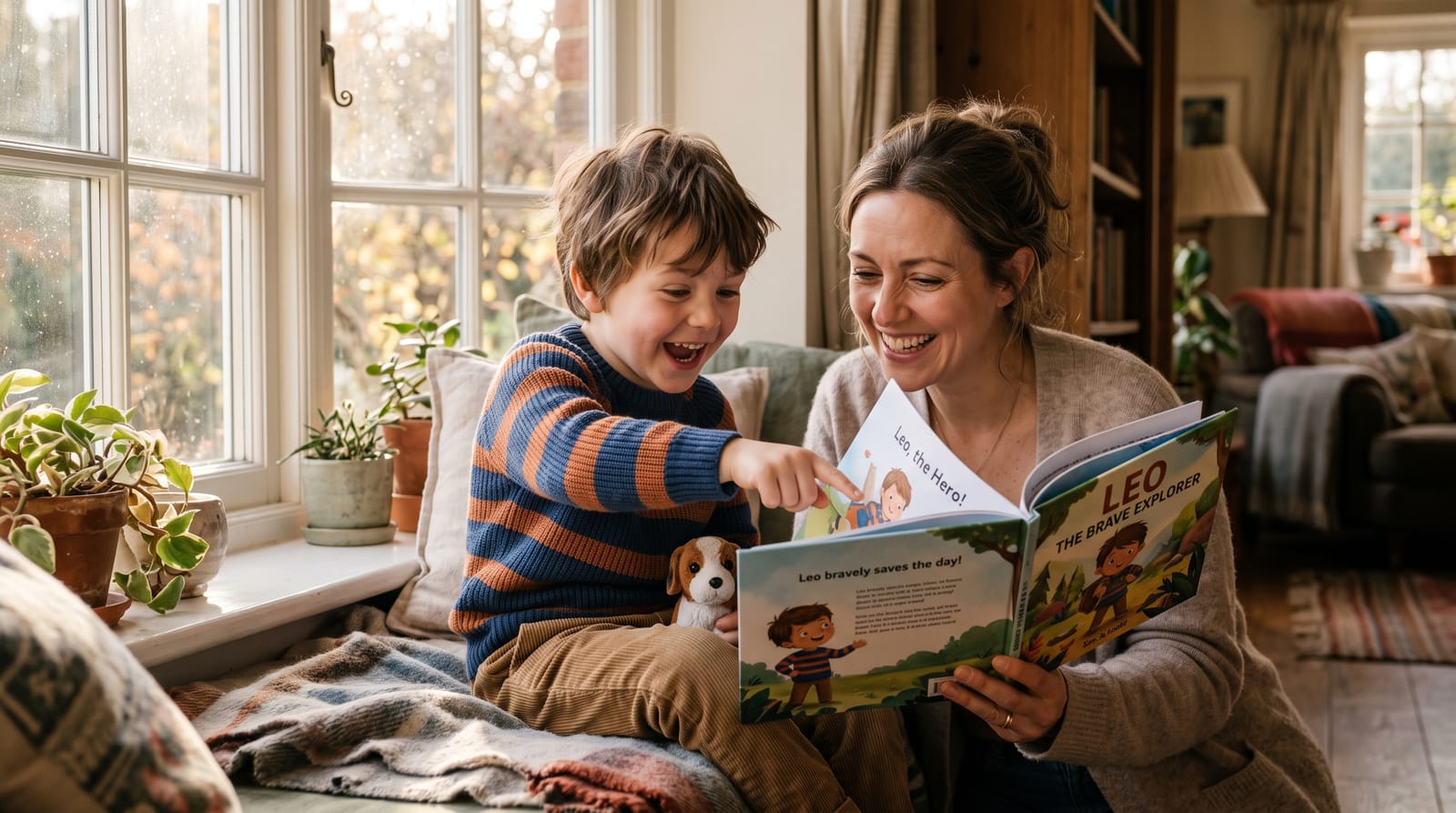
Reading has always been a communal act, but personalized stories transform it into a collaborative one. When a parent reads a book where the characters share the names and likenesses of the people in the room, the wall between the "story world" and the "real world" thins. This creates a shared language.
Parents can use these narratives to:
- Rehearse Challenges: If a family is preparing for a big move or a new school year, a personalized story can "pre-play" the event, making the unknown feel manageable.
- Affirm Bonds: In times of stress, revisiting a story where the family overcomes obstacles together can be a source of immense comfort.
- Bridge Generations: These books often become keepsakes that grandparents can read with grandchildren, bridging the gap between the "old stories" of the past and the "new heroes" of the present.
As we explore How Personalized Books Address Modern Family Life, we see that these aren't just books; they are artifacts of a family's unique culture. They are a way of saying, "This is who we are, and this is why we matter."
Building Resilience Through Recognition
Psychologists often speak about the importance of a "strong intergenerational self." This is the sense that a child is part of a larger story that includes their parents, their ancestors, and their community. Children with a strong sense of their family history and identity tend to be more resilient in the face of stress.
Personalized books contribute to this by documenting the "now." They capture a snapshot of the family’s current structure, their hopes, and their adventures. By seeing themselves as the "active protagonist" in their own family lore, children develop the Autonomy and Independence needed to face the world. They know they have a home base that is documented, celebrated, and validated in print.
A Tool for Modern Parenting
In an era of digital distractions and "small-minded" defaults that can sometimes make children feel like they have to fit into a specific box, personalized books offer a breath of fresh air. They are a "low-stakes, optimistic" way to introduce the world's complexity while keeping the child’s safety and identity at the center.
Whether the story is about a magical quest or a simple day at the beach, the underlying message is one of unconditional belonging. For parents, these books are a partner in the work of raising kind, confident, and empathetic humans. They provide the "windows" into the lives of others and the "mirrors" that help a child love the person they see looking back at them.
By choosing stories that reflect the true diversity of the human experience—from LGBTQ+ representation to the reality of living with a disability—we are not just teaching children to read; we are teaching them how to see. And when they see themselves as the hero of a StorytimeHero adventure, they learn that their family, exactly as it is, is the most heroic thing of all.
Related Reading
- How Personalized Books Address Modern Family Life
- Strengthening Family Identity via Micro-Moments
- Personalization & The Modern Picture Book
- Supporting Independence with Personalized Books
***
Frequently Asked Questions
Free preview checklist
Get the personalized book gift checklist
Know what photo to use, what to write in the dedication, and what to review before ordering.