How Personalized Books Evolve the Picture Book | StorytimeHero
Upload a photo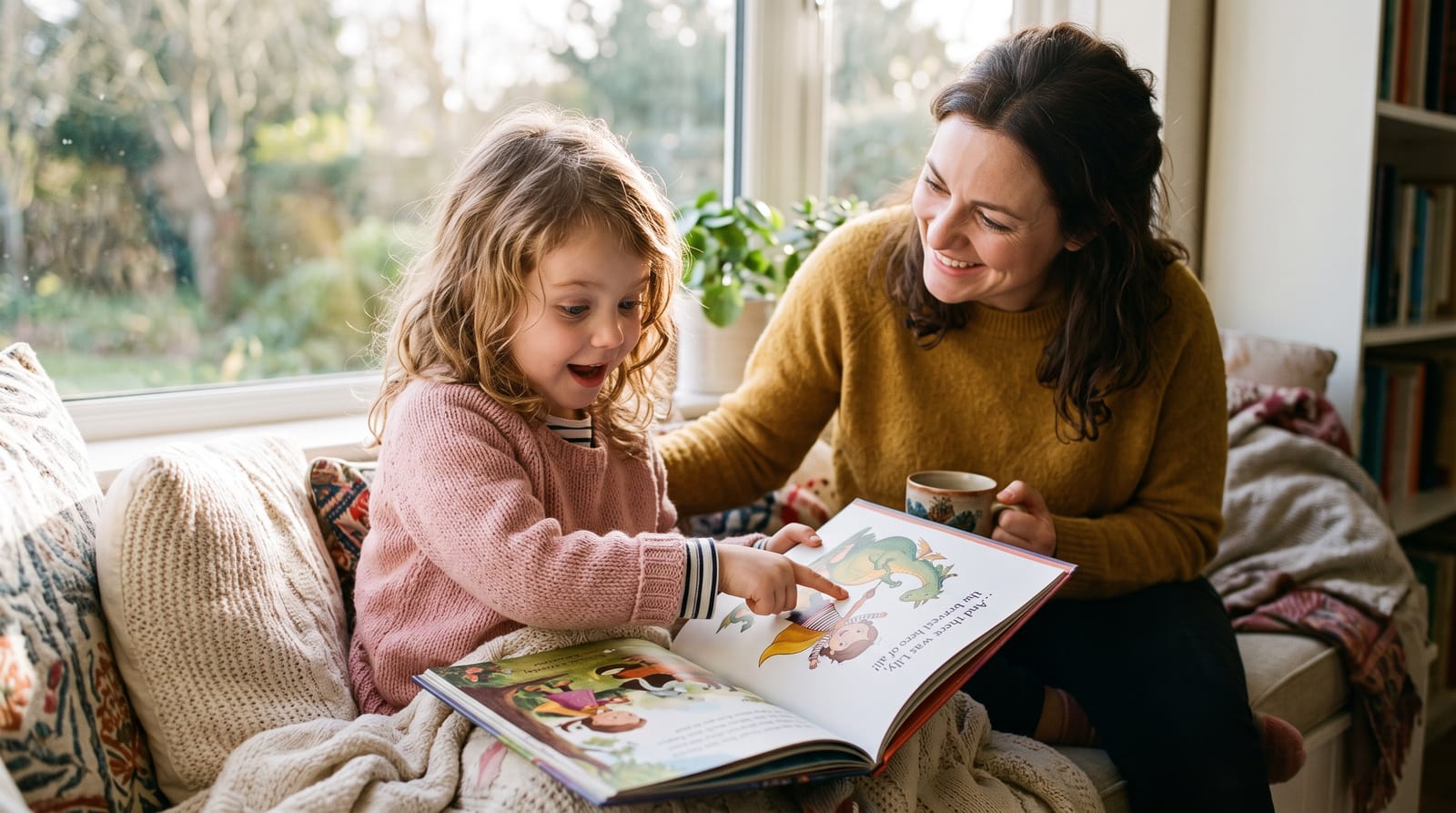
There is a specific kind of magic that happens when a child opens a picture book. It’s the sound of the spine cracking gently, the smell of fresh ink, and the immediate invitation into a world that didn’t exist moments before. For decades, the picture book has served as the first gallery a child ever visits and the first theater they ever attend. But as we move through {YEAR}, the role of these books is shifting. We are moving away from stories that are merely watched and toward stories that are inhabited.
The evolution of the modern picture book is no longer just about vibrant illustrations or clever rhymes. It is about the "bridge of belonging"—the moment a child realizes that the story on the page isn’t just about a child, but about them. At StorytimeHero, we’ve observed how this shift toward personalization is solving some of the most common challenges in early childhood development, from fostering environmental stewardship to navigating the complexities of personal health.
Sensory Landscapes: Bringing the Outside In
One of the most profound roles of a picture book is to transport a child to places they cannot currently go. Whether it’s the salty spray of a distant coastline or the quiet hush of a snowy forest, books provide a sensory rehearsal for the real world.
Think about the classic beach story. For many families, the beach represents a yearly pilgrimage—a time for multi-generational connection and the building of traditions. In a standard story, a child might see a character building a sandcastle. But when that story is personalized, the child isn't just an observer; they are the architect. They see their own face under a sun hat, their own hands (metaphorically) patting the sand.
This level of immersion does more than just entertain. It builds a "sensory memory" that can help a child feel connected to the environment. When a book highlights the responsibility of keeping a beach clean or respecting the ocean’s rhythms, the lesson sticks because the child feels personally accountable. They aren't just learning that "people" should pick up litter; they are seeing themselves as the hero who protects the sea kelp and the seagulls. This is a core part of how personalization is redefining the modern picture book, turning abstract environmental themes into personal missions.
Navigating Real-World Hurdles with a Growth Mindset
The modern picture book has also become a vital tool for helping children navigate "the tough stuff." Traditional stories often focus on universal fears—darkness, monsters under the bed, or the first day of school. However, today’s families are looking for stories that address more specific, nuanced challenges, such as food allergies, neurodiversity, or the need for a growth mindset.
When a child struggles with a food allergy, for example, they can often feel "othered" during social gatherings like birthday parties. A book that features a protagonist navigating these same waters is helpful, but a personalized book that puts the child in the center of the problem-solving process is transformative.
By seeing themselves as the main character who finds a "sweet solution" to a tricky social or health-related situation, the child internalizes a sense of agency. They learn that they are not defined by their limitations, but by their ability to adapt and grow. This shift from a passive listener to an active participant is a hallmark of personalization and the modern picture book. It allows the "away-story"—the story of who the child is when they are out in the world—to be anchored in a safe, supportive narrative they’ve read a hundred times at home.
The Art of Seasonal Traditions and Family Legacy
Holiday literature is perhaps the most crowded shelf in any child's library. There is no shortage of tales about winter wonders or festive miracles. Yet, the books that truly resonate—the ones that become "tippy-top" favorites—are the ones that capture a specific "mood" or family "vibe."
Authors and illustrators spend months, sometimes years, trying to capture the perfect atmosphere of a snowy city or a cozy hearth. They want to create a world so enchanting that the reader feels they’ve lived there. Personalization takes this artistic intent and completes the circle.
Imagine a Christmas story where the journey through a snowy landscape isn't just a beautiful sequence of images, but a chronicle of your own family’s traditions. When personalized books incorporate a child’s actual likeness or family members into these seasonal narratives, the book ceases to be a commercial product and becomes a family heirloom. It validates the child’s place within the family’s private mythology. We see this often in how personalized books strengthen family identity, turning a simple bedtime read into a powerful tool for building a sense of heritage and belonging.
Why the "Mirror" Effect Matters for Literacy
For a long time, educators have talked about books as "windows, mirrors, and sliding glass doors."
- Windows allow kids to see into other worlds.
- Sliding glass doors allow them to step into those worlds.
- Mirrors allow them to see themselves reflected.
The traditional picture book excels at being a window. But for a reluctant reader, or a child who doesn't see their specific family structure or physical appearance in mainstream media, the "mirror" is often missing.
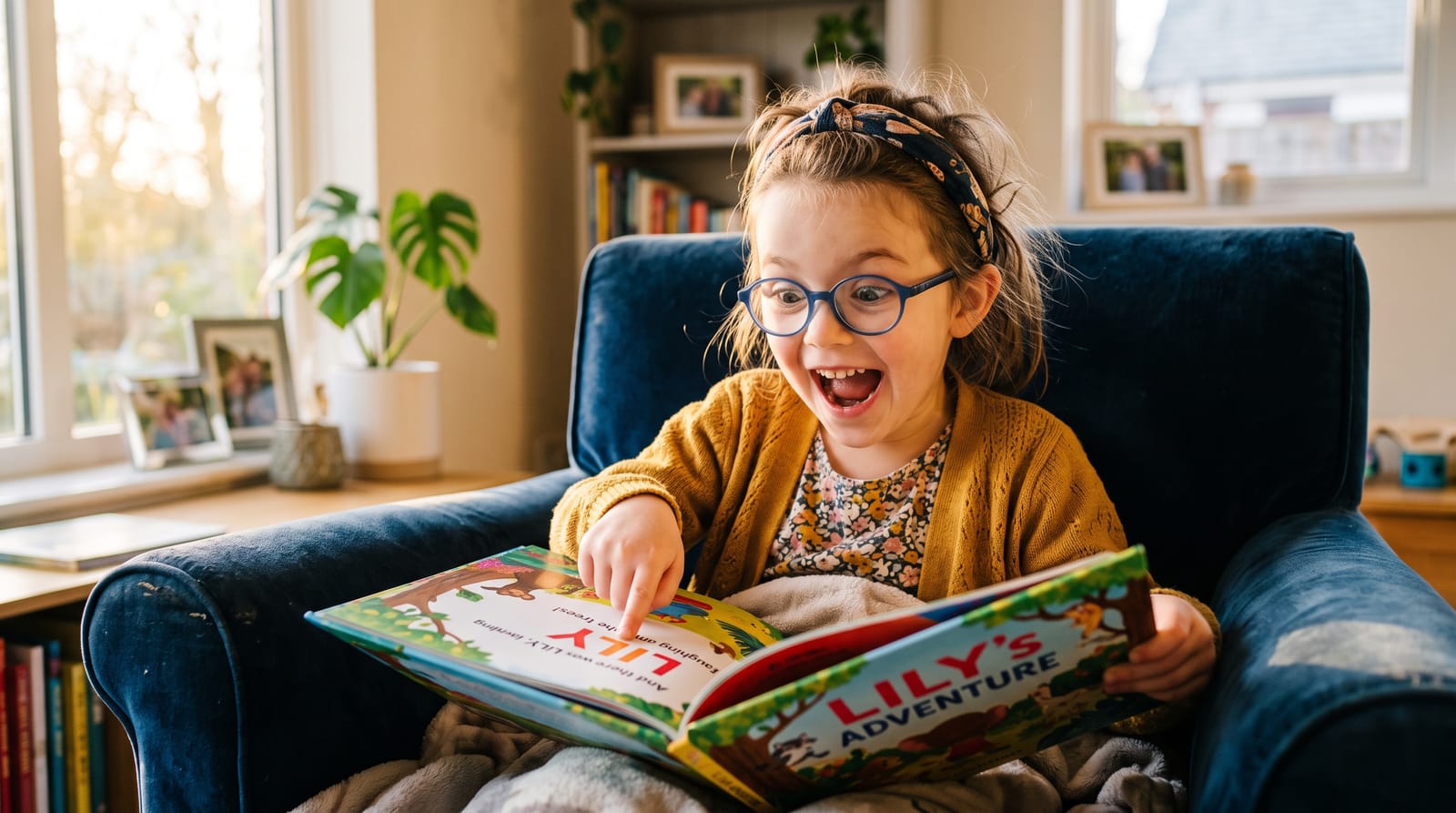
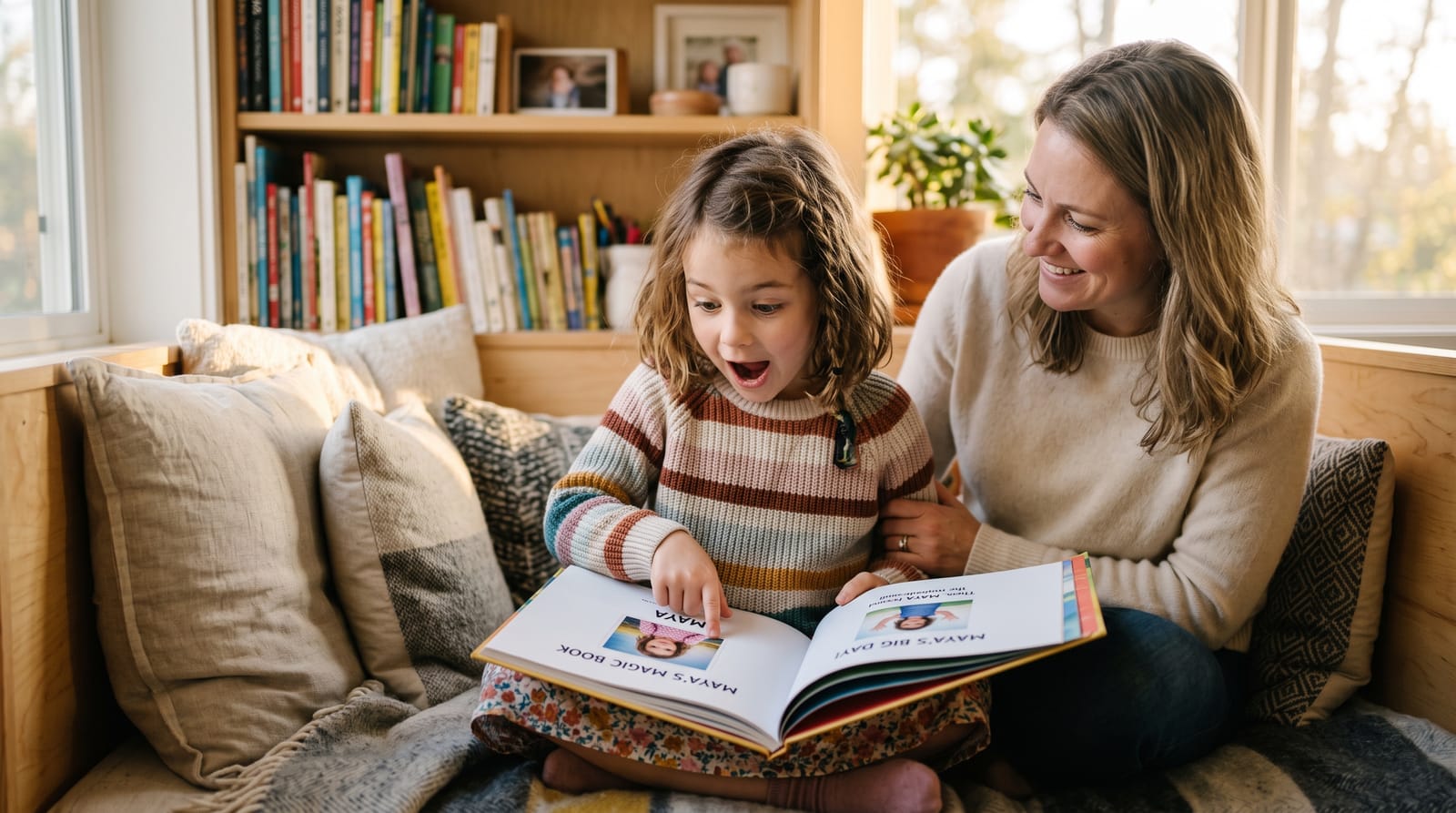
Personalized narratives provide that mirror with startling clarity. When a child sees their own name and face in the text, their "affective filter" drops. They are no longer working hard to relate to a stranger; they are immediately invested in the outcome of the plot. This is one of the many ways that personalization evolves the picture book to meet the needs of modern literacy. It’s not just about the novelty of seeing one's name; it's about the cognitive ease of self-identification, which allows the child to focus more on the language, the rhythm, and the moral of the story.
Building Connection in a Digital Age
In an era where screens often compete for a child’s attention, the physical picture book remains a sanctuary of focused attention. However, the expectations for engagement have changed. Children today are used to interactive experiences. They want to "touch, play, and be."
Personalized books meet this need for interaction without the overstimulation of a tablet. The "interaction" is psychological and emotional. The child is constantly checking the illustrations to see what "they" are doing next. This creates a unique feedback loop between the parent (the narrator) and the child (the hero).
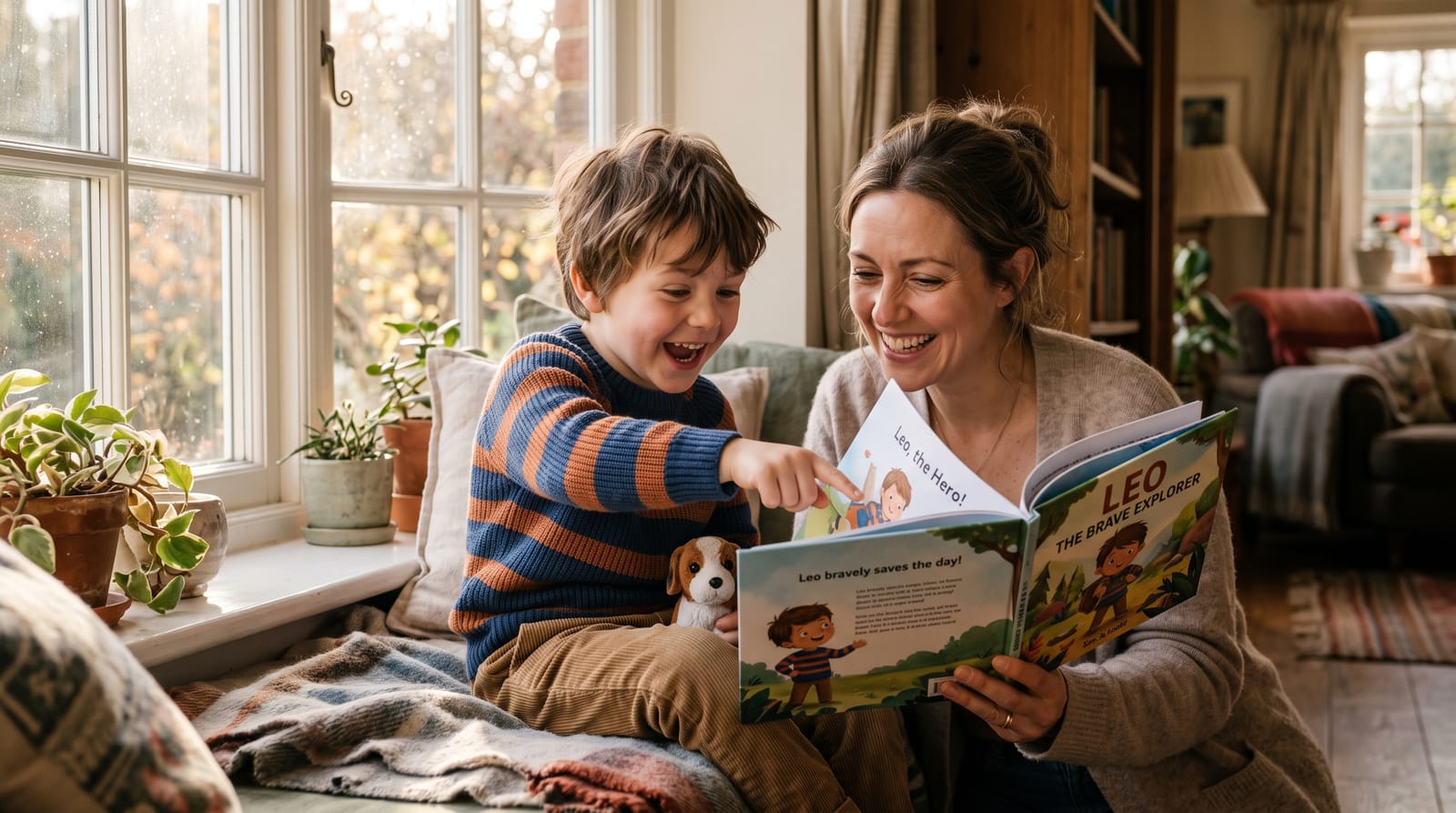
At StorytimeHero, we believe that these meaningful micro-moments of family connection are what define childhood. When you sit down to read a story where your child is the one exploring the ocean or solving a mystery, you aren't just reading to them; you are witnessing them. You are affirming their bravery, their curiosity, and their importance in the world.
The Future of Storytelling: A Collaborative Journey
The "behind the scenes" of a great picture book usually involves an author and an illustrator working in tandem to create a vision. In the world of personalized books, the parent becomes a third collaborator. You choose the traits, the names, and sometimes the themes that reflect your child’s current life stage.
This collaborative nature ensures that the book is always relevant. Whether it’s preparing for a big move, welcoming a new sibling, or simply celebrating a summer of growth, the story is tailored to the "now." This makes the modern picture book a living document—one that grows and changes alongside the child.
As we look toward the future of children's literature, it's clear that the most impactful stories won't be the ones with the biggest marketing budgets, but the ones that make a child feel truly seen. By blending high-quality artistry with the deep emotional resonance of personalization, we are creating a new gold standard for what a book can be.
---
FAQ: Frequently Asked Questions About Personalized Picture Books
Related Reading
If you enjoyed this exploration of the modern picture book, you might find these other articles helpful:
- How Personalization Enhances Modern Picture Books: A look at the shifting themes in today's literature.
- Personalization & The Modern Picture Book: Understanding the "lived experience" in children's stories.
- How Personalized Books Validate Modern Families: Why representation in your own library matters.
- Personalization and the Modern Picture Book: Moving from passive listening to active heroics.
The journey of the picture book is far from over. In fact, with the advent of personalization, we are just beginning a new chapter—one where every child has the chance to see their own potential printed in ink, bound in hardback, and read with love.
Free preview checklist
Get the personalized book gift checklist
Know what photo to use, what to write in the dedication, and what to review before ordering.