How Personalization Reimagines the Picture Book | StorytimeHero
Upload a photo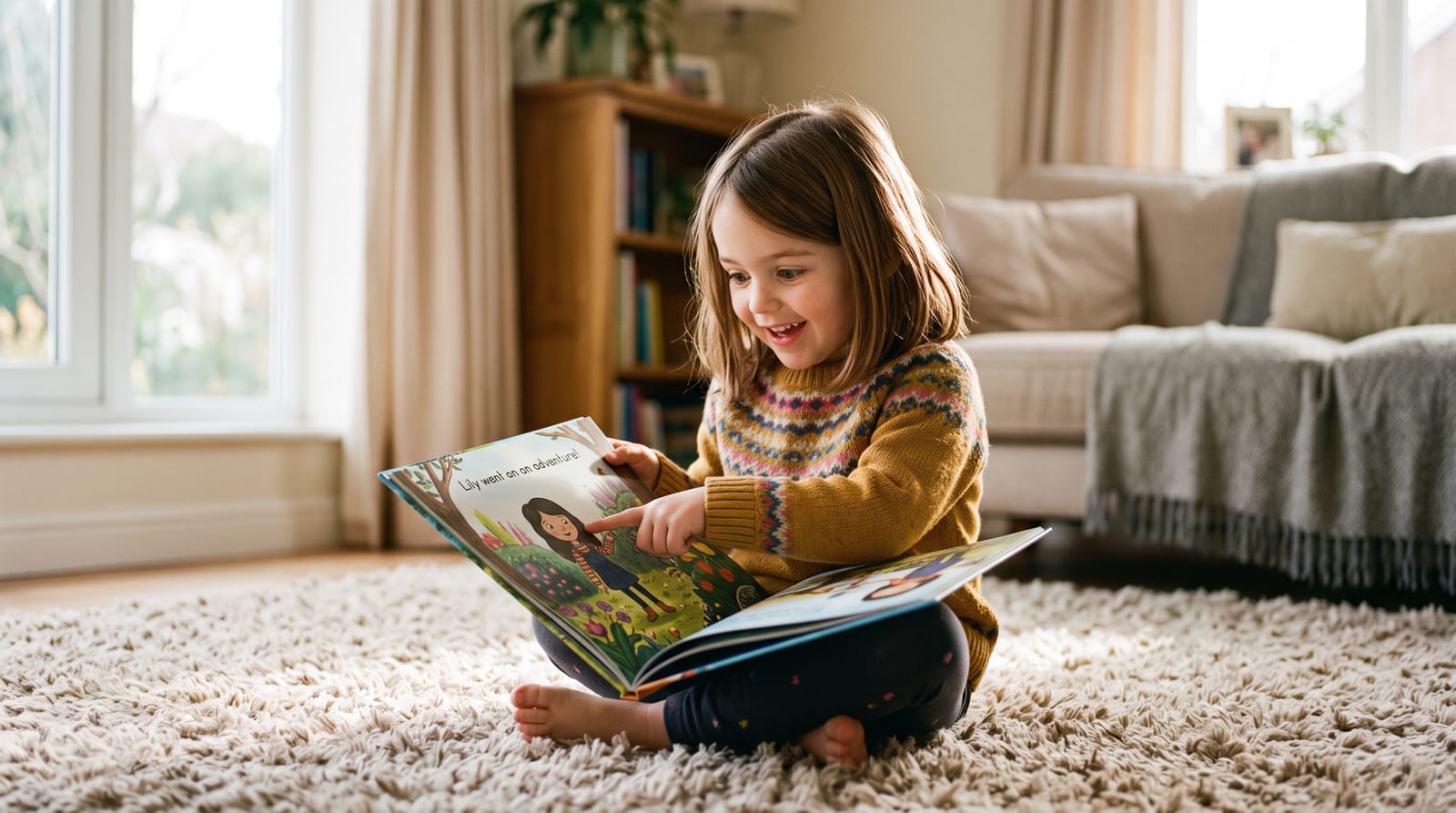
For decades, the traditional picture book has served as a gentle gateway to the world. It is the first medium through which a child learns that the sun can have a face, that animals might have secret lives, and that challenges can be overcome with a bit of pluck and a good friend. But as we move through {YEAR}, the landscape of children’s literature is undergoing a quiet but profound transformation. We are shifting from a culture of "watching a story" to one of "living a story."
At StorytimeHero, we believe that the most powerful narrative an individual can ever encounter is their own. When we look at the evolution of the modern picture book, we see a growing demand for stories that don’t just entertain, but actually ground a child in their own reality. By integrating personalization, the humble picture book becomes more than a bedtime ritual—it becomes a narrative anchor.
The Sensory Bridge: Connecting Imagination to Lived Experience
One of the most enchanting qualities of a high-quality picture book is its ability to transport a reader. Whether it is the crisp, biting air of a snowy New York City street at Christmas or the salty, humid breeze of a family beach day, the best illustrators and authors work tirelessly to evoke the senses. They want the reader to smell the pine needles and feel the sand between their toes.
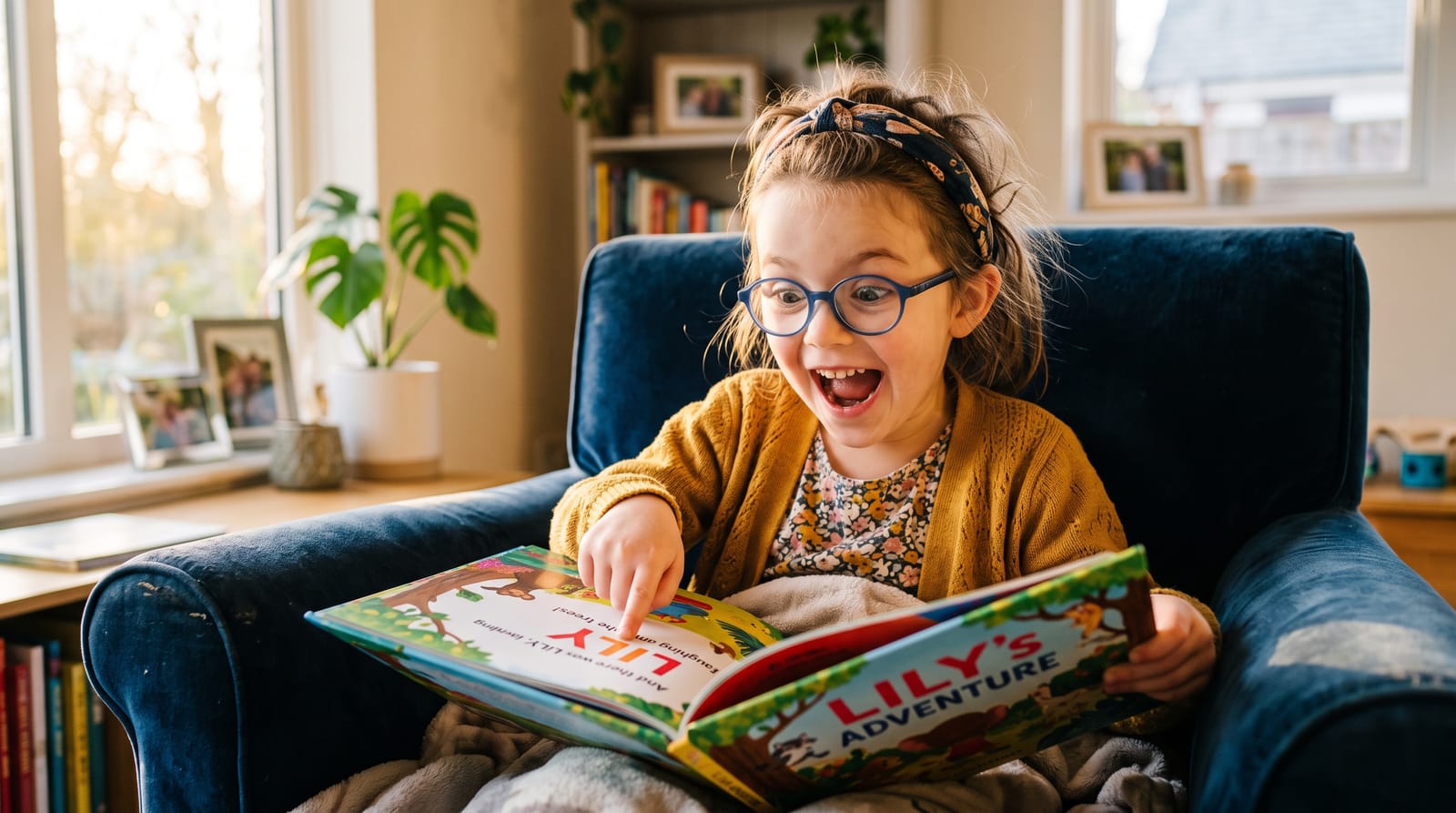
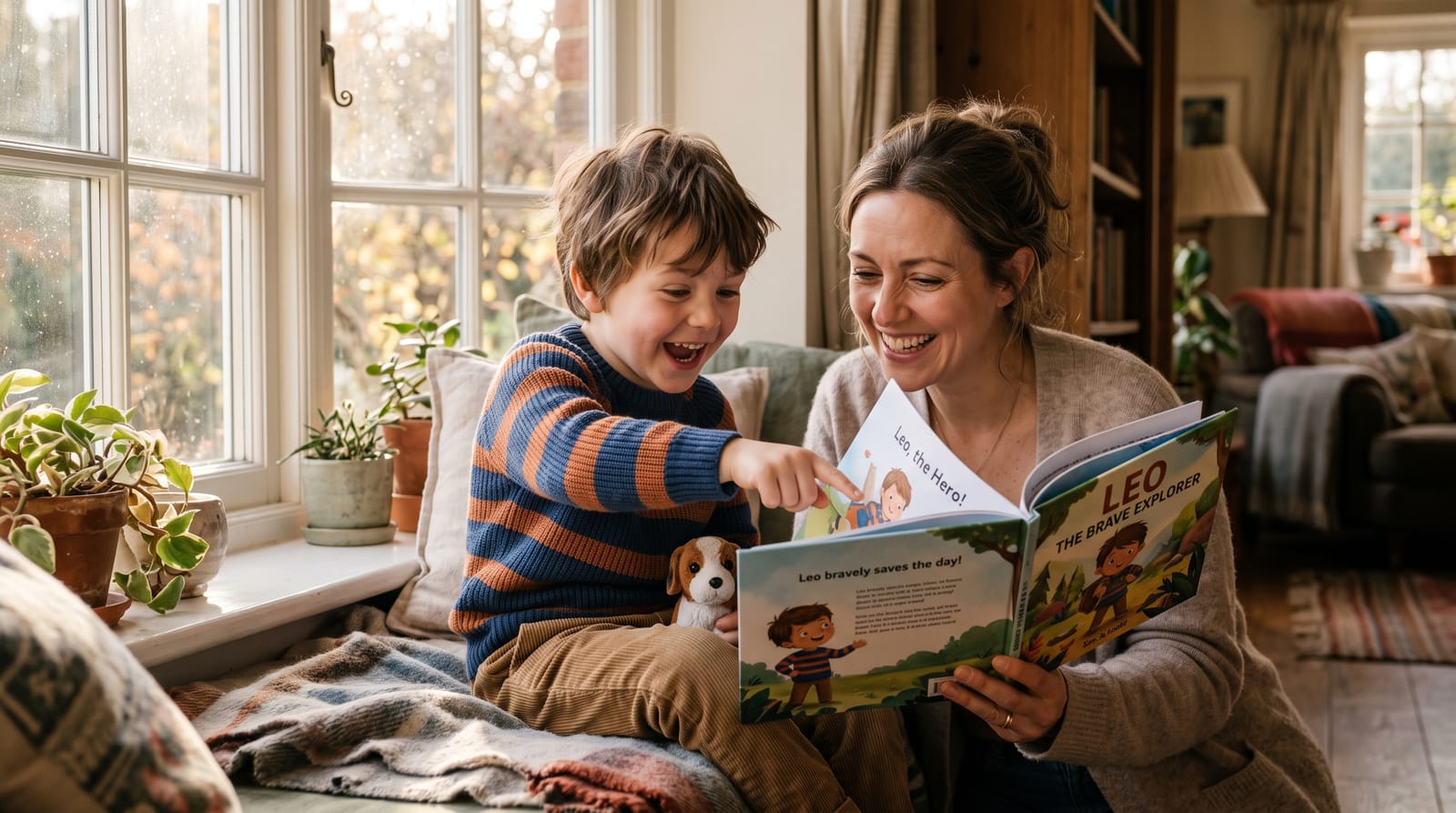
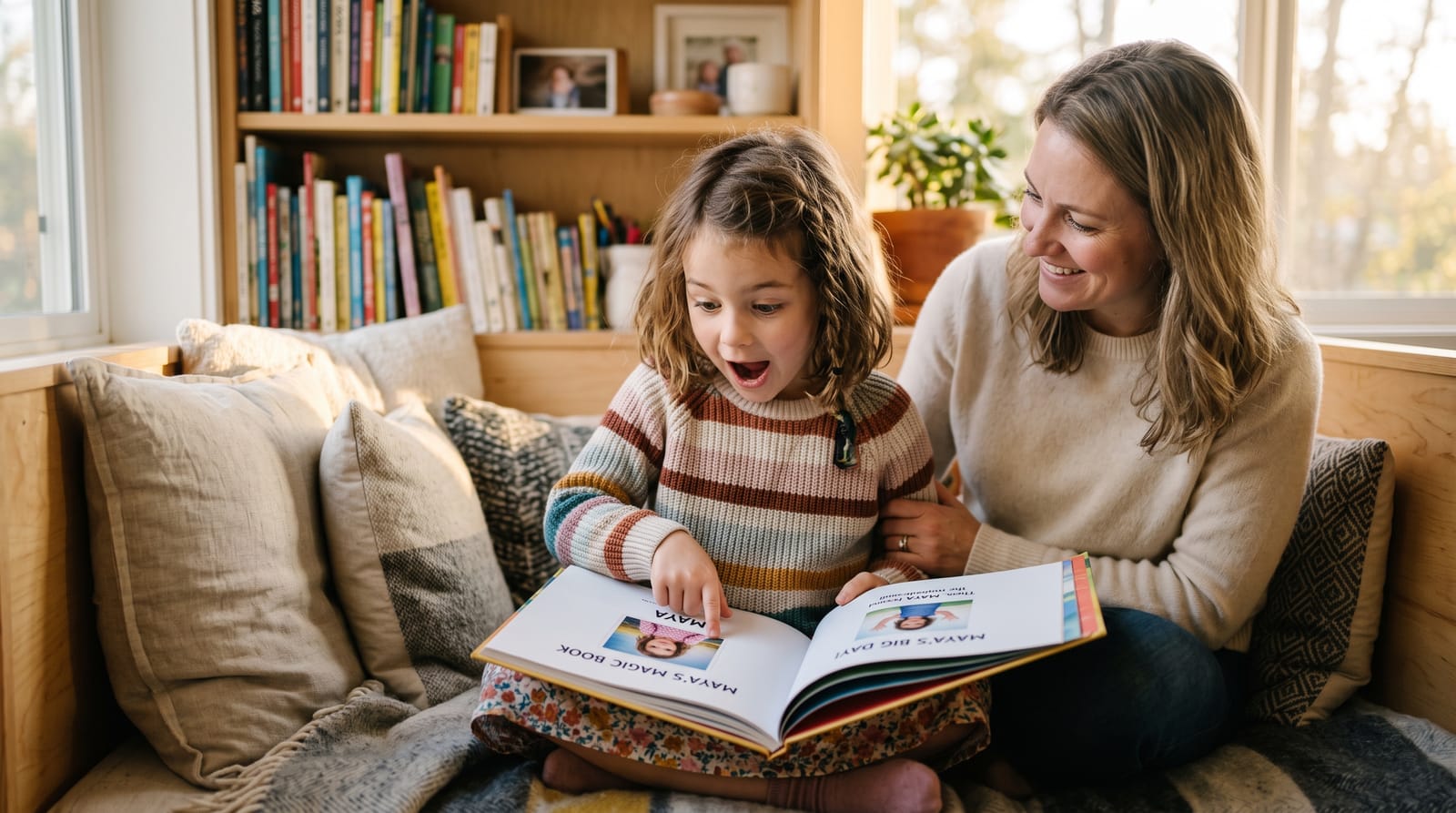
However, there is often a subtle "empathy gap" for young readers. When a child reads about a character named Maya or Leo visiting the ocean, they are observing someone else’s joy. They are learning about the world through a window. Personalized books turn that window into a mirror.
When a child sees their own name and likeness navigating a foggy morning on the coast or building a towering sandcastle, the sensory details of the story stick. The "salt air" isn't just a descriptive phrase; it becomes a memory of their trip. This connection is vital because it helps children bridge the gap between abstract concepts and their own physical world. It transforms the reading experience from a passive observation into an active, embodied memory.
Addressing Real-World Challenges Through Personal Representation
Modern picture books have become increasingly sophisticated in how they handle "big" topics for "little" people. We see books tackling everything from environmental responsibility and littering to the complexities of navigating food allergies or developing a growth mindset. These are not just stories; they are tools for survival and social integration.
Personalization takes these tools and sharpens them. Consider the challenge of a child navigating a new social dynamic or a health concern like a food allergy. A standard picture book might show a character successfully managing a birthday party despite their restrictions. It provides a helpful example. But a personalized book allows the child to see themselves as the problem-solver.
When the child is the protagonist, the "lesson" of the story isn't something being taught to them by an external figure; it is a capability they are discovering within themselves. This shift is essential for building resilience and emotional connection. By placing the child at the center of the conflict and the resolution, we provide them with a "narrative rehearsal" for real life. They aren't just reading about a growth mindset—they are practicing it in the safe confines of a story where they are already the hero.
Strengthening the Fabric of Family Traditions
Many of our most cherished memories are tied to recurring events: the annual summer trip to the shore, the specific way we decorate for the holidays, or the "best sandwich ever" that grandma only makes on special occasions. Traditional picture books often celebrate these themes of connection and extended family. They remind us that we belong to something larger than ourselves.
Personalized books take this a step further by documenting these traditions in a way that feels permanent. In an age where most of our family photos live behind a glass screen on a smartphone, a physical book that features the child alongside their parents, grandparents, or siblings is a rare and precious artifact.
These stories help in anchoring family identity by validating the child’s role within the family unit. When a book depicts a yearly tradition with the child as the lead, it reinforces the idea that their presence is a fundamental part of the family’s history. It isn't just a family going to the beach; it is our family, and this is how we love one another. This sense of belonging is a powerful shield against the anxieties of the modern world.
The Craft of Excellence: Why the "How" Matters
Creating a truly great picture book is an exercise in restraint and empathy. Authors and illustrators must constantly ask themselves: What does my audience need to see? How can I set the mood so they feel the magic of this moment? Whether it’s painting a winter scene in the heat of July or finding the perfect rhythm for a bedtime rhyme, the craft is what makes a book "excellent" rather than just "good."
At StorytimeHero, we apply this same level of intentionality to the personalization process. We understand that for a personalized book to be effective, the story must stand on its own merits. The personalization should feel like a natural extension of the narrative, not a gimmick.
We focus on creating "excellent" stories that serve as a canvas for the child’s life. By maintaining high standards for prose and illustration, we ensure that the book remains a "tippy-top favorite" on the shelf for years to come. We aren't just inserting a name into a template; we are elevating great children’s stories by making the child the heart of the creative work.
From Spectator to Protagonist: A New Era of Literacy
The shift toward personalized narratives represents a broader change in how we view early childhood literacy. We are moving away from the idea that reading is a skill to be mastered and toward the idea that reading is an identity to be claimed.
When a child is a reluctant reader, it is often because they haven't found a story that "speaks" to them. By using personalized adventure books for reluctant readers, we remove the barrier of entry. The motivation to find out what happens next is much higher when "what happens next" is happening to you.
This participatory revolution in picture books means that children are growing up with a different relationship to the written word. They see books as dynamic, inclusive, and personal. They learn that their stories are worth telling, and their experiences are worth documenting.
Conclusion: The Gift of Being Seen
Ultimately, the reason personalized books are so effective at addressing the needs of the modern picture book is that they fulfill a fundamental human desire: the desire to be seen and understood.
Whether it is through a story that helps a child navigate the foggy uncertainty of a new challenge or a vibrant tale that celebrates the joy of a family reunion, personalization adds a layer of validation that a standard book simply cannot match. It tells the child: You are here. You are important. You are the hero of this story.
As we continue to innovate at StorytimeHero, our goal remains the same: to provide parents and children with stories that don’t just sit on a shelf, but live in the heart. By turning the traditional picture book into a personalized journey, we aren't just changing how kids read—we’re changing how they see their place in the world.
---
FAQ: Common Questions About Personalized Picture Books
Q: Are personalized books only for younger children, or can older kids benefit too?
A: While picture books are traditionally aimed at the 3-8 age range, personalization has a profound impact on older children as well, especially those who may be struggling with self-esteem or reading confidence. Seeing themselves as the lead in a complex narrative can be a powerful "hook" for middle-grade readers.
Q: How do personalized books help with specific issues like anxiety or new experiences?
A: Personalized stories act as a form of "narrative therapy." By seeing a version of themselves successfully navigate a stressful situation—like a first day of school or a doctor's visit—the child builds a mental blueprint for success. It reduces the "fear of the unknown" by making the unknown feel familiar.
Q: Is the quality of the story sacrificed for the sake of personalization?
A: Not at StorytimeHero. We believe the story must be excellent first. Personalization is the "magic dust" that makes a great story even better, but it cannot replace strong character arcs, evocative language, and beautiful illustrations.
---
Related Reading
Free preview checklist
Get the personalized book gift checklist
Know what photo to use, what to write in the dedication, and what to review before ordering.