Navigating the Fantastic-Middle with Personalized Books | StorytimeHero
Start a cover preview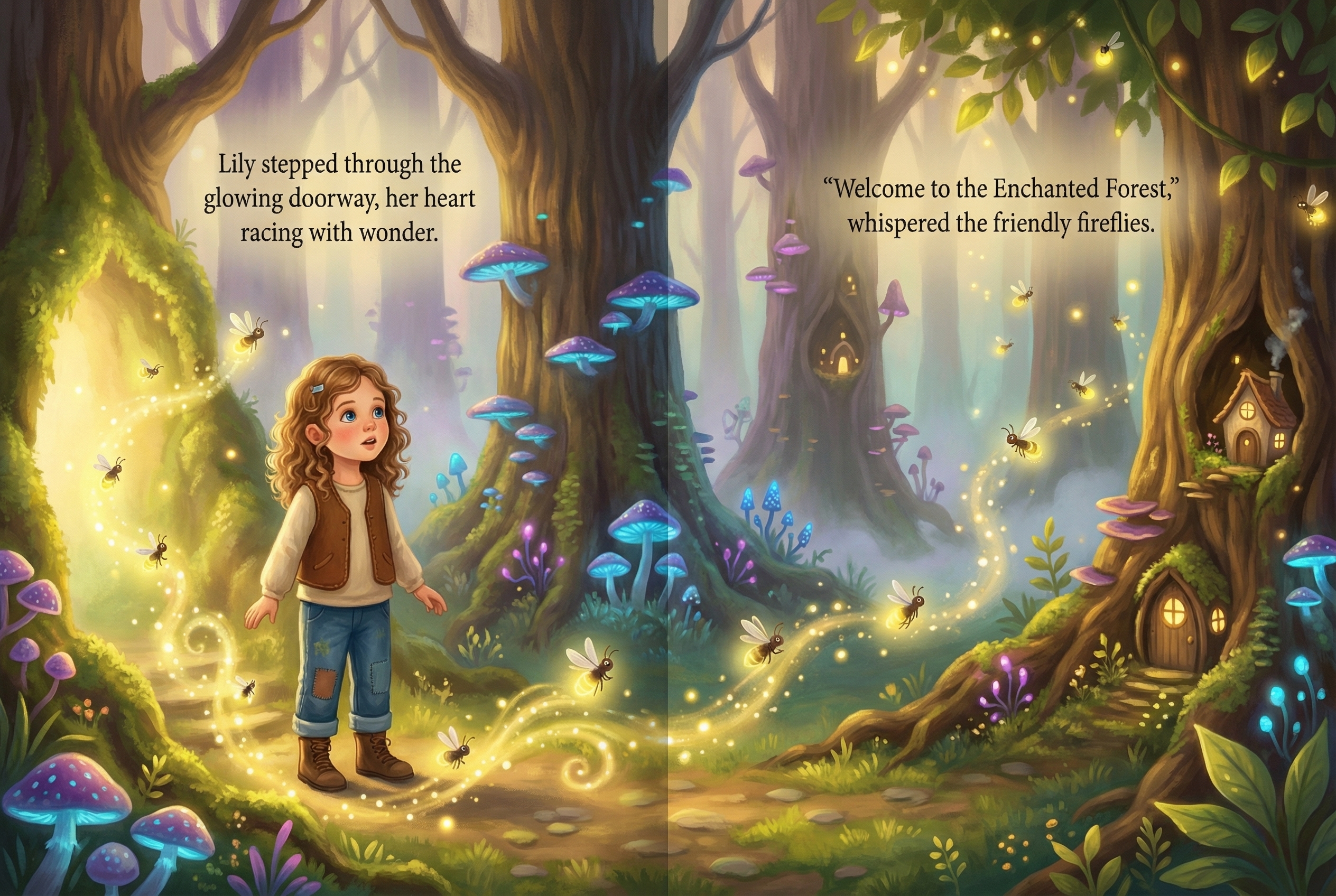
There is a particular window in a child’s life—often nestled between the early years of simple picture books and the complex emotional landscape of young adulthood—that educators and authors sometimes refer to as the "fantastic-middle." It is a stage defined by a voracious appetite for wonder, a burgeoning sense of self, and an intense curiosity about how one might fit into worlds far larger than their own backyard.
In this phase, children aren’t just looking for stories; they are looking for mirrors and maps. They want to know if they are brave enough to face a dragon, clever enough to navigate a galaxy, or resilient enough to protect a hidden world. This is where the power of personalized books truly shines. By placing the child at the center of these sprawling, imaginative narratives, we don't just give them a story—we give them a rehearsal for life.
Understanding the Fantastic-Middle: Why Fantasy Matters Now
The fantastic-middle isn't just a reading level; it’s a developmental milestone. As children move into upper elementary and middle-grade territory, their cognitive abilities expand. They begin to understand nuance, sacrifice, and the idea that heroes aren't always perfect.
Fantasy serves as the perfect playground for these realizations. When a story introduces a dragon, it isn’t just introducing a scaly beast; it’s introducing a metaphor for a big problem, a misunderstood friend, or a powerful force of nature. For a child navigating the social complexities of {YEAR}, these metaphors are often easier to process than the direct, sometimes harsh realities of the schoolyard or the news.
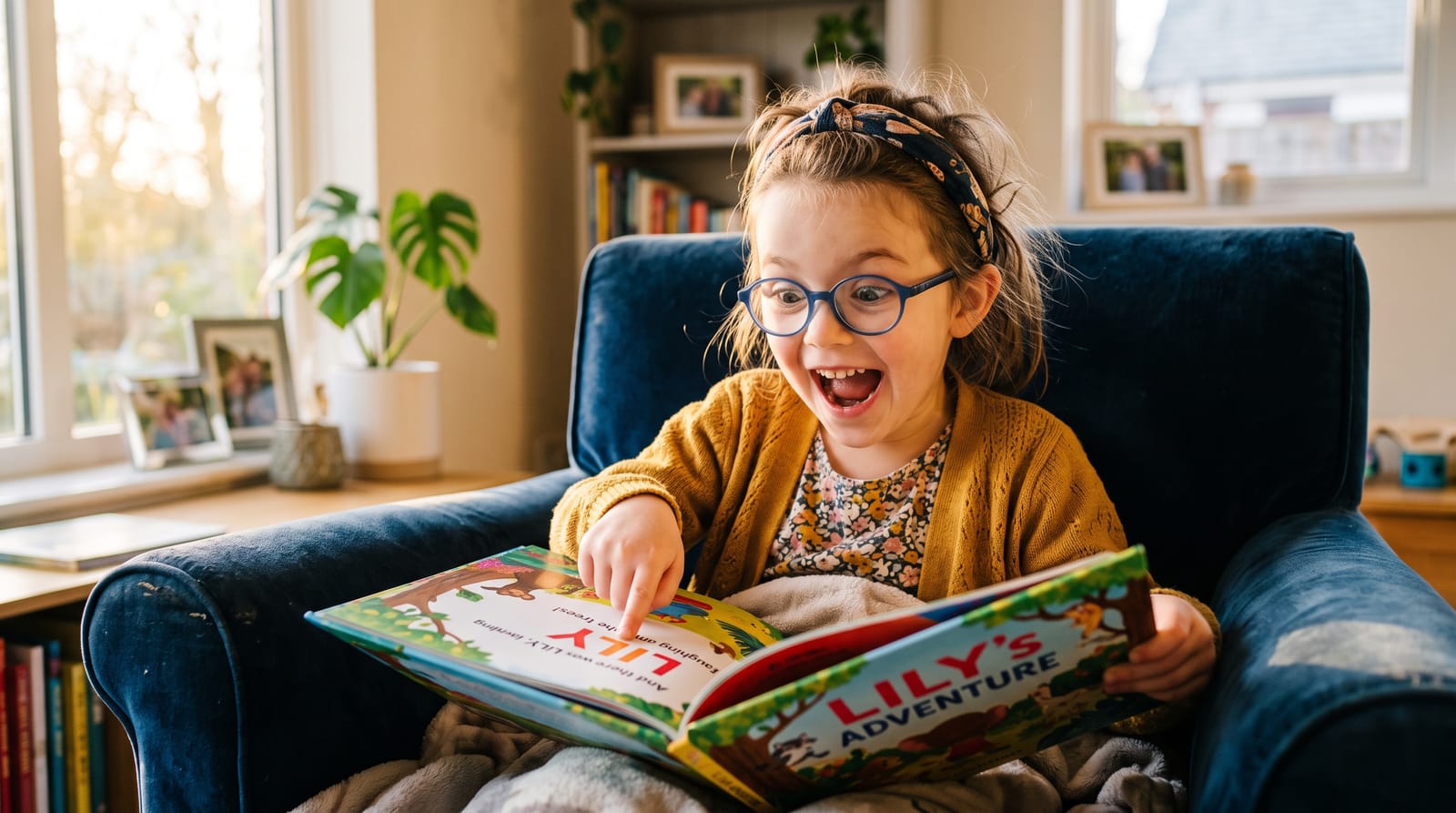
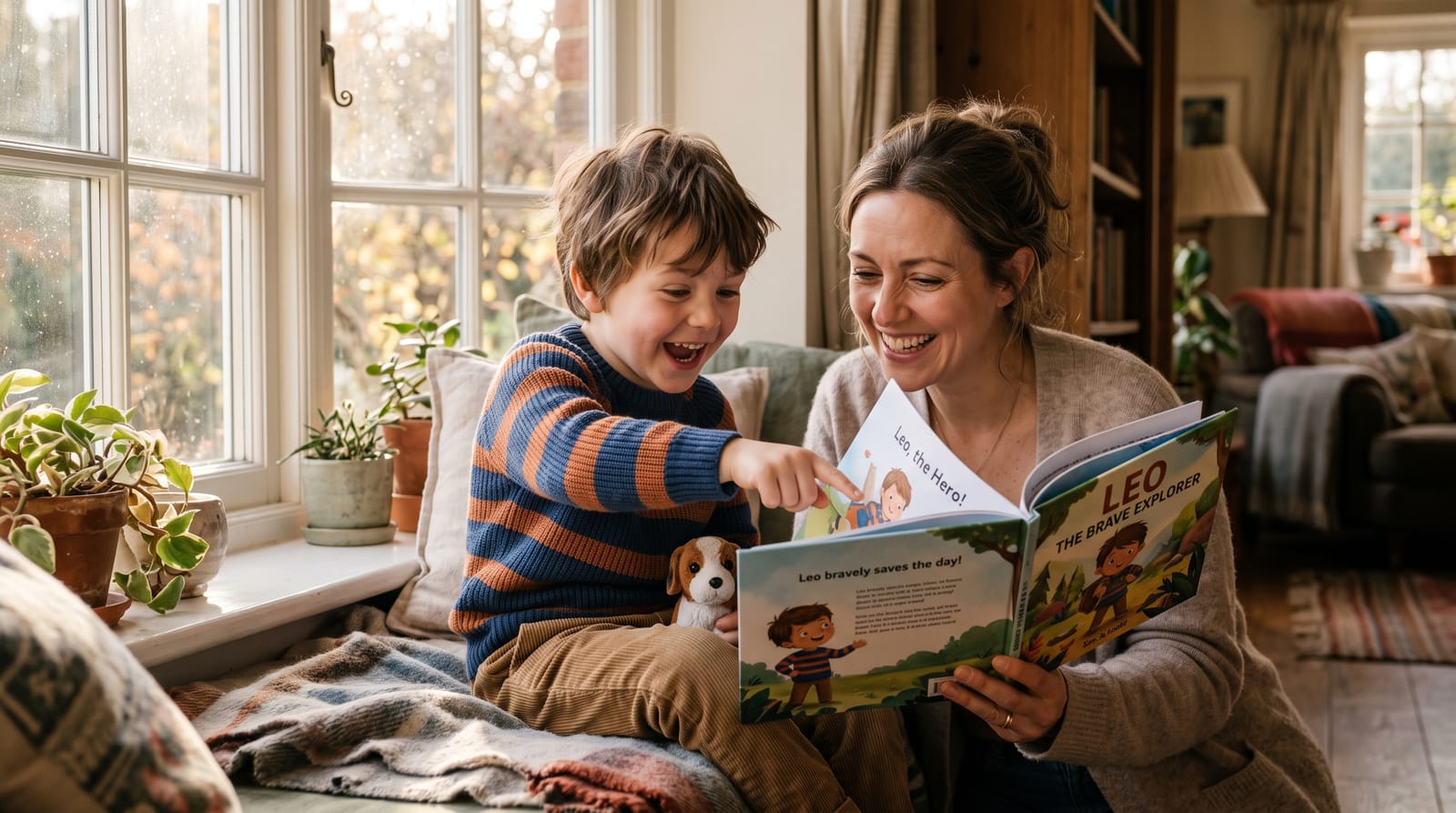
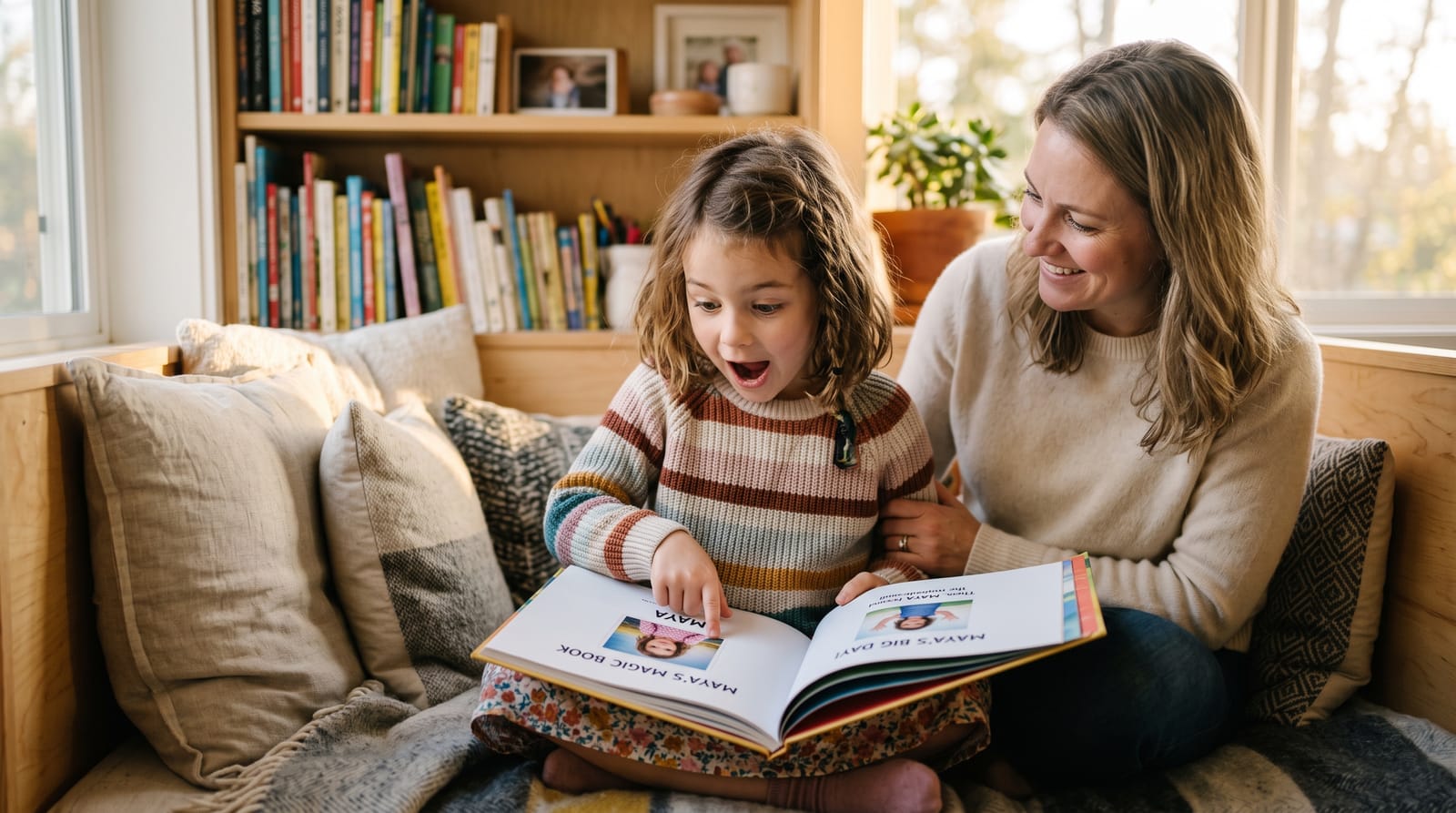
However, as stories become more complex, some children may feel a sense of distance. They might enjoy the adventure but struggle to see how a "chosen one" in a far-off land relates to their own life in the suburbs or the city. This is where personalization bridges the gap. When a child sees their own name and likeness confronting the "fantastic," the barrier between "them" and "me" evaporates.
The Dragon as Ally and Adversary: A Personal Journey
Dragons have long been the cornerstone of the fantastic-middle. They represent the ultimate "other"—creatures of immense power and ancient wisdom. In many classic tales, dragons are the obstacle to be overcome. They are the fire-breathing guardians of treasure that require the hero to find a reservoir of courage they didn’t know they possessed.
In other narratives, dragons become the ultimate companions. They are allies that allow the protagonist to soar, providing a sense of perspective and a bond that transcends species.
When we integrate personalization into these dragon-centric narratives, the emotional stakes are raised. A child isn't just reading about a boy or girl befriending a dragon; they are seeing themselves forming that bond. This helps in Supporting Independence with Personalized Books, as the child begins to associate their own identity with the traits of a dragon-rider: responsibility, empathy, and the courage to lead.
From Abandoned Mines to Outer Space: Expanding the Horizon
One of the most exciting aspects of the fantastic-middle is the sheer variety of settings. The "middle" reader is ready to leave the nursery behind and explore:
- Secret Archipelagoes: Hidden islands where mythical creatures like griffins and krakens still roam.
- Urban Fantasies: Magic hidden in plain sight, where a race through the streets of a modern city like San Francisco might involve ancient spirits.
- Cosmic Adventures: Stories that take the traditional "quest" and blast it into orbit, replacing horses with starships but keeping the heart of the journey the same.
Personalization acts as a "narrative anchor" in these vast settings. If a child is reading about a fox spirit in a distant galaxy, having their own identity woven into the prose provides a sense of safety. It allows them to explore the "away-story"—the journey far from home—while remaining grounded in their own reality. This is a key part of how Personalized Books & The Modern Picture Book are evolving to meet the needs of today's tech-savvy and globally-aware children.
Identity and the "Fox Spirit" Within
Many stories in the fantastic-middle category deal with themes of hidden identity. Perhaps the protagonist discovers they have magical heritage, or they must hide their true nature to fit into a society that doesn't understand them. These are powerful metaphors for the "middle" years, where children are often trying on different versions of themselves to see what fits.
By using StorytimeHero to create a narrative where the child is the one discovering these hidden depths, we provide a safe space for them to explore their own emerging identity. It validates the feeling that they, too, might have "magic" or unique talents that the world hasn't yet seen. This type of storytelling is instrumental in How Personalized Books Strengthen Family Identity, as it encourages parents and children to discuss what makes their own family "legendary" or unique.
The Role of Personalization in Literacy and Engagement
For many readers in the fantastic-middle, the transition from picture-heavy books to text-dense chapters can be daunting. This is the age where "reluctant readers" often emerge. The complexity of the plots can sometimes outpace their confidence.
Personalized books act as a powerful hook. When the protagonist shares the reader's name, the "fluency gap" often shrinks. The child is more motivated to decode the next sentence because they are literally reading about their own survival, their own friendships, and their own triumphs. This isn't just about vanity; it’s about cognitive engagement. The brain prioritizes information that is self-relevant.
At StorytimeHero, we’ve seen how this engagement transforms the reading experience from a chore into a quest. It turns the act of reading into an "embodied narrative," where the child isn't just observing the action but is actively participating in it. This is a core theme in our look at Embodied Narratives in Modern Picture Books.
Why the "Fantastic" Needs the "Personal"
You might wonder why we don't just let the stories stand on their own. After all, millions of children have loved dragons without being the protagonist of the book.
The answer lies in the modern landscape of childhood. Today’s children are inundated with content that is passive—videos, games, and social feeds that often make them feel like spectators in a world run by influencers and algorithms. Personalized books reclaim the child’s role as the "hero of the story."
In the fantastic-middle, where the themes are about saving worlds and discovering destiny, the personal touch reminds the child that they are not just a consumer of magic, but a creator of it. It grounds the "cosmic" in the "personal," ensuring that the lessons learned on the back of a dragon or in the depths of a magical island stick with them long after the book is closed.
Tips for Parents: Navigating the Fantastic-Middle
If you’re looking to introduce your child to the wonders of the fantastic-middle through personalized storytelling, here are a few ways to make the experience most impactful:
- Choose the "Ally" Dynamic: For younger children in this bracket, look for stories where the magical creature is a partner. This builds confidence.
- Discuss the "Away-Story": After reading, ask your child how they would have handled a specific challenge if it happened in real life. This helps bridge the gap between fantasy and reality.
- Celebrate the Heroism: Focus on the character traits the "personalized version" of your child displayed—bravery, kindness, or logic.
- Connect to Heritage: Use stories that feature folklore or spirits to talk about your own family's history and stories, further Strengthening Family Identity via Micro-Moments.
Conclusion: A Legacy of Wonder
The fantastic-middle is a fleeting but foundational time. By the time a child reaches their teenage years, the way they interact with stories will change again. But the seeds planted during this stage—the belief that they can face the unknown, that they can form bonds with the "other," and that they are the central figure in their own unfolding adventure—will remain.
Personalized books are more than just a gift; they are a testament to a child's potential. Whether they are racing through the streets of a magical city or exploring an abandoned mine for a sleeping dragon, they are learning that the most fantastic thing in any world is themselves.
---
FAQ: Parents' Questions About Personalized Fantasy
Q: Is my child too old for personalized books if they are in middle grade?
A: Not at all! While early personalized books focus on simple name recognition, middle-grade personalization focuses on identity and agency. At this age, children are more invested in the "hero's journey," making the personal connection even more meaningful.
Q: Can fantasy books help with my child's real-world fears?
A: Yes. Fantasy provides a "safe distance" to explore scary concepts. Facing a dragon in a book allows a child to practice the feeling of being brave, which they can then apply to real-world situations like starting a new school or trying a difficult hobby.
Q: How does StorytimeHero handle complex adventures?
A: We focus on high-quality narratives where the personalization feels organic to the plot. We ensure that the child isn't just a bystander, but the one making the pivotal choices that drive the adventure forward.
---
Related Reading
Free preview checklist
Get the personalized book gift checklist
Know what photo to use, what to write in the dedication, and what to review before ordering.