How Personalized Books Strengthen Family Bonds | StorytimeHero
Start a cover preview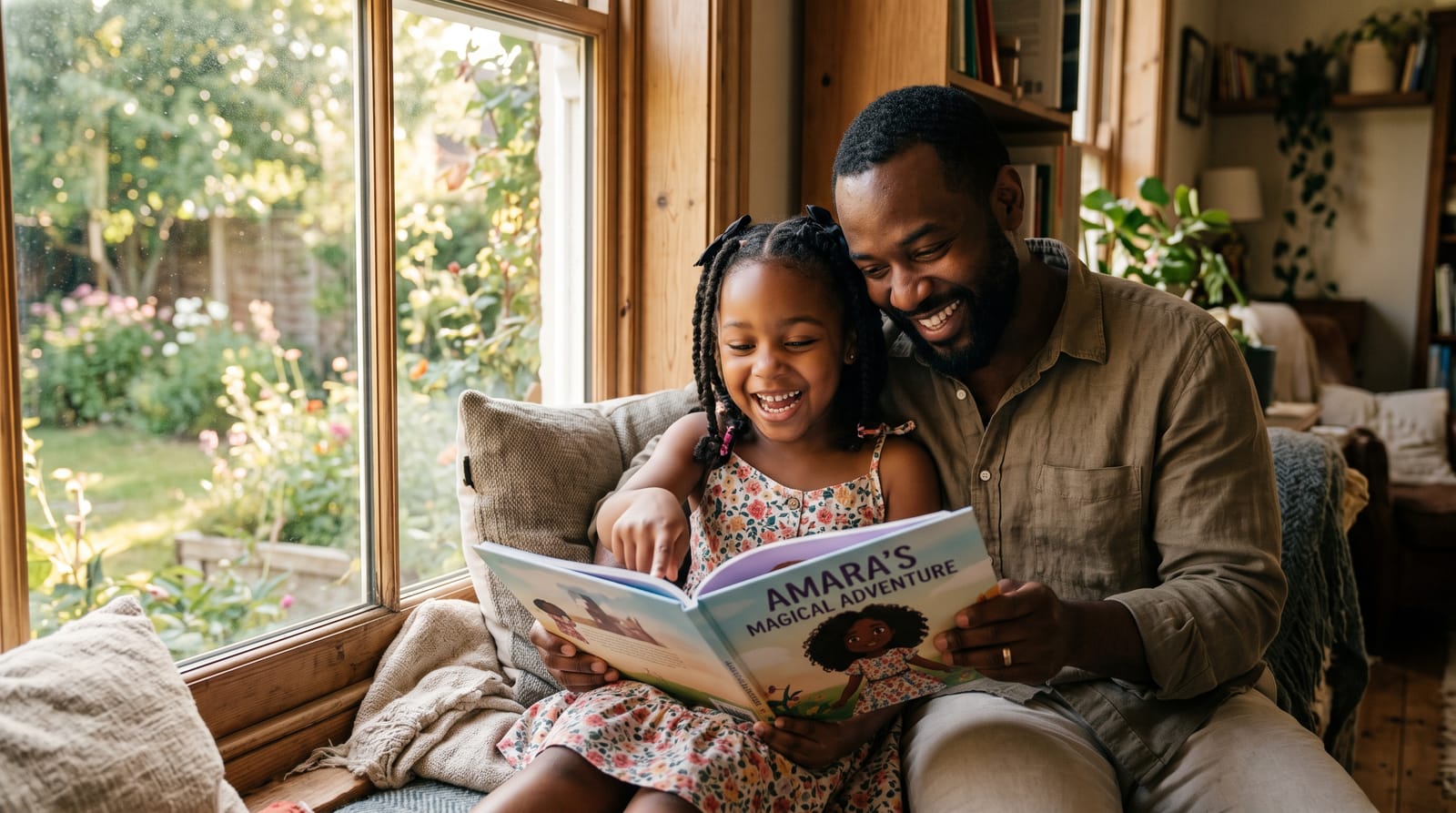
As the mercury rises and the routine of the school year fades into the rearview mirror, many parents find themselves navigating the "summer juggle." Between balancing work-from-home schedules and keeping the kids entertained, we often turn to the curated playlists of streaming giants to fill the gaps. Whether it’s a marathon of shark documentaries, a family-friendly sports event, or a nostalgic reboot of a prairie classic, media has a unique way of bringing us together in the living room.
However, there is a subtle but profound difference between watching a story unfold on a screen and seeing your family’s own identity woven into the pages of a book. While movies offer a shared window into other worlds, personalized books offer something far more intimate: a mirror.
In {YEAR}, the way we define and celebrate "family" is evolving. It is no longer just about who is in the picture, but how we articulate our shared history and values. Personalized storytelling has emerged as a powerful tool in this journey, helping children understand their place in the world and the strength of the bonds that hold them close.
Moving from Passive Consumption to Active Belonging
Modern family entertainment is increasingly diverse. We see this in the surge of programming that caters to specific interests—from competitive dancing and fashion design to investigative mysteries. These shows provide a "social currency" for families, giving parents and children a common language to discuss bravery, creativity, or teamwork.
But as enriching as these programs can be, they remain external narratives. The child is an observer of Enola Holmes’ wit or the resilience of a prairie family. When we transition to personalized books, the child moves from the audience to the center of the stage. This shift is transformative for a child’s development.
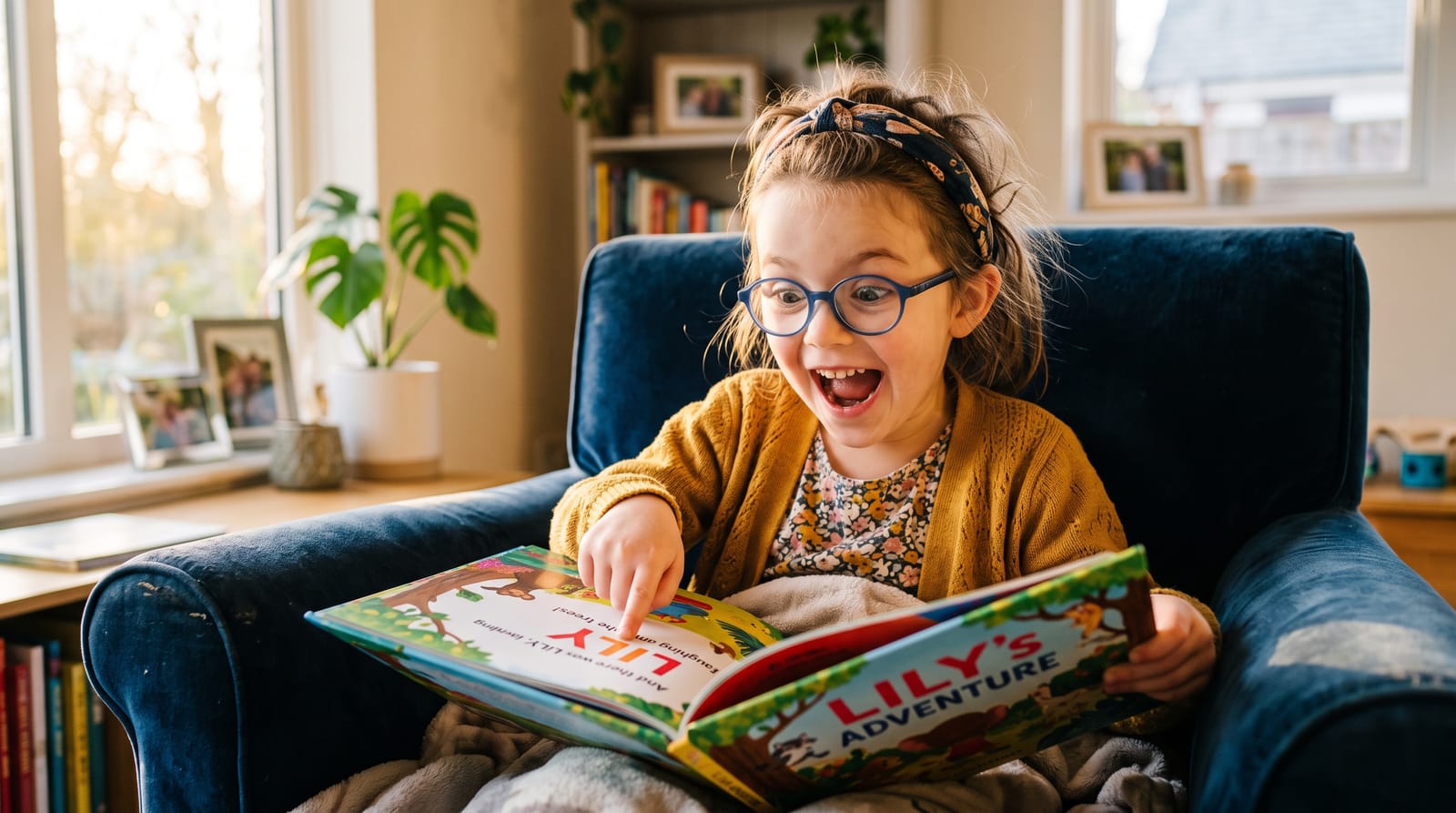
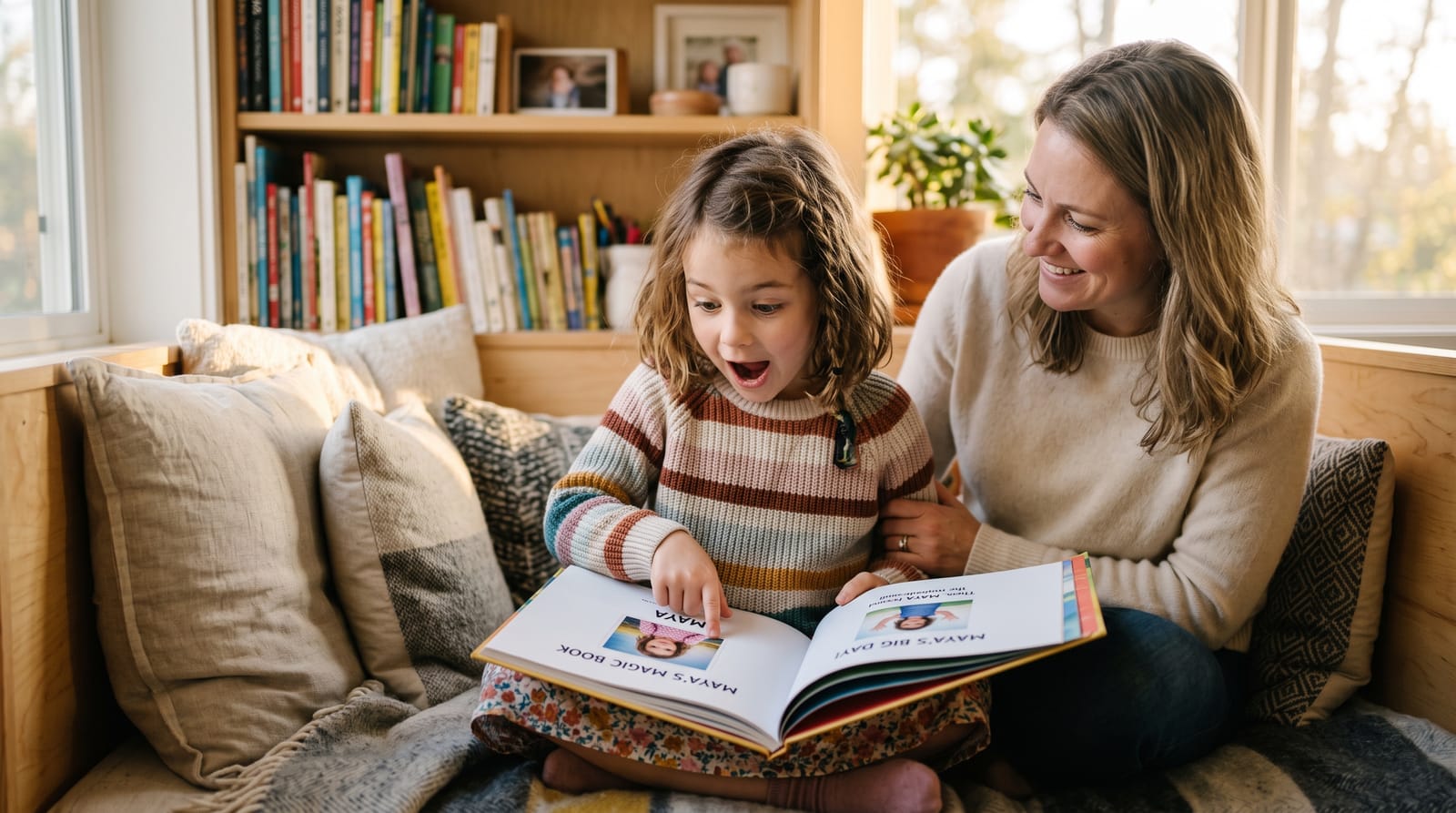
When a child sees their own name, their likeness, or even their specific family members reflected in a narrative, the brain processes the story differently. It is no longer just "a story"; it is "my story." This sense of ownership fosters a deep-seated feeling of belonging. In a world that often feels fast-paced and digital, having a physical book that validates their existence within the family unit provides a necessary anchor.
The Power of Representation in the Family Narrative
Recent conversations among authors have highlighted a critical truth: stories are most impactful when they reflect the lived experiences of their readers. This is particularly true when it comes to representing disability, diverse family structures, and unique cultural backgrounds.
Every family has its own "thread"—a unique set of challenges, triumphs, and quirks that make it whole. Traditional publishing, while making strides, often relies on broad strokes to appeal to the masses. StorytimeHero and the world of personalized books address this by allowing the narrative to be as specific as the family reading it.
For a child who might not see their specific family dynamic reflected on a popular streaming service, a personalized book serves as a vital correction. It says, "Your family is worthy of being the hero of a legend." This validation is essential for building self-esteem and resilience. It helps children navigate the complexities of modern life by reminding them that they are part of a supportive, recognized, and celebrated unit.
Bridging the Gap Between Nostalgia and Innovation
Many of us look back fondly on the stories of our own childhood—the tales of adventure on the open plains or the simple lessons of a neighborhood street. We want to share that magic with our children, but we also want to provide them with something that resonates with their current reality.
Personalized books act as a bridge between these two worlds. They take the timeless appeal of the "hero’s journey" and update it with the technology of today. By integrating a child’s modern life into a classic story structure, we create a "portable heritage." This isn't just a book that will be read once and forgotten; it is a keepsake that carries the weight of family identity into the future.
This connection is explored further in our look at the portable heritage and family identity, where we discuss how these stories become the myths and legends of a household.
Creating "Micro-Moments" of Connection
In the heat of mid-July, when the "brain rot" of too much screen time starts to set in, the quiet intervention of a book can reset the household energy. While a 90-minute movie is a commitment, a personalized book allows for what we call "micro-moments" of connection.
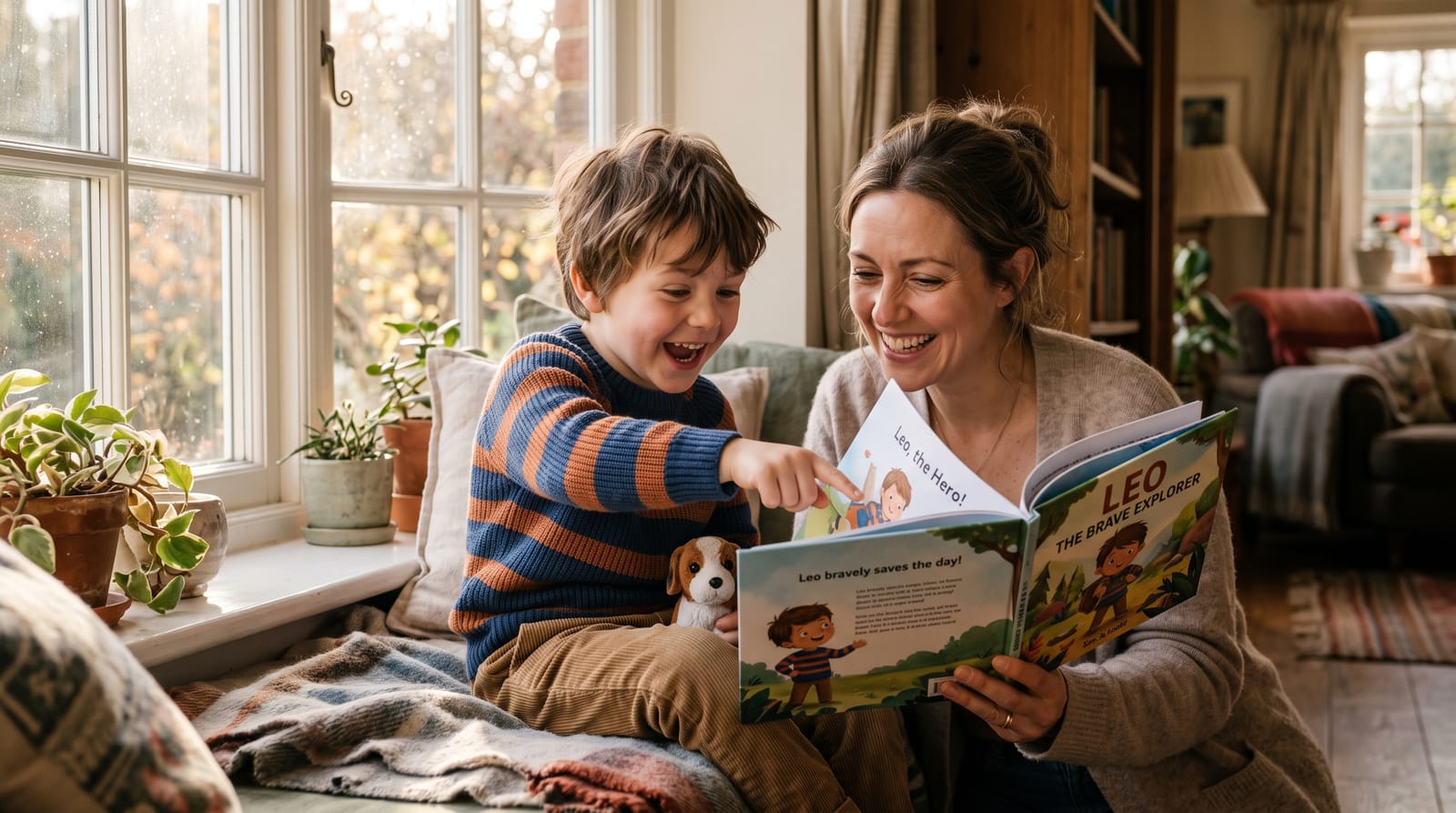
These are the five minutes before a nap or the ten minutes after dinner where a parent and child can sit together and explore a world built specifically for them. In these moments, the book acts as a catalyst for conversation. A story about a magical quest might lead to a discussion about a real-life challenge the child is facing. A tale about a pet sidekick might spark a memory of a beloved family animal.
By strengthening family identity via micro-moments, we are essentially building a reservoir of positive associations. These small, consistent interactions are the bricks and mortar of a child’s emotional security.
Beyond the Name: The Depth of Personalization
When people think of personalized books, they often think of a simple "search and replace" where a name is swapped out. But the future of the medium—and what we strive for at StorytimeHero—is much deeper. It’s about addressing modern family life in a way that feels authentic.
True personalization considers the emotional landscape of the family. It’s about:
- Validation: Acknowledging the child’s specific role in the family (the brave big brother, the curious youngest daughter).
- Context: Placing the child in environments that feel familiar yet fantastic.
- Legacy: Creating a narrative that can be passed down, showing future generations who their ancestors were in the eyes of a story.
This depth of connection is why personalized books are becoming a staple in the modern home library. They aren't just gifts; they are tools for validating modern families in all their beautiful, complex forms.
Why Personalized Books Outlast the Summer Trends
Trends in movies and television are often ephemeral. The "must-watch" show of this July will likely be replaced by something else by next year. However, the story of a child’s own bravery or their family’s shared adventure has no expiration date.
As children grow, their relationship with their personalized book changes. A toddler might enjoy pointing at their picture and hearing their name. A school-aged child might begin to read the words themselves, gaining confidence as they narrate their own adventures. A teenager might look back at the book as a nostalgic reminder of the safety and love of their early childhood.
In a world of "content," personalized books offer "connection." They provide a screen-free sanctuary where the family is the most important thing in the universe.
FAQ: What Parents Ask About Personalized Family Books
Related Reading
If you enjoyed this exploration of family and storytelling, you might find these articles helpful:
- Small Moments, Big Impact: Family Connection in {YEAR}
- How Personalized Books Strengthen Family Identity
- Personalized Books and Family Identity: Mapping Belonging
- How Personalized Books Validate Modern Families
Conclusion: Investing in the Narrative of Home
As we navigate the busy summer months and the years beyond, it’s easy to get caught up in the latest trends and the constant stream of new content. But the most important stories will always be the ones told within the four walls of our own homes.
By choosing personalized books, we are making a conscious decision to prioritize our children’s sense of belonging. We are telling them that their lives are interesting, their families are strong, and their stories are worth printing. Whether it’s a rainy afternoon or a quiet bedtime, these books ensure that the hero of the story is always right where they belong: home.
Free preview checklist
Get the personalized book gift checklist
Know what photo to use, what to write in the dedication, and what to review before ordering.