Solving the Modern Picture Book Dilemma | StorytimeHero
Upload a photo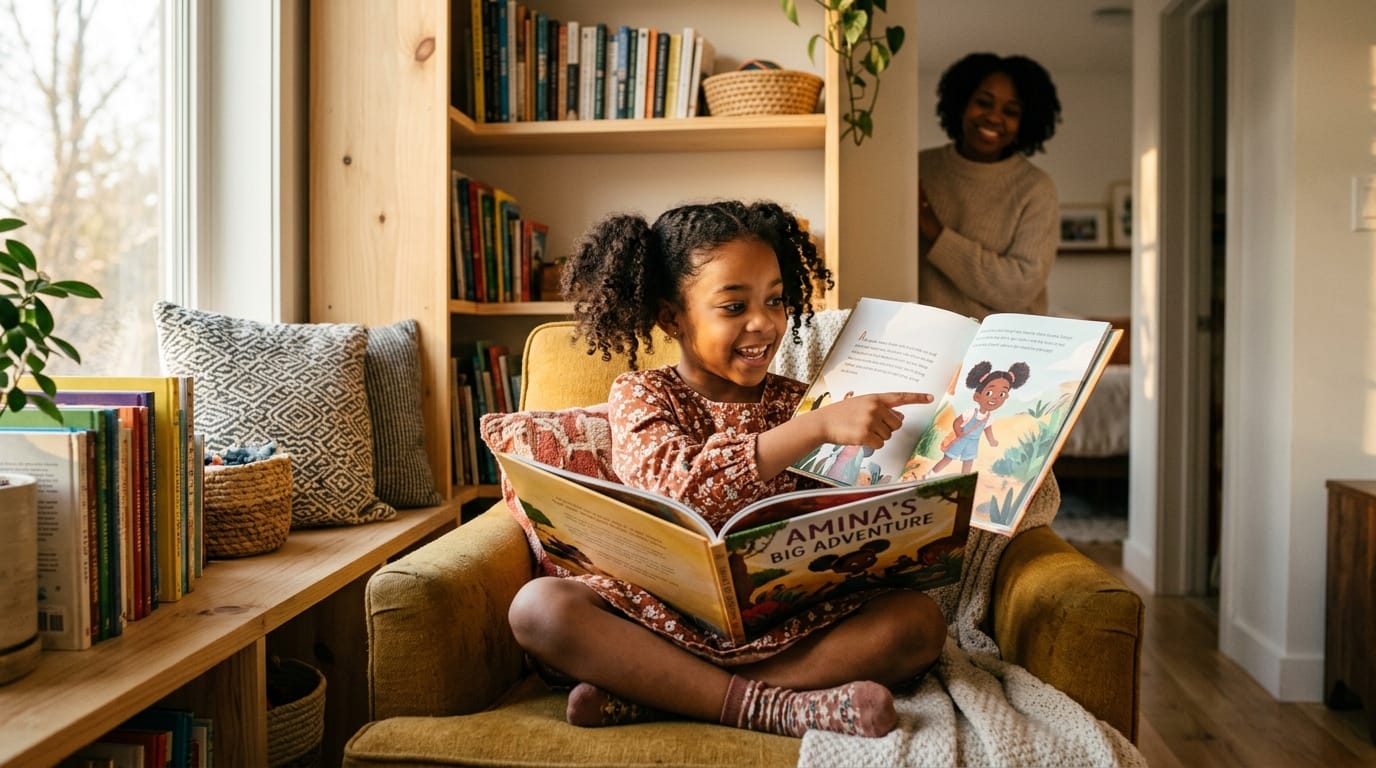
For decades, the standard picture book has served as a cornerstone of childhood. We remember the smell of the paper, the vibrant hues of the illustrations, and the steady rhythm of a caregiver’s voice. These books are more than just stories; they are our first maps of the world. However, as we move through {YEAR}, many parents are noticing a widening gap between the "classics" on their shelves and the reality of the world their children are inheriting.
The modern landscape of parenting is complex. We are navigating a world that feels increasingly isolated, yet we are more connected than ever. We are striving for deep representation while moving away from outdated tropes that no longer serve our children’s emotional development. This is where the evolution of the picture book takes a fascinating turn. By shifting from a static experience to a personalized one, we aren't just changing the name on the cover—we are fundamentally solving the "relevance gap" that traditional media often leaves behind.
The Neighborly Gap: Cultivating Community in an Isolated Age
One of the most profound shifts in the modern era is how we interact with our physical communities. Many of us grew up in an era of "open-door" neighborhoods, where a phone tree was the primary social network and unexpected visits were the norm. Today, we live in a world of digital convenience. We can order groceries, dinner, and even furniture without ever making eye contact with another human being.
While this independence is convenient, it creates a vacuum for our children. If they don't see us "showing up" for our neighbors in traditional ways, how do they learn the art of community?
Standard picture books often depict idealized versions of neighborhoods that may feel foreign to a child living in a high-rise or a suburban cul-de-sac where everyone stays behind a fence. Personalized books address this by placing the child directly into the role of the "helper." When a child sees themselves in a story, performing small acts of kindness for people who look like their real-world neighbors, the concept of community moves from an abstract idea to a personal mission.
By utilizing personalized books, parents can bridge this gap. Instead of reading about a fictional character being a "good neighbor," the child becomes the protagonist who learns to look for the helpers—and eventually, becomes one themselves. This transition from spectator to participant is essential for building the social safety nets of the future.
Moving Beyond the "Giving Tree" Mentality: Reciprocity and Boundaries
Many of us hold deep nostalgia for the books of our own youth. However, as we revisit these classics with the perspective of modern psychology, some of them don't quite hold up. Consider the traditional narratives of "ultimate sacrifice" often found in older literature—stories where one character gives everything until they are literally a stump, and the other character simply takes.
In {YEAR}, we understand more about the importance of reciprocity, emotional intelligence, and healthy boundaries. We want our children to be generous, yes, but we also want them to understand that love should not be a one-way street of depletion.
This is a specific area where StorytimeHero and the wider world of personalization shine. Because these stories are crafted with a modern lens, they can emphasize mutual respect. When a child is the star of the story, the narrative can focus on collaborative problem-solving rather than self-erasure. These books allow families to build new traditions that reflect contemporary values of gratitude and balance, ensuring that the lessons learned at bedtime are the ones we actually want them to carry into adulthood.
For more on how this shift is happening, explore The Evolution of the Picture Book in {YEAR}.
Representation as a Daily Practice, Not a Monthly Event
There has been a wonderful push in recent years to highlight diverse voices during specific months of the year—celebrating female athletes in March or Black history in February. While these initiatives are vital, representation is most effective when it is a consistent, year-round presence in a child’s library.
The traditional picture book industry is making strides, but it can still feel like a "special occasion" when a child from a marginalized background sees a hero who looks like them. Personalization circumvents the slow-moving wheels of traditional publishing. It allows every child to see themselves as the champion athlete, the intrepid scientist, or the brave explorer every single night.
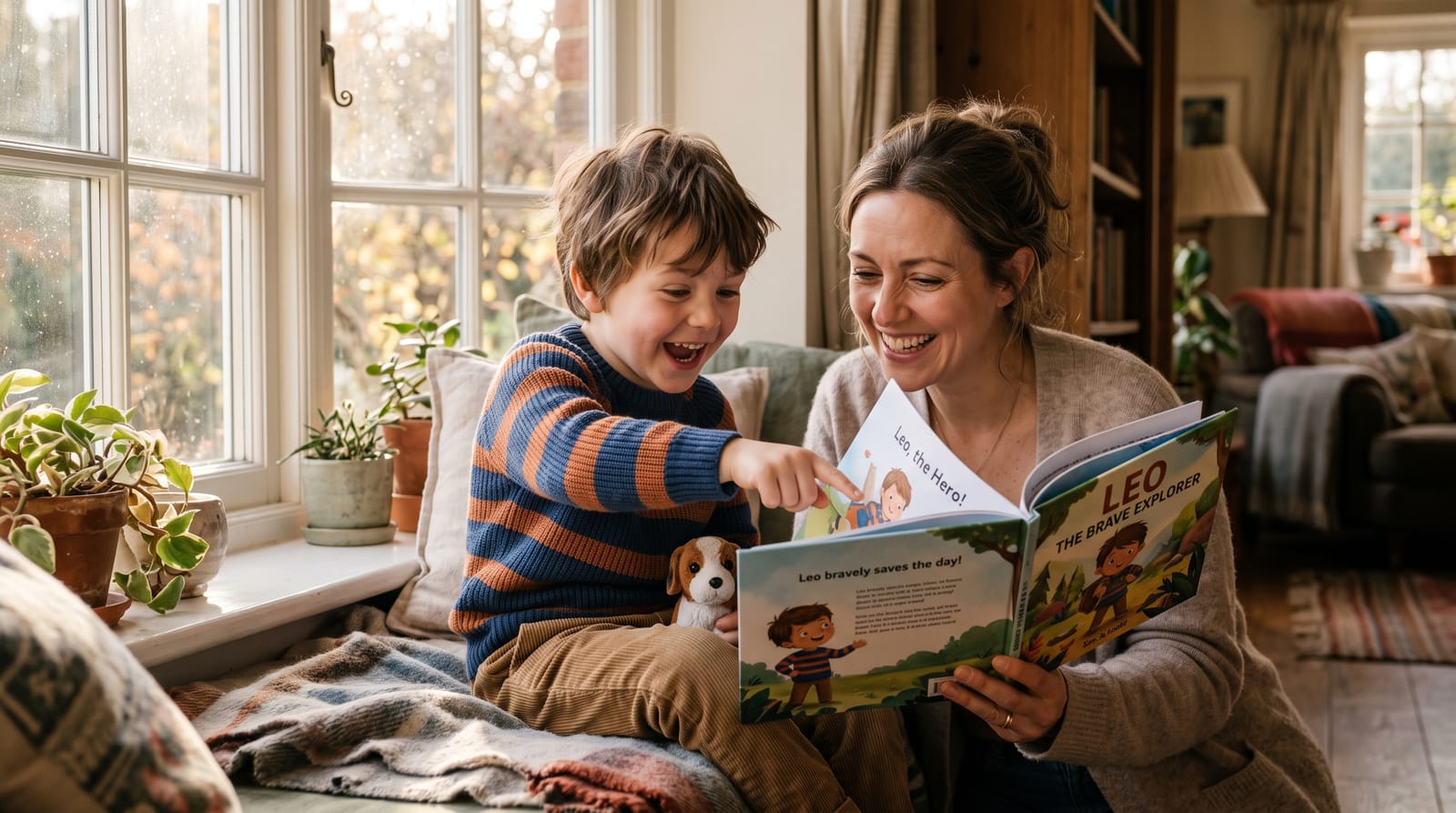
When a young girl reads a story where she is the one solving a complex "problem" (like a difficult rock-climbing route or a math equation), she isn't just reading about a female athlete—she is the athlete. This "embodied" reading experience helps dismantle stereotypes before they can even take root. It shifts the narrative from "Look at what she did" to "Look at what I can do."
You can dive deeper into this concept in our guide on Personalized Books: Representation and Embodied.
The Psychology of the "Main Character"
Why does it matter so much if a child’s name and likeness are in the book? From a developmental standpoint, the "self-reference effect" is a powerful tool. Humans are neurologically wired to remember information more effectively when it relates to them personally.
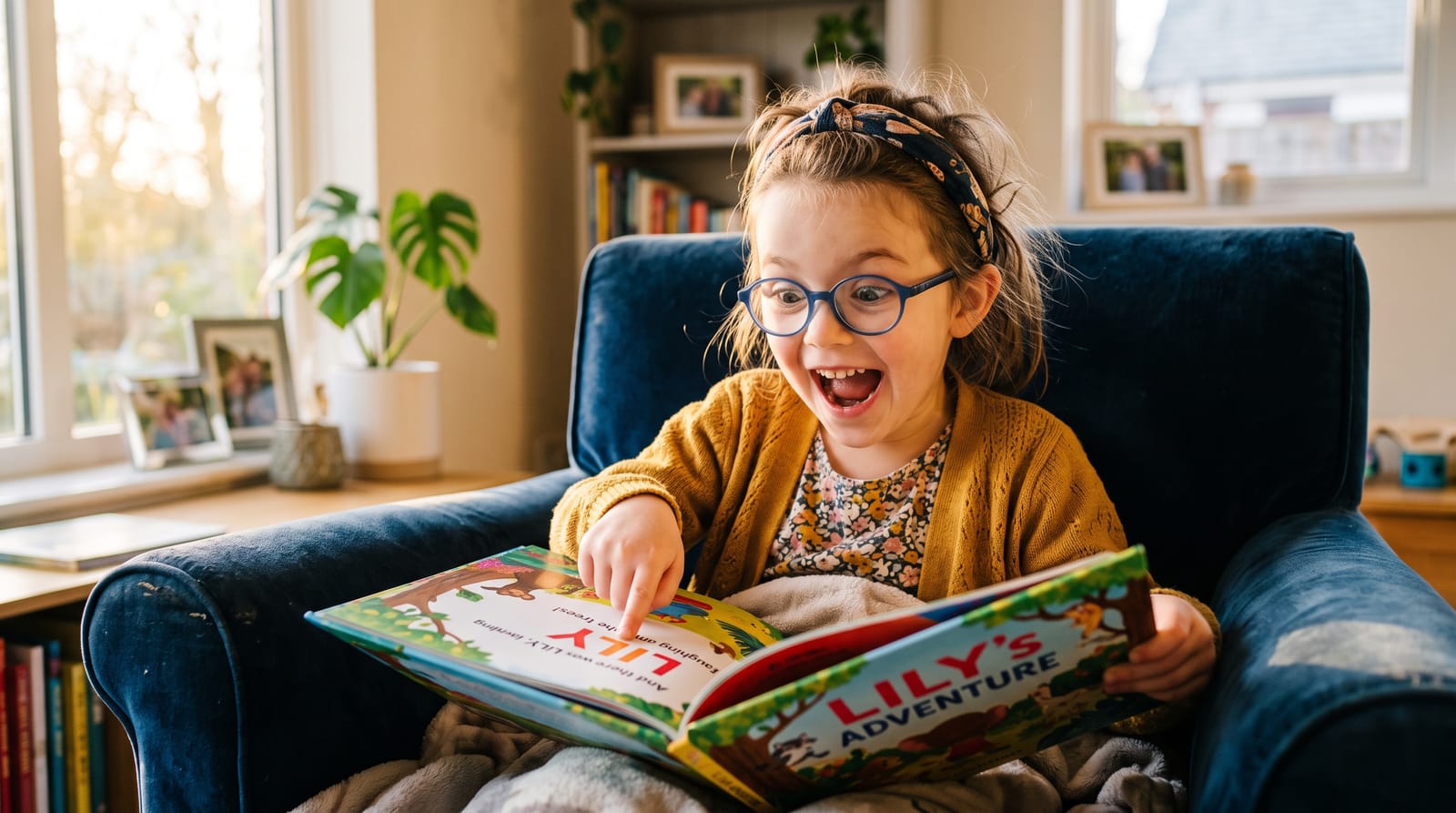
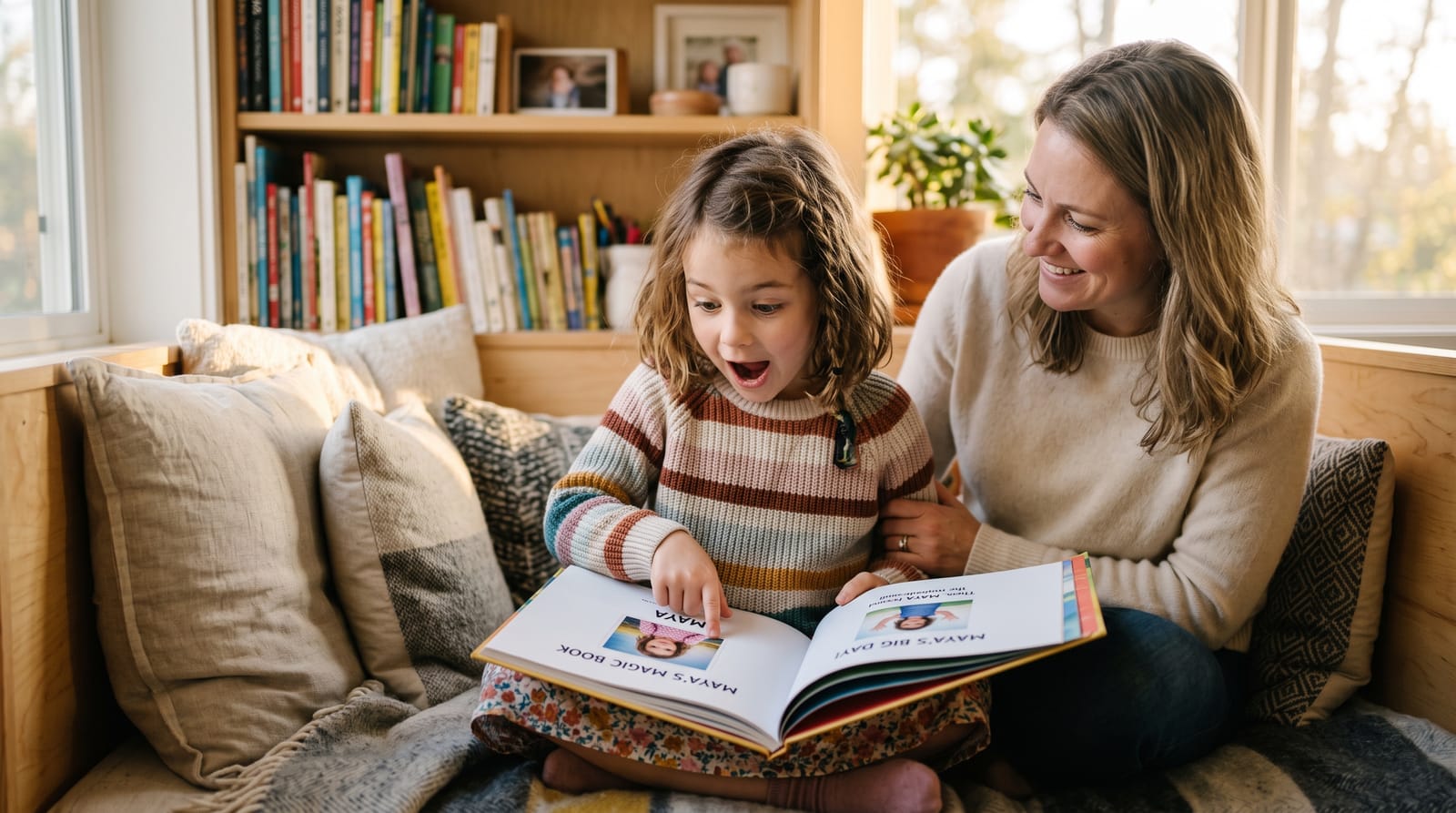
In a standard picture book, a child must perform a mental leap to empathize with the character. They have to think, "If I were a rabbit, how would I feel?" While this is great for developing empathy, personalization adds a layer of "identity rehearsal." When the story says, "[Child's Name] was brave even when the shadows were long," the child isn't just learning about bravery; they are claiming bravery as a part of their own identity.
This makes personalized books particularly effective for:
- Navigating Transitions: Helping a child visualize their first day of school or a move to a new house.
- Building Resilience: Rehearsing how to handle failure or "falling down" in a safe, narrative environment.
- Literacy Engagement: Children are naturally more drawn to text that features their own name, which can be a massive boost for early readers who may otherwise struggle with engagement.
To understand how this changes the narrative structure, check out How Personalized Books Redefine the Picture Book.
Crafting Your Family’s "Living Library"
We often think of a home library as a collection of static objects—books that sit on a shelf and wait to be read. But in the age of personalization, we should think of it as a "living library." This is a collection of stories that grow, change, and adapt to the family’s current needs.
If your family is focusing on being more present and less "hyper-independent," you can choose stories that emphasize togetherness. If you are trying to encourage a love for STEM or sports, you can place your child in the middle of those worlds.
StorytimeHero aims to provide these "doorway" experiences. We believe that every child deserves to be the hero of a story that feels relevant to their life today, not just a relic of a previous generation’s world. By integrating these custom narratives with your favorite modern classics, you create a balanced literary diet that nourishes both the imagination and the ego in the healthiest way possible.
Practical Tips for Modernizing Your Child's Reading Routine
- Audit the "Values": Occasionally, look at your child's favorite books through a modern lens. Do the characters practice kindness? Is there a balance of giving and receiving? Use these observations to choose your next personalized adventure.
- Mix the Old with the New: You don't have to throw out the classics. Use them as a point of comparison. "In this book, the character did X. In your book, you did Y. Which one felt more helpful?"
- Focus on "The Helpers": When reading, point out the background characters who are making the community work. Then, find a personalized story that allows your child to take on one of those roles.
- Read Deeply All Year: Don't wait for a specific holiday to introduce stories about different cultures, abilities, or genders. Make diversity the "default" setting of your bookshelf.
As we look toward the future of children's literature, the trend is clear: the most impactful stories are the ones that invite the reader to step inside. The picture book isn't disappearing; it is simply evolving to become more inclusive, more psychological, and more personal.
Frequently Asked Questions
Related Reading
- Modernizing the Picture Book with Personalization
- How Personalization Solves the Modern Picture Book Dilemma
- The Evolution of the Modern Picture Book
- How Personalized Books Redefine the Picture Book
By embracing the shift toward personalized narratives, we aren't just giving our children a book; we are giving them a vision of who they can be in an ever-changing world. Whether it's learning to be a better neighbor or seeing themselves as a champion, the power of the picture book has never been more personal.
Free preview checklist
Get the personalized book gift checklist
Know what photo to use, what to write in the dedication, and what to review before ordering.