Books for Kids Dealing with Grief (Gentle Approach)
Start a cover preview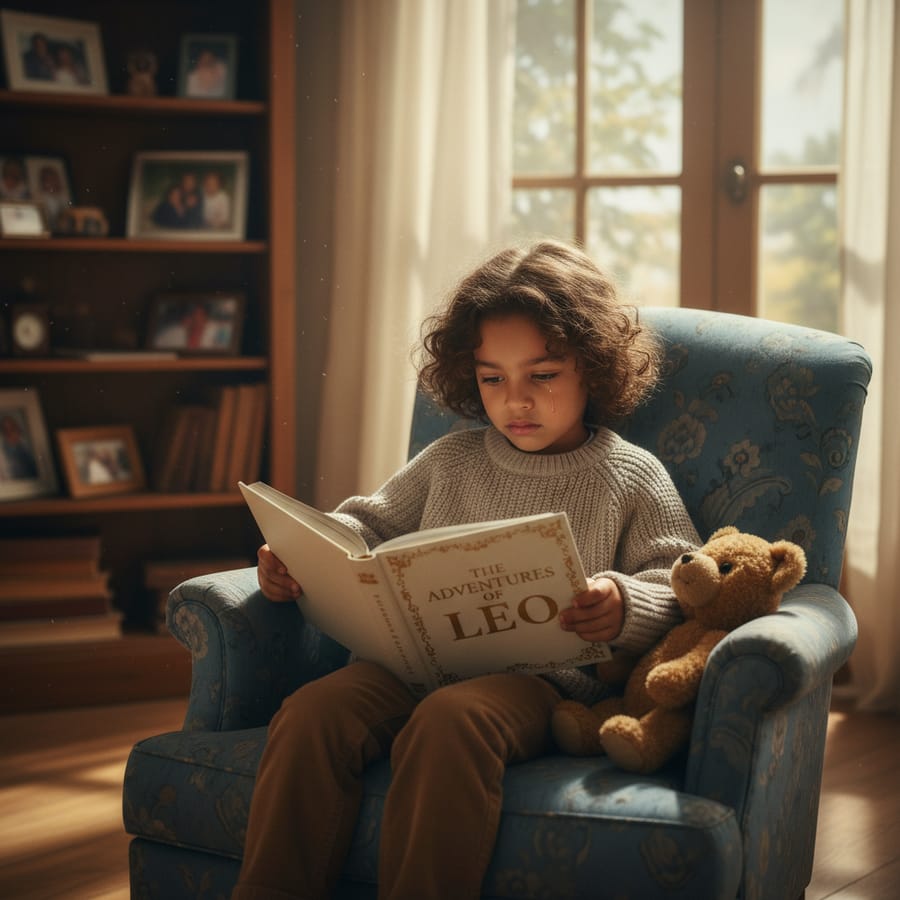
There is no manual for the moment your child asks, "Where did they go?" Whether it’s the loss of a beloved family pet, a grandparent, or a friend, grief is a heavy mountain for small shoulders to carry. As parents, our first instinct is to protect them from the pain, but we eventually realize that we can’t go around the mountain; we have to go through it together. One of the most effective ways to navigate these choppy waters is through storytelling. Finding the right books for kids dealing with grief can provide the language they don’t have yet, offering a gentle bridge between their big feelings and the reality of loss. At StorytimeHero.ai, we believe that when a child sees themselves as the hero of a story—even a sad one—they find the strength to process their emotions in a way that feels safe and supported.
Why Books for Kids Dealing with Grief Are Essential Tools for Healing
When a child experiences loss, their world can feel like it has been turned upside down. They may not have the vocabulary to explain that they feel "empty," "confused," or "angry." This is where books for kids dealing with grief become essential. Stories act as a mirror, reflecting the child’s internal struggle back to them in a way that makes sense.
Bibliotherapy, or the use of books to help people cope with mental and emotional challenges, is a powerful tool for children. When you read a story about a character who has lost someone, your child realizes they aren't alone. They see that other people feel this way too. This validation is the first step toward healing.
Furthermore, books provide a "safe distance." It is often easier for a child to talk about what a character in a book is feeling than to talk about their own heart directly. You might ask, "Why do you think the little bear is so quiet today?" and your child might respond, "Because he misses his friend," which is really their way of saying they miss theirs. By using personalized storybooks, you can tailor these narratives to fit your child's specific experience, making the healing process even more intimate.
How Personalized Books for Kids Dealing with Grief Help Process Loss
Traditional books about grief are wonderful, but there is something truly transformative about a story where your child is the main character. In a personalized book, your child isn't just watching someone else heal; they are the ones embarking on the journey.
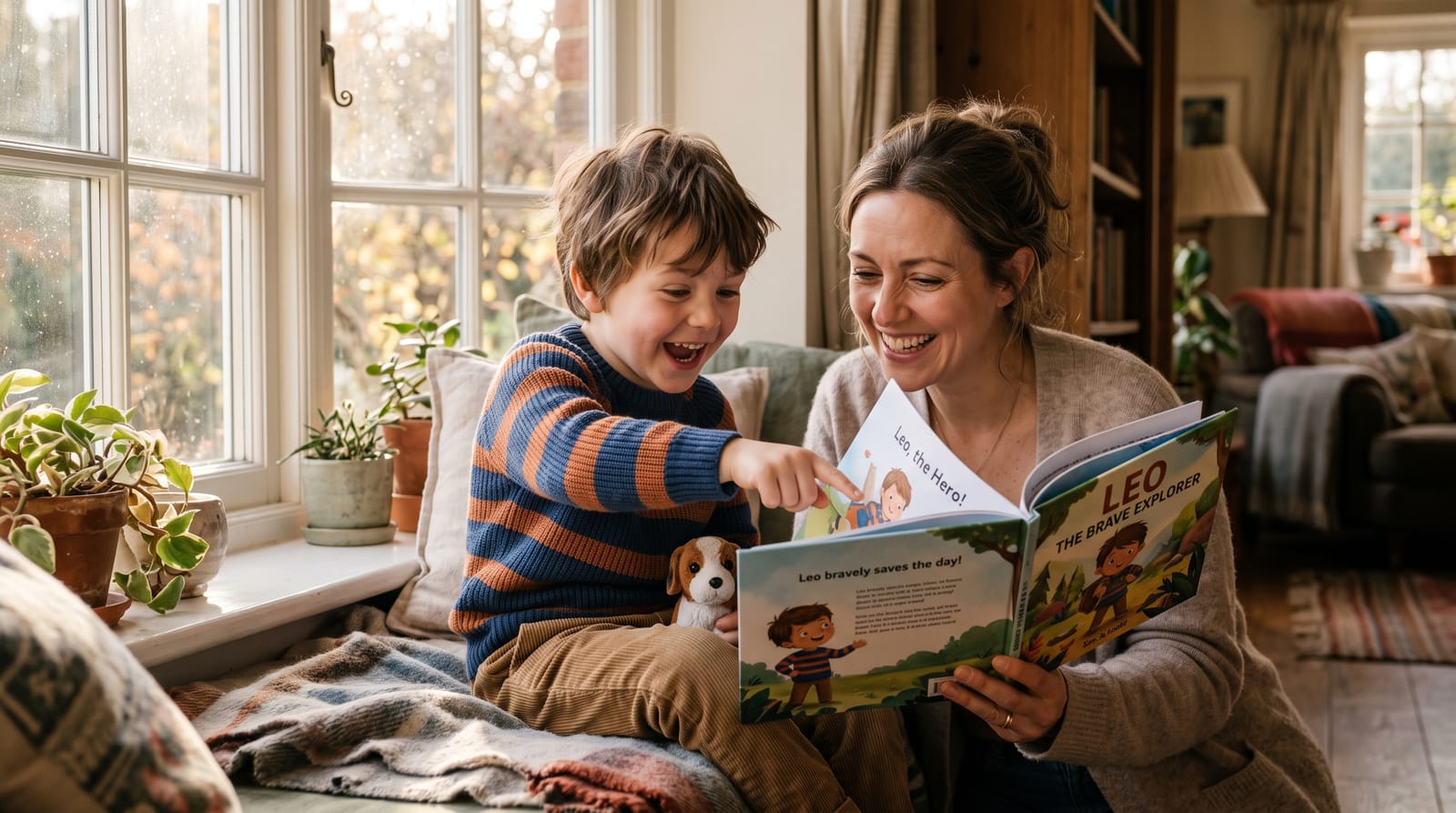
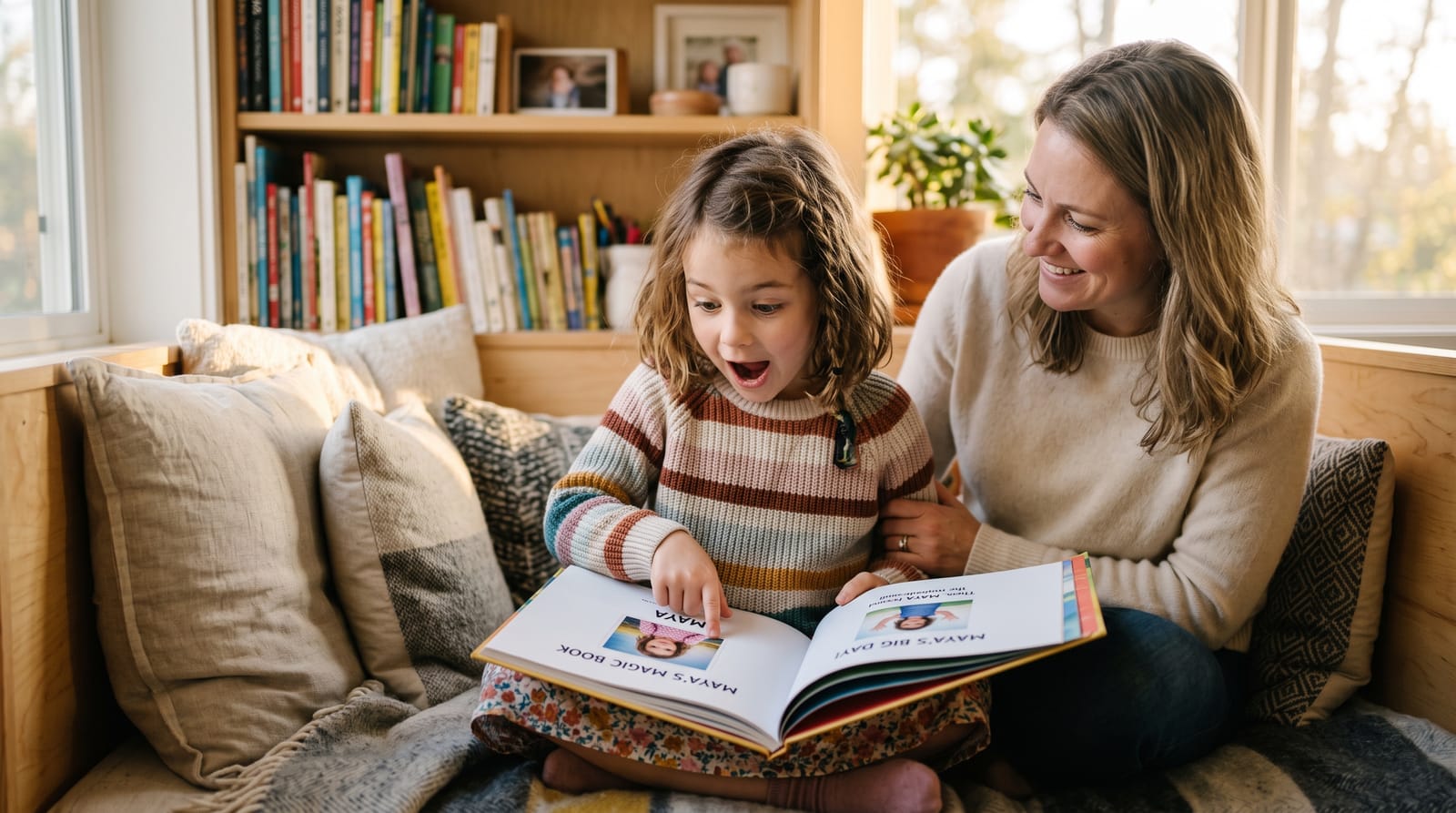
When you use a service like StorytimeHero.ai, you can create a story where your child’s uploaded photo appears in the illustrations. Seeing themselves on the page creates a deep sense of presence. If the story involves a "memory garden" or a "special star in the sky," seeing their own face looking up at that star makes the concept of remembrance concrete.
Personalized books for kids dealing with grief allow you to:
- Use familiar names: You can include the name of the person or pet who has passed away, making the story feel relevant to their life.
- Address specific fears: If your child is afraid of forgetting the person, the story can focus on the "treasure chest of memories" they carry inside them.
- Reinforce your bond: Reading a book where "Mom" or "Dad" is right there in the story with them reinforces the idea that they are not alone in their sadness.
By integrating AI-generated illustrations that feature your child, the story becomes a permanent keepsake—a physical reminder that even in times of loss, they are brave, loved, and capable of moving forward.
The Power of Seeing Your Child as the Hero in Books for Kids Dealing with Grief
Grief often makes children feel powerless. They didn't choose for the loss to happen, and they can't change the outcome. This feeling of helplessness can lead to anxiety or behavioral changes. This is why the "hero" aspect of our stories is so vital.
In a typical adventure, a hero faces a challenge and finds a way through it. When we apply this to books for kids dealing with grief, the "challenge" is the sadness. The "quest" is finding ways to remember and honor the loved one. When your child sees themselves as the hero of the story, it shifts their perspective from being a victim of a sad event to being a resilient individual who can carry a memory with love.
Imagine a story where your child travels to a "Land of Memories." In this land, they collect items that remind them of their grandpa—a fishing hat, a favorite peppermint candy, or a specific laugh. By the end of the book, the hero (your child) realizes that these memories are a superpower that stays with them forever. This narrative arc helps build emotional resilience in children, teaching them that while sadness is a part of life, it doesn't have to be the end of their story.
Choosing the Right Books Based on Your Child's Age
Not all grief is the same, and neither is every child's understanding of it. When looking for books for kids dealing with grief, it’s important to match the content to their developmental stage.
Toddlers and Preschoolers (Ages 2-5)
At this age, children often view death as temporary or reversible. They might ask when Grandma is coming back, even after you’ve explained she is gone. Books for this age group should focus on:
- Simple, concrete language (avoiding confusing metaphors like "passed away" or "went to sleep").
- Routine and comfort.
- The idea that the person’s love stays with them.
School-Aged Children (Ages 6-9)
Children in this age range begin to understand that death is final and happens to everyone. They may have many "logical" questions about what happens to the body. Books for these kids should:
- Acknowledge the finality while focusing on the legacy left behind.
- Encourage the expression of different emotions, like anger or guilt.
- Offer ways to memorialize the loved one, such as drawing pictures or planting a tree.
Pre-Teens (Ages 10-12)
Older children may try to hide their grief to protect the adults around them or to fit in with peers. They need books that:
- Validate the complexity of their feelings.
- Discuss the "why" of life and death in a more profound way.
- Provide a sense of agency and independence in how they choose to grieve.
Navigating Different Types of Loss: Pets, Grandparents, and Friends
The approach you take with books for kids dealing with grief might change depending on who they lost. Each type of loss carries its own unique set of challenges for a child.
The Loss of a Pet
For many children, a pet is their first best friend and their first experience with death. It’s important not to minimize this loss. A story about a dog "going to a farm" can be confusing. Instead, a personalized story about their specific pet—using the pet's name and photos—can help them say goodbye. You can create a custom story that celebrates the walks, the cuddles, and the wagging tails, acknowledging that it’s okay to be very sad that the pet is gone.
The Loss of a Grandparent
Grandparents often represent safety and history. When a grandparent dies, a child might also worry about their parents' sadness. Books in this category should focus on the "intergenerational bridge." Stories that highlight things the grandparent taught the child—like how to bake cookies or how to whistle—help the child feel that a piece of the grandparent lives on through them.
The Loss of a Peer or Friend
This is perhaps the most difficult type of loss to explain because it shatters the child’s sense of safety. If a friend can die, can they die too? Books for this situation must prioritize safety and the idea that while some things are unfair and scary, there is always a community of people ready to hold them close.
Practical Tips for Reading Books About Grief with Your Child
Reading these stories isn't always easy. It might bring up big emotions for you, too. Here are some ways to make the experience helpful and healing:
- Follow their lead: If your child wants to stop reading halfway through, that’s okay. They might have reached their "emotional limit" for the day. Leave the book in a reachable place so they can come back to it when they are ready.
- Be honest: If the book uses a word they don't know, explain it simply. Use the words "dead" and "died." While they sound harsh to adults, they are actually clearer and less scary for children than euphemisms like "lost" (which implies they can be found).
- Encourage questions: There are no "bad" questions. If they ask something that makes you uncomfortable, it’s okay to say, "That’s a big question. Let’s think about that together."
- Share your own feelings: It is healthy for your child to see you cry or express sadness. You can say, "I’m crying because I miss Grandpa too. It’s okay to be sad when we love someone very much."
- Create a "Memory Activity": After reading, do something together that relates to the book. If the hero in the story plants a flower, go to the garden center and pick out a pot. This moves the healing from the page into the real world.
- Use the "Hero" mindset: Remind them of the story you read. "Remember how the hero in our book found a way to feel brave? What do you think would help you feel brave today?"
Creating a Safe Space for Difficult Conversations
The ultimate goal of using books for kids dealing with grief is to open the door to communication. A book is a conversation starter. It provides the "common ground" where you and your child can meet.
Sometimes, a child won't talk during the book, but they might bring it up three days later at the grocery store. This is normal. Children process grief in "puddles"—they jump in, get wet, and then jump back out to play. They can't stay in the "ocean" of grief as long as adults can. Having these books on the shelf allows them to revisit the "puddle" whenever they feel the need.
By choosing personalized books, you are giving them a tool that is uniquely theirs. It isn't just a book about "a child"; it is a book about them. This creates a profound sense of being seen and understood, which is the greatest gift you can give a grieving child.
Frequently Asked Questions
Related Reading
- The Benefits of Reading Aloud for Emotional Development
- How to Help Your Child Build Confidence Through Storytelling
- Creating Bedtime Routines for Anxious Children
- The Science Behind Personalized Storybooks and Learning
- Teaching Empathy to Kids Through Diverse Characters
- How AI Illustrations Make Stories Come to Life
- Supporting Your Child Through Major Life Transitions
Free preview checklist
Get the personalized book gift checklist
Know what photo to use, what to write in the dedication, and what to review before ordering.