How Personalization Enhances Modern Picture Books | StorytimeHero
Upload a photo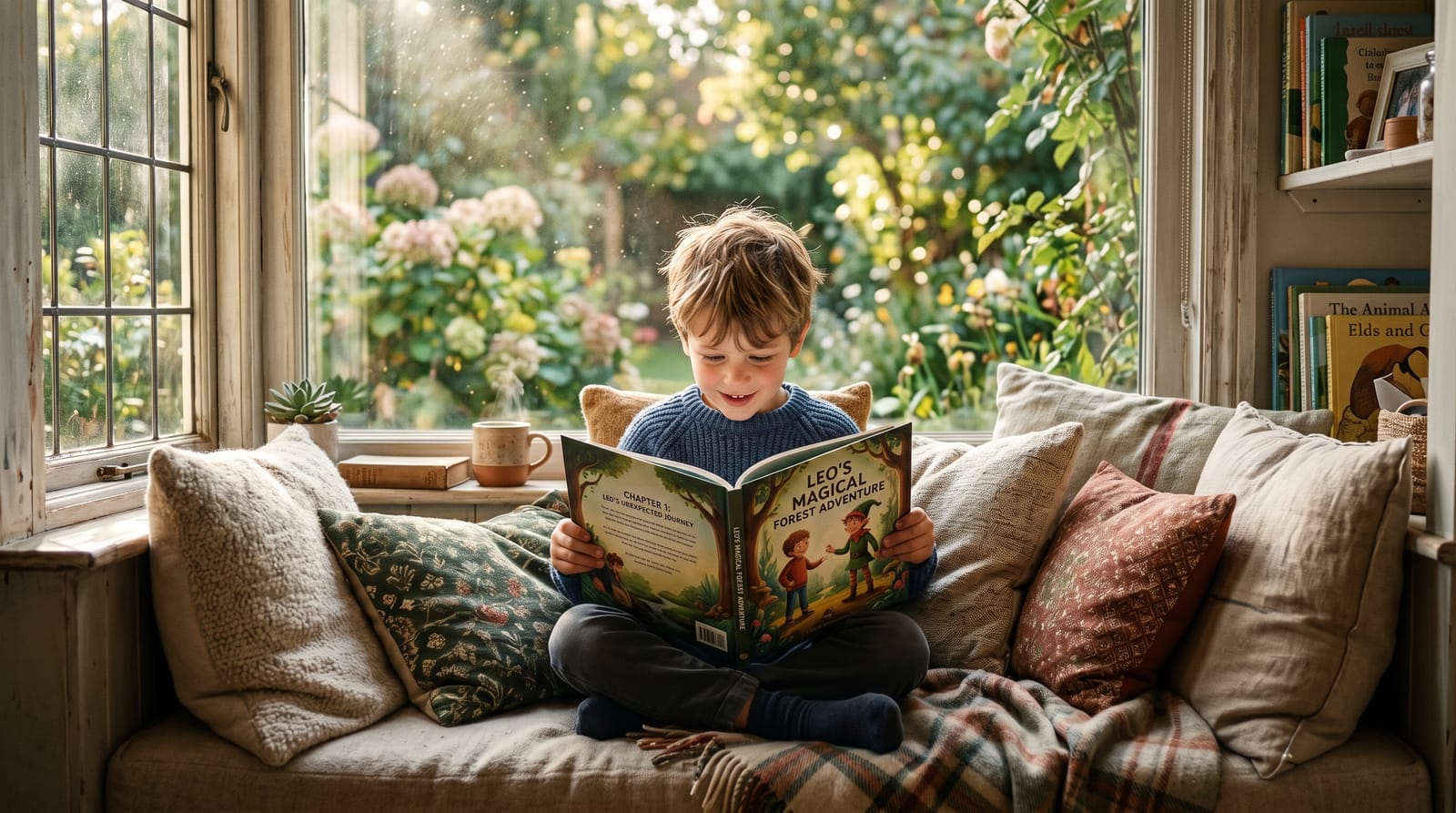
There is a specific kind of magic that happens when a child opens a book and finds a world that feels both impossibly vast and intimately familiar. For decades, picture books have served as the first window into the wider world, offering glimpses of dragons, the rhythmic pulse of poetry, and the quiet unfolding of a spring morning. However, as we move through {YEAR}, the landscape of children’s literature is shifting. We are seeing a move toward "high-concept" themes—rich world-building, complex emotional poetry, and deeply sensory nature narratives.
While these trends offer incredible depth, they also present a unique challenge: how do we ensure a young child doesn’t feel lost in these big ideas? This is where the power of the personalized book comes into play. By placing the child at the center of these evolving trends, we don't just give them a story to observe; we give them a world to inhabit.
The Rise of Cozy Fantasy and the Power of the "Safe" Hero
One of the most delightful trends in the current picture book market is the emergence of "cozy fantasy." Unlike the high-stakes, world-ending conflicts of traditional epic fantasy, cozy fantasy focuses on the "warm hug" elements of magic. Think of dragons who would rather bake bread than hoard gold, or tiny forest dwellings where monsters serve tea. This genre emphasizes world-building that feels lived-in and nurturing.
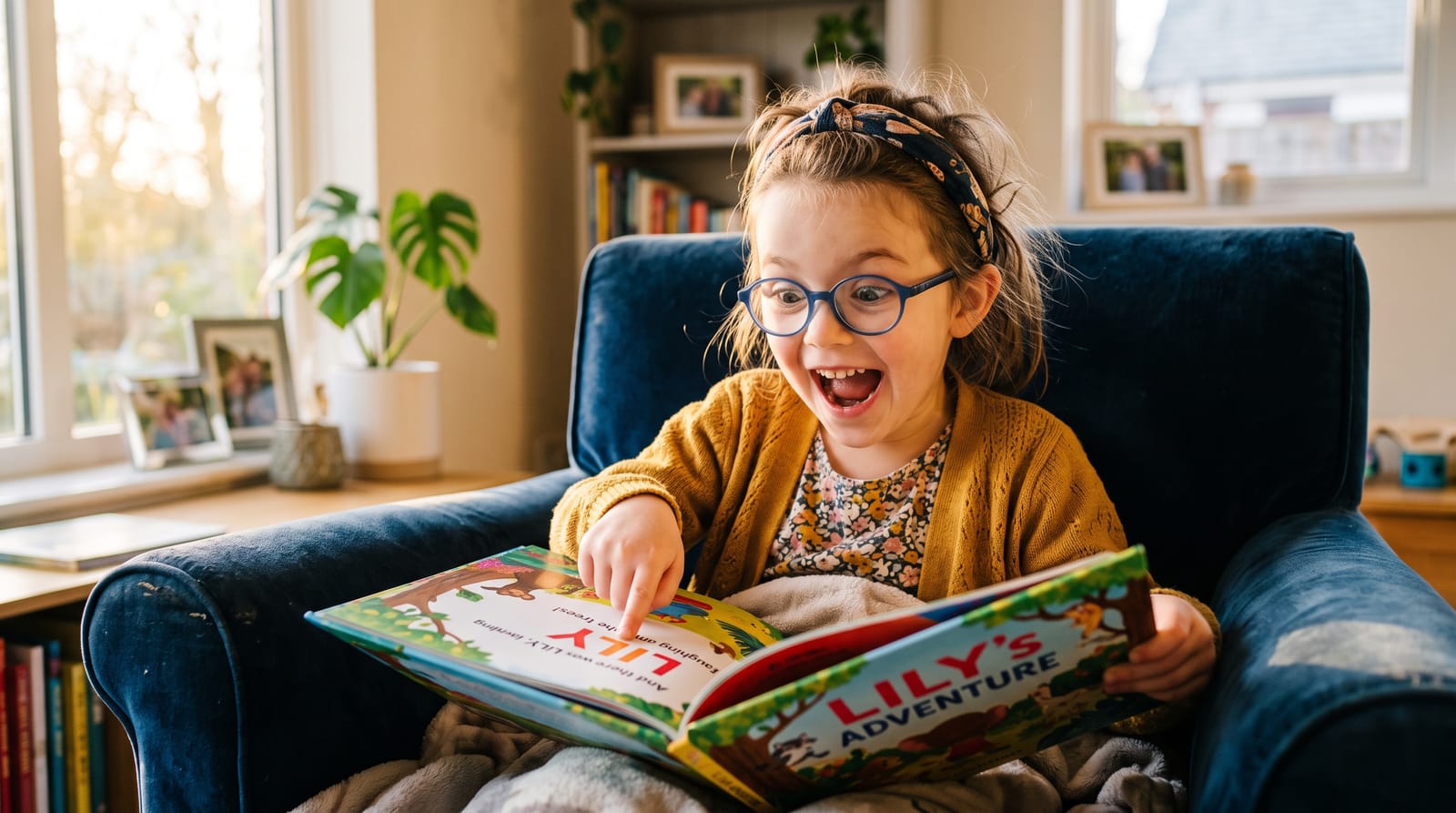
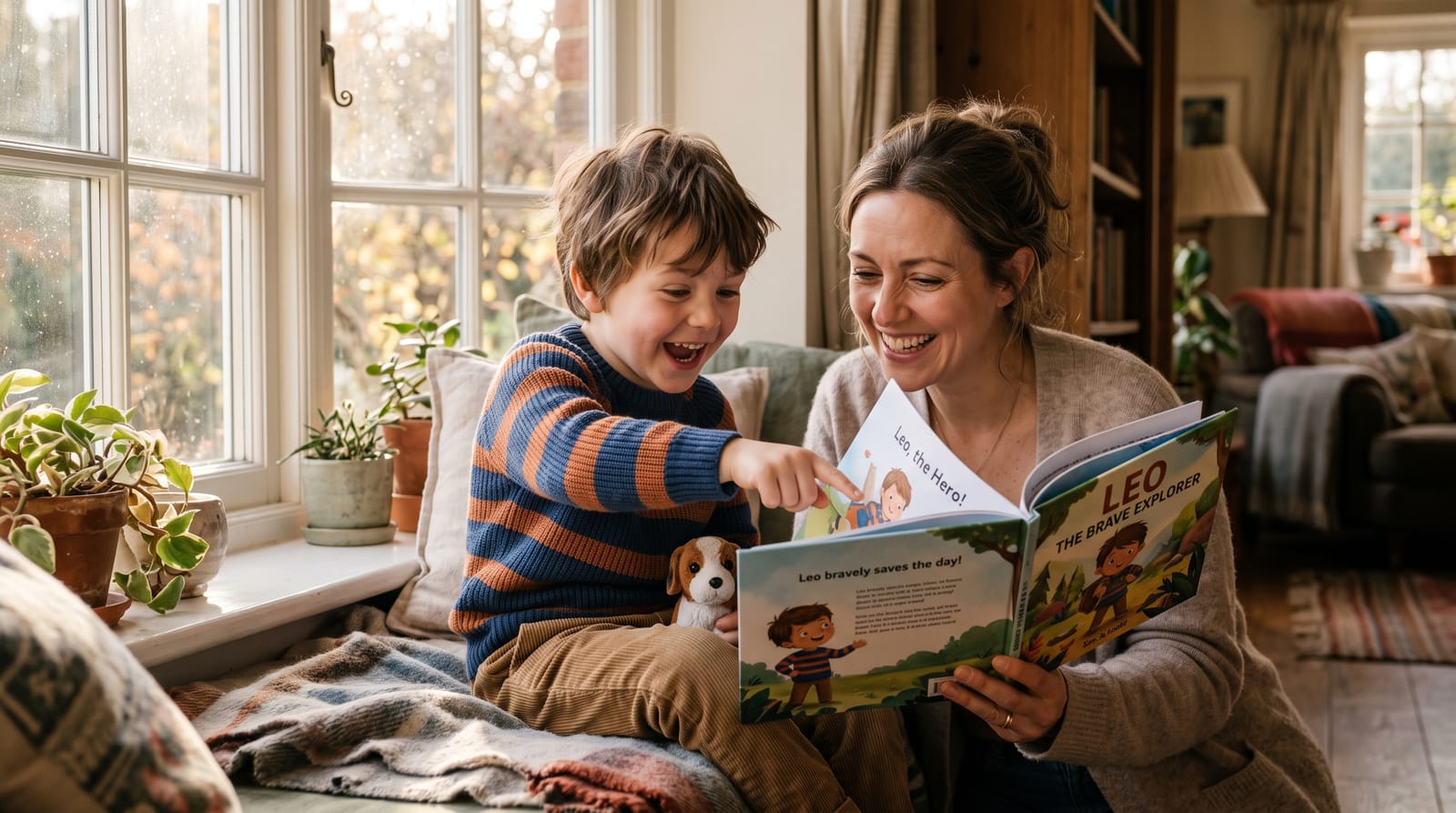
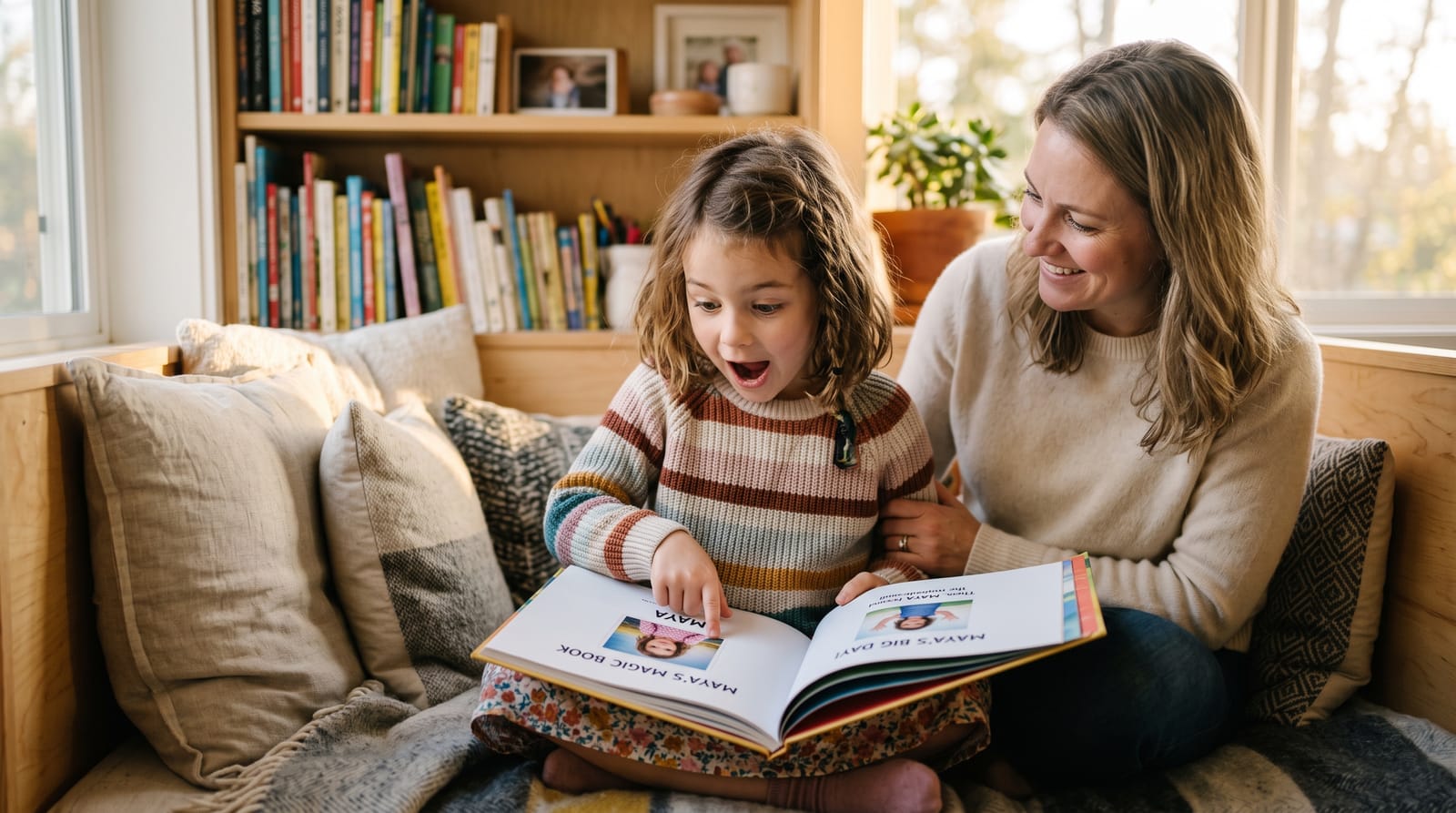
When a child reads a standard fantasy book, they are a spectator to someone else’s bravery. But when they engage with personalized books within this genre, the psychological impact shifts. Suddenly, it is their name on the invitation to the monster’s cafe. It is their likeness discovering the hidden door in the oak tree.
At StorytimeHero, we’ve found that this level of immersion does more than just entertain; it builds a sense of agency. When a child sees themselves navigating a magical landscape, the "scary" elements of the unknown become manageable. They aren't just reading about a hero; they are practicing being one in a space that feels safe and cozy. This helps bridge the gap between the fantastical and the relatable, making the complex world-building of modern fantasy feel like a natural extension of their own backyard.
Poetry as a Personal Echo: Making Verse Relatable
Poetry in picture books has undergone a renaissance. No longer confined to simple AABB rhyme schemes, modern poetry for children explores deep emotions, historical biographies, and the abstract beauty of language. It serves as a "balm for the heart," helping children articulate feelings they might not yet have the prose to describe.
However, poetry can sometimes feel abstract or "distant" to a young mind. Personalization acts as the bridge. When a poem about resilience or the beauty of a sunset is addressed to or features the child, the words stop being "art" and start being "affirmation."
Imagine a beautifully illustrated biography of a famous poet. Now, imagine that story interspersed with moments where the reader is encouraged to find their own "voice" alongside the historical figure. By integrating the child’s identity into the narrative, the rhythm of the verse begins to echo the child’s own life. This transforms the reading experience from a passive lesson into an active, lyrical conversation. It turns the "joy of sound" into a personal anthem.
To explore more about how this works, you might find our article on Personalized Picture Books: Poetry, Nature & Community particularly enlightening.
Grounding the Sensory Experience: Nature and the "Slow Reading" Movement
In an increasingly digital age, nature-themed picture books are serving as a vital "slow-down" tool for families. These books often focus on transitions—the shift from winter to spring, the lifecycle of a seed, or the five-sense experience of walking through a meadow. They are designed to spark curiosity and encourage children to look closer at the world around them.
The challenge for parents is often translating that "book magic" into real-world observation. Personalization solves this by making the child the primary observer in the story. When the book says, "Look at the dew on the leaf," and the character looking at that leaf has the child’s eyes and name, the instruction becomes a direct call to action.
This "protagonist effect" is a powerful motivator. Research shows that Why Kids Read More When They're the Main Character is often tied to this sense of direct involvement. In nature narratives, this means the child isn't just learning about ecology; they are seeing themselves as a steward of the earth. The "fresh-turned earth" described in the text feels like it’s under their fingernails. This sensory grounding is essential for cognitive development and emotional regulation, providing a much-needed anchor in a fast-paced world.
Why Personalization is the Missing Piece in Modern Literacy
As picture books become more sophisticated, the risk of "narrative detachment" grows. A child might enjoy the vibrant colors of a modern masterpiece but fail to connect the themes to their daily life. Personalization serves as the "narrative glue" that binds high-level concepts to the child’s personal development.
By incorporating the child’s identity, we address several key needs in modern parenting:
- Representation and Belonging: Every child deserves to see themselves as the explorer, the poet, or the friend of dragons. You can read more about this in our guide to Personalized Books: Representation and Embodiment.
- Emotional Resilience: Seeing oneself overcome challenges in a story—even whimsical ones—builds a "memory" of success that translates to real-world confidence. This is a core part of Personalized Books: Bridging Fantasy & Resilience.
- Family Connection: Personalized books often become "legacy" items. They aren't just another book on the shelf; they are a record of who the child was at a specific moment in time, creating a shared family history.
How to Choose the Right Personalized Path for Your Child
With so many trends emerging, how do you decide which personalized experience is right for your little hero?
Look for World-Building that Invites
If your child is a daydreamer, look for stories with rich, detailed environments. Whether it’s a steampunk city or a whimsical forest, the "background" of the book should be as much a character as the child is. This encourages the kind of "deep play" that is so vital for creative development.
Prioritize Emotional Truth
The best books—personalized or not—don't shy away from "big" feelings. Choose narratives that allow your child to experience a range of emotions, from the quiet awe of a budding flower to the excitement of a magical quest. The personalization should enhance the feeling, not distract from it.
Focus on the "Cozy"
In a world that can feel overwhelming, use books as a sanctuary. Look for themes of kindness, community, and domestic magic. When a child sees themselves participating in a community of helpful monsters or kind neighbors, it reinforces the idea that the world is a place where they belong and can contribute.
Frequently Asked Questions
Conclusion: Setting the Stage for a Lifetime of Wonder
As we look at the trends defining picture books in {YEAR}, it’s clear that we are living in a golden age of children’s literature. The themes are bolder, the art is more evocative, and the emotional depth is greater than ever before.
By embracing personalized books, we ensure that our children aren't just watching this golden age from the sidelines. We invite them to step onto the stage, to smell the spring flowers, to rhyme with the poets, and to share a cupcake with a dragon. At StorytimeHero, we are proud to be part of this evolution, helping families turn the "once upon a time" of a stranger into the "here and now" of their own child.
---
Related Reading
Free preview checklist
Get the personalized book gift checklist
Know what photo to use, what to write in the dedication, and what to review before ordering.