The Evolution of the Picture Book | StorytimeHero
Upload a photo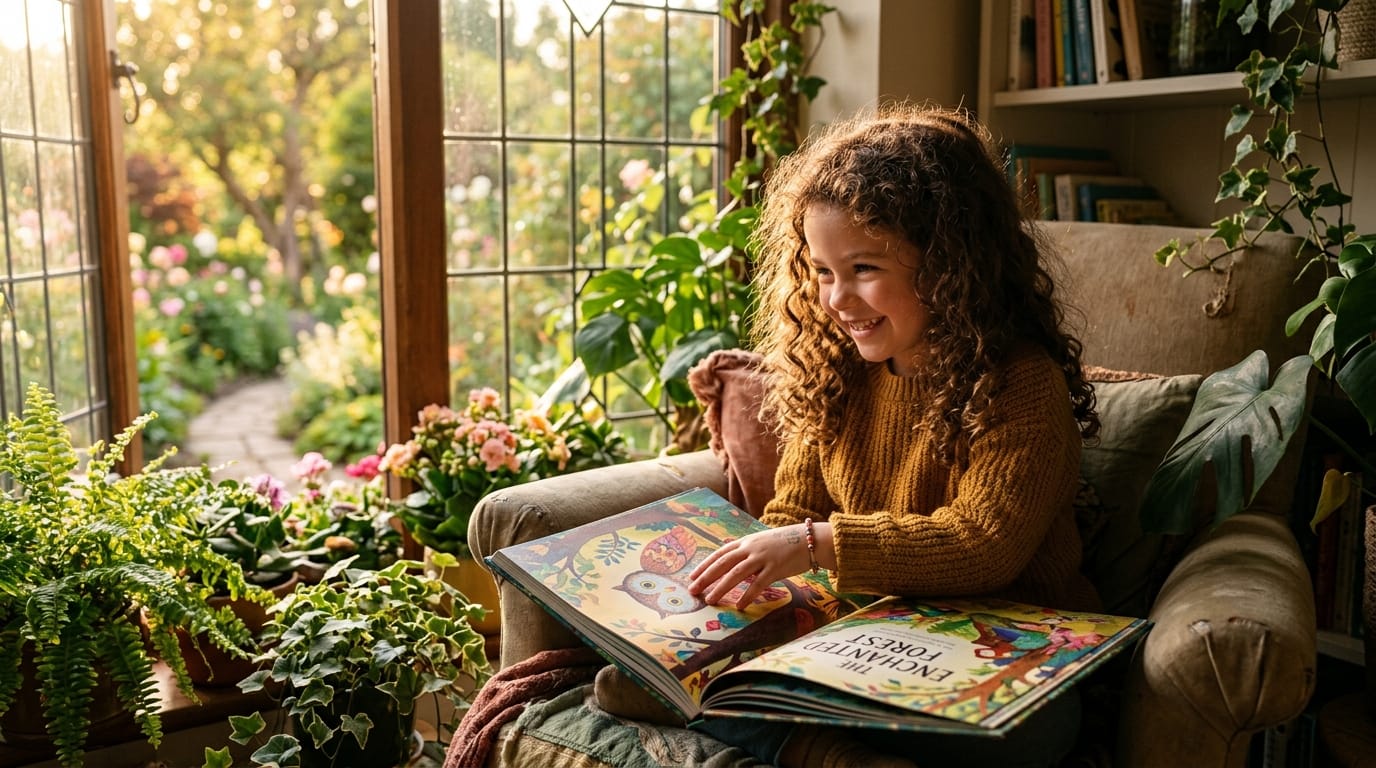
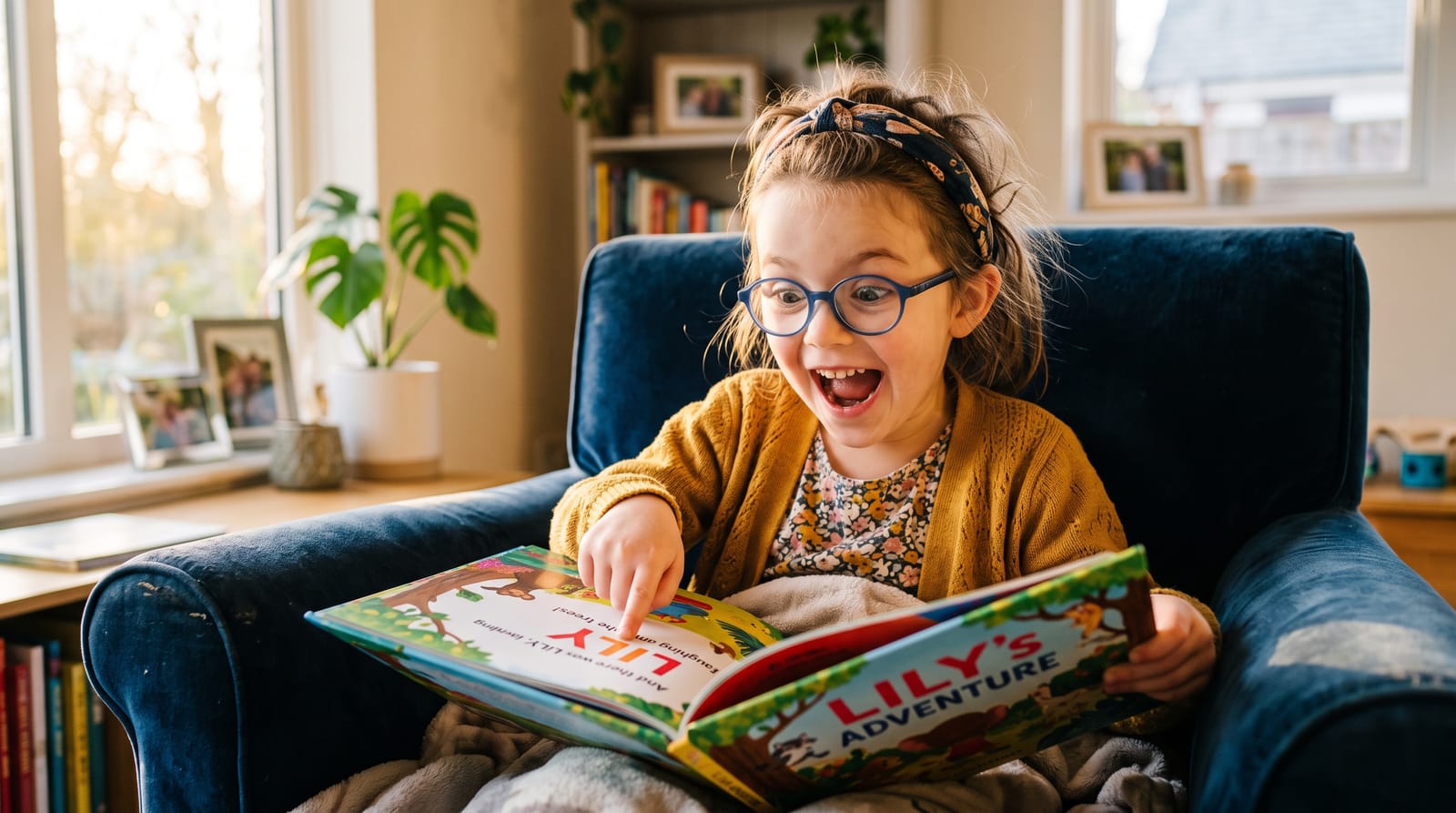
The traditional picture book has long been the cornerstone of early childhood. It is the first gallery a child visits, the first library they own, and the first window through which they view the wider world. However, as we move through {YEAR}, the way families interact with these stories is undergoing a profound shift. We are moving away from being mere observers of a story and toward becoming active participants within it.
At StorytimeHero, we believe that the modern picture book is no longer just a static object on a shelf. It is a living narrative. By integrating a child’s own identity into the fabric of the story, personalized books address the unique emotional and developmental needs of today’s generation in a way that traditional media often cannot.
The Rhythmic Heart: How Poetry and Personalization Intertwine
There is a specific kind of magic found in the cadence of a well-constructed poem. For decades, poetry in children’s literature has served as a "balm"—a soothing rhythmic exercise that calms the nervous system and delights the ear. When we look at the history of the picture book, the most enduring titles are often those that lean into the joy of sound, startling imagery, and deep feeling.
However, for a young child, the abstract nature of poetry can sometimes feel distant. This is where personalization changes the equation. When a child hears their own name woven into a lyrical stanza, the "balm" becomes personal. It is no longer just a poem about the wind or the stars; it is a poem about their relationship with the world.
Personalized books take the foundational elements of poetry—metaphor, rhythm, and emotional resonance—and use them to anchor a child’s sense of self. By making the child the protagonist of a rhythmic journey, we help them internalize the message of the story. Whether the theme is tenacity, passion, or the simple joy of existence, the child doesn’t just learn about these concepts; they embody them.
Navigating the Seasons of Change: Stories as Sensory Anchors
Every parent knows the feeling of "cabin fever"—that restless energy that builds when children are cooped up during long winters or stressful school terms. In these moments, the picture book acts as a vital tool for transition. Nature-themed stories, in particular, help children slow down and observe the minute details of the world around them.
In {YEAR}, children are often surrounded by high-speed digital transitions. A personalized book offers a necessary counterweight. By placing the child directly into a story about the changing seasons—the first sprout of spring, the damp earth of a garden, or the quiet of a snowfall—we invite them to engage their five senses.
When a child sees themselves navigating a forest or discovering a hidden flower in the pages of a book, it sparks a deeper curiosity about their real-world environment. It bridges the gap between the "enclosure" of modern life and the "outdoor adventure" of the imagination. This sensory-rich approach to storytelling doesn't just entertain; it provides a sense of calm and order in a world that can often feel chaotic.
From Isolation to Connection: Modeling the Good Neighbor
We live in an era of hyper-independence. With the rise of digital conveniences, it has become easier than ever to live in a bubble, isolated from the people right next door. Yet, for our children, the strength of their future depends heavily on their ability to build and sustain a community.
The modern picture book has a new responsibility: to teach the art of being a good neighbor. We often tell our kids to "look for the helpers," but personalized books allow us to take that a step further—they allow the child to be the helper.
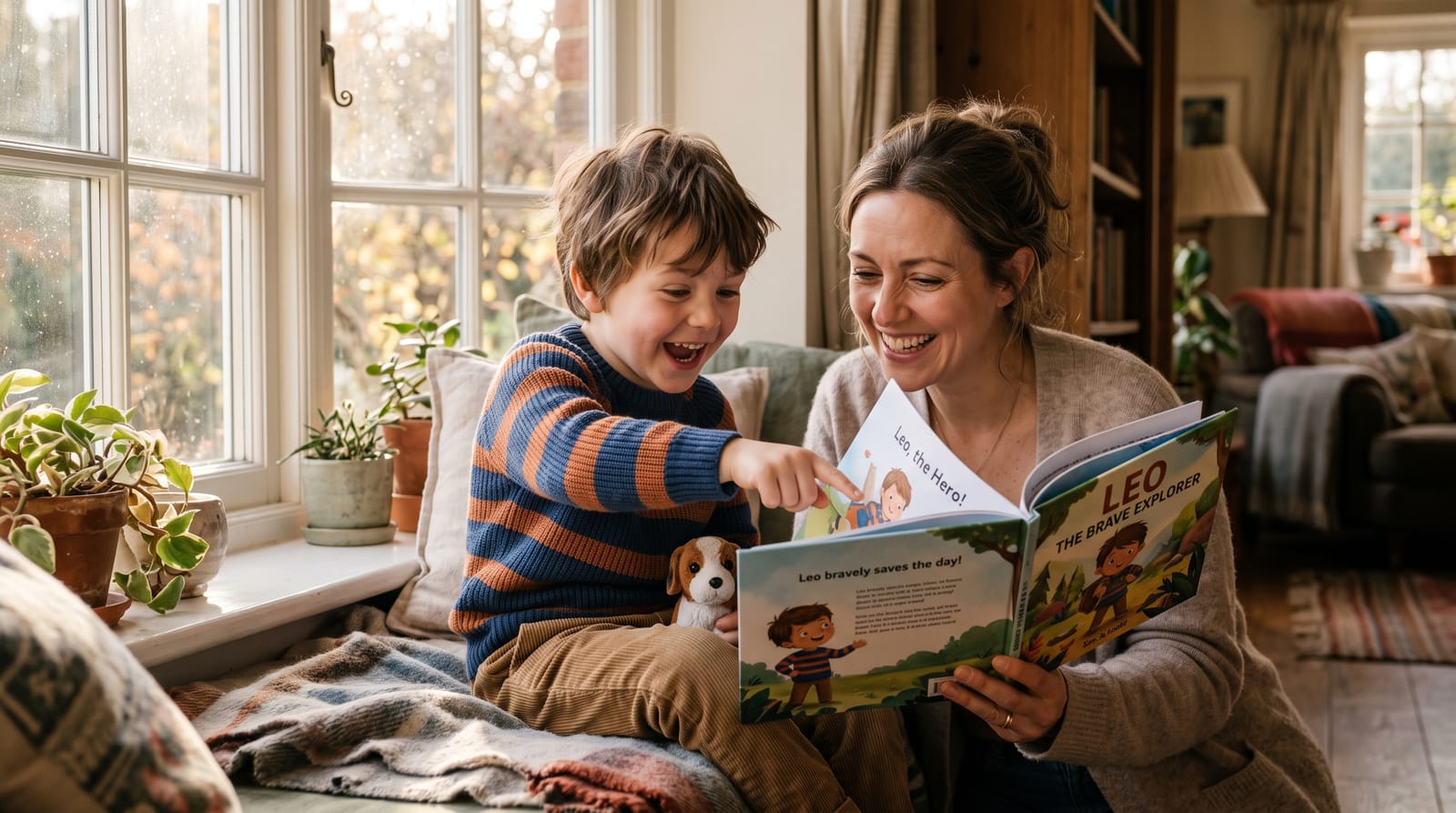
By creating stories where the child interacts with their community, solves local problems, or performs small acts of kindness, we are providing a rehearsal for real life. Personalization transforms a lesson on "community" from a lecture into a lived experience. When children see themselves as active, helpful members of their neighborhood within a story, they are more likely to carry that identity into their physical lives.
This approach addresses the "pattern of isolation" that many parents worry about. It reinforces the idea that showing up for others is not just an inconvenience, but a source of safety and joy. Through personalized books, we can help the next generation value the "phone trees" and "porch visits" of the past, reimagined for a modern world.
The Power of Presence in Every Page
One of the most significant challenges in modern parenting is ensuring our children feel "seen" in a crowded, noisy world. Traditional books offer a "window" into other lives, which is essential for developing empathy. However, children also need a "mirror"—a way to see their own value and potential reflected back at them.
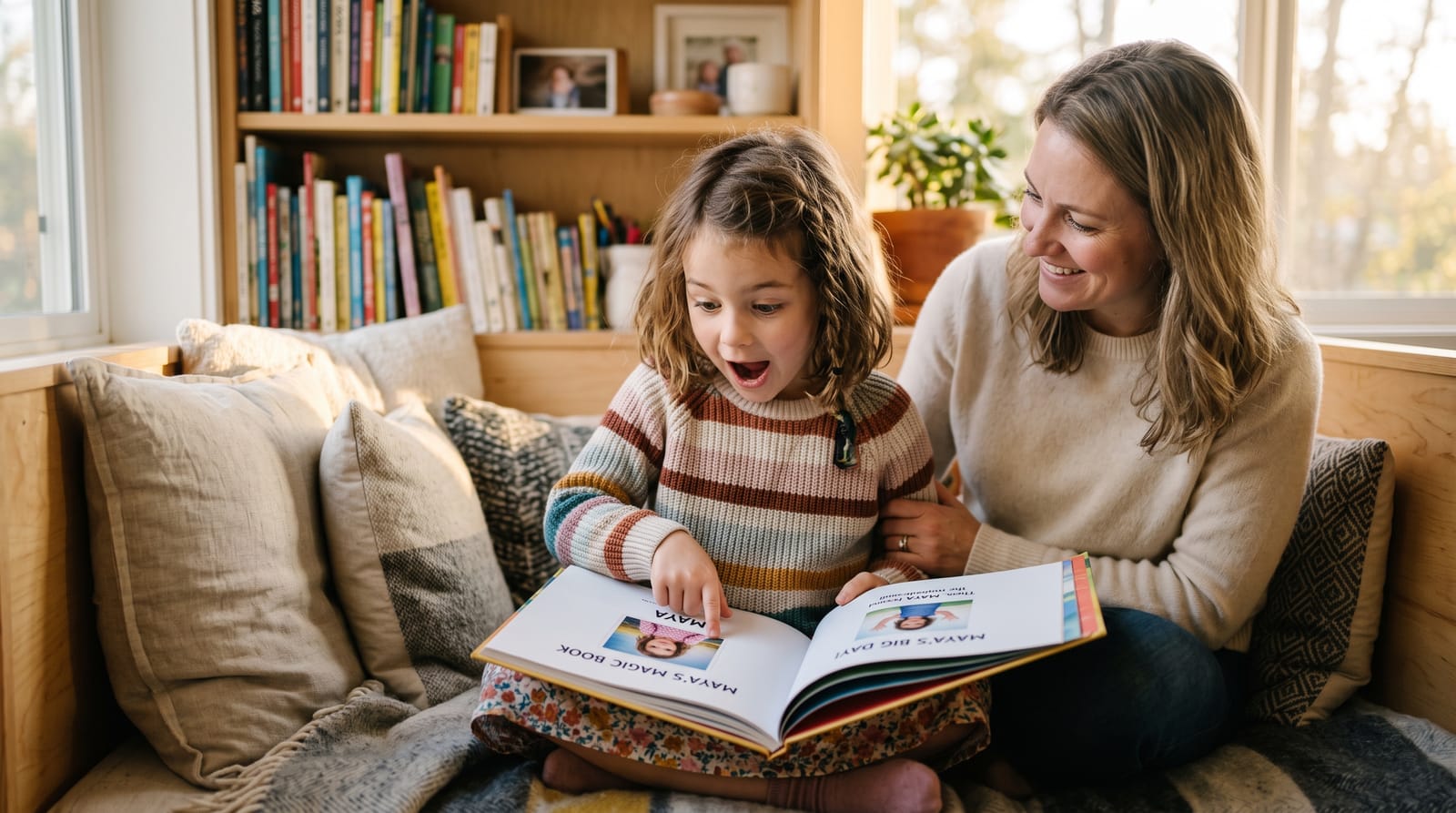
Personalized books serve as this mirror. They address the "relevance gap" that sometimes occurs when a child cannot find themselves in the stories they read. By adjusting the narrative to include the child’s name, appearance, or family structure, we validate their existence and their place in the world.
This sense of presence is particularly important when tackling difficult subjects, such as:
- Navigating Transitions: Starting school, moving house, or welcoming a new sibling.
- Building Resilience: Overcoming a fear or learning a new skill.
- Ancestry and Identity: Understanding where they come from and who they are becoming.
When a child is the "hero" of their own picture book, the stakes of the story feel higher, and the lessons learned feel more permanent.
Why Personalization is the Future of the Picture Book
As we look toward the future of children’s literature, it is clear that the "one size fits all" model is evolving. Families are looking for ways to make reading time more intentional and more impactful. StorytimeHero is at the forefront of this movement, recognizing that the most powerful story a child will ever read is the one where they are the star.
Personalization isn't just a gimmick; it is a pedagogical tool. It increases engagement, improves reading comprehension, and fosters a lifelong love of books. More importantly, it strengthens the bond between the adult and the child. When you sit down to read a personalized story, you aren't just reading a book; you are sharing a customized experience that celebrates the very child sitting in your lap.
FAQ: What Parents Want to Know About Personalized Books
Q: Are personalized books as educational as traditional picture books?
A: Absolutely. In fact, research suggests that children are more engaged and retain more information when they are the protagonists of the story. Personalized books use the same high-quality narrative structures and vocabulary as traditional books but add an extra layer of emotional relevance that boosts learning.
Q: Is personalization just about putting a name in a book?
A: While the name is a big part of it, true personalization is about identity. It’s about the child seeing a character that looks like them, faces challenges relevant to their life, and exists in a world that mirrors their own values. It’s about making the child the "hero" of the journey.
Q: At what age should I start reading personalized books to my child?
A: You can start as early as infancy! Even before a child can read their own name, they recognize the sound of it. Hearing their name in a story creates a positive association with reading from day one. As they grow into the "toddler" and "preschool" stages, the visual representation becomes even more impactful.
Related Reading
If you enjoyed this exploration of the modern picture book, you might find these other articles helpful:
- The Participatory Page: Personalized Books & Modern Needs
- Modern Values & Community in Picture Books
- The Power of Presence in Modern Picture Books
- How Personalized Books Evolve the Modern Picture Book
Conclusion: The Enduring Magic of the Story
The medium of the picture book will always be about connection—the connection between the reader and the page, and the connection between the parent and the child. By embracing personalization, we aren't replacing the classics; we are expanding the possibilities of what a story can do.
In {YEAR}, let’s give our children more than just stories to read. Let’s give them stories to inhabit. Let’s show them that they are the poets, the adventurers, and the good neighbors of their own lives. Through the magic of personalized books, every bedtime becomes an opportunity to remind our children that they are, and always will be, the hero of the story.
Free preview checklist
Get the personalized book gift checklist
Know what photo to use, what to write in the dedication, and what to review before ordering.