Personalization in Modern Picture Books | StorytimeHero
Upload a photo
The landscape of the modern picture book is undergoing a beautiful transformation. If you’ve browsed a bookstore or library lately, you’ve likely noticed a shift away from the generic fables of the past. Today’s stories are braver, more specific, and deeply rooted in the complexities of the human experience. We are seeing a surge in narratives that explore the lives of historical figures, the nuances of cultural heritage, and the practical challenges of growing up in a fast-paced world.
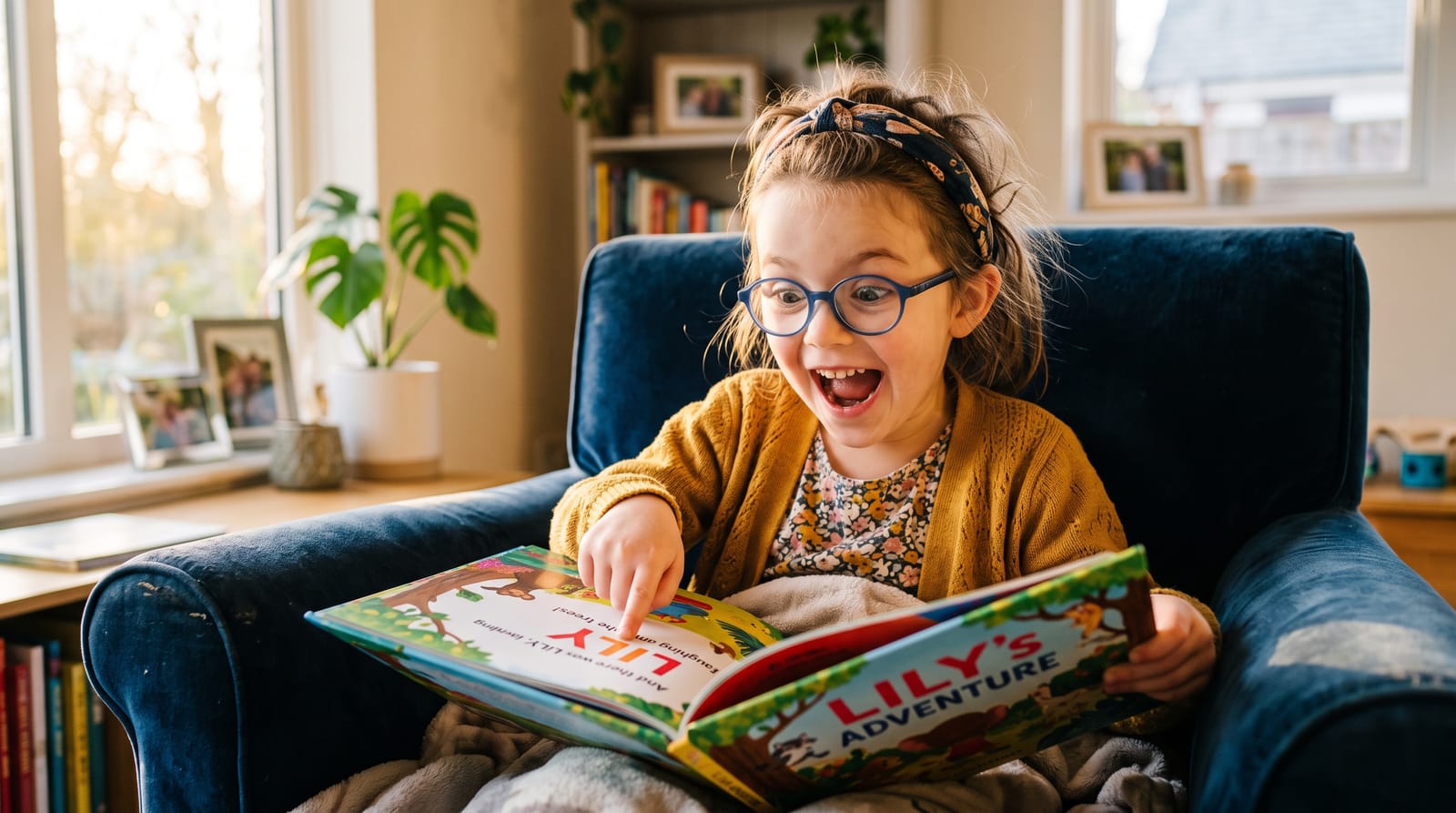
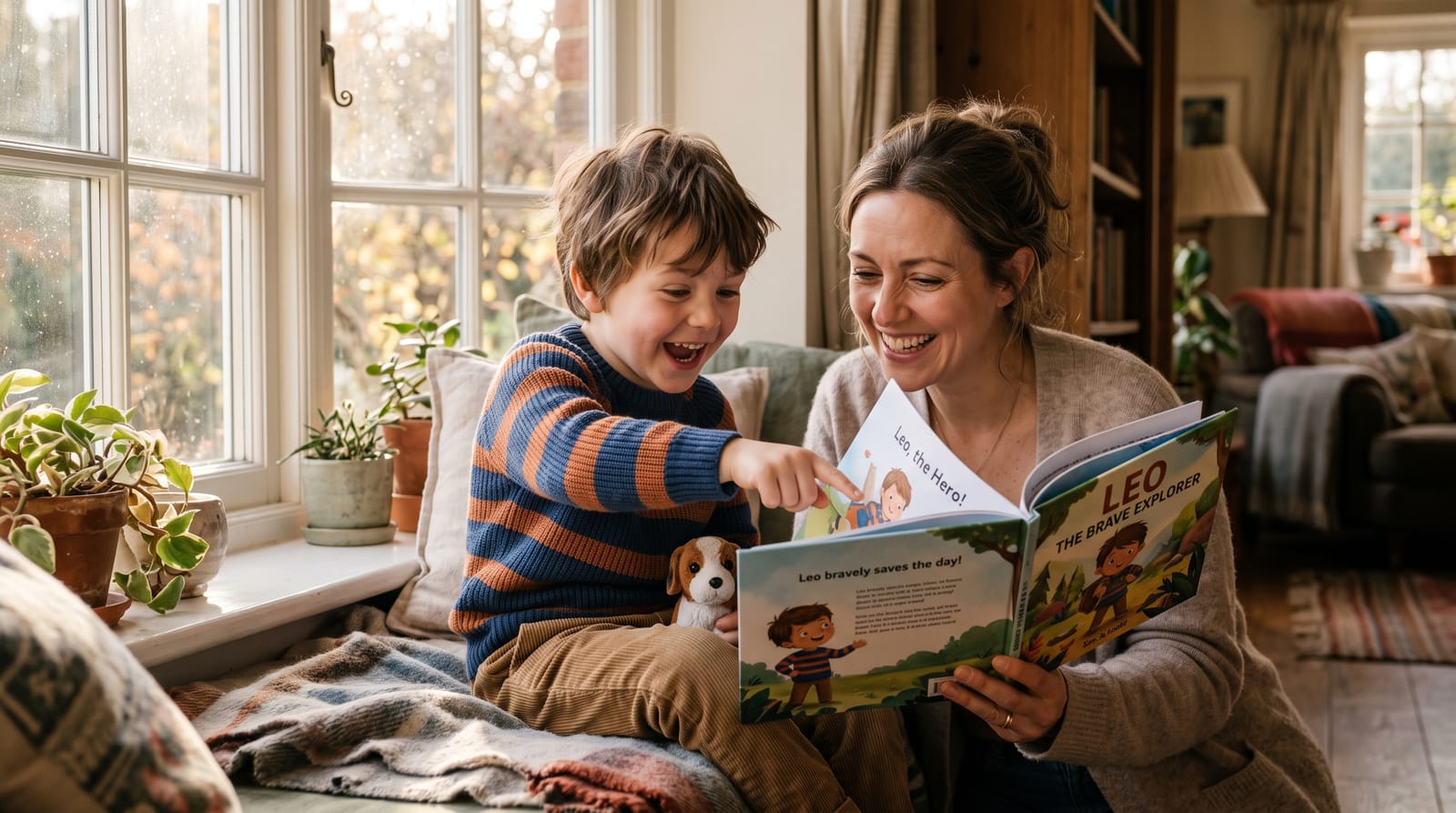
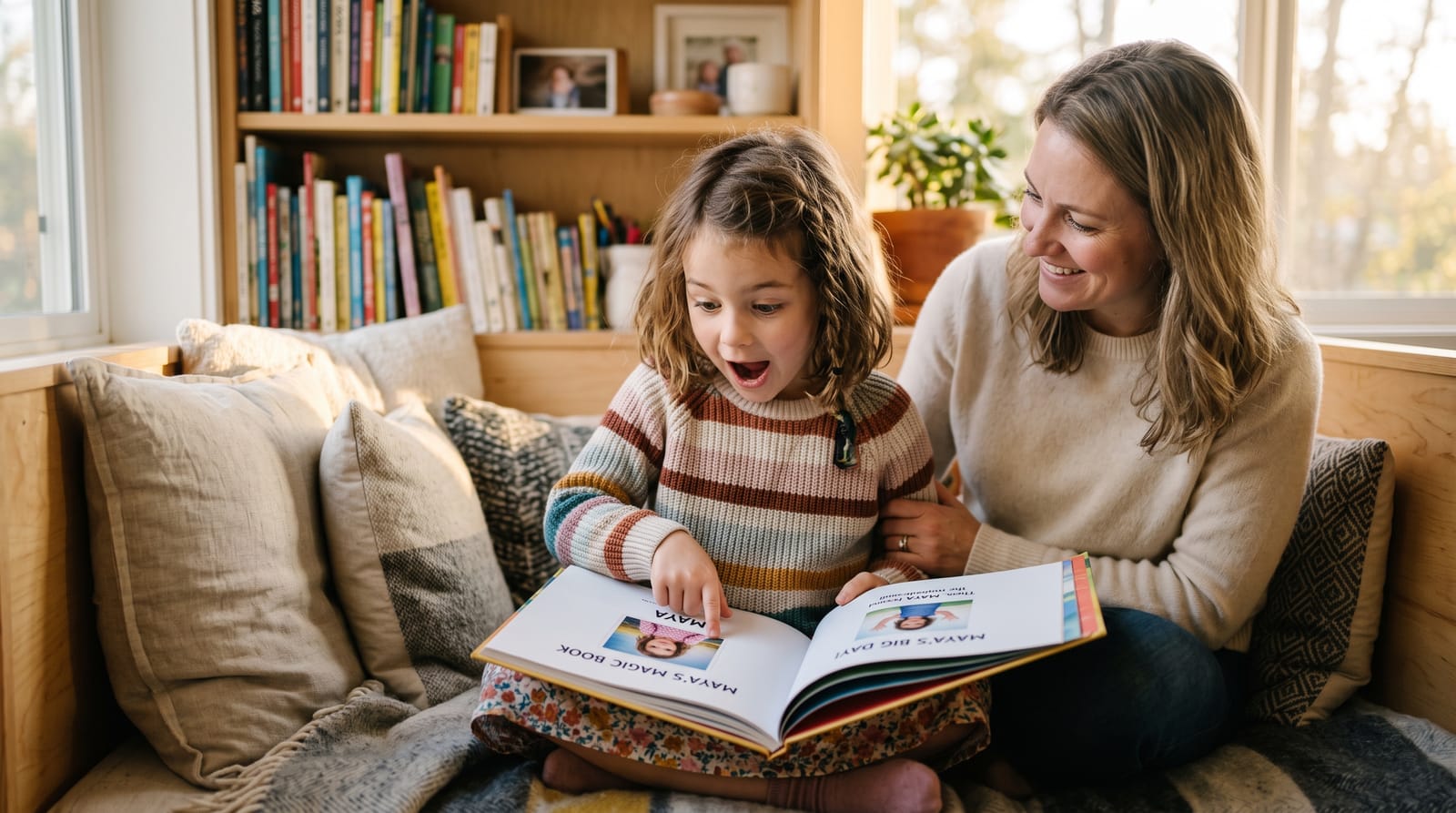
At StorytimeHero, we believe this evolution is vital. But as the themes in children’s literature become more sophisticated, a new challenge arises for parents: how do we make these big ideas feel intimate and relevant to a four-year-old? This is where the magic of personalized books comes into play. By placing a child at the center of the narrative, we don't just tell them a story; we invite them to live it.
In {YEAR}, the role of the picture book has expanded. It is no longer just a tool for literacy; it is a mirror for identity and a map for emotional intelligence. Let’s explore how personalization is anchoring these modern trends and helping children find their place in an ever-widening world.
The Power of the Lived Mirror: Heritage and Specificity
One of the most heartening trends in recent publishing is the move toward "own voices" stories. We are seeing breathtaking work from AAPI authors and creators from diverse backgrounds who are moving beyond broad strokes to share specific traditions—whether it’s the meticulous process of dyeing fabric with indigo or a child’s first journey to a parent’s ancestral homeland in the Philippines.
These stories are essential because they teach children that every culture has a unique "heart." However, for a child to truly internalize the value of heritage, they need to see their own family’s story as part of that grand tapestry. When we integrate a child’s name or likeness into a story about discovery and roots, we are reinforcing the idea that their personal history is a "living" thing.
Personalized books act as a bridge. While a standard picture book might introduce the concept of a "homeland," a personalized narrative allows a child to see themselves as the explorer of their own family’s legacy. This turns a passive reading experience into an active exploration of belonging. By grounding these lived experiences in personalized narratives, we help children understand that they aren't just observers of culture—they are the current keepers of it.
From Literary Legends to Personal Agency
Another fascinating trend is the rise of the "biographical picture book." Today’s children are being introduced to literary giants—authors like Toni Morrison or Judy Blume—not through dry encyclopedias, but through poetic, vibrant storytelling. These books celebrate the "creative process" and the struggle to find one’s voice.
Why does this matter? Because it demystifies the act of creation. When a child reads about a young Judy Blume using stories to gain a sense of control in a post-war world, they learn that words are a superpower.
Personalization takes this lesson a step further. In a personalized book, the child isn't just reading about a hero; they are the hero navigating their own world. This builds what we call "narrative agency." If a child sees themselves solving problems or creating magic on the page, they are more likely to believe they can do the same in real life. This transition from watching a living protagonist to becoming one is a pivotal moment in a child’s development. It shifts the "voice" of the book from an external narrator to an internal monologue of "I can."
Navigating Real-World Challenges with a Growth Mindset
Modern picture books are also getting "real" about the day-to-day hurdles children face. We see stories tackling everything from food allergies to the anxiety of trying something new. These aren't just "issue books"; they are stories about resilience and the "growth mindset."
For instance, a story about a child navigating a birthday party with a food allergy is more than a health lesson—it’s a story about problem-solving and social navigation. When these themes are presented in a personalized format, the impact is doubled.
When a child sees "themselves" on the page successfully navigating a difficult situation, it provides a psychological "blueprint" for their own behavior. It’s one thing to hear that a character named Tova solved a problem; it’s quite another to see yourself as the one with the "sweet solution." This is how personalized books bridge the empathy gap—by making the challenge and the triumph personally relevant.
The Art of the Process: Turning Curiosity into Connection
In Source 2, we see a beautiful emphasis on the "artistic process"—the steps of dyeing cloth or the sensory experience of nature. This reflects a broader trend in picture books that value "the journey" over "the destination." We want children to be curious about how the world works, from the chemistry of colors to the ecosystems of the outdoors.
Personalized books are uniquely suited to this "process-oriented" storytelling. When a child is the one "walking through the rice fields" or "mixing the indigo," they aren't just learning a fact; they are building a memory. Personalization transforms a lesson into a meaningful micro-moment of family connection.
When a parent and child read a personalized story together in {YEAR}, they are co-creating a reality. The book becomes a safe space to discuss the child’s specific fears about nature or their specific excitement about a hobby. It turns the "picture book" into a conversation starter, ensuring that the themes of the book don't end when you close the cover.
Why Personalization is the Future of the Picture Book
As we look at the incredible diversity and depth of modern children's literature, it's clear that we are in a golden age of storytelling. However, the sheer volume of "away-stories"—stories about other people, other places, and other lives—can sometimes leave a child feeling like a spectator in their own library.
StorytimeHero aims to solve this by providing the "anchor." We believe that the most powerful story a child will ever read is the one that tells them they matter. By combining the high-quality themes of modern picture books—resilience, heritage, and creativity—with the intimate touch of personalization, we create a "Living Library."
This approach doesn't replace traditional books; it enhances them. It provides the foundation of confidence that allows a child to venture out into other stories. When a child knows they are a "Hero" in their own book, they are much more willing to be an ally, a student, and a friend in everyone else’s.
FAQ: Common Questions About Modern Personalized Books
Q: Do personalized books have the same literary quality as traditional picture books?
A: Absolutely. At StorytimeHero, we focus on high-quality narrative arcs and professional-grade illustrations. The goal is to provide a "bridge of belonging" that maintains the artistic integrity of the best modern children's literature.
Q: Are these books only for kids who are "reluctant readers"?
A: While personalization is a proven tool for engaging reluctant readers, it’s beneficial for all children. It helps advanced readers develop deeper empathy and a stronger sense of self-identity by placing them in complex, thematic situations.
Q: How do personalized books handle sensitive topics like heritage or resilience?
A: We focus on universal themes through a personal lens. By allowing parents to customize aspects of the story, we ensure the book reflects the child’s actual world, making lessons about resilience or culture feel authentic rather than "preachy."
Related Reading
If you enjoyed this exploration of the modern picture book, you might find these articles helpful:
- The Bridge of Belonging: Personalization & Modern Themes
- How Personalization Breathes Life into Modern Picture Books
- The Evolution of the Active Protagonist in Children’s Stories
The world of the picture book is growing larger every day. Let’s make sure our children have a seat at the table—and a starring role on the page. In {YEAR}, the best gift we can give a young reader is the realization that their story is just as legendary as the ones they read on the shelf.
Free preview checklist
Get the personalized book gift checklist
Know what photo to use, what to write in the dedication, and what to review before ordering.