The Evolution of Picture Books through Personalization | StorytimeHero
Upload a photo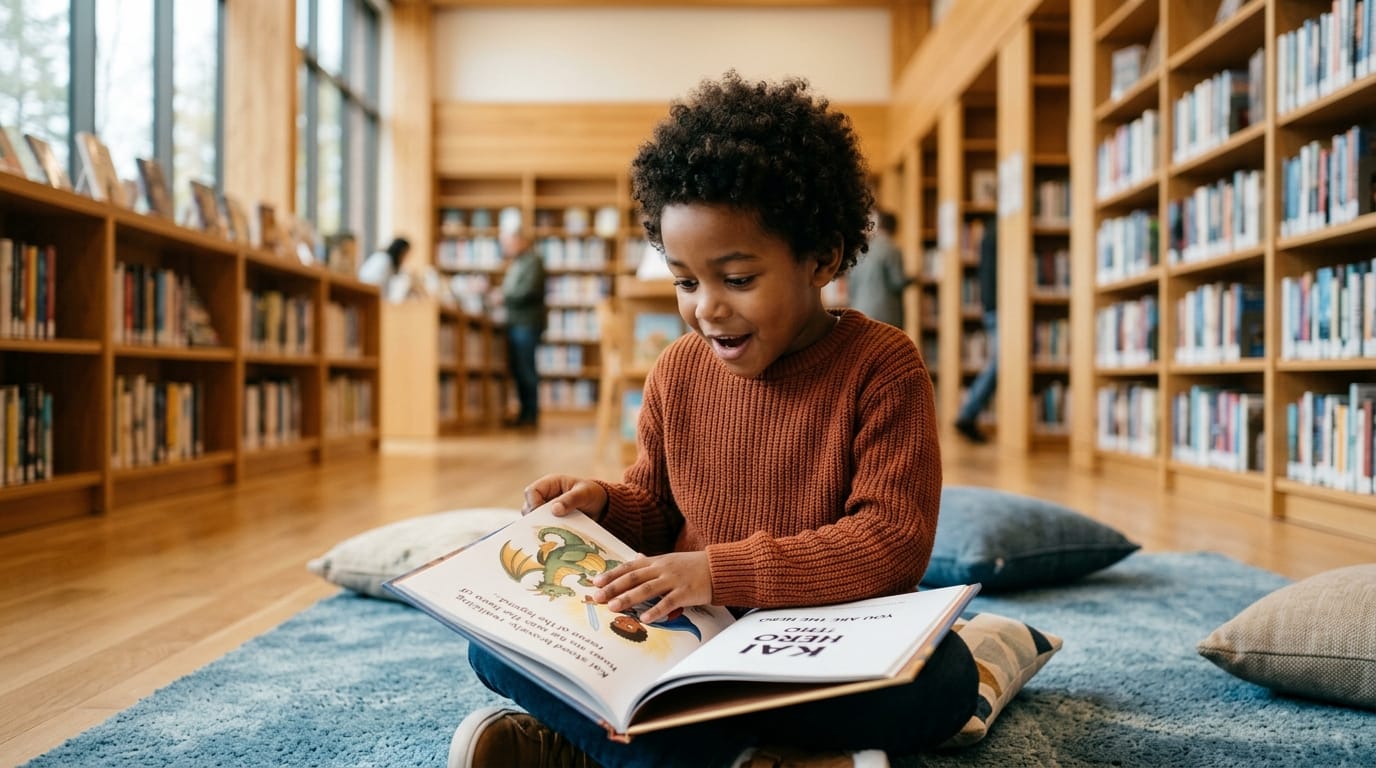
For decades, the picture book has served as the primary bridge between a child’s imagination and the reality of the world around them. It is the first gallery they visit, the first lecture hall they attend, and the first window they look through to see lives different from their own. However, as we move through {YEAR}, many parents and educators are noticing a shift. The stories that comforted us thirty years ago often carry weight that doesn't quite fit the modern landscape.
Whether it is the "hyper-independence" of our digital age or the outdated social dynamics found in older classics, the traditional picture book is undergoing a necessary evolution. At the heart of this transformation is the rise of personalized books. By placing a specific child at the center of the narrative, we aren’t just changing a name on a page; we are fundamentally altering how a child absorbs the values of community, empathy, and self-worth.
The Neighborly Narrative: From Isolation to Community
In a world where takeout is dropped on a porch without a word and neighbors are often faces glimpsed through a doorbell camera, the concept of "community" has become increasingly abstract for children. Many adults today admit to a certain "allergic" reaction to the unexpected knock at the door, yet we recognize that this isolation isn't sustainable. We want our children to grow up in a world where they look for the helpers—and, more importantly, where they are the helpers.
Standard picture books often depict community in a generic sense—a friendly baker, a helpful mail carrier, a kind librarian. While these are wonderful archetypes, they can feel like distant characters in a play. When we introduce personalization into these stories, the dynamic shifts.
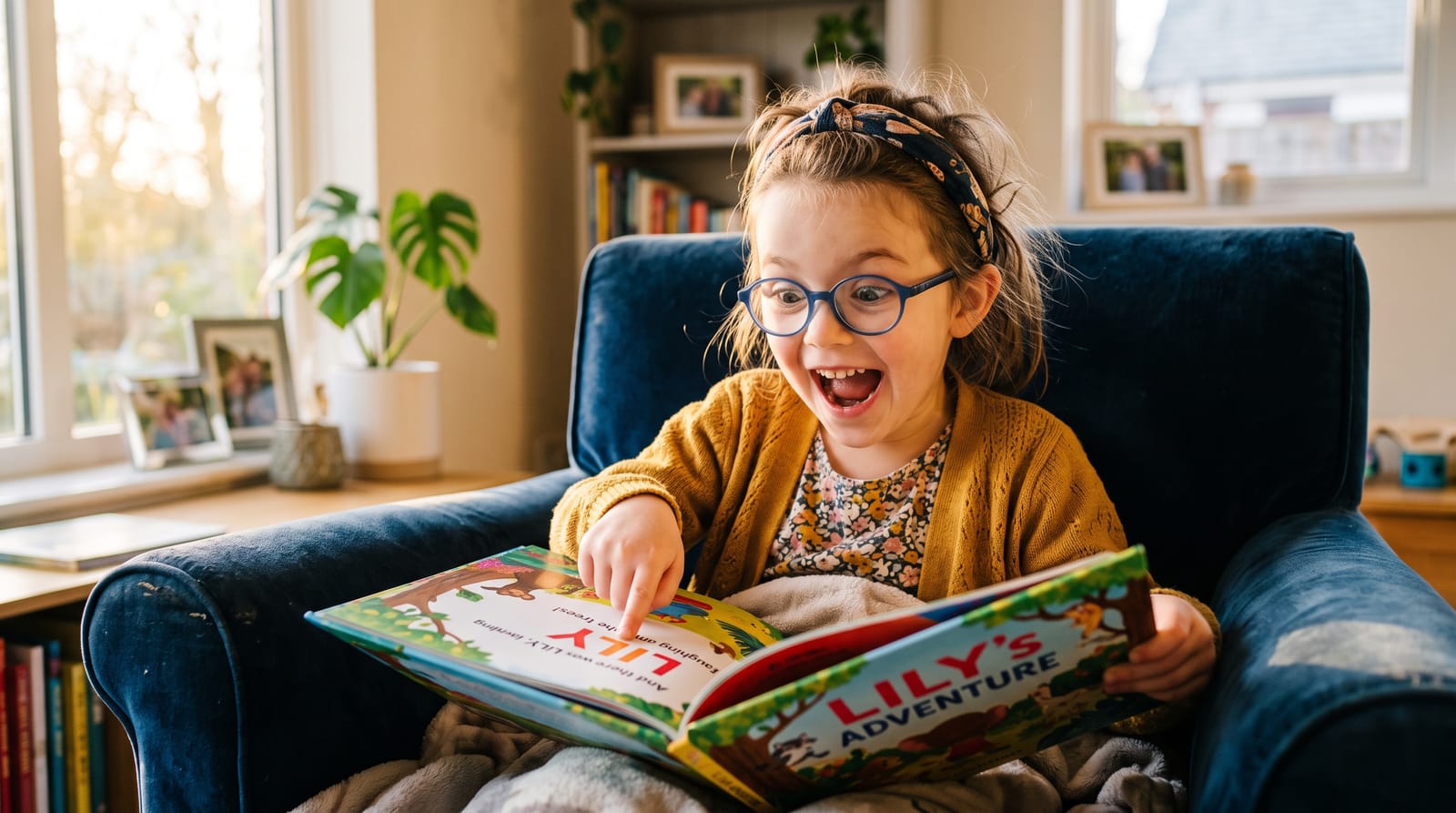
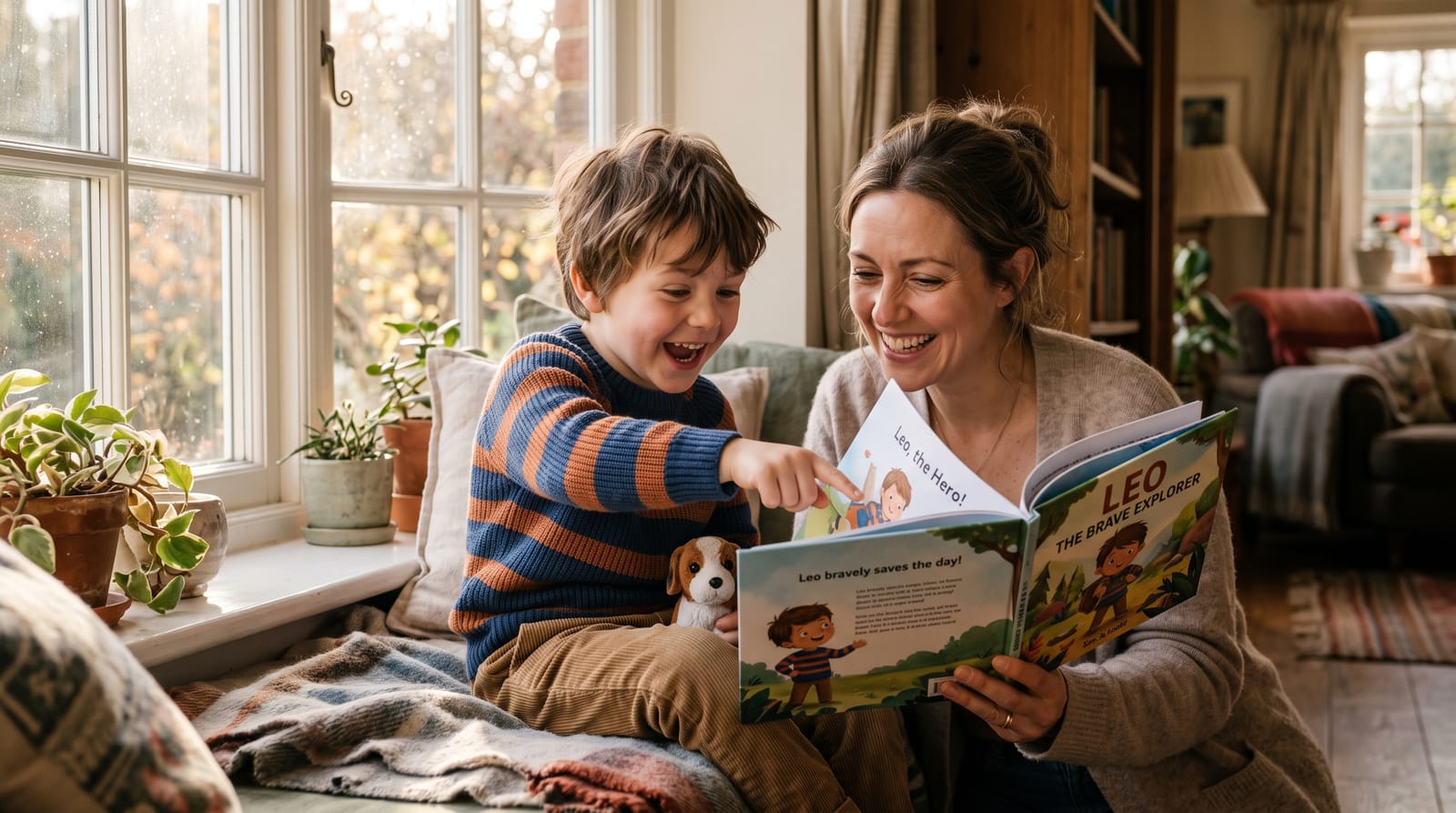
When a child sees themselves as the one who notices a neighbor in need, the lesson moves from a theoretical moral to a lived experience. It addresses the modern "isolation trap" by making the child the protagonist of their own local world. They aren't just reading about a "good neighbor"; they are practicing being one. This is a crucial step in modernizing the picture book with personalization, as it transforms the act of reading from passive observation into active social rehearsal.
Moving Beyond the "Giving Tree" Dilemma: Teaching Healthy Reciprocity
Many of us hold deep nostalgia for the books of our youth, but as we re-read them to our own children, we sometimes find the messages haven't aged as well as the illustrations. Take, for example, stories that equate love with total self-sacrifice—where one character gives until they are a mere stump of their former self. While the intent was to teach generosity, the modern parent often wants to teach something more nuanced: the balance between being giving and maintaining one’s own boundaries.
The "picture book" as a medium is perfectly suited for this recalibration. Modern stories are moving away from one-sided dynamics and toward themes of mutual respect and emotional intelligence. Personalized books take this a step further. When a story is tailored to a child, the narrative can model healthy relationships where the child’s name is associated with both kindness and self-respect.
Instead of a child learning that "love means giving everything away," a personalized narrative can show them that "my kindness helps others, and my friends' kindness helps me." This creates a "Narrative Glue" that helps children understand their place in a web of relationships rather than a hierarchy of sacrifice. By reimagining picture book narratives for modern families, we ensure that the books on our nightstands reflect the emotional health we want for our kids in {YEAR}.
Representation as an Embodied Experience
There is a long-standing mantra in children’s literature: kids need both "mirrors" to see themselves and "windows" to see others. Traditionally, this has been achieved through diverse characters and inclusive storylines. While this progress is vital, there is a third category that personalized books are uniquely positioned to fill: the "doorway."
Consider the world of athletics and achievement. We want our daughters to see themselves as champions, our sons to see themselves as empathetic leaders, and all children to see that their physical or neurological differences are not barriers to being the hero. While a standard book about a female athlete is inspiring, a personalized book where the child is the one climbing the rock wall or winning the race changes the cognitive impact.
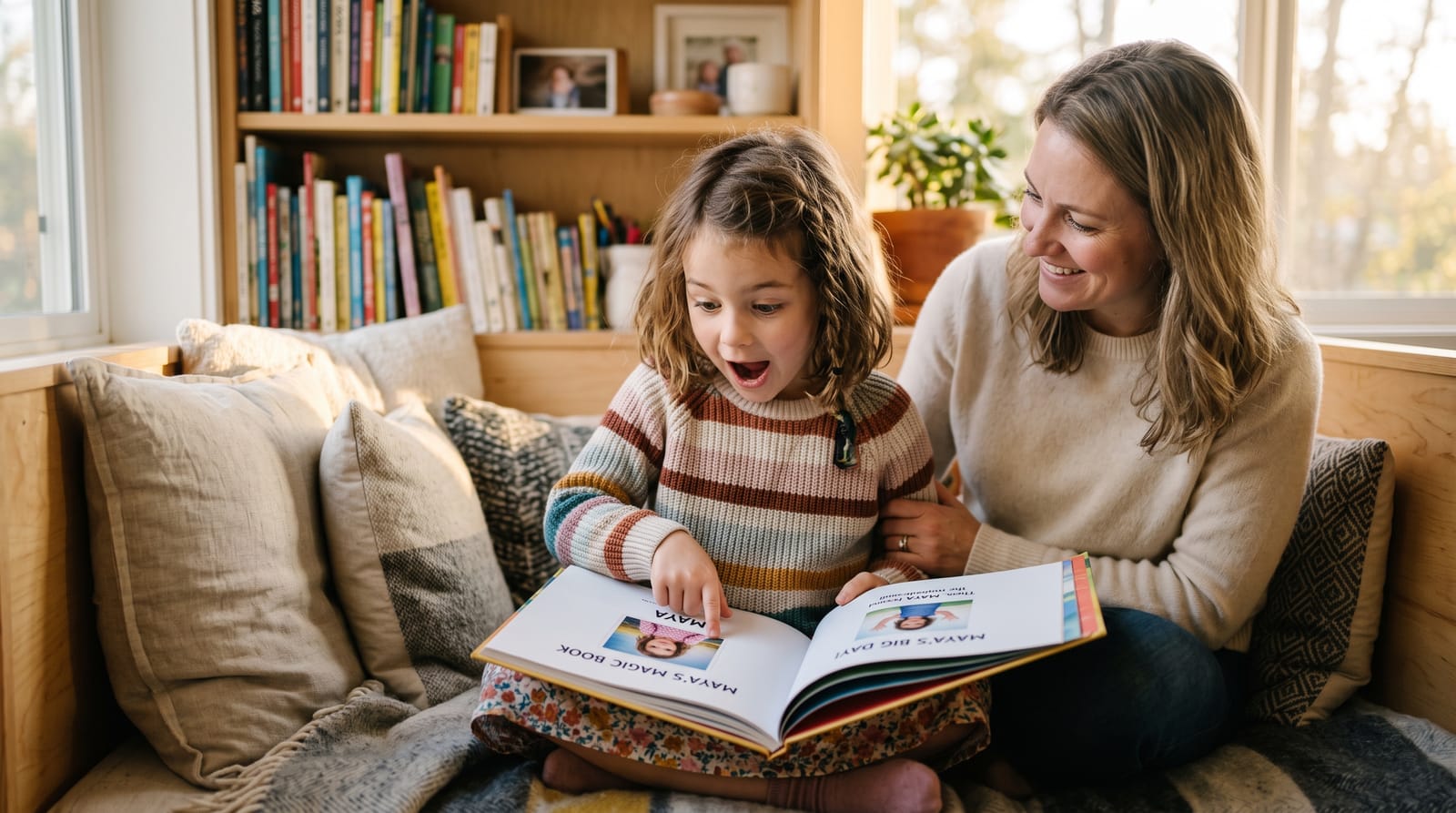
This is what we call "embodied representation." It’s the difference between saying "girls can be hockey players" and "I am a hockey player." For children from underrepresented backgrounds, or for those who don't often see their specific family structure in print, personalized books provide a sense of representation and embodiment that is deeply personal. It bridges the gap between seeing a hero and believing you are one.
The Impact of Year-Round Visibility
One of the critiques of modern children’s media is that representation is often "seasonal"—we celebrate certain identities in specific months and then return to a default. Personalized books solve this by making the child’s identity the permanent "default." Whether it’s March or October, the child remains the star, reinforcing that their presence in the world is not a special occasion, but a constant reality.
The Psychology of the "Name-Recognition Effect"
Why does it matter so much if a child’s name is in the book? It’s more than just a novelty. Developmental psychologists have long noted that children are wired to respond to their own names and likenesses. This is often referred to as the "self-reference effect." When information is related to the self, it is more deeply processed and better remembered.
In the context of a picture book, this means:
- Increased Engagement: A child who might struggle to sit through a standard story will often be rapt when they realize the book is about them.
- Greater Empathy: By "living" through the character’s challenges, the child develops a stronger emotional vocabulary.
- Literacy Gains: Name recognition is one of the first steps toward reading. Seeing their name in various contexts helps solidify the connection between spoken and written language.
StorytimeHero focuses on this psychological bridge, ensuring that the stories aren't just "customized," but are crafted to resonate with the child’s developmental milestones. This is a key part of how personalization is bridging gaps in the modern picture book.
Future-Proofing the Bookshelf in {YEAR}
As we look toward the future of children's publishing, the trend is clear: the one-size-fits-all approach is fading. Parents are looking for stories that reflect their specific values, their unique family units, and the modern world’s complexities.
Personalized books allow us to "future-proof" our children's libraries. Instead of worrying if a book from twenty years ago still "works," we can create stories that are inherently relevant because they are built around the one person who matters most in that reading moment: the child.
By focusing on themes like:
- Resilience: Showing the child overcoming a specific fear.
- Environmental Stewardship: Making the child the guardian of a local park.
- Digital Citizenship: Modeling how to be kind in a connected world.
...we are using the "picture book" as a tool for modern parenting. The story becomes a living document of the child’s growth and the family’s evolving journey.
Creating Lasting Traditions
Beyond the educational and developmental benefits, there is the simple magic of the "keepsake." In an era of digital ephemera, a physical book that bears a child's name becomes a tangible artifact of their childhood. It is a message from the parent to the child: "You are the center of this story. You are important enough to be the hero."
This sense of belonging is perhaps the most significant way that personalized books address the limitations of the traditional picture book. They move the child from the sidelines of the "everyman" story into the spotlight of their own unique life. As we continue to evolve the modern picture book experience, we find that the most powerful stories aren't just the ones we read—they are the ones we belong to.
---
FAQ: What Parents Ask About Personalized Books
Q: Are personalized books only for children who have trouble focusing on reading?
A: Not at all! While the increased engagement is a massive help for reluctant readers or children with ADHD, personalized books are a "premium" experience for all children. They help advanced readers engage more deeply with complex emotional themes by making the stakes personal.
Q: At what age should I start giving my child personalized books?
A: It’s never too early. For infants and toddlers, seeing their name and image helps with self-recognition and early language development. For older children (ages 4-8), it serves as a powerful tool for building empathy and confidence.
Q: Can personalized books help with specific "big transitions," like starting school or a new sibling?
A: Yes, this is one of their greatest strengths. By creating a "social script" where the child successfully navigates a new experience, you are giving them a mental roadmap to follow in real life. It reduces anxiety by making the unknown feel familiar.
---
Related Reading
- Modernizing the Picture Book: The Power of Personalization
- How Personalization Solves the Modern Picture Book Dilemma
- The Evolution of the Picture Book: Bridging Gaps with Personalization
- Personalization and the Modern Picture Book
- How Personalized Books Evolve the Picture Book
In the end, the "picture book" is more than just paper and ink. It is a vessel for the values we want to pass down. By embracing personalization, we ensure that those values aren't just heard—they are felt, remembered, and lived. StorytimeHero is proud to be part of this evolution, helping families create stories that are as unique and vibrant as the children who read them.
Free preview checklist
Get the personalized book gift checklist
Know what photo to use, what to write in the dedication, and what to review before ordering.