Personalized Social Stories: How to Use Them
Start a cover preview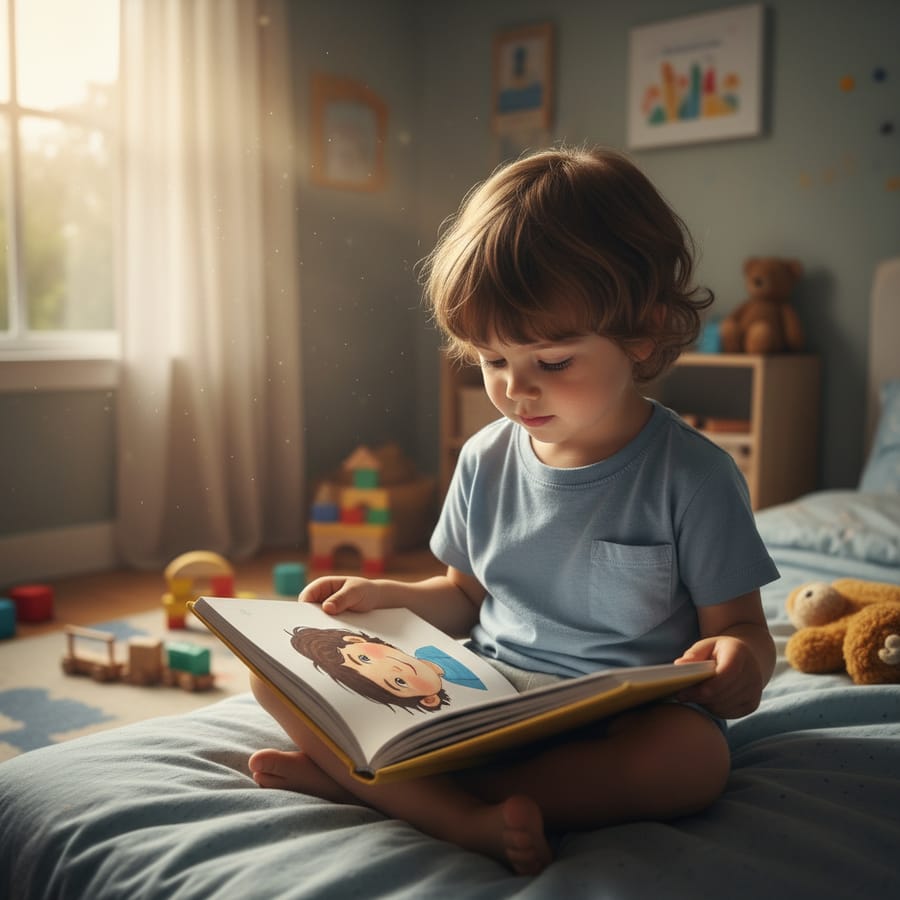
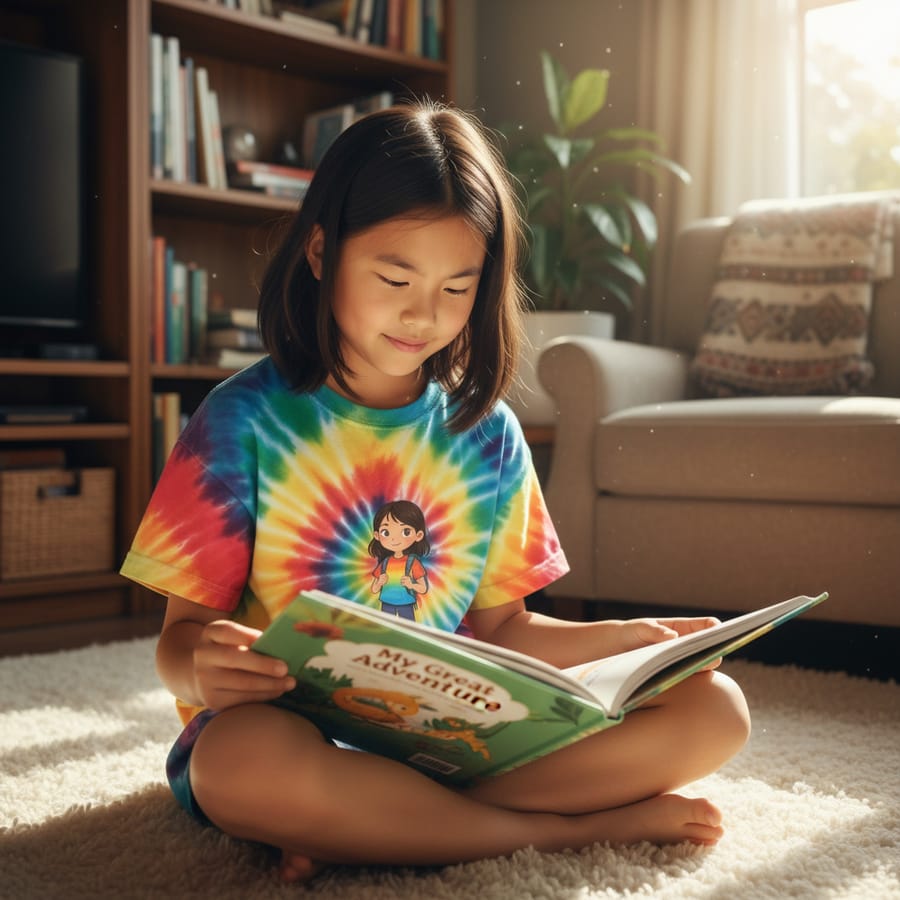
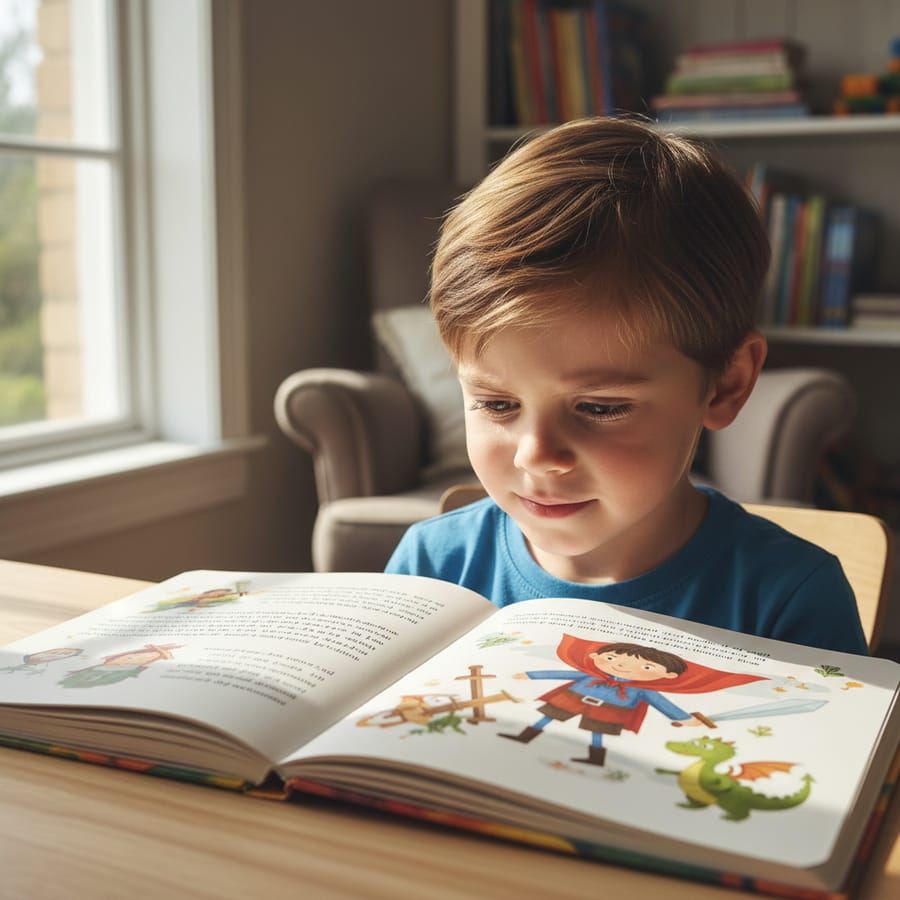
We’ve all been there as parents: your child is facing a big change, like starting a new school or heading to the dentist for the first time, and the anxiety is palpable. You try to explain what will happen, but sometimes words just aren't enough. Children, especially those who are visual learners or neurodivergent, often need a roadmap to navigate the complex social world around them. This is where personalized social stories become a total game-changer. By putting your child directly into the narrative—complete with their own face in the illustrations—you aren't just telling them what to expect; you are showing them that they are capable of handling the situation.
What Exactly Are Personalized Social Stories?
At its core, a social story is a short, simple description of a particular situation, event, or activity. It includes specific information about what to expect and why. Originally developed by Carol Gray in the early 1990s, these stories were designed to help children with autism navigate social cues. However, parents and educators quickly realized that all children benefit from having a clear, visual guide to new experiences.
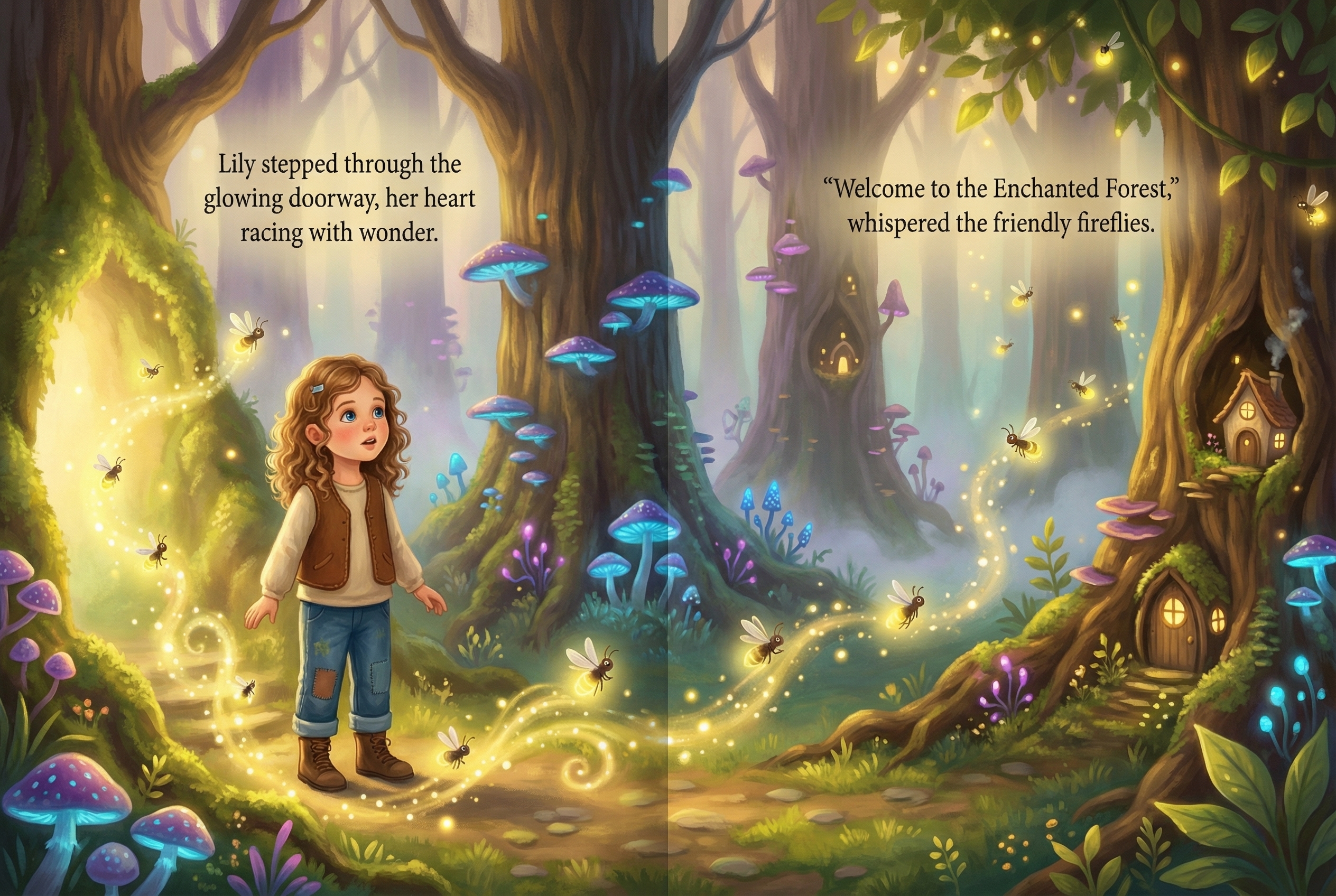
When we talk about personalized social stories, we take that concept to the next level. Instead of a generic cartoon character, the "hero" of the book is your child. Imagine a book about potty training where the main character has your son’s curly hair and bright blue eyes, or a story about sharing where your daughter sees herself successfully handing a toy to a friend.
Using personalized children's books for social learning works because it taps into a psychological concept called "self-modeling." When a child sees themselves performing a task or behaving in a certain way in a book, their brain begins to map out those same actions in real life. It bridges the gap between a scary "unknown" and a confident "I can do this."
Why Personalized Social Stories Work Better Than Generic Ones
You might find plenty of books at the library about going to the doctor or being a good friend. While those are great, they often lack the emotional "hook" that a personalized version provides. Here is why making it personal changes the outcome:
- Increased Engagement: Let’s be honest—kids are a little bit narcissistic in the cutest way possible. They love seeing themselves! When a child opens a book and sees their own face looking back at them through AI-generated illustrations, their attention span doubles.
- Reduced Cognitive Load: In a generic book, the child has to do the mental work of translating the character's experience to their own. They have to think, "That bear is sitting in a chair, so I should sit in a chair too." With personalized social stories, that mental step is removed. They see themselves in the chair, making the lesson immediate and clear.
- Emotional Safety: Seeing yourself succeed in a story creates a sense of "pre-lived experience." If a child sees a picture of themselves smiling at the dentist, the actual dental office feels less like a foreign planet and more like a place they’ve already visited and conquered.
- Relevance: You can tailor the story to your child's specific triggers or needs. If your child is specifically afraid of the "loud vacuum" at the dentist, you can include that in their personalized book, whereas a generic book might skip it entirely.
By using tools like StorytimeHero.ai, you can create these narratives in minutes, ensuring the story is perfectly aligned with your child's real-world environment. This is a core part of our mission in our personalized storytelling hub, where we explore how technology helps kids grow emotionally.
Common Scenarios for Using Personalized Social Stories
There is no limit to the topics you can cover, but some situations are particularly well-suited for this approach. Here are a few real-world examples of how parents use personalized social stories to make daily life smoother.
Navigating Transitions and School
Starting kindergarten or moving to a new grade is a massive shift. A story can walk them through the "first day" routine: putting their backpack in the cubby, saying goodbye to Mom or Dad (and knowing they will come back), and sitting on the rug for circle time. Seeing their own face in the classroom setting within the book helps ease the "new school jitters."
Managing Medical and Dental Visits
Medical anxiety is real! A personalized book can show your child sitting bravely on the tall paper-covered table, letting the doctor listen to their heart, and receiving a sticker at the end. Because the illustrations feature their uploaded photo, they can visualize themselves being the "brave patient" before they even step foot in the clinic.
Mastering Daily Routines
If mornings are a struggle in your house, a story about the "Morning Hero" can help. The book can show your child waking up, brushing their teeth, getting dressed, and eating breakfast. It turns a boring (and often stressful) routine into a mission that they are already the star of. This is one of the most popular ways to use custom children's books for behavioral support.
Social Skills and Peer Interaction
Learning to share, taking turns, or understanding personal space can be tricky. You can create a story where your child interacts with friends or siblings. The narrative can explain why we share (it makes our friends happy) and how to ask for a turn. Seeing themselves as a "kind friend" in the illustrations reinforces their identity as a positive social participant.
How to Create an Effective Social Story for Your Child
You don't need to be a professional author to create a great social story. The goal is clarity and positivity. Here is a simple framework you can follow when setting up your book on StorytimeHero.ai:
- Identify the Goal: What specific behavior or situation are you trying to help with? Focus on one topic at a time.
- Use "I" and "My" Statements: Write from the child's perspective. "I put on my shoes. I feel proud when I do it myself."
- Describe the Environment: Mention the sights, sounds, and people they will actually encounter.
- Include Internal Feelings: Don't just describe actions; describe emotions. "Sometimes I feel nervous, and that’s okay. I can take a deep breath."
- Focus on the Positive: Instead of saying "I won't scream," say "I will use my quiet indoor voice." Always tell the child what to do rather than what not to do.
- The Power of the Visual: Ensure the photos you upload for the AI illustrations are clear. Seeing their own smiling face is the "magic ingredient" that makes the story stick.
Step-by-Step: How to Introduce a New Story to Your Child
Once you have your personalized book in hand, how you introduce it matters just as much as the content itself. You want the experience to be low-pressure and fun.
Choose the Right Timing
Don't wait until your child is in the middle of a meltdown to pull out the book. Read it when they are calm, fed, and relaxed. Bedtime stories are often the perfect time because your child is already in a "listening mode" and ready to cuddle.
Make it an Interactive Experience
As you read, ask questions. "Look, there you are in your red shirt! What are you doing in this picture?" Point to the illustrations and let them identify themselves. This strengthens the connection between the book and their identity.
Read it Often
Repetition is how children learn. Read the story every day for a week leading up to a big event. The more familiar the story becomes, the more the "mapped" behavior becomes second nature to them.
Use it as a Reference in Real Life
When the real-life situation occurs, use the language from the book. "Remember in your book how you took a big breath when the doctor used the stethoscope? Let's do that now, just like the hero in the story!" This reminds them that they have already "practiced" this moment.
The Science of Self-Modeling and AI Illustrations
You might wonder why we put so much emphasis on the AI illustrations featuring your child’s uploaded photo. It’s not just a "neat feature"—it’s based on how the human brain processes information.
Our brains have something called "mirror neurons." These are cells that fire both when we perform an action and when we observe someone else performing that same action. When a child sees a character that looks exactly like them, those mirror neurons fire even more intensely. The brain effectively "practices" the behavior just by looking at the image.
In the past, creating these stories was hard. Parents had to cut out photos and glue them into notebooks. Now, with personalized adventure books and AI technology, we can create high-quality, professional-looking stories that kids actually want to read over and over again. The educational benefits of stories are magnified when the child is the protagonist.
Tips for Making Your Personalized Books Even More Effective
To get the most out of your personalized social stories, keep these practical tips in mind:
- Keep it Brief: For younger children (ages 2-5), keep the story to 10-12 pages. You want to finish the book while they are still engaged.
- Use Real Names: If the story involves a specific teacher (like Mrs. Smith) or a pet (like Buddy), use those names in the text. The more specific the details, the more "real" it feels to the child.
- Highlight the "Why": Children are more likely to cooperate when they understand the reason behind a rule. "I wear my helmet so my head stays safe and strong."
- Celebrate the Win: Every social story should end on a high note. Show the child feeling happy, proud, or relaxed at the end of the narrative. This associates the target behavior with a positive emotional reward.
- Update as They Grow: As your child masters one skill, you can create a new story for the next challenge. Social stories are a tool that can grow with your child from toddlerhood through elementary school.
Frequently Asked Questions
Related Reading
- How Personalized Books Build Self-Esteem in Toddlers
- The Role of AI in Modern Childhood Education
- Preparing Your Child for the First Day of School with Stories
- Using Visual Aids to Improve Bedtime Routines
- The Science Behind Mirror Neurons and Reading
- Why Representation Matters in Your Child's Library
- Creating a Positive Reward System with Personalized Books
Free preview checklist
Get the personalized book gift checklist
Know what photo to use, what to write in the dedication, and what to review before ordering.