Personalized Books for Dyslexia-Friendly Reading
Start a cover preview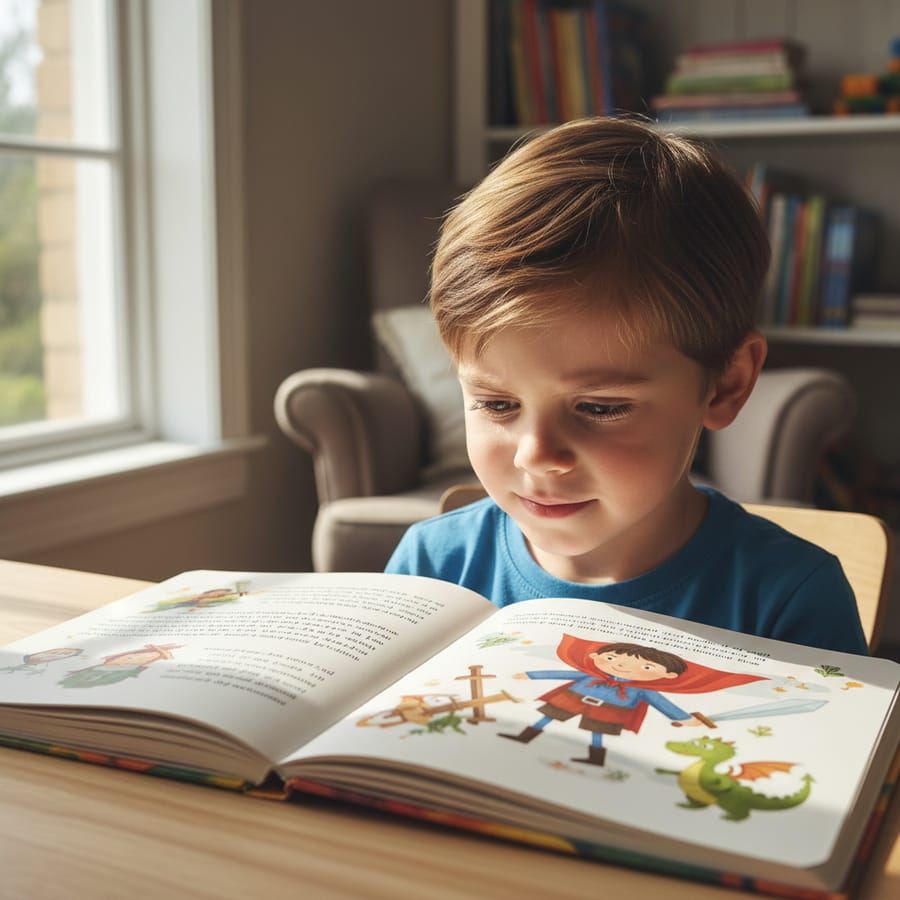
If you have a child who struggles with dyslexia, you know that heavy feeling in your chest when it’s time for "reading practice." You see the frustration in their eyes, the way they might fidget or try to find any excuse to walk away from the page. It’s hard to watch your brave, creative kid feel defeated by a string of letters. But what if we could change the way they look at books? What if the story wasn't just a chore, but a mirror? Using personalized books for dyslexia-friendly reading can be a total game-changer because it shifts the focus from the struggle of decoding to the excitement of being the hero. When your child sees their own face in the illustrations and reads their own name on the page, the "wall" of reading starts to crumble, replaced by a sense of wonder and belonging.
Why Personalized Books for Dyslexia-Friendly Reading Change the Game
For a child with dyslexia, the brain processes language differently. It’s not about intelligence; it’s about how the "wires" are connected for decoding sounds and symbols. Because reading takes so much extra mental energy, these kids often get tired quickly. This is where personalized storybooks come in to save the day.
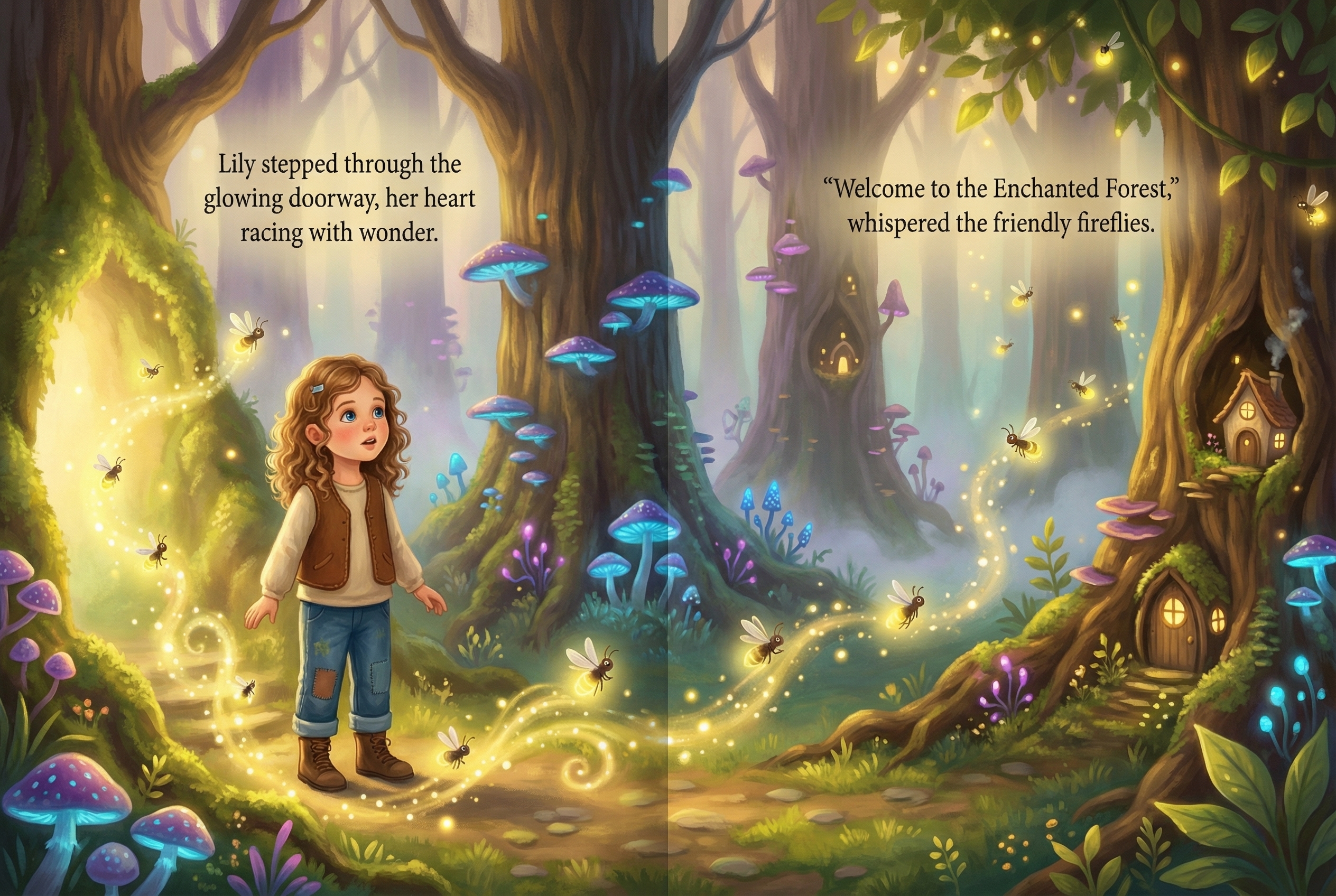
When a book is personalized, it taps into something called "high-interest" reading. If a story is about a generic character, a child with dyslexia might check out the moment the words get tough. But if the story is about them—if they are the one flying the spaceship or saving the enchanted forest—their motivation skyrockets. They want to know what happens next because it’s happening to them.
Personalization acts as a bridge. It takes the "work" of reading and wraps it in a blanket of emotional connection. By using personalized books for dyslexia-friendly reading, you are giving your child a reason to push through the difficult parts. They aren't just practicing phonics; they are experiencing an adventure where they are the star.
Reducing the "Reading Wall" with Familiar Faces
One of the biggest hurdles for dyslexic readers is visual tracking and staying engaged with the narrative flow. When a child looks at a page of text, the letters might seem to jump around or blur together. This leads to "reading fatigue."
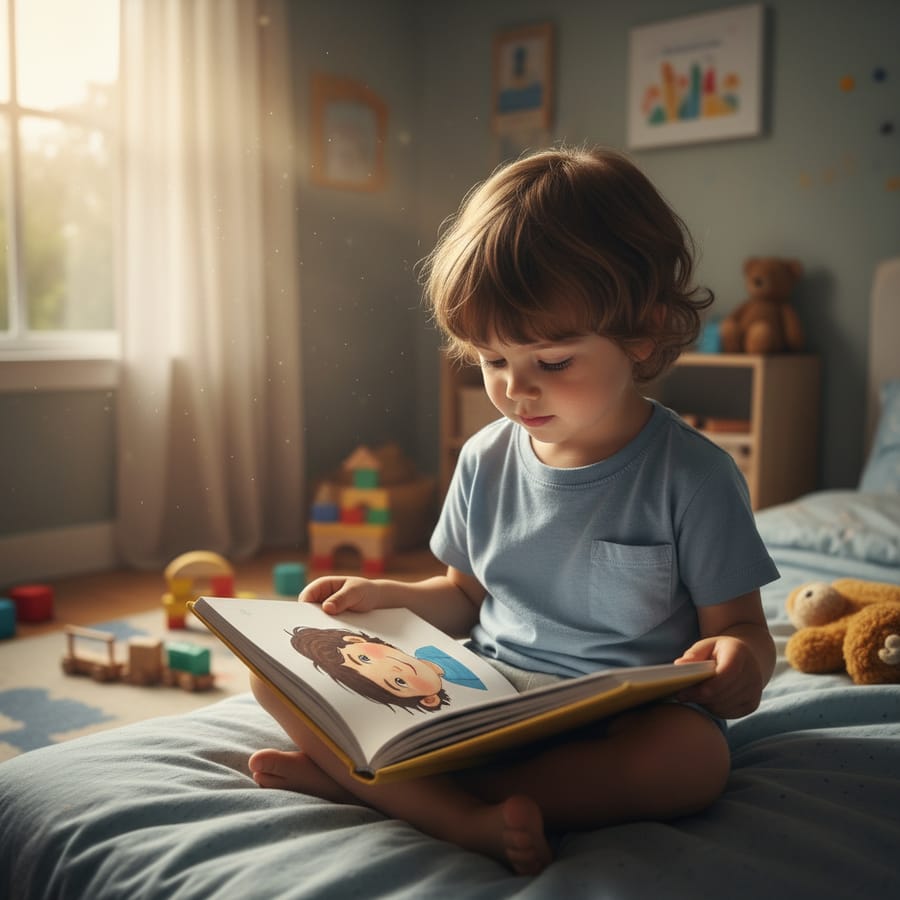
At StorytimeHero.ai, we use AI-generated illustrations that feature your child’s uploaded photo. This isn't just a fun gimmick; it’s a powerful tool for literacy. When a child sees their own face on every page, it provides a "visual anchor." Their brain recognizes themselves instantly, which creates a shot of dopamine. This positive reinforcement helps keep them glued to the story even when the sentences get a little longer.
Imagine your child opening a book and seeing themselves standing next to a dragon. They aren't just looking at a cartoon; they are looking at themselves. This creates a level of immersion that standard books simply can’t match. It helps them stay focused on the context of the story, which is a huge help for comprehension. If they can see what’s happening through the pictures of themselves, they can more easily "guess" or deduce the words on the page, building their confidence one sentence at a time.
How Personalized Books for Dyslexia-Friendly Reading Boost Confidence
Confidence is often the first thing to go when a child is diagnosed with a learning difference. They see their peers zooming through chapter books while they are still working hard on basic sentences. This can lead to a "fixed mindset" where the child decides they are just "not a reader."
Using personalized books for dyslexia-friendly reading helps flip that script. In these stories, the child is always the hero. They are the ones solving the mystery, showing bravery, and helping others. This does two very important things:
- It separates the struggle from the identity. Your child learns that even if reading is hard, they are still capable, smart, and heroic.
- It creates "Easy Wins." Because the child’s name appears frequently, they get to read a word they know perfectly every single time. Seeing "Charlie" or "Maya" on the page gives them a moment of recognition and success.
When you use customized children's stories, you are telling your child that they are worthy of being the center of the narrative. This emotional boost can be the difference between a child who gives up and a child who keeps trying.
Building Vocabulary Through Personal Connection
Dyslexia can make it hard to build a large "sight word" vocabulary because the brain doesn't always store the visual map of a word easily. However, we all have a very strong connection to words that are personal to us.
In a personalized book, the vocabulary is often centered around the child’s world. Their name, their pet’s name, or even their favorite hobbies can be woven into the text. This makes the words more "sticky" in their memory.
- Repetition with Purpose: Personalized books often repeat the hero's name. This constant repetition of a familiar word helps build rhythm.
- Contextual Clues: Because the child knows the story is about them, they can use their own life experiences to predict what the text might say.
- Reduced Anxiety: When a child isn't afraid of the book, their brain is more open to learning new words. Anxiety actually shuts down the part of the brain responsible for language processing. By making the book fun and personal, you keep that "learning window" open.
By choosing personalized adventure books, you are providing a low-stress environment for vocabulary growth. It’s much easier to learn the word "mountain" when you are the one climbing it in the picture!
Choosing the Right Personalized Books for Dyslexia-Friendly Reading
Not all personalized books are created equal, especially when you are looking for something to help a child with dyslexia. Here are a few things to keep in mind when selecting a book:
Look for Clear Fonts and Spacing
While StorytimeHero.ai focuses on the incredible AI-driven visuals, the way the text is presented matters too. You want books that have a good amount of "white space" on the page. For a dyslexic reader, a page packed with tiny text is a nightmare. Look for stories where the text is broken into smaller chunks and is clearly separated from the images.
Focus on High-Quality Visuals
For a visual learner, the pictures are the map to the story. The more detailed and engaging the illustrations, the better. When you use a service that puts your child’s face into the book, you are giving them the ultimate visual aid. They can follow the plot visually, which supports their understanding of the written word.
Tailor the Subject Matter
Does your child love dinosaurs? Are they obsessed with space? One of the best ways to support a dyslexic reader is to give them books about topics they already love. This is why personalized gifts for kids that focus on their specific interests are so effective. If they are already an "expert" on sharks, they will have an easier time decoding words related to the ocean.
Actionable Tips for Parents of Dyslexic Readers
Owning a personalized book is a great first step, but how you use it makes all the difference. Here are some practical ways to make storytime more effective and less stressful:
1. Try "Paired Reading"
Sit with your child and read the book together. You can read a sentence, and then have them read the next one. Or, you can read the "big" words while they read their own name every time it appears. This keeps the story moving and prevents them from getting bogged down.
2. Use the "Picture First" Method
Before you even start reading the words, go through the book and look at the pictures of your child. Ask them, "What are you doing in this picture? How do you think you feel?" This builds "pre-reading" comprehension. When they finally get to the text, they already have a mental map of the story.
3. Record Yourself Reading
Many kids with dyslexia benefit from hearing the story while they follow along with their eyes. You can record yourself reading their StorytimeHero.ai book on your phone. They can hit play and turn the pages, seeing their own face as the hero while hearing your comforting voice.
4. Celebrate the Effort, Not Just the Accuracy
If your child struggles with a word but keeps trying, praise that persistence. "I love how you didn't give up on that tricky word!" For a child with dyslexia, the effort is the victory.
5. Make it a Multi-Sensory Experience
Have your child trace their name with their finger on the page. Let them act out the scenes they see themselves in. The more senses they use, the more likely the information is to stick.
Frequently Asked Questions
Related Reading
- The Power of Representation: Why Every Child Needs to Be a Hero
- How AI is Revolutionizing Children's Bedtime Stories
- 5 Tips for Raising a Reluctant Reader
- The Science Behind Visual Learning in Children
- Creating Lasting Memories with Personalized Photo Books
- Why "High-Interest" Books are Key for Learning Differences
- The Best Personalized Gifts for Every Occasion
Free preview checklist
Get the personalized book gift checklist
Know what photo to use, what to write in the dedication, and what to review before ordering.