Teaching Phonics Through Personalized Narratives
Start a cover preview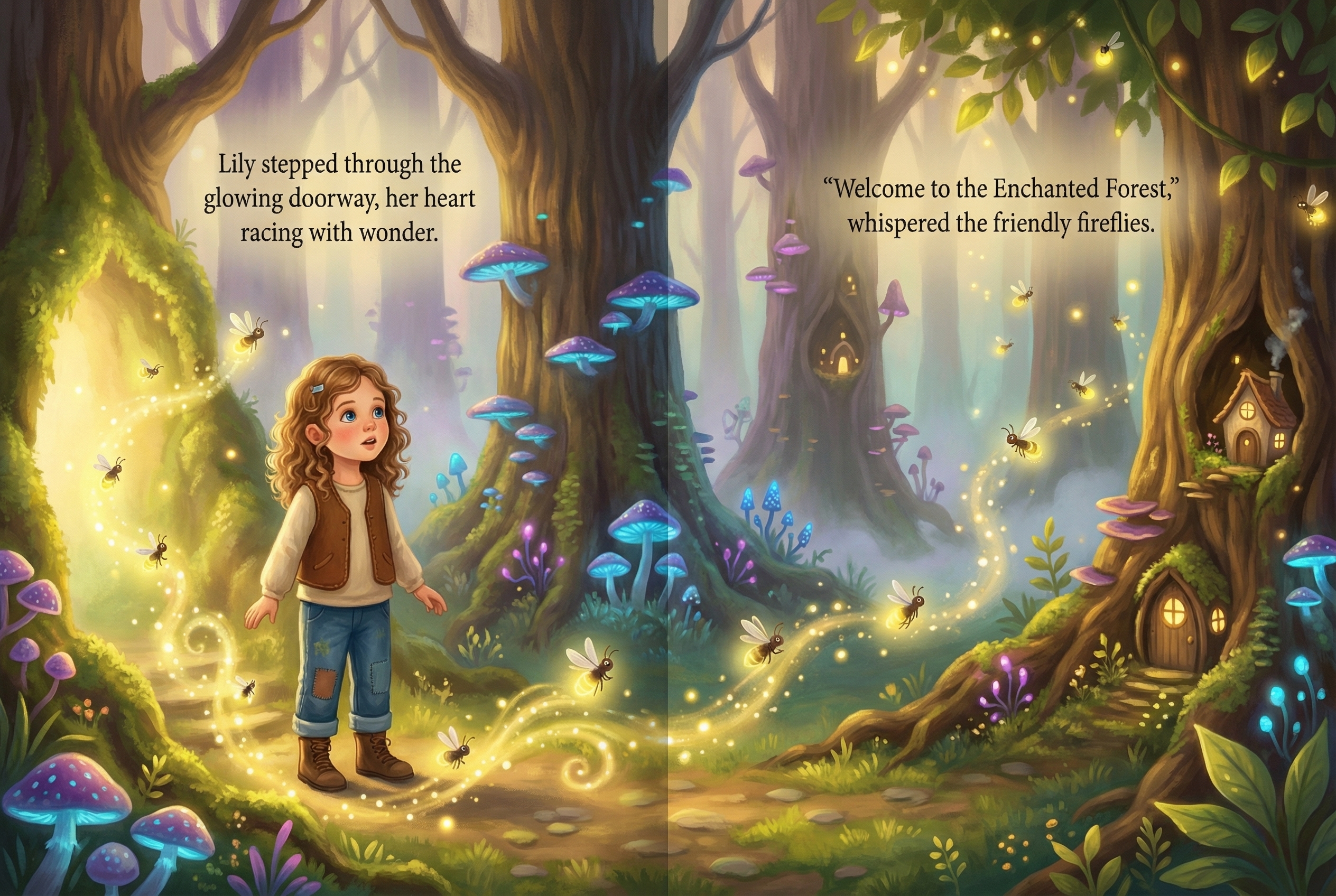
Do you remember the first time your child recognized their own name in print? That moment of pure magic—eyes widening, a finger pointing excitedly at the page—is more than just a cute milestone. It is the spark of literacy. For many parents, however, the journey from recognizing a name to actually reading sentences can feel like a steep mountain climb. We’ve all been there: sitting on the edge of the bed with a stack of dry phonics workbooks, watching our little ones’ eyes glaze over as we repeat "B says Buh" for the hundredth time. It’s frustrating for you and boring for them. But what if the secret to "cracking the code" of reading wasn't in a repetitive drill, but in a story where your child is the star? Teaching phonics through personalized narratives transforms a chore into a high-stakes adventure, making those tricky letter sounds finally click because they actually matter to the hero of the story—your child.
Why Teaching Phonics Through Personalized Narratives Works
When children see themselves as the main character in a book, their brain chemistry actually changes. This isn't just a marketing claim; it’s rooted in how kids learn. Most phonics programs use generic characters like "Nan the Cat" or "Bob the Dog." While these are fine for basic decoding, they don't always capture a child's imagination. When you are teaching phonics through personalized narratives, you are tapping into the "Self-Reference Effect." This is a psychological phenomenon where people remember information better when it is related to themselves.
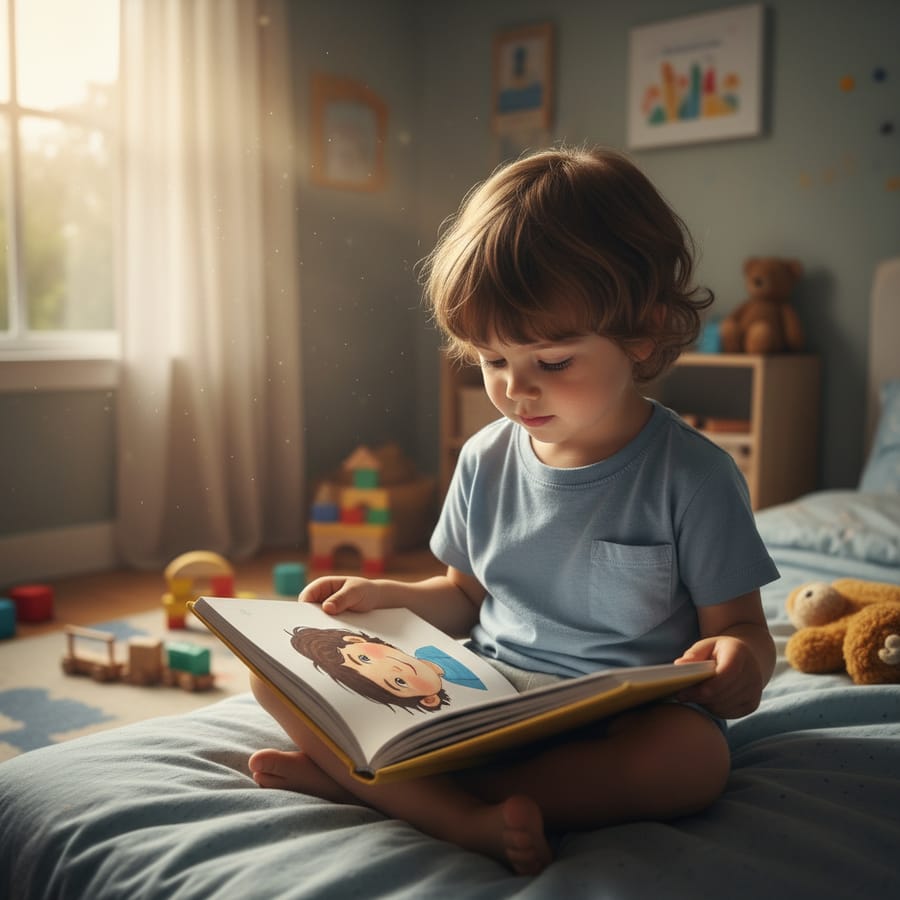
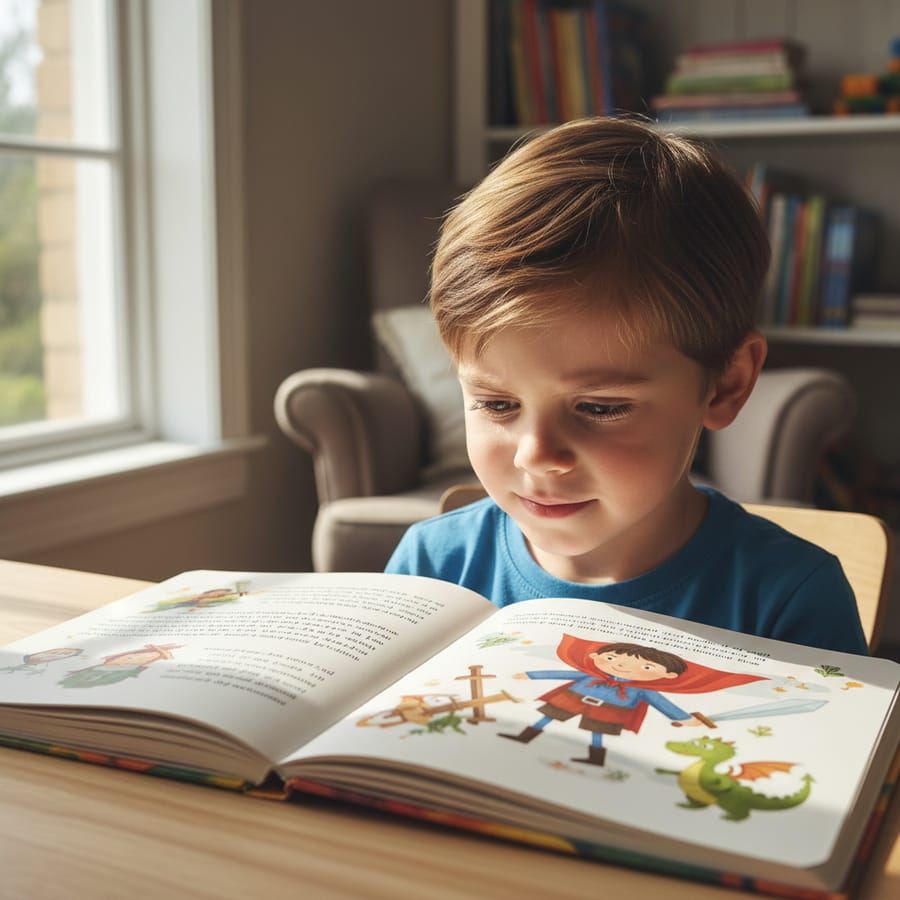
Imagine your child, Leo, opening a book where the hero looks exactly like him—not a cartoon version, but a real AI-generated illustration of his own face. Suddenly, he isn't just reading about a "lad on a pad." He is reading about Leo on a quest. When Leo encounters a word he needs to decode, his motivation to solve the puzzle is much higher because he wants to know what happens to him next.
Using personalized storybooks creates an emotional bridge to the text. Phonics requires a lot of "heavy lifting" for a young brain. It involves segmenting sounds, blending them back together, and memorizing irregular sight words. By placing your child in the center of the action, you lower their "affective filter"—the anxiety or boredom that blocks learning. When they are excited, they are more likely to take the risks necessary to sound out a difficult word.
The Connection Between Identity and Literacy
Early literacy is about more than just sounds; it’s about identity. When a child sees themselves in a book, they receive a powerful message: "Stories are about people like me. I belong in the world of books." This is especially important for children who might struggle with traditional learning methods.
By customizing hero adventures, you allow your child to see themselves succeeding. In a phonics-heavy narrative, the "boss" they have to defeat might be a locked door that only opens when they correctly identify the "sh" sound. Because it’s their own face on the page, the victory feels personal. This builds "reading self-efficacy," which is just a fancy way of saying they believe they can be a good reader.
When we talk about teaching phonics through personalized narratives, we are talking about building a foundation of confidence. A child who believes they are a hero in their stories will eventually believe they are a hero in the classroom. This confidence is the fuel that keeps them going when the phonics rules get complicated, like when they start learning about "silent e" or "vowel teams."
How StorytimeHero.ai Makes Teaching Phonics Through Personalized Narratives Easier
At StorytimeHero.ai, we’ve seen firsthand how AI-generated children's books can change the learning landscape. Traditional personalized books often just swap out a name. While that’s a start, it’s not always enough to sustain the deep engagement needed for phonics mastery. Our technology allows you to upload a photo of your child, which our AI then uses to create consistent, high-quality illustrations throughout the entire story.
Here is how this specific technology aids in teaching phonics through personalized narratives:
- Visual Context Clues: When a child sees a picture of themselves holding a "map," and the word "map" is on the page, the visual-verbal connection is instantaneous. The AI ensures the illustrations match the text perfectly, providing the support early readers need.
- Repetition Without Boredom: Phonics requires repetition. In a personalized story, you can have your child repeat their own name or actions they are performing. "Sam sits. Sam stands. Sam sings." Because it is Sam on the page, the repetition feels like a highlight reel rather than a drill.
- Custom Vocabulary: Does your child love dinosaurs? Or maybe they are obsessed with space? You can tailor the narrative to include words that interest them. Learning the "th" sound is much more fun in the word "Thalassodromeus" (for the dino-lovers) or "Earth" (for the astronauts).
- Focus and Attention: One of the biggest hurdles in phonics is keeping a child's attention on the page. When their own face is looking back at them, their "dwell time" on each page increases significantly. More time looking at the page means more time processing the letters and sounds.
By using our main guide to personalized books, parents can learn how to structure these stories to maximize educational value while keeping the "fun factor" at a maximum.
Practical Strategies for Teaching Phonics Through Personalized Narratives at Home
You don't need a degree in education to be your child's best phonics teacher. You just need the right tools and a little bit of creativity. Here are some actionable ways you can use personalized stories to boost your child's reading skills:
1. The "Hero's Name" Hunt
Start with the most important word in the book: your child's name. Before reading the story, have them find their name on every page. This teaches them that letters carry meaning and that specific combinations of letters always represent the same sound. Once they’ve mastered their name, move on to other recurring characters or objects in their personalized world.
2. Sound-to-Action Blending
In a StorytimeHero.ai book, your child might be jumping, running, or climbing. Use these action words for blending practice. Point to the word "run" and say the sounds slowly: "/r/... /u/... /n/." Then, have your child do the action while saying the word fast: "Run!" This physical movement helps "lock in" the phonics sounds in their long-term memory.
3. Personalized Sight Word Walls
Take the most common words from your child's personalized story—words like "the," "is," "and," or "you"—and put them on a "Hero Wall" in their room. Because they recognize these words from a story where they are the star, they will feel a sense of ownership over them. You can even use the benefits of reading for kids to explain to them why learning these "power words" makes them a stronger hero.
4. Interactive "What Happens Next?"
Phonics isn't just about decoding; it's about comprehension. After your child sounds out a sentence like "The red box is big," ask them, "What do you think is inside that box for you?" This keeps them engaged with the meaning of the words they just worked so hard to decode.
5. Create a "Phonics Routine"
Consistency is key. Incorporate your personalized book into a regular bedtime story routine. Spend five minutes of that time focusing specifically on phonics—maybe picking one "letter of the night" to search for throughout their adventure.
Moving Beyond Flashcards: The Power of Context
Flashcards have their place, but they lack context. A child might be able to say "/a/ /p/ /p/ /l/ /e/" when looking at a card, but that doesn't mean they can read it in a sentence. Context is the "glue" that makes phonics stick.
When you are teaching phonics through personalized narratives, every word exists within a meaningful framework. If the story says "You see a big dog," the child uses the initial "d" sound combined with the picture of themselves looking at a dog to solve the word. This is called "multi-cueing," and it’s how fluent readers actually operate. We don't just look at sounds; we look at the whole picture.
Personalized books provide a safe environment for this. In a standard classroom book, a child might feel embarrassed if they get a word wrong. In a book where they are the hero, the "mistake" is just a part of the adventure. You can say, "Oh, the hero needs to try that sound again to unlock the treasure!" This reframes the struggle of phonics as a challenge to be conquered, not a failure.
Overcoming Common Phonics Hurdles with Custom Stories
Every child hits a "wall" at some point in their reading journey. For some, it’s the "b" and "d" reversal. For others, it’s the frustration of words that don't follow the rules (like "was" or "said"). Personalized narratives offer unique solutions to these hurdles.
- Letter Reversals: If your child struggles with "b" and "d," create a story where they have to choose between two paths—the "B" path or the "D" path. Use visuals of them standing next to these letters. The personal association helps them distinguish the two.
- Irregular Words: We call these "Heart Words" because you have to learn them by heart. In a personalized story, you can make these words "magic spells" that the hero (your child) has to say to move the plot forward.
- Lack of Motivation: This is the biggest hurdle of all. If a child doesn't see the point of reading, they won't put in the effort. By making the story about their life, their face, and their dreams, you provide an immediate and undeniable reason to learn to read.
Actionable Tips for Parents
If you're ready to start teaching phonics through personalized narratives, here are some quick tips to keep in mind:
- Keep it Short: For early readers, 10–15 minutes of focused phonics work is plenty. Use the personalized book for the "heavy lifting" and then just read for pleasure.
- Point as You Read: Always run your finger under the words as you read them. This helps your child understand "tracking"—the idea that we read from left to right and top to bottom.
- Celebrate the Small Wins: Did they sound out a three-letter word (CVC word) by themselves? That’s a huge deal! Give them a "Hero High-Five."
- Use the AI Illustrations: Don't just ignore the pictures. Ask, "What is [Child's Name] doing in this picture? What letter does that start with?"
- Let Them Lead: Sometimes, let your child "read" the story to you based on the pictures and their memory. This builds narrative skills, which are just as important as phonics.
- Mix it Up: Use the personalized book alongside other tools, but keep the personalized book as the "reward" or the "special" reading time.
Frequently Asked Questions
Related Reading
- The Power of Visual Learning in Early Literacy
- How AI is Revolutionizing Bedtime Stories
- 5 Creative Ways to Use Personalized Books in the Classroom
- Understanding the Science of Reading for Parents
- Building Confidence: Why Every Child Needs to be a Hero
- The Best Phonics Games to Play During Storytime
- Why Representation Matters in Children's Literature
Free preview checklist
Get the personalized book gift checklist
Know what photo to use, what to write in the dedication, and what to review before ordering.