Personalized Books for Speech Development
Start a cover preview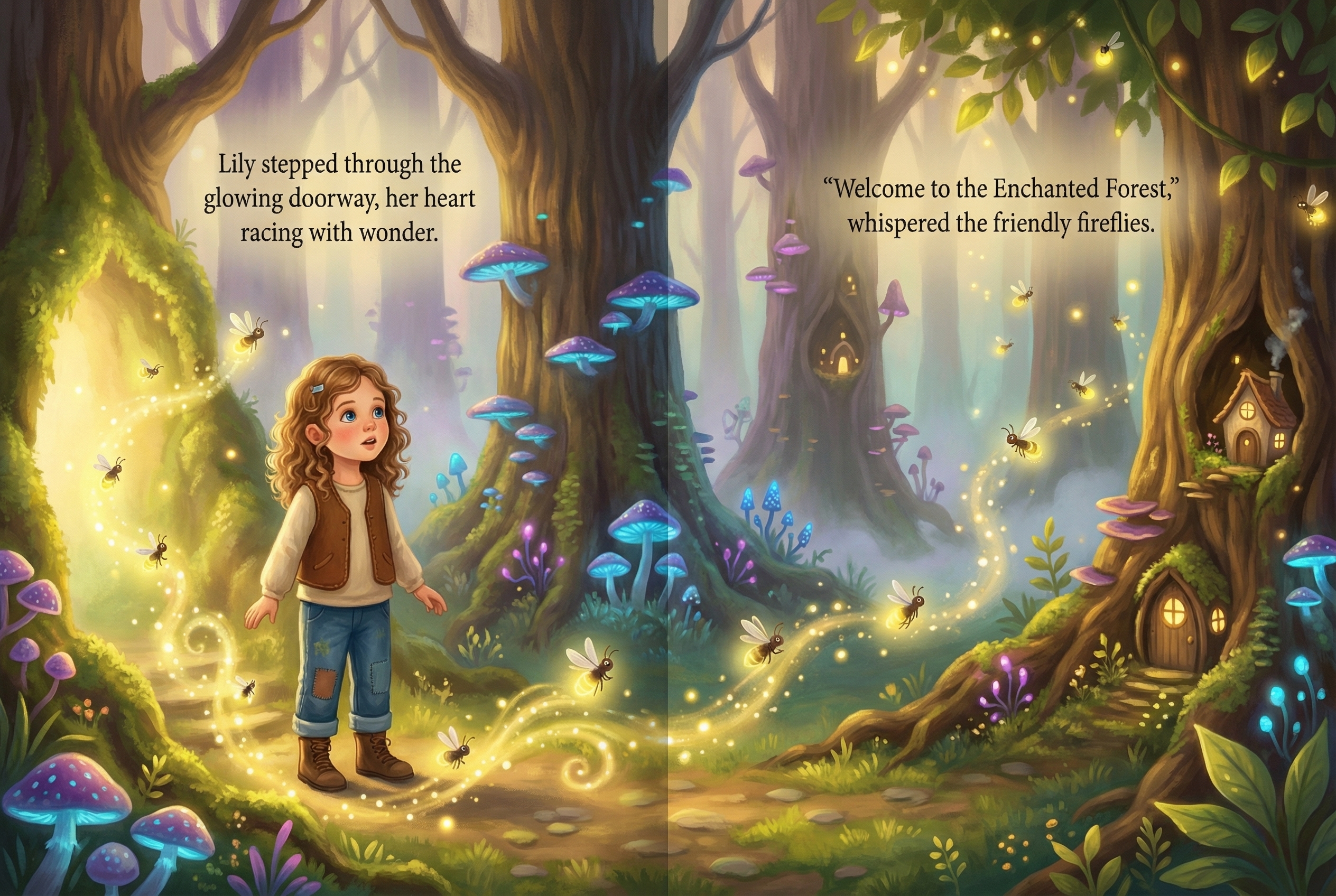
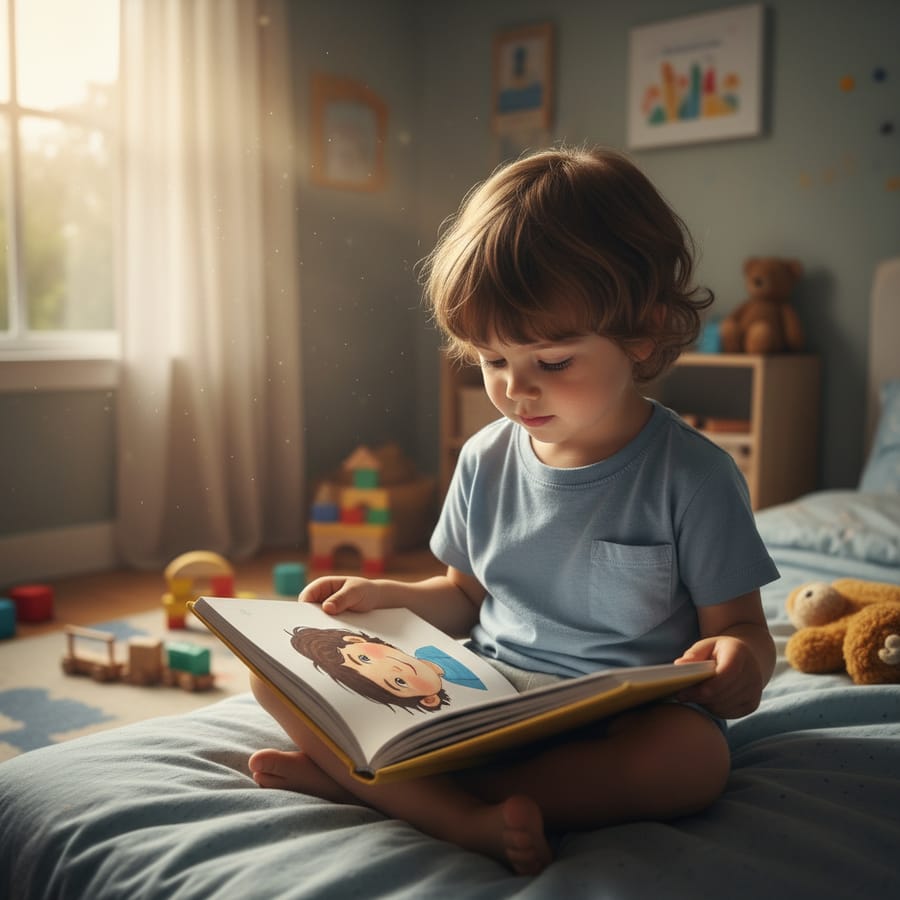
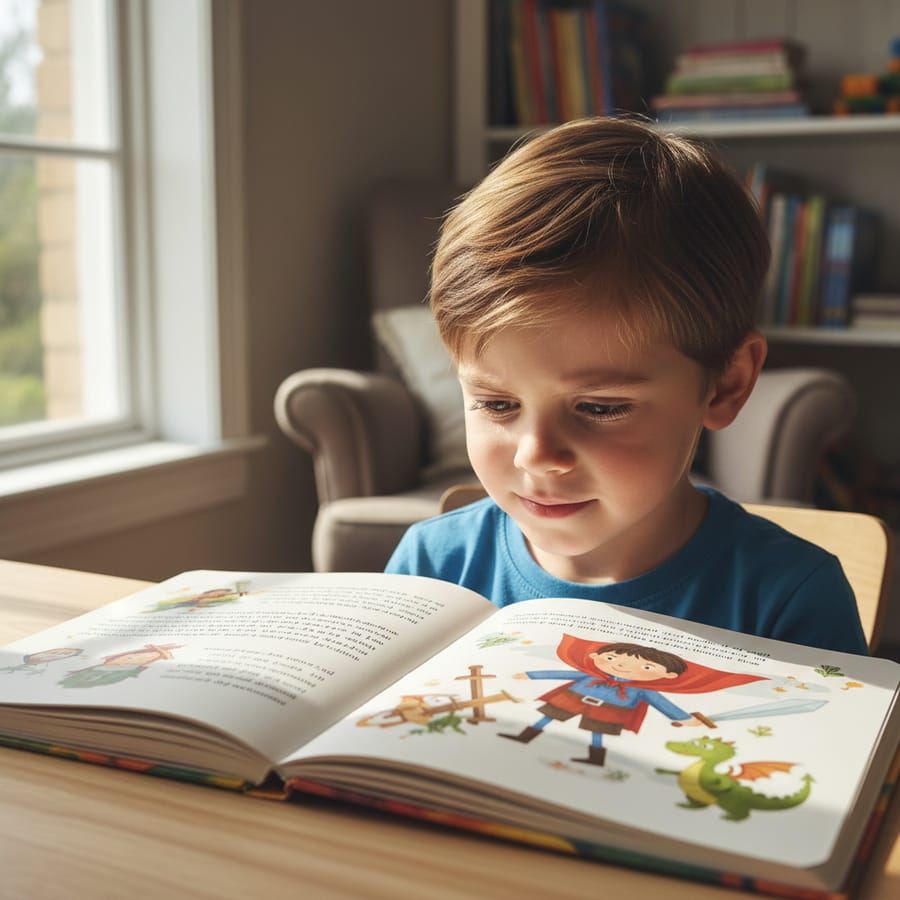
Imagine sitting on the edge of your child’s bed, opening a storybook, and seeing your little one’s eyes light up—not just because of the bright colors, but because they see their own face staring back at them from the pages. For many parents, this is a magical moment of connection. But for parents of children working through speech delays or language milestones, this is more than just a fun surprise. It is a powerful tool. Personalized Books for Speech Development are changing the way we approach language learning at home. When a child becomes the hero of their own story, they aren't just listening to a tale; they are participating in a lived experience that encourages them to find their voice, practice new sounds, and build the confidence they need to communicate with the world.
The Science Behind Personalized Books for Speech Development
Why does seeing themselves in a book make such a difference for a child’s language skills? It comes down to something psychologists call the "Self-Referencing Effect." This is a fancy way of saying that our brains are hard-wired to remember information better when it relates to us personally. For a child, this effect is even stronger. When they see themselves as the main character, their level of engagement skyrockets.
In the world of speech therapy, engagement is half the battle. If a child is bored or disconnected, they are less likely to attempt difficult speech sounds or follow a narrative. However, when the story is about them going to the moon or exploring a magical forest, they have a personal stake in the outcome. This heightened focus makes Personalized Books for Speech Development an incredible asset for "Joint Attention."
Joint attention happens when you and your child are both focused on the same thing—in this case, the book. It is the foundation of all communication. By using personalized storybooks for toddlers, you create a shared space where your child feels motivated to point, label, and comment because the subject matter is the most interesting thing in their world: themselves.
How Personalized Books for Speech Development Encourage Joint Attention
Joint attention is a critical milestone in early childhood development. It’s that moment when your child looks at a dog in the park, then looks at you, then back at the dog, as if to say, "Do you see what I see?" Children with speech delays often struggle with this shared focus. Traditional books can sometimes feel too abstract. A generic character named "Billy" might not hold their interest for long.
When you use a book where your child is the hero, the "look at this" factor is built-in. You can point to the AI-generated children's illustrations and say, "Look, there you are! What are you wearing?" This naturally leads to:
- Increased Labeling: Your child is more likely to name objects they see "themselves" interacting with.
- Longer Reading Sessions: A child who usually flips through a book in thirty seconds might linger on a page where they are riding a dinosaur.
- Natural Turn-Taking: You can ask, "What are you doing here?" and wait for their response, mimicking the back-and-forth of a real conversation.
By making the child the center of the narrative, you aren't just reading to them; you are inviting them into a conversation. This is the heartbeat of language acquisition.
Using Personalized Books for Speech Development to Tackle Articulation Challenges
Articulation is the ability to physically produce certain sounds. Many children struggle with specific "tricky" sounds like s, r, l, or th. Traditional speech therapy often involves repetitive drills that can feel like a chore for a five-year-old. This is where customized bedtime stories can make a massive difference.
When you create a story for your child, you can weave in target sounds naturally. If your child is working on the "s" sound, you can create an adventure where they are a "Super Strong Space Scout." As you read, you can emphasize those sounds, and because your child is the "Super Scout," they will be much more inclined to mimic you.
Modeling and Mimicry
Children learn to speak by watching our mouths and imitating our sounds. In a personalized book, the connection is more intimate. You can say, "Look at you, [Child's Name], you are sliding down the slide! Can you say ssssss-lide?" Because the character on the page looks like them, the child feels a sense of capability. They think, "If the 'me' in the book can do it, the 'me' right here can do it too."
Reducing Frustration
Speech delays often come with a lot of frustration. Children know what they want to say, but the words won't come out right. Personalized books provide a safe, low-pressure environment. There are no "tests" or "drills"—just a fun story about their own adventures. This relaxed atmosphere is where the best learning happens.
Building Vocabulary Through Relatable Scenarios
One of the best ways to expand a child's vocabulary is to introduce words in a context they understand. Generic books often use "storybook language" that kids don't hear in everyday life. While "once upon a time" is lovely, it doesn't help a child ask for their shoes or describe how they feel.
Personalized Books for Speech Development allow you to place your child in real-world or highly relatable fantasy scenarios. When a child sees themselves helping a friend or visiting a grocery store in a book, the vocabulary becomes functional.
- Action Verbs: "You are climbing, jumping, and running!" Seeing their own face performing these actions helps bridge the gap between the word and the physical feeling of the movement.
- Prepositions: "You are under the blanket" or "You are on top of the mountain." Visualizing themselves in these spatial relationships helps them grasp these tricky concepts.
- Adjectives: "You look so brave!" or "Your hat is fuzzy." Using descriptive words to describe the child’s own image reinforces their understanding of those words.
If you are looking for ways on how to make reading fun for kids, there is no better way than showing them they are the star of the show.
Improving Narrative Skills and Story Retelling
As children get older, speech development shifts from single words to "narrative skills." This is the ability to tell a story in the right order—beginning, middle, and end. This is a complex cognitive task. It requires memory, sequencing, and the use of transition words like "then" and "after that."
Personalized books act as a visual scaffold for these skills. Because the child "experienced" the adventure in the book, they have a much easier time remembering what happened.
- The "What Happened Next?" Game: After reading, close the book and ask your child to tell you about their adventure. Since they are the hero, they are often excited to recount their "brave deeds."
- Predictive Thinking: Pause before turning the page and ask, "What are you going to do now?" This encourages them to use future tense and logical reasoning.
- Emotional Literacy: Ask, "How did you feel when you saw the dragon?" This helps children practice labeling emotions, which is a key part of social communication.
For kids who enjoy a bit of excitement, personalized adventure books provide the perfect high-stakes environment to practice these narrative structures.
Practical Tips for Using Personalized Books for Speech Support
You don't need to be a professional speech pathologist to help your child grow. Here are some simple, actionable strategies you can use tonight with a personalized book from StorytimeHero.ai:
1. Follow Their Lead
Don't feel like you have to read every word on the page. If your child is fascinated by the illustration of themselves wearing a space helmet, stay on that page. Talk about the helmet. Ask them what color it is. Let their interest drive the conversation.
2. Use the "OWL" Method
This is a classic speech therapy technique: Observe, Wait, and Listen.
- Observe: See what your child is looking at in the personalized illustration.
- Wait: Give them at least 5-10 seconds to say something before you jump in. This "wait time" is crucial for processing.
- Listen: When they do make a sound or say a word, respond with enthusiasm!
3. Expand on Their Words
If your child points to their picture and says "Me!", you can expand that into a full sentence. "Yes, that is you! You are flying high!" This shows them how to build bigger sentences using the words they already know.
4. Practice "Self-Talk" and "Parallel Talk"
While looking at the book, describe what you are doing (self-talk) or what the child in the book is doing (parallel talk). "I am turning the page. Now, look at you! You are eating a big green apple. Crunch, crunch, crunch!"
5. Focus on the Face
Because StorytimeHero.ai uses your child’s uploaded photo, use that to talk about expressions. "Look at your face here. You look very surprised! Why do you think you are surprised?" This builds the connection between facial cues and language.
Creating a Positive Association with Communication
For a child who struggles to speak, communication can sometimes feel like a series of failures. They try to say a word, people don't understand, and they eventually stop trying. This is the "frustration cycle."
Personalized Books for Speech Development break this cycle by making communication feel successful and fun. In the world of the book, the child is a hero. They are capable. They are doing amazing things. This positive reinforcement builds the "communicative intent"—the desire to share thoughts with others.
When a child is excited to tell you that "I am the knight!", they aren't thinking about their speech delay. They are just sharing their joy. That joy is the fuel that powers language growth. By integrating these books into your daily routine, you are providing a consistent, loving, and highly effective environment for your child to find their voice.
Frequently Asked Questions
Related Reading
- The Power of Representation in Children's Literature
- How AI is Revolutionizing Personalized Storytelling
- Building Early Literacy Skills with Custom Books
- The Best Bedtime Routine for Language Development
- Helping Your Child Overcome Reading Anxiety
- Why Visual Cues are Essential for Toddler Learning
- Creating Magical Moments: The StorytimeHero.ai Mission
Free preview checklist
Get the personalized book gift checklist
Know what photo to use, what to write in the dedication, and what to review before ordering.