Personalized Books for ESL Learners
Start a cover preview
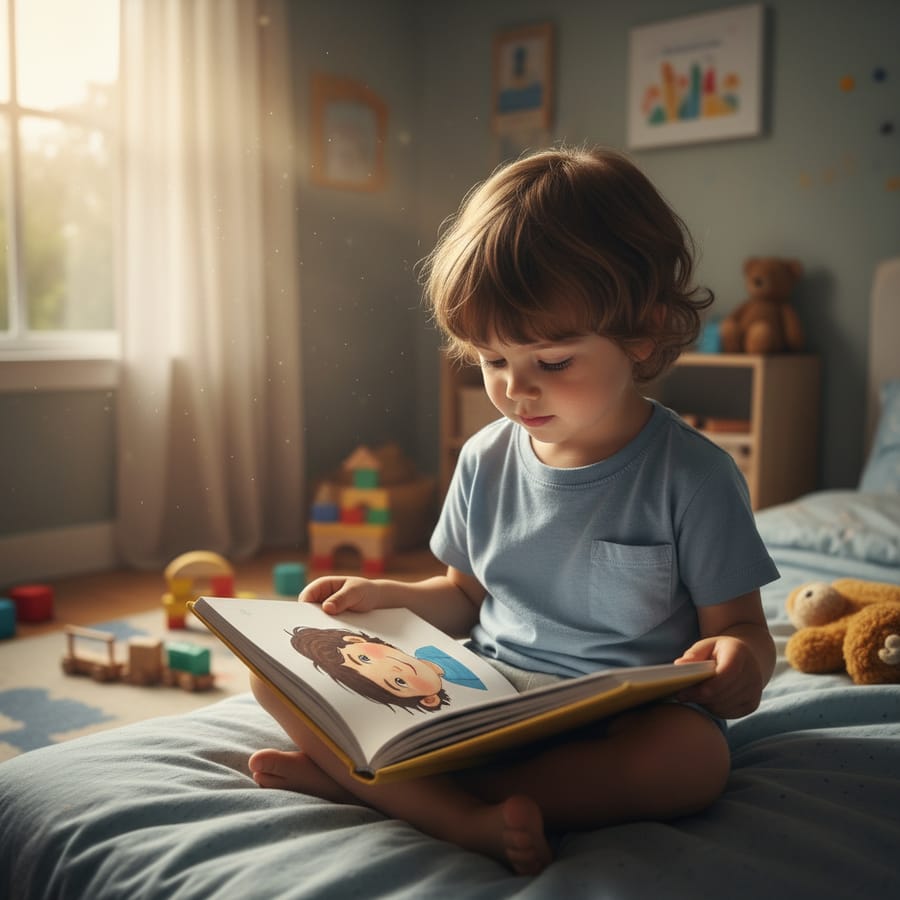
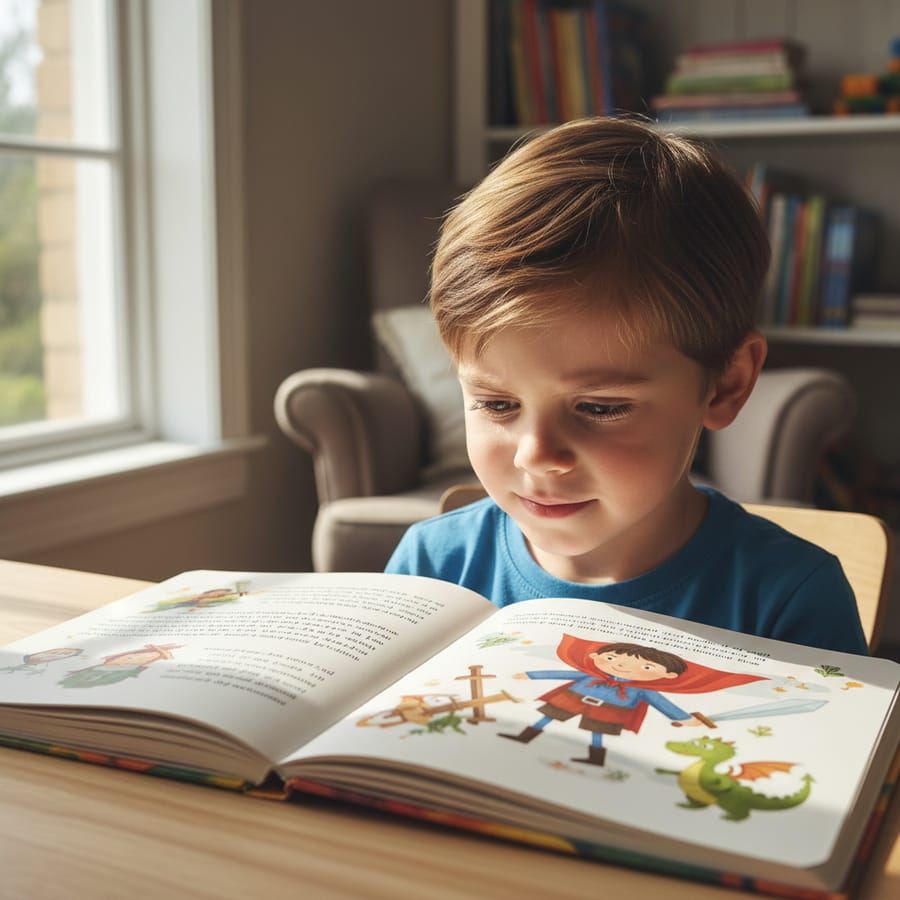
Imagine your child sitting on the sofa, opening a brand-new book, and seeing their own face staring back at them as the hero of the story. For any child, this is a magical moment, but for those learning English as a Second Language, it is a game-changer. Learning a new language can feel like climbing a mountain without a map. There are confusing sounds, strange grammar rules, and a constant fear of making a mistake. Personalized books for ESL learners turn that mountain into a playground. By putting your child at the center of the narrative, we remove the "distance" between the reader and the language. When the story is about them, the words matter more, the context is clearer, and the motivation to understand every sentence skyrockets.
Why Personalized Books for ESL Learners Are a Breakthrough in Language Acquisition
When a child is learning English, the biggest hurdle isn't usually the vocabulary itself—it’s the emotional barrier. It’s hard to feel confident when you don’t fully understand the world around you. This is where the "Self-Reference Effect" comes into play. Psychologists have found that people remember information much better when it is related to themselves. For a young English learner, seeing their name and their face in a story creates an immediate psychological hook.
Personalized books for ESL learners leverage this effect to speed up language acquisition. Instead of reading about a generic character named "Sam" or "Sarah" going to the park, they are reading about themselves going to the park. This shift in perspective changes the brain's approach to the text. The child is no longer a passive observer; they are an active participant. This engagement is the secret sauce for fluency. When a child is the hero, they aren't just practicing English; they are living an adventure in English.
At StorytimeHero, we’ve seen how personalized children's stories can transform a frustrated learner into an eager reader. By using AI to create illustrations that actually look like your child, we provide a visual anchor that traditional books simply can't match.
Boosting Vocabulary Through Familiarity and Context
One of the hardest parts of learning English is understanding context. A word like "brave" or "curious" can be abstract for a child who is still mastering basic nouns. However, when those words are used to describe the child’s own actions in a story, the meaning becomes concrete.
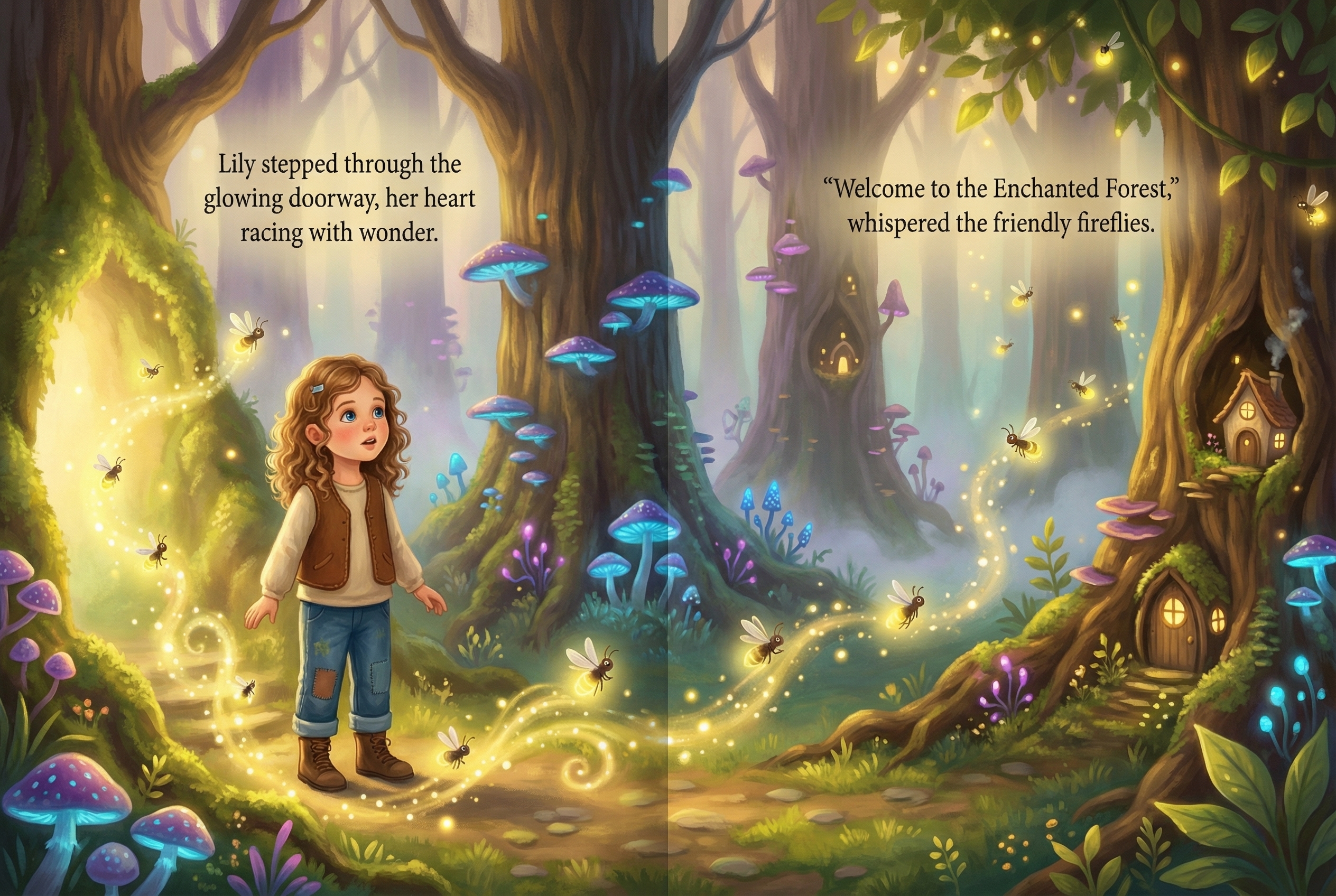
In our personalized books for ESL learners, the narrative is built around the child’s choices and identity. If the story says, "You were very brave when you entered the dark cave," and the illustration shows the child’s uploaded photo looking determined, the word "brave" is instantly defined. They don't need a dictionary; they have a visual and emotional reference.
This method of learning is far more effective than rote memorization. Here is how personalization helps build a robust vocabulary:
- High-Frequency Words: Stories naturally use common verbs and sight words that are essential for daily conversation.
- Emotional Connection: We remember words better when they are tied to a feeling. Being the "hero" creates a positive emotional state.
- Visual Reinforcement: Our AI-generated illustrations match the text perfectly, providing a 1:1 ratio of word to image.
- Repetition: Kids love reading about themselves over and over. This natural repetition is exactly what’s needed to move words from short-term to long-term memory.
Overcoming the Language Barrier with AI-Generated Illustrations
For many ESL students, the "wall" of text in a book can be intimidating. If there are too many unknown words, the child might give up. This is why visual aids are so critical in language education. However, standard illustrations can sometimes feel distant or irrelevant to a child from a different cultural background.
StorytimeHero uses advanced technology to create customized adventure books that feature your child’s uploaded photo. This isn't just a gimmick; it’s a powerful educational tool. When a child sees themselves in the book, their "affective filter"—a term linguists use to describe the emotional blocks that prevent learning—drops significantly.
Because the child recognizes themselves, they feel safe and included in the story. They aren't an outsider looking in on an "English-speaking world." They are the star of that world. This sense of belonging is essential for children who might feel like they don't quite fit in at school or in their new community. The illustrations provide a bridge, helping them cross from what they know (their own face and identity) to what they are learning (the English language).
How Personalized Books for ESL Learners Support Cultural Identity
A common concern for parents of bilingual children is maintaining a sense of self while adopting a new language. Sometimes, in the rush to learn English, a child’s original identity can feel sidelined. Personalized books for ESL learners help solve this by putting the child’s unique identity at the forefront of the educational experience.
When you create a story at StorytimeHero, you aren't just teaching English; you are affirming your child's place in the world. You are saying, "You can speak this new language and still be exactly who you are." This builds immense self-esteem.
A child with high self-esteem is much more likely to take risks in their language learning. They will try to speak even if they might get a word wrong. They will ask questions. They will engage with their peers. By using personalized storybooks, you are giving them the confidence to be a hero in two languages.
Practical Ways to Use Personalized Books for ESL Learners at Home
Having the book is the first step, but how you use it can make a big difference in how much English your child absorbs. Here are some practical tips for parents to maximize the learning potential of every story:
1. The "Point and Say" Technique
As you read the story together, point to the illustration of your child. Ask questions like, "What are you wearing?" or "What are you doing?" This forces the child to use English to describe their own actions, which is a key milestone in fluency.
2. Compare and Contrast
Talk about the differences between the story and real life. "In the book, you are flying a dragon. In real life, you are sitting on the couch!" This helps with understanding verb tenses and the difference between fantasy and reality.
3. Record and Listen
Have your child record themselves reading their personalized story. Listening back to their own voice—speaking as the hero of a book—is an incredible confidence booster. It also helps them notice their own pronunciation in a low-pressure environment.
4. Focus on the Emotions
Ask your child how they think "the hero" (themselves) is feeling in different parts of the story. "Are you happy here? Why?" This encourages the use of descriptive adjectives and helps with emotional intelligence in a second language.
5. Create a "Word Wall"
Take some of the new words from their personalized adventure and put them on the fridge. Because these words are tied to a story where they were the star, they will have a much easier time remembering them than words from a random worksheet.
For more ideas on how to foster a love for reading, check out our guide to personalized stories.
The Science of Language Acquisition and Personalization
Research in the field of Second Language Acquisition (SLA) consistently points toward "comprehensible input" as the most important factor in learning. This means that for a child to learn, they must understand the gist of what is being said or read, even if they don't know every single word.
Personalized books for ESL learners provide the ultimate form of comprehensible input. Because the child knows the "main character" (themselves) and the "setting" (often based on their interests), they have a massive head start on understanding the plot. They can use their existing knowledge of themselves to fill in the blanks of the language they don't know yet.
Furthermore, personalization addresses the "Engagement Gap." Traditional ESL materials can sometimes be dry or repetitive. But a story about you discovering a hidden treasure or visiting a magical planet is never boring. High engagement leads to longer reading sessions, and longer reading sessions lead to faster fluency.
Creating Your Own Story with StorytimeHero.ai
We started StorytimeHero because we believe every child deserves to see themselves as the hero of a great story. For parents of ESL learners, this is more than just a fun gift—it’s a bridge to a new language and a brighter future.
The process is simple:
- Upload a photo: We use AI to create a character that feels personal to your child.
- Choose an adventure: Pick from a wide range of themes, from space travel to fairy tales.
- Customize the details: Add your child's name and other personal touches.
- Read together: Receive your book and start the journey toward English fluency.
By combining the benefits of reading for kids with cutting-edge AI technology, we are making language learning more personal, more effective, and a whole lot more fun.
Frequently Asked Questions
Are personalized books better than standard English workbooks for ESL?
While workbooks have their place for grammar practice, personalized books are significantly better for building engagement, vocabulary in context, and reading confidence. They turn "study time" into "story time," which reduces the stress associated with learning a new language.
What age group is best for personalized ESL books?
These books are most effective for children aged 3 to 10. This is the "golden window" for language acquisition when children are most receptive to new sounds and vocabulary. However, even older children can benefit from the confidence boost of seeing themselves in a story.
How does seeing their own face help with learning English?
It acts as a powerful visual anchor. When a child sees themselves performing an action described in the text, the brain makes a direct connection between the English word and the physical action. It also keeps them focused on the page for longer periods.
Can I choose the difficulty level of the English used?
Yes! When creating your story, you can often select themes or styles that match your child's current reading level, ensuring the language is challenging enough to encourage growth but not so hard that it causes frustration.
Will this help my child with their English speaking skills, or just reading?
Both! Reading aloud is one of the best ways to practice pronunciation and rhythm. Because the child is excited about the story, they are more likely to talk about it afterward, which provides natural practice for conversational English.
Related Reading
- How Personalization Speeds Up Reading Comprehension
- The Role of AI in Modern Children's Literature
- Building Confidence in Young Readers Through Heroism
- Tips for Raising Bilingual Children in an English-Speaking World
- Why Visual Representation Matters in Kids' Books
- How to Create a Bedtime Routine That Supports Language Learning
- The Science of the Self-Reference Effect in Education
Free preview checklist
Get the personalized book gift checklist
Know what photo to use, what to write in the dedication, and what to review before ordering.