How Personalized Books Improve Comprehension
Start a cover preview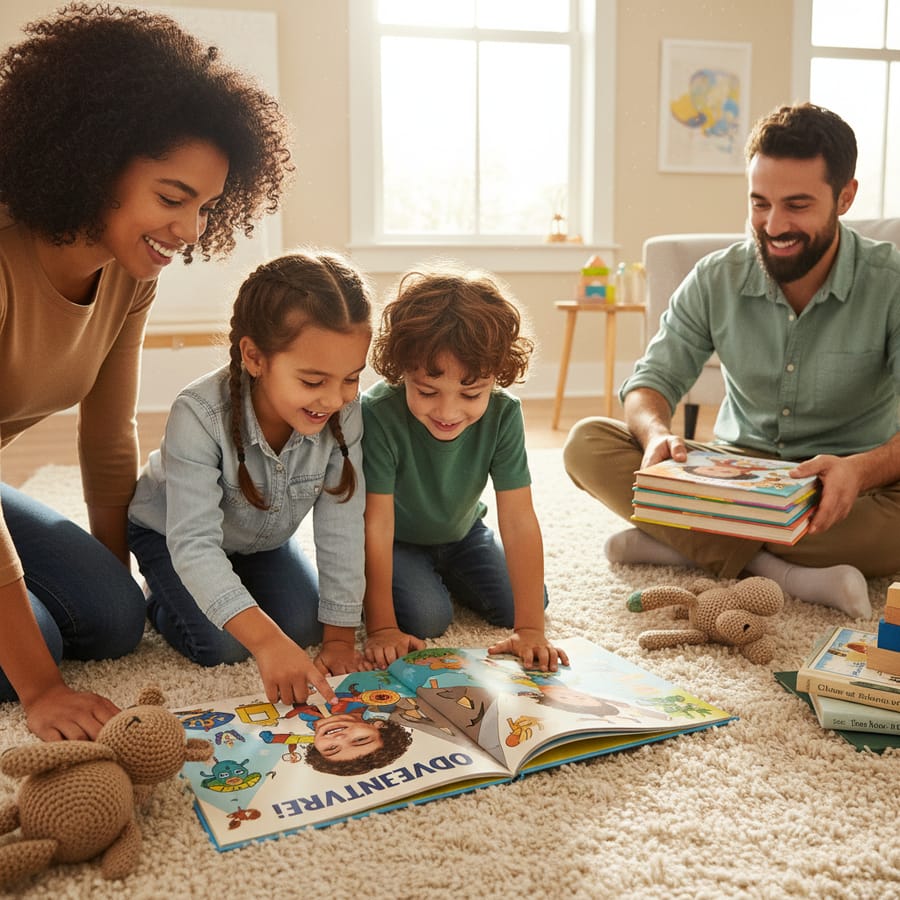
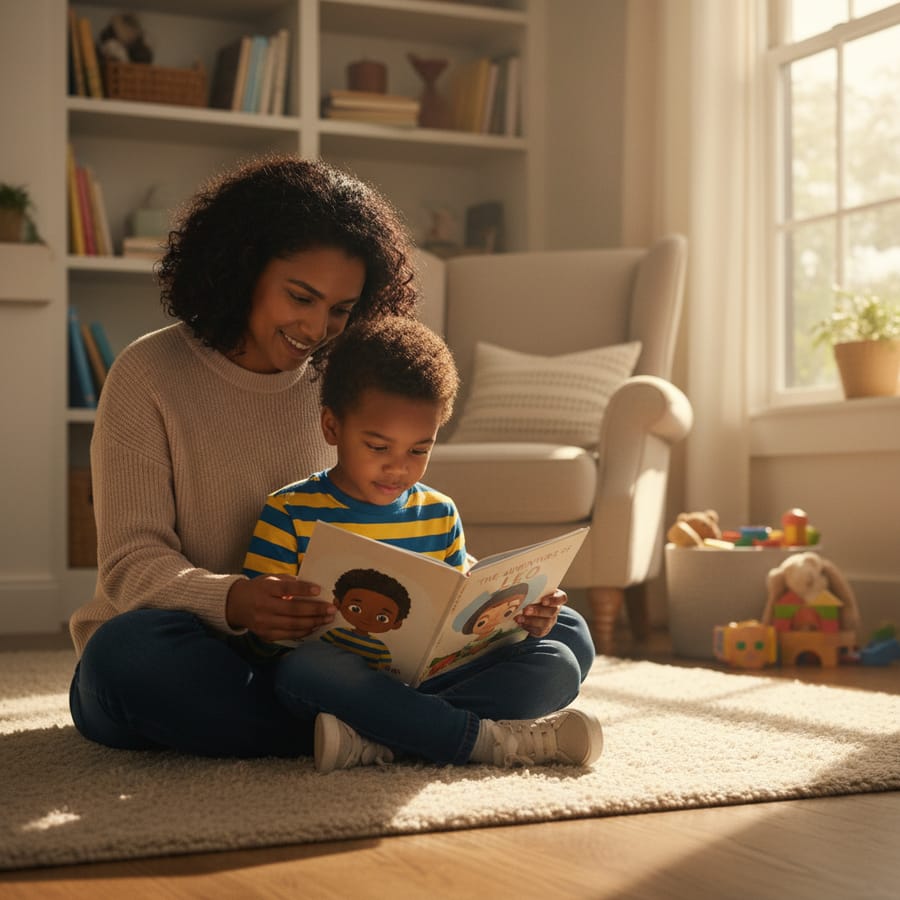
Imagine sitting down for bedtime stories with your child. You open a book, but within two minutes, they’re wiggling, looking at the ceiling, or asking for a snack. It’s a common struggle for many parents. We want our kids to love reading, but more importantly, we want them to understand what they’re reading. When a child struggles to follow a plot or remember characters, they often lose interest in books altogether. But what if the main character wasn’t a random cartoon bear or a generic boy? What if the hero had your child’s photo-inspired illustrated character, name, and personality? This simple shift—putting your child at the center of the narrative—is more than just a fun novelty. It is a powerful tool for cognitive development. In this guide, we’ll explore the science and heart behind how personalized books improve comprehension and help your little one become a more confident, engaged reader.
Why How Personalized Books Improve Comprehension Matters for Your Child
Reading comprehension isn't just about knowing what the words say; it’s about "mental modeling." This is the process where the brain builds a movie of the story in the mind. For young children, building that movie can be hard work. Their working memory is still developing, and they can easily get distracted by unfamiliar concepts or characters they don't relate to.
When you use personalized children’s stories, you remove a significant cognitive hurdle. Instead of the child having to imagine who "Timmy" is and what he looks like, they see themselves. This immediate recognition acts as a "hook" for the brain. Because the child is already invested in the hero (themselves!), their brain allocates more energy to understanding the plot and the sequence of events.
Research in educational psychology suggests that when children see themselves in a story, they experience the "Self-Referential Effect." This is a fancy way of saying we remember information better when it relates to us personally. By making your child the hero, you aren't just making storytime fun; you are literally optimizing their brain for learning. This is one of the primary ways how personalized books improve comprehension—they turn a passive activity into a deeply personal experience.
The Science of the "Self-Referential Effect" and Memory
To understand why your child remembers a story about themselves better than a story about a talking squirrel, we have to look at how the brain stores information. Our brains are designed to prioritize information that is relevant to our survival, our social standing, and our identity.
When a child reads a customized adventure book where they are the one brave enough to talk to a giant or smart enough to solve a puzzle, their brain’s "relevance filter" switches on. They aren't just observing a story; they are "living" it through the pages.
Mirror Neurons and Empathy
Children have "mirror neurons" that fire when they see someone else performing an action. However, when they see themselves performing that action—thanks to AI-generated illustrations for kids that feature their uploaded photo—those neurons fire even more intensely. This creates a stronger neural pathway. They aren't just learning that "the hero was brave"; they are learning "I am brave." This emotional connection makes the details of the story stick.
Reducing Cognitive Load
Cognitive load is the amount of mental effort being used in the working memory. If a child has to spend too much energy trying to figure out who the characters are or why they should care about them, they have less energy left to understand the "why" and "how" of the plot. Personalized books reduce this load. Since the child already knows the main character intimately, they can focus all their mental power on the vocabulary, the sentence structure, and the moral of the story.
How Personalized Books Improve Comprehension by Boosting Focus
In a world of fast-paced tablets and high-energy cartoons, books can sometimes feel "slow" to a child. Maintaining focus is the first step toward comprehension. If a child’s mind wanders, they miss the logic of the story.
Personalization acts as a natural "attention magnet." Think about how you feel when someone mentions your name in a crowded room. You instantly perk up, right? The same thing happens to your child when they see their name on the cover and their face on every page.
Active Participation vs. Passive Listening
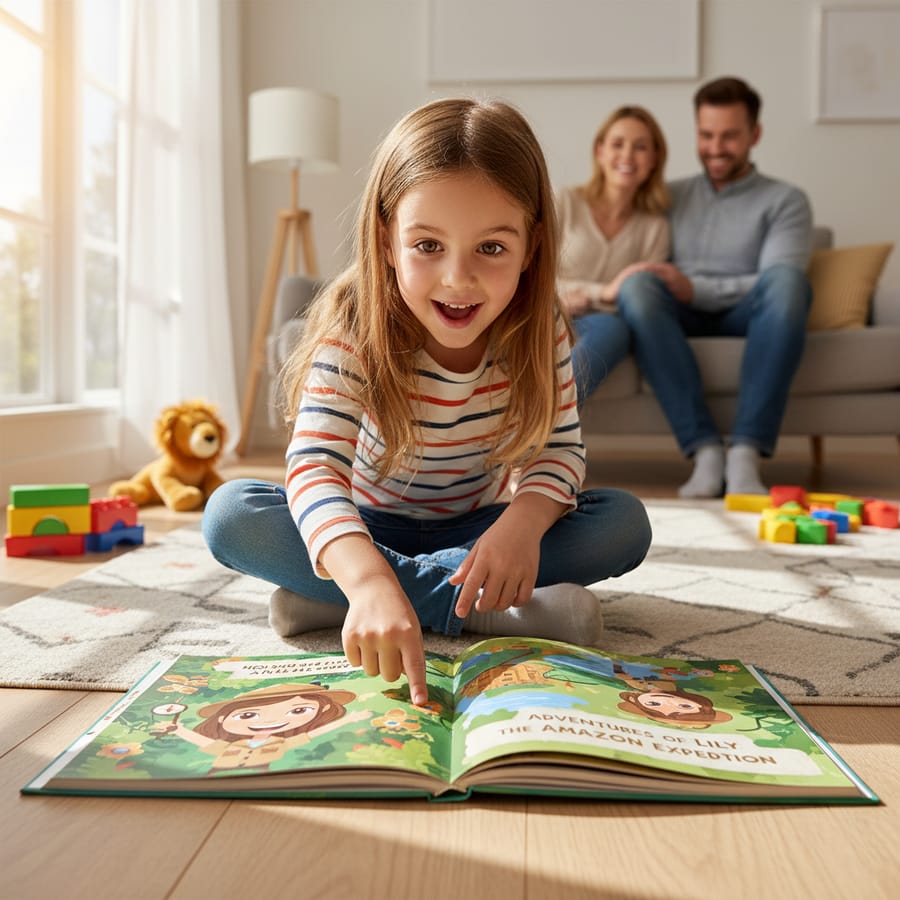
When reading a standard book, a child is often a passive observer. But when the story is about them, they become an active participant. They are more likely to:
- Ask questions about "their" choices in the book.
- Point to the pictures and describe what "they" are doing.
- Predict what "they" will do next.
This active engagement is the secret sauce of literacy. When a child predicts what happens next, they are using high-level comprehension skills like inference and logic. This is a clear example of how personalized books improve comprehension by turning the reader into the protagonist. By creating your own hero, you are giving your child a reason to stay glued to the page from the "Once upon a time" to the "Happily ever after."
Building Vocabulary Through Personal Context
One of the hardest parts of learning new words is understanding "context." If a child hears a new word like "courageous" in a story about a knight from the 1400s, it feels abstract. But if they hear the word "courageous" used to describe them as they face a scary dragon in a personalized book, the word takes on immediate, concrete meaning.
The Power of "Me" in Language Acquisition
Language is learned best when it is social and personal. When you read a story where your child is the hero, you can bridge the gap between the book and real life.
- Example: "Look, you were very persistent in trying to open that treasure chest. Remember yesterday when you were persistent with your Lego set?"
Because the child is the hero of the book, these vocabulary lessons feel like compliments rather than schoolwork. They are more likely to adopt these new words into their daily speech because they associate the words with their own identity. This contextual learning is a major factor in how personalized books improve comprehension and long-term literacy.
Strengthening Emotional Intelligence and Social Skills
Comprehension isn't just about facts; it’s about emotions. To truly understand a story, a child needs to understand how the characters feel. This is the foundation of empathy.
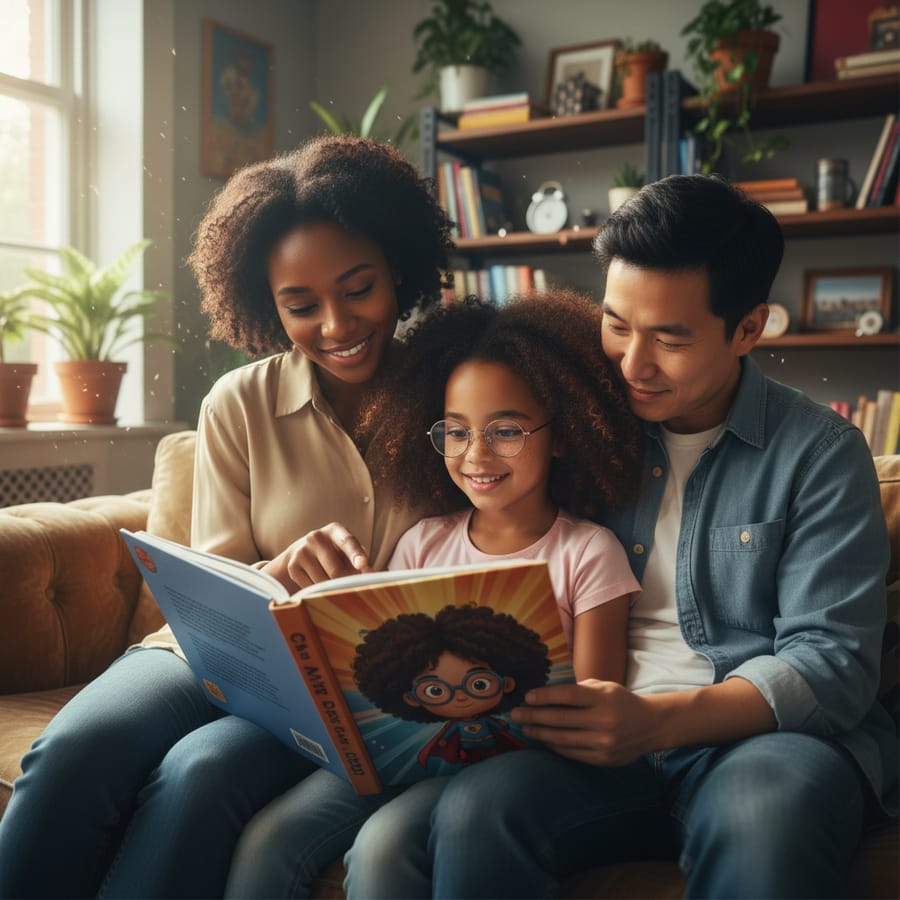
When a child sees themselves navigating a conflict or helping a friend in a book, they are practicing social-emotional skills in a safe environment. At StorytimeHero.ai, we believe that seeing your own face in a story helps bridge the "empathy gap."
Processing Big Feelings
Personalized books can be used to help children process real-life transitions. Whether it's starting kindergarten, getting a new sibling, or learning to share, seeing "themselves" handle these situations in a book provides a blueprint for their own behavior.
- Visualizing Success: If a child sees a picture of themselves looking happy and confident on the first day of school, they are more likely to feel that way in reality.
- Identifying Emotions: You can ask, "You look a little worried in this picture. Why do you think you were feeling that way?" This helps the child label their own emotions, which is a key part of reading comprehension (understanding character motivation).
By exploring these benefits of reading to your child through a personalized lens, you are helping them decode the complex world of human emotions.
Practical Tips to Maximize Comprehension with Personalized Books
Simply owning a personalized book is a great start, but how you read it makes all the difference. Here are some actionable ways you can use these stories to boost your child's understanding:
1. The "Picture Walk"
Before you read the words, flip through the pages and look at the AI-generated illustrations. Ask your child, "What are you doing here? How do you think you feel in this picture?" This builds a mental framework for the story before the "heavy lifting" of reading begins.
2. Connect to Real Life
As you read, pause and make "Text-to-Self" connections. If the book shows your child wearing a blue cape, say, "Hey, you have a blue shirt just like that! Do you remember when we wore it to the park?" These small links keep the brain engaged and reinforce the idea that the story is relevant to them.
3. Let Them Tell the Story
Once you've read the book a few times, let your child "read" it back to you using the pictures. Because they are the hero, they will often add their own details and dialogue. This is a fantastic way to check their comprehension. If they can explain the plot in their own words, they’ve mastered it.
4. Use the "Hero" Identity to Tackle Hard Words
When you come across a difficult word, remind them that heroes (like them!) are great at learning new things. "This is a big word, but a brave adventurer like you can definitely learn what 'metamorphosis' means!"
5. Create a "Reading Ritual"
Make the personalized book a special part of your routine. The more positive the association with the book, the more the child will want to engage with it. For more tips, check out our comprehensive guide to personalized books.
Real-World Scenarios: Where Personalization Shines
Let’s look at a few examples of how this works in a typical home.
Scenario A: The Reluctant Reader
Leo is five years old and finds phonics frustrating. He hates sitting still for stories. His parents get him a StorytimeHero.ai book where he is a space explorer. Suddenly, Leo isn't just looking at words; he's looking for "himself" in space. He starts pointing to the stars and asking what the planets are called. His focus increases from 3 minutes to 15 minutes. Because he's focused, he begins to notice that the word "Rocket" appears every time his ship is on the screen. His comprehension of the story—and his word recognition—skyrockets.
Scenario B: The Anxious Transition
Maya is about to start preschool and is very nervous. Her parents create a book where Maya is the hero of "The Great Preschool Adventure." In the book, Maya meets a new friend and plays with blocks. By seeing herself looking happy in the classroom, Maya’s brain "pre-processes" the experience. When she actually walks into her real classroom, she has a mental model of success to fall back on. She understands the "story" of school because she’s already lived it in her book.
Frequently Asked Questions
Related Reading
- The Science of Personalization in Early Childhood Education
- How AI is Revolutionizing Bedtime Stories
- 5 Ways to Boost Your Child's Confidence Through Reading
- Why Representation in Children's Books Starts with Your Child
- The Best Gifts for Reluctant Readers
- Developing Empathy Through Personalized Narrative
- How to Create the Perfect Hero for Your Child's Story
Free preview checklist
Get the personalized book gift checklist
Know what photo to use, what to write in the dedication, and what to review before ordering.