Self-Esteem: Why Being "The Hero" Matters
Start a cover preview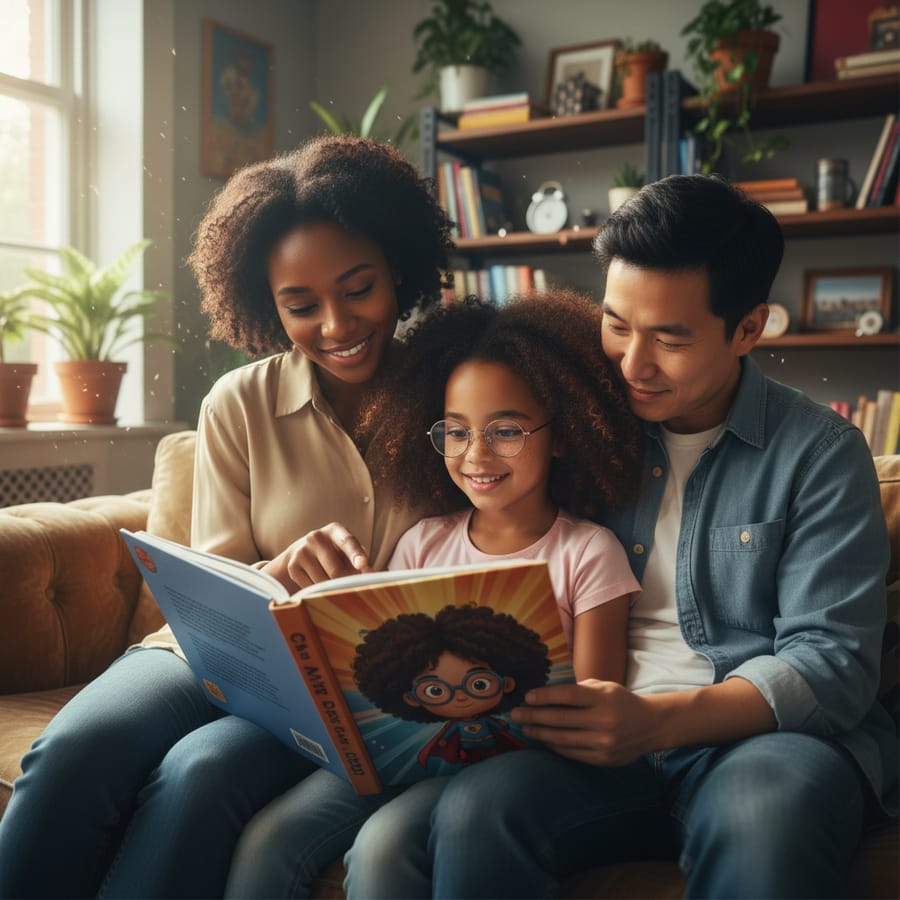
Think back to your own childhood for a moment. Do you remember that feeling of pure, unadulterated wonder when you got lost in a story? Maybe you were a knight fighting dragons, or a space explorer discovering new worlds. For most of us, those heroes were characters who looked nothing like us, with names we didn’t recognize. We had to do the heavy lifting of imagining ourselves in their shoes. But what if your child didn’t have to imagine? What if they could actually see themselves as the protagonist? Understanding Self-Esteem: Why Being "The Hero" Matters is the first step in realizing how a simple bedtime story can fundamentally change how your child views their own potential and place in the world.
The Psychological Power of Seeing Yourself as a Hero
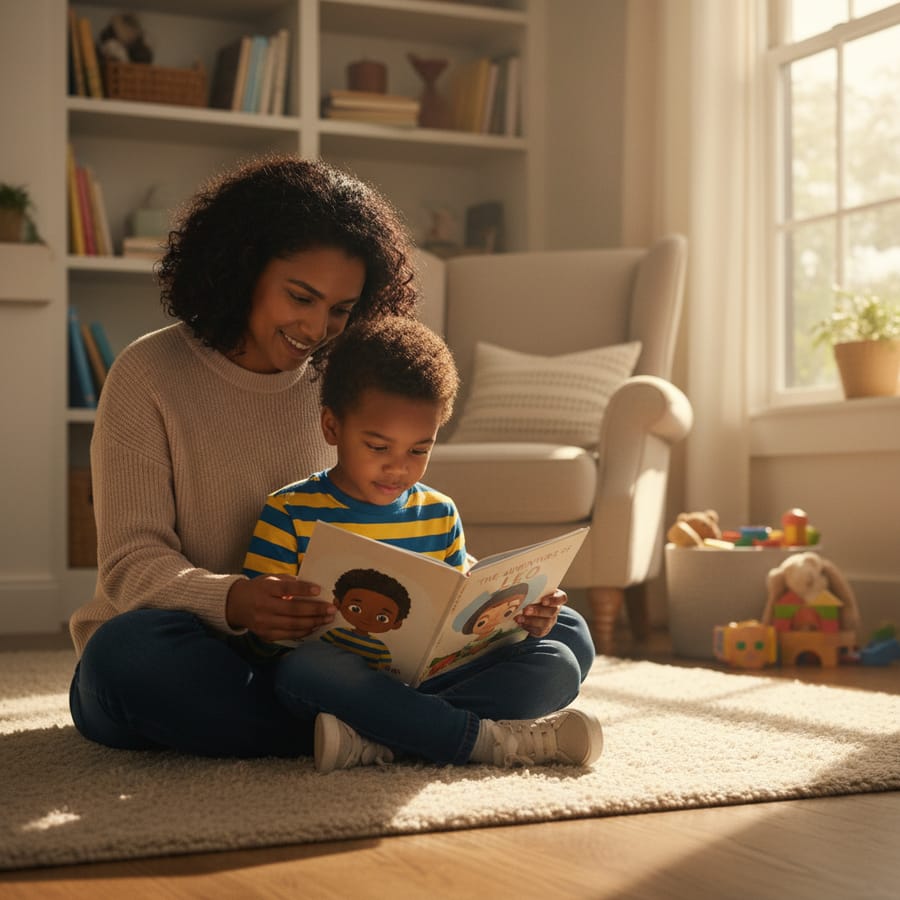
When a child sees their own face on the pages of a book, something magical happens in their brain. It isn’t just about the novelty of a personalized gift; it’s about a psychological concept called "self-referencing." This is when the brain processes information more deeply because it relates to the self.
In personalized children's books, your child isn't just an observer. They are the ones solving the mystery, making the brave choice, and saving the day. This creates a direct link between the "hero" on the page and the child holding the book. When the hero succeeds, the child feels that success personally. This is a core reason why Self-Esteem: Why Being "The Hero" Matters—it allows children to "practice" being confident and capable in a safe, imaginative environment.
The Mirror Effect and Identity
Children are constantly looking for mirrors in the world around them. They want to know where they fit in. When they see a hero who looks exactly like them—thanks to modern AI-generated illustrations—it reinforces the idea that they are "protagonist material." They aren't just the sidekick or the background character in someone else's story. They are the main event.
Building Positive Self-Narratives
We all have an internal monologue, a story we tell ourselves about who we are. By placing your child at the center of an adventure, you are helping them write a positive internal narrative. Instead of thinking "I'm the kid who is shy," they start to think "I'm the hero who explored the enchanted forest." These stories become part of their identity.
Self-Esteem: Why Being "The Hero" Matters for Confidence
Confidence isn't something kids are just born with; it’s something they build through experiences. However, not every child gets the chance to be the star of the soccer team or the lead in the school play every day. This is where stories come in.
When we discuss Self-Esteem: Why Being "The Hero" Matters for confidence, we are talking about "vicarious mastery." This is a fancy way of saying that by watching (or being) a character who overcomes obstacles, a child learns that they can overcome obstacles too. If their character can talk to a giant or fix a broken spaceship, the child begins to believe in their own problem-solving abilities.
Overcoming the "I Can't" Phase
Many parents hit a wall where their child starts saying "I can't do it" before they even try. Personalized stories can break this cycle. When a child reads about themselves accomplishing a difficult task, it lowers their fear of failure. They’ve already "done it" in the book, so doing it in real life feels a little less scary.
The Importance of Visual Representation
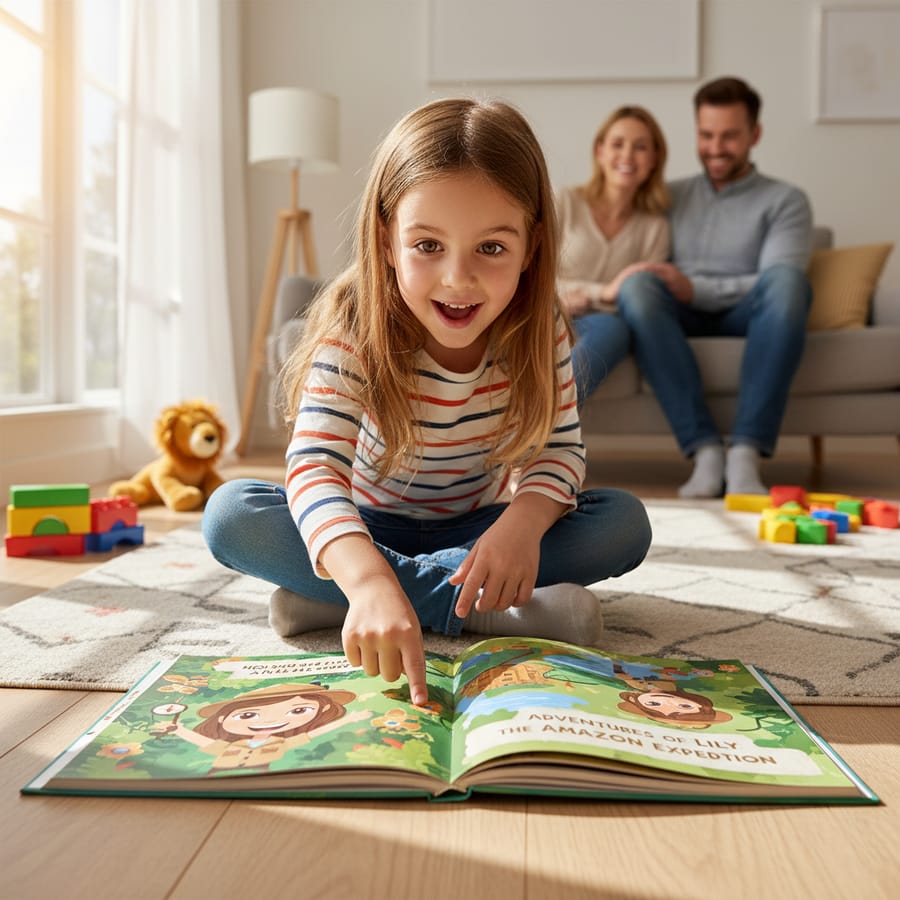
It’s one thing to hear your name in a story. It’s another thing entirely to see your own eyes, your own smile, and your own face staring back at you from a high-quality illustration. This visual proof of their "hero status" makes the experience feel real. It moves the story from the realm of "make-believe" to the realm of "possible."
Self-Esteem: Why Being "The Hero" Matters in Overcoming Obstacles
Life is full of little bumps in the road. For a five-year-old, a "bump" might be a lost toy or a disagreement with a friend. For an eight-year-old, it might be a tough math problem. By putting your child in a hero’s journey, you teach them how to handle these challenges.
In every great story, the hero faces a conflict. They might get lost, lose a tool, or face a villain. By seeing themselves navigate these issues, children learn resilience. This is a huge part of Self-Esteem: Why Being "The Hero" Matters—it reframes "problems" as "adventures" and "failures" as "plot twists" that can be resolved.
Developing a Growth Mindset
A growth mindset is the belief that abilities can be developed through dedication and hard work. When your child is the hero of a StorytimeHero.ai book, they aren't just "born" lucky. They usually have to try, fail, and try again to win the day. This mirrors the real-world effort required to learn new skills.
- Persistence: The hero doesn't give up when the bridge is out.
- Creativity: The hero finds a new way to cross the river.
- Bravery: The hero keeps going even when they are a little bit scared.
Emotional Regulation through Storytelling
Stories provide a safe space to talk about big feelings. If the "hero" (your child) feels nervous about a new school in the story, you can use that as a bridge to talk about their real-life feelings. It’s often easier for a child to talk about what the "book version" of themselves is feeling than to express their own direct anxiety.
Self-Esteem: Why Being "The Hero" Matters for Reluctant Readers
We’ve all been there—trying to nudge a child to pick up a book when all they want to do is play video games or watch TV. Often, kids lose interest in reading because they don't feel a connection to the material. They feel like reading is a chore someone else is making them do.
However, when the book is about them, the motivation shifts from external to internal. They want to read because they want to see what they do next! This is a vital aspect of Self-Esteem: Why Being "The Hero" Matters for literacy. It turns reading into an act of self-discovery rather than a school assignment.
Increasing Reading Engagement
Studies show that reading engagement strategies are most effective when the content is personally relevant. A child who struggles with phonics might suddenly find the energy to decode a word if that word is part of a sentence describing their own heroic deed.
Building a Lifelong Love of Books
The goal isn't just to get them through one book; it's to help them fall in love with the idea of books. When their earliest memories of reading are filled with excitement, pride, and a sense of belonging, they are much more likely to become lifelong readers. You are building a positive association with books that will last well into their teenage and adult years.
Improving Comprehension and Focus
Because the child is the main character, they pay closer attention to the details. They notice the setting, the secondary characters, and the plot points because they are "living" the story. This increased focus naturally leads to better reading comprehension. They aren't just skimming; they are invested.
From Sidekick to Star: Transforming Your Child’s Self-Image
In a world of social media and constant comparison, even young children can start to feel like they don't measure up. They see "perfect" kids on screens or feel overshadowed by more outgoing peers at school. Personalized books act as a powerful antidote to these feelings of inadequacy.
The Power of Being "Chosen"
In these stories, your child is the "Chosen One." They are the person the kingdom is waiting for. They are the only one who can solve the puzzle. This sense of being uniquely important is a massive boost to a child's sense of self-worth. It tells them: "You are enough exactly as you are, and you have something special to offer."
Validating Their Unique Features
With AI-generated illustrations that use your child’s uploaded photo, the book celebrates their physical identity. Whether they have glasses, curly hair, a gap in their teeth, or a birthmark, seeing those features on a hero validates their appearance. It teaches them that heroes come in all shapes and sizes—specifically, their shape and size.
Strengthening the Parent-Child Bond
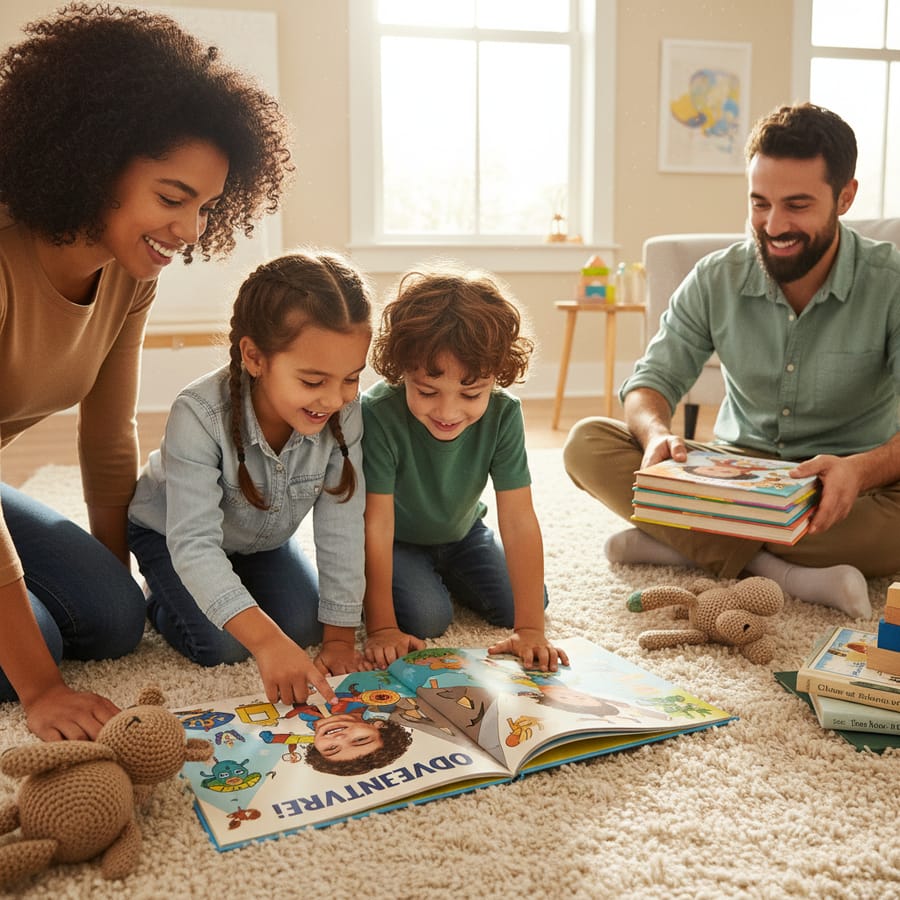
Reading a personalized book together is a unique bonding experience. As you sit together and read about your child’s adventures, you are sending a clear message: "I see you, I value you, and I think you are a hero." This shared time is one of the best benefits of bedtime stories for long-term emotional health.
How StorytimeHero.ai Uses Technology to Create Real Magic
You might wonder how a computer can help build a child’s self-esteem. It’s all about the intersection of AI in children's literature and personalized art. In the past, "personalized" books just swapped out a name. Maybe you could choose a hair color from three basic options.
Today, we use advanced AI to take a photo of your child and weave it into high-quality, artistic illustrations. The result isn't a cartoonish sticker slapped on a page; it’s a seamless, cinematic experience where your child truly looks like they belong in the world of the story.
Why Real Faces Matter More Than Avatars
Avatars are fun, but they are still "other." A child knows an avatar is a character they created. But when they see their actual face, the line between fiction and reality blurs in the best way possible. The brain’s recognition software kicks in, and the emotional impact is doubled.
Creating High-Quality Art for High-Quality Dreams
We believe that every child deserves to be in a book that looks as good as anything you’d find in a professional bookstore. By using AI to create lush, detailed environments, we ensure that the "world" the child is hero of feels grand and important. This quality reflects the importance we place on the child themselves.
Practical Tips for Using Stories to Boost Self-Esteem
Simply buying a book is a great start, but how you use it can make an even bigger difference. Here are some actionable ways to maximize the impact of personalized storytelling:
- Read with Expression: When you get to the parts where your child does something brave, use an excited, proud tone. Your voice acts as a soundtrack to their success.
- Ask "What If" Questions: Pause the story and ask, "You’re the hero here—what would you do next?" This encourages them to think critically and take ownership of the narrative.
- Connect the Story to Real Life: If your child was brave in the book, remind them of it the next day. "Remember how you weren't afraid of the dark cave in our book? You can be just as brave at your swimming lesson today!"
- Let Them Lead: Let your child "read" the pictures to you. Even if they can't read the words yet, let them describe what their hero-self is doing.
- Create a "Hero Gallery": If you have multiple books, keep them in a special place. Let your child know that their "adventures" are a valued part of your home library.
- Use Stories for Specific Challenges: If your child is overcoming reading challenges, use a personalized book as a "reward" or a special tool to break through a plateau.
Frequently Asked Questions
Related Reading
- The Power of Personalized Storytelling
- How to Foster a Love for Reading in Toddlers
- 5 Ways to Build Your Child's Confidence Today
- The Science of the Hero's Journey for Kids
- Why Representation in Children's Books is Essential
- Using AI to Spark Your Child's Imagination
- The Best Personalized Gifts for Every Occasion
Free preview checklist
Get the personalized book gift checklist
Know what photo to use, what to write in the dedication, and what to review before ordering.