How Personalized Books Supercharge Your Child's Vocabulary Growth
Start a cover preview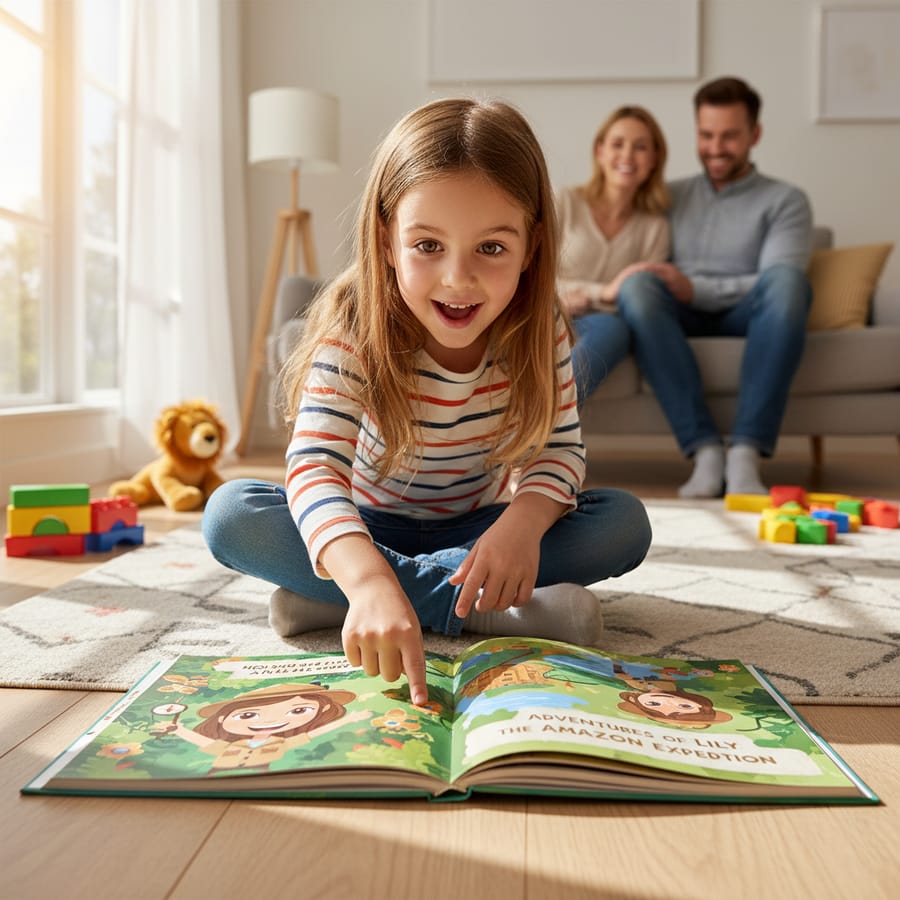
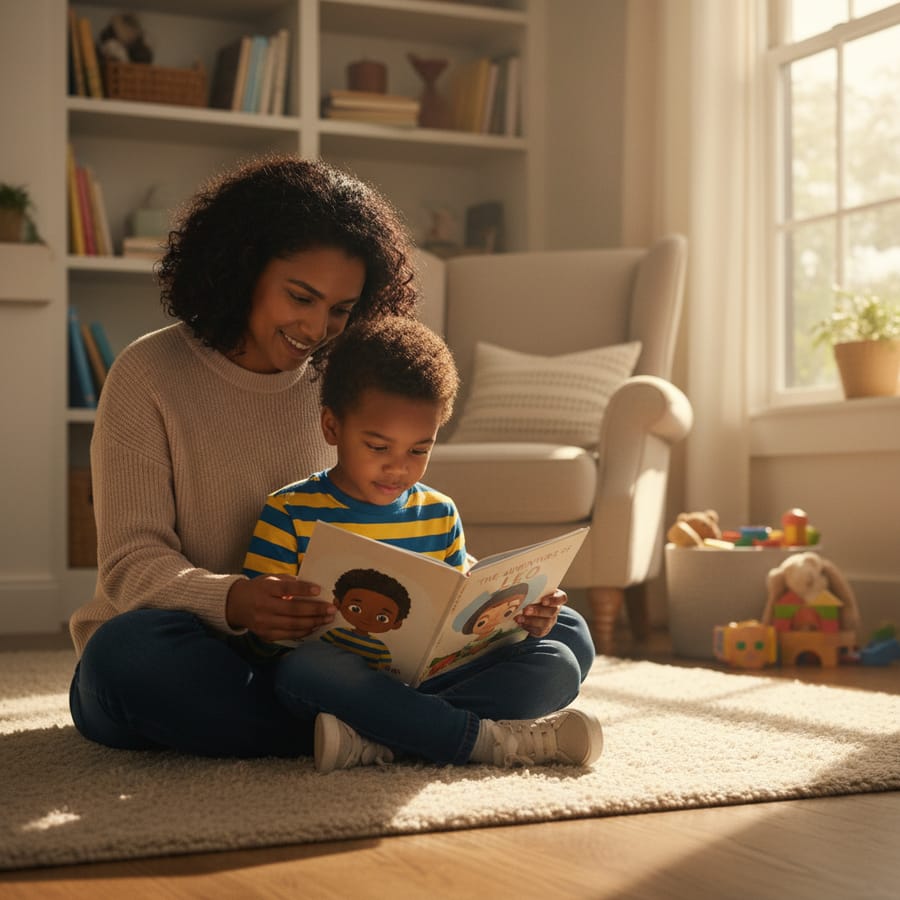
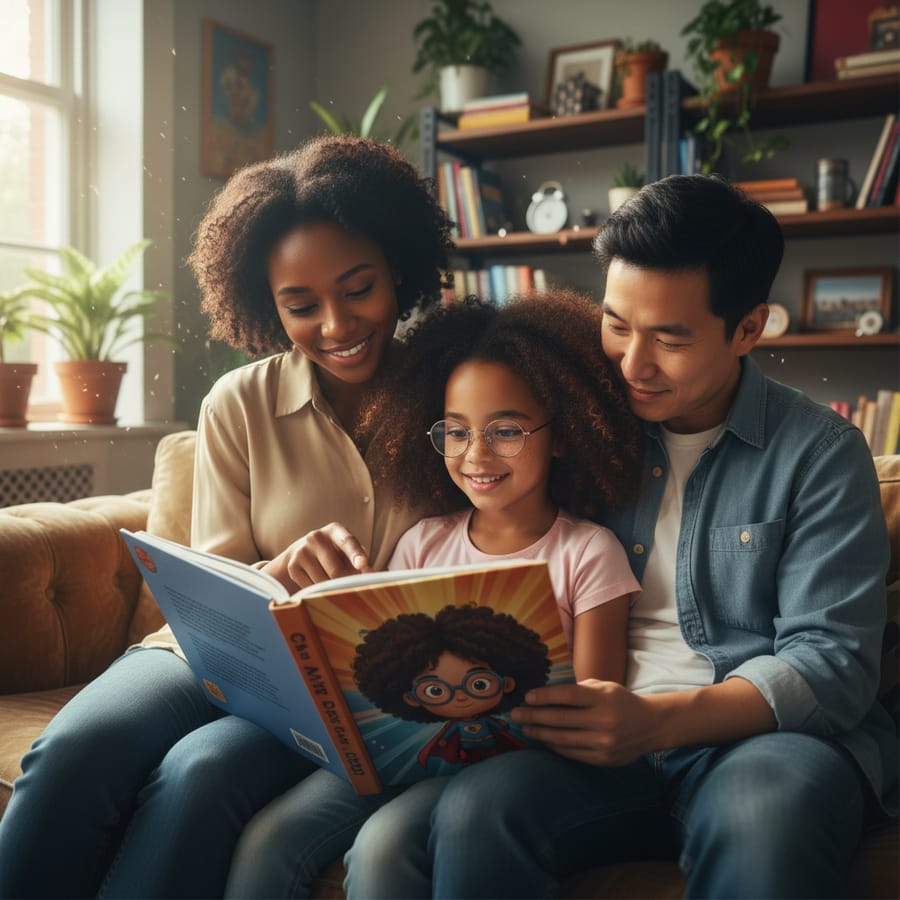
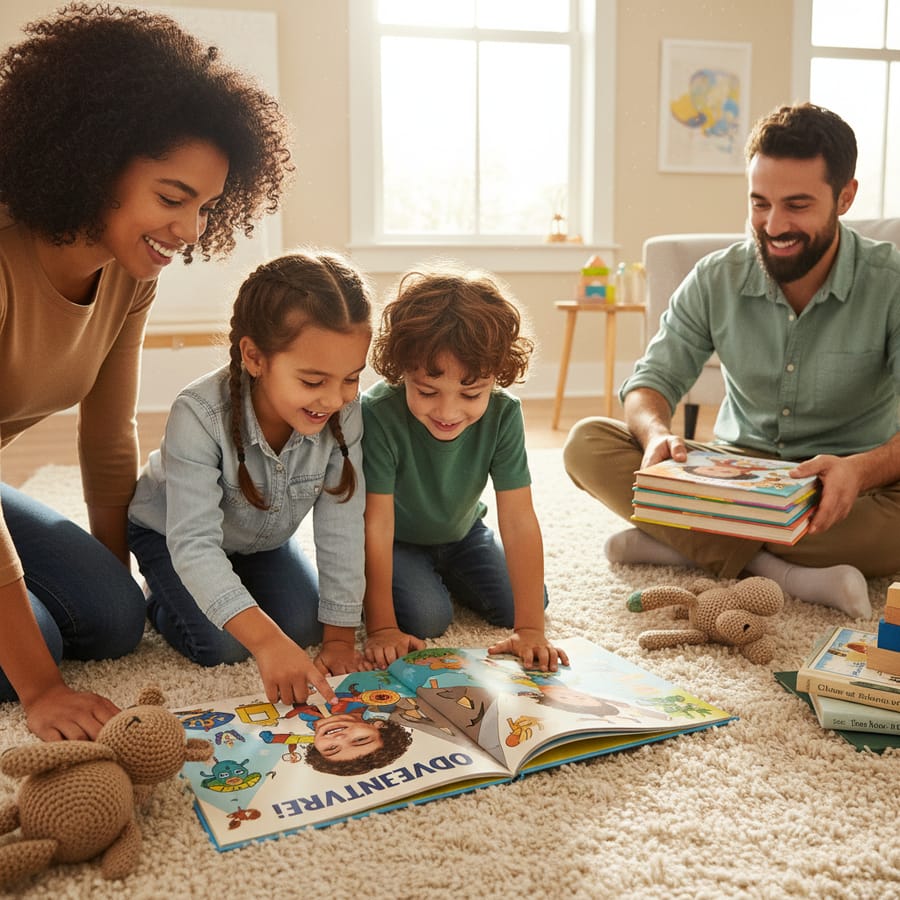
Imagine your child sitting on your lap, eyes wide with wonder as they flip through a storybook. But this isn't just any book. On every page, they see their own face—wearing a space suit, riding a dragon, or exploring a deep-sea kingdom. When a child sees themselves as the hero, something magical happens in their brain. They aren't just listening to a story; they are living it. This deep level of engagement is why personalized books have become one of the most powerful tools for boosting a child’s vocabulary and overall literacy. By placing your child at the center of the narrative, you transform a simple reading session into a high-octane learning experience where new words stick because they actually matter to the "hero" of the story.
Why Personalized Books Are a Secret Weapon for Vocabulary Growth
When we talk about language development, we often focus on the number of words a child hears. While quantity matters, quality and relevance matter more. Most traditional children's books feature generic characters. While these are great, they require a child to do the extra mental work of relating to a character who doesn't look like them or share their name.
Personalized books remove that barrier. When your child reads a sentence like, "Leo used his binoculars to spot the hidden temple," and the illustration shows your son Leo’s uploaded photo looking through those binoculars, the word "binoculars" is instantly defined and filed away in his long-term memory.
This happens because of a psychological concept called the "Self-Reference Effect." This is the tendency for people to encode information differently when it is related to themselves. In a personalized children's story, the brain prioritizes the information because it perceives the events as personal memories rather than abstract fiction. This leads to faster word acquisition and better retention.
The Science of Engagement and Word Acquisition
To understand why personalized books work so well, we have to look at how a child's brain processes new information. When a child is bored or disconnected, their "affective filter" goes up. This is a mental block that prevents learning from taking place. If a story feels "just like another book," they might zone out.
However, when you use AI-generated illustrations that feature your child’s uploaded photo, that filter drops. They are hyper-focused. This state of "flow" is the perfect environment for introducing "Tier Two" vocabulary words—words like courageous, shimmering, obstacle, or discovery. These are words that aren't used in everyday conversation but are essential for school success.
In a personalized setting, these words become part of the child's own identity. They aren't just learning what "courageous" means; they are learning that they are courageous. This emotional connection anchors the vocabulary in a way that a standard textbook never could.
How StorytimeHero.ai Bridges the Gap Between Fun and Learning
At StorytimeHero.ai, we’ve seen firsthand how seeing their own face in a story changes the way kids interact with text. When we create personalized books, we aren't just swapping out a name. We are creating a visual world where the child is the protagonist.
Our AI technology takes a photo of your child and weaves it into high-quality illustrations. This visual consistency is key for vocabulary growth. For example, if the story is about a "laboratory," the child sees themselves in a lab coat, surrounded by "beakers" and "test tubes." Because they are the ones holding the beaker in the picture, the word "beaker" gains immediate context.
This is particularly helpful for "visual learners" who struggle with abstract definitions. By seeing their uploaded photo interacting with new objects, the vocabulary becomes concrete. You can explore how this works by checking out our customized stories for kids to see the level of detail that keeps children glued to the page.
Using Personalized Books to Teach Complex Concepts
One of the biggest challenges parents face is moving beyond simple nouns (dog, cat, ball) to more complex concepts and verbs. Personalized books provide a unique framework for this.
Consider a story where your child is an explorer in the jungle. Instead of just saying they are "walking," the story might say they are "navigating" the dense undergrowth or "observing" the local wildlife.
- Contextual Clues: Because the child is the one "navigating," they can look at the picture of themselves holding a compass and deduce what the word means.
- Repetition: In a personalized story, your child is likely to want to read it over and over. This natural repetition is the "secret sauce" of vocabulary building.
- Emotional Resonance: Learning the word "triumph" while looking at a picture of yourself winning a race creates a positive emotional association with that word.
When you create personalized bedtime stories, you aren't just ending the day; you are setting the stage for tomorrow's classroom successes.
Overcoming the "Boredom Barrier" in Early Literacy
Many children, especially those who struggle with sitting still, find traditional reading to be a chore. They might flip through pages quickly just to be done. Personalized books act as a "boredom breaker."
When a child is the hero, they have a "vested interest" in what happens next. They want to know what the "mysterious" map leads to or how they will solve the "dilemma" presented in the plot. This increased "time on task" is directly correlated with literacy gains. The longer a child spends looking at a page and listening to the words, the more language they absorb.
By using customized gifts for kids that feature their own faces, you are giving them more than a toy; you are giving them a reason to love language. You are showing them that books are a place where they belong, which builds a foundational love for reading that lasts a lifetime.
7 Practical Tips for Boosting Vocabulary with Personalized Reading
To get the most out of your personalized books, try these strategies during your next storytime:
- The "Point and Name" Game: As you read, point to the illustration of your child. Ask, "What is [Child's Name] doing here?" If the book says they are "scaling" a mountain, explain that scaling is a fancy word for climbing.
- Relate to Real Life: If your child is an astronaut in their book and uses a "control panel," point to the microwave or a TV remote the next day and call it a "control panel" too. This helps transfer book vocabulary to the real world.
- Ask Open-Ended Questions: Instead of "Is the dragon big?", ask "How would you describe the dragon's scales?" This encourages the child to use the adjectives they’ve heard in the story.
- Act It Out: If the story says the hero "trudged" through the snow, have your child "trudge" across the living room rug. Physical movement combined with the visual of their own face in the book makes the word unforgettable.
- Use "Dialogic Reading": This is a fancy term for having a conversation about the book while you read. Focus on the "Wh-" questions: Who, what, where, and why. Since the "who" is your child, they will be much more eager to answer.
- Create a "Word of the Week": Pick one challenging word from their personalized story and try to use it three times a day. If the hero in the book was "persistent," praise your child for being "persistent" when they are trying to tie their shoes.
- Let Them Lead: Sometimes, let your child tell you the story based on the pictures of themselves. You'll be surprised at how many of the "big words" they’ve actually picked up and are ready to use.
The Long-Term Benefits of Personalized Literacy
The impact of personalized books goes far beyond just learning a few new words. It builds "narrative competence"—the ability to understand how stories are structured. When a child understands that they are the hero who faces a problem and finds a solution, they begin to see their own life through that lens.
This builds confidence. A child who sees themselves as a "scientist" or a "detective" in their favorite book is more likely to approach those subjects with curiosity in school. They aren't afraid of the "big words" associated with those fields because they’ve already "lived" them in their stories.
By investing in customized children's books, you are providing a scaffold for their developing brain. You are making the daunting task of learning a complex language feel like a fun, personal adventure.
Frequently Asked Questions
How do personalized books help with reading comprehension?
Because the child is the main character, they have a higher level of "prior knowledge" about the protagonist (themselves!). This allows their brain to focus less on figuring out who the character is and more on what is happening in the plot and what the words mean.
At what age should I start using personalized books?
You can start as early as infancy! Even toddlers recognize their own faces. Seeing themselves in a book at a young age builds a strong positive association with reading. As they get older (ages 4-8), the vocabulary benefits become even more pronounced as they begin to recognize written words.
Can personalized books help children with learning disabilities?
Yes. Many children with ADHD or dyslexia benefit from the increased engagement that personalization provides. The visual cue of their own face helps keep them focused on the page, and the emotional connection can help reduce the frustration sometimes associated with learning to read.
What makes StorytimeHero.ai different from other personalized books?
Most personalized books only change the name or allow you to pick a generic avatar. StorytimeHero.ai uses advanced AI to put your child’s actual face into the illustrations. This creates a much deeper level of immersion and "self-referencing," which is the key to the vocabulary growth we've discussed.
How many words can a child learn from one book?
While every child is different, research suggests that children can learn several new words from a single reading of a book if the context is clear. With the added engagement of personalization, that number often increases because the child is more likely to ask questions and want to re-read the story.
Related Reading
- The Power of Visual Learning in Children’s Books
- How to Build a Better Bedtime Routine
- The Science of AI in Children's Literature
- Why Representation Matters in Your Child's Library
- Boosting Early Literacy Skills at Home
- The Benefits of Custom Storytelling for Toddlers
- Choosing the Right Adventure for Your Child
- Transforming Screen Time into Reading Time
Free preview checklist
Get the personalized book gift checklist
Know what photo to use, what to write in the dedication, and what to review before ordering.