The New Era of Picture Books & Personalization | StorytimeHero
Upload a photo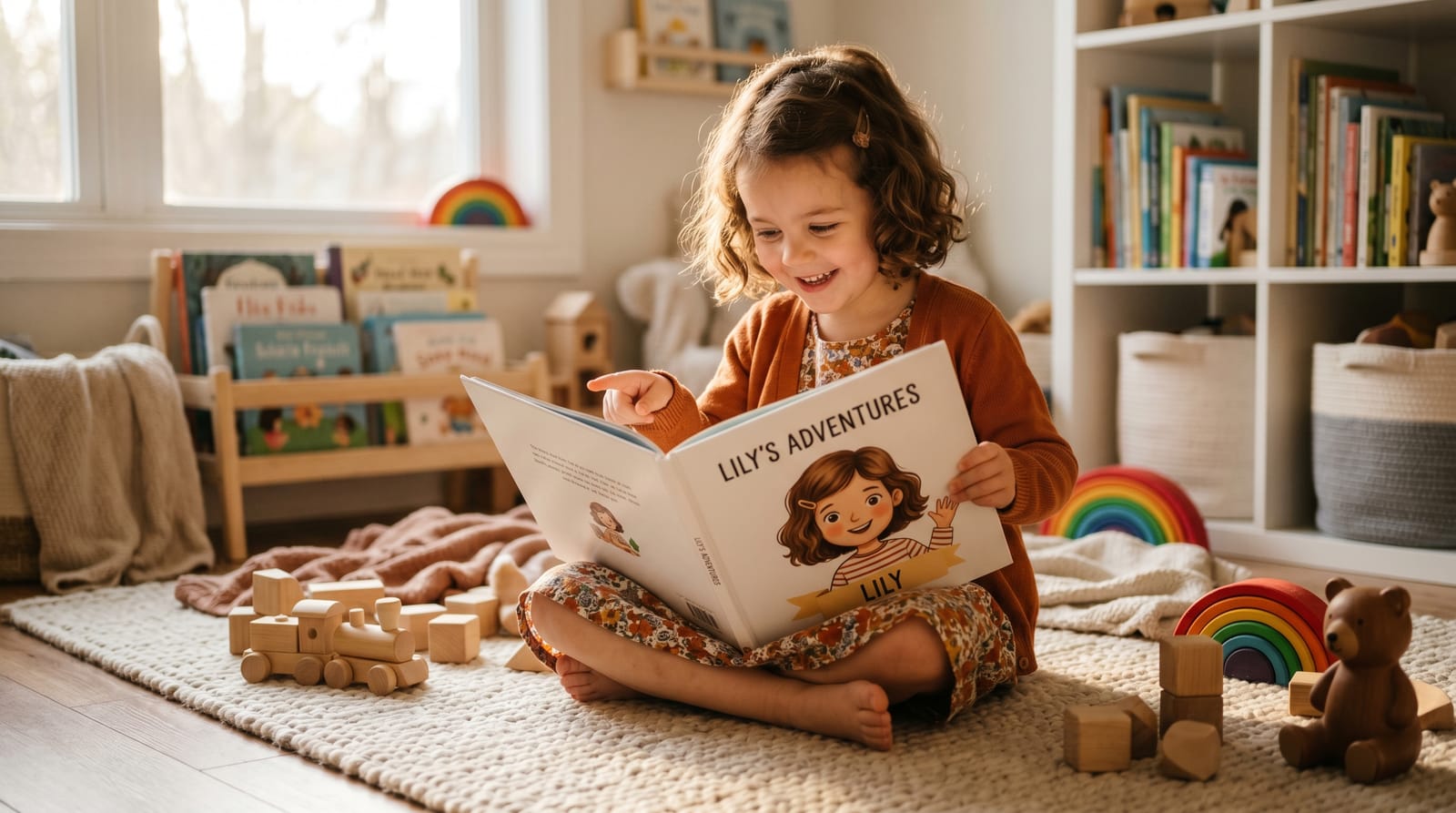
For decades, the standard picture book followed a predictable, if charming, path. We had talking animals, whimsical fables, and gentle lessons about sharing or bedtime. But as we move through {YEAR}, the landscape of children’s literature is undergoing a profound transformation. Today’s parents and educators are looking for more than just a "once upon a time." They are seeking stories that act as both mirrors and windows—mirrors that reflect a child’s specific reality and windows that offer a clear view into the diverse, complex world around them.
At StorytimeHero, we’ve observed that this shift isn't just about what is on the page, but who the page is for. The modern picture book is becoming more specialized, more biographical, and more grounded in real-world emotional intelligence. In this context, personalized books aren't just a fun novelty; they are the ultimate tool for bridging the gap between a grand narrative and a child’s personal development.
The Shift Toward Biographical Inspiration and Creative Voice
One of the most exciting trends in the current literary market is the rise of the biographical picture book. We are seeing a surge in stories that profile "literary legends"—authors and poets who fought for their voices to be heard. From the poetic resilience of writers like Judy Blume to the historical significance of trailblazers like Virginia Hamilton or Toni Morrison, these books do more than teach history. They celebrate the act of creation itself.
When a child reads about a famous author who used storytelling to gain control over a chaotic world, they learn that words have power. However, there is often a developmental "gap" for younger readers. A child might admire a legendary figure, but they may not yet see themselves as capable of that same magic.
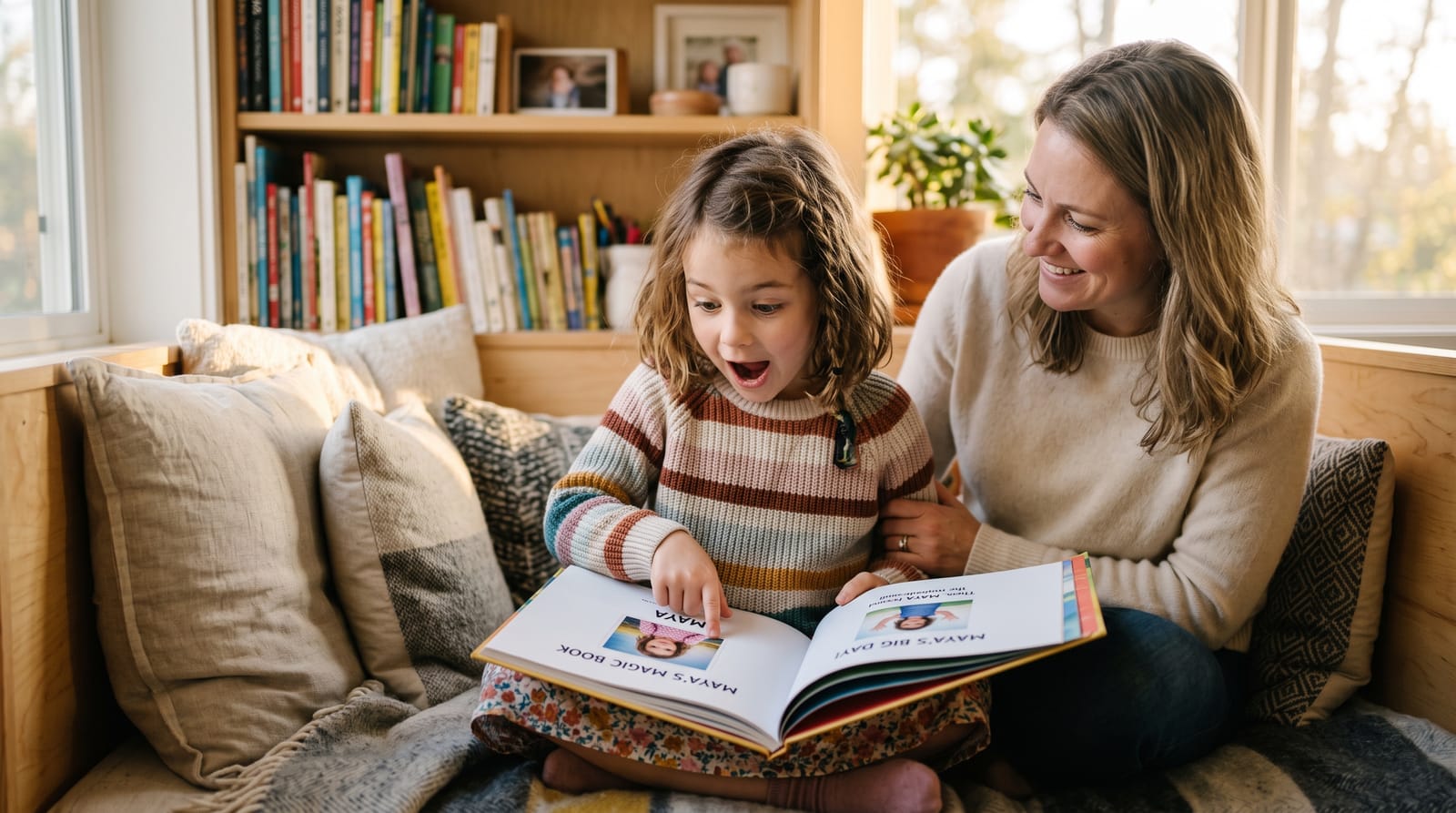
This is where personalized books create a vital connection. By placing the child’s name and likeness into a narrative that mirrors the creative journey of these legends, we move from "look what they did" to "look what I can do." Personalization allows a child to internalize the "growth mindset" often found in biographies. It transforms the abstract concept of "finding your voice" into a tangible, lived experience where the child is the one holding the pen (or the sword, or the paintbrush) within the story.
Cultural Specificity: Moving Beyond Labels
The conversation around diversity in the picture book world has also evolved. There is a growing movement to move away from broad, all-encompassing acronyms and toward specific, lived experiences. Parents are no longer satisfied with "generic" representation; they want stories that explore the nuances of a trip to the Philippines, the specific art of indigo dyeing in a grandfather’s studio, or the quiet beauty of a family’s ancestral home.
This "micro-storytelling" is where the heart of modern literature lies. It’s about the specific way a mother encourages a skeptical child to explore nature, or the way heritage is passed down through shared activities.
Personalization takes this cultural specificity a step further. When a story is tailored to a child’s own family structure or background, it honors their unique place in the world. It prevents "representation" from feeling like a checklist and instead makes it feel like a homecoming. By integrating a child’s identity into stories that celebrate heritage and community, we reinforce the idea that their specific story is worthy of being told alongside the greats.
Addressing Real-World Challenges and Emotional Intelligence
The modern picture book is also becoming a more practical tool for navigating the "rough patches" of childhood. We see this in the emergence of stories that tackle specific hurdles, such as food allergies, social anxiety, or the frustration of learning a new skill.
Gone are the days when every problem was solved by a fairy godmother. Today’s protagonists use problem-solving and resilience to navigate their worlds. For instance, a story about a child managing a food allergy isn't just a health lesson; it’s a narrative about autonomy and self-advocacy.
When we introduce personalized books into this space, the impact on emotional intelligence is amplified. Research suggests that children are more likely to model the behavior of a character if they perceive that character to be "like them." When the character is them—sharing their name and appearance—the "protagonist effect" takes hold. The child doesn't just watch a character solve a problem; they practice solving it themselves. This makes personalized stories an incredible asset for parents helping their children navigate modern life’s complexities.
Why Personalization is the Evolution of the Picture Book
If the traditional picture book was a broadcast, the personalized book is a conversation. It addresses the three main pillars of modern children’s literature—inspiration, identity, and intelligence—in a way that generic books simply cannot.
1. Strengthening the Narrative Anchor
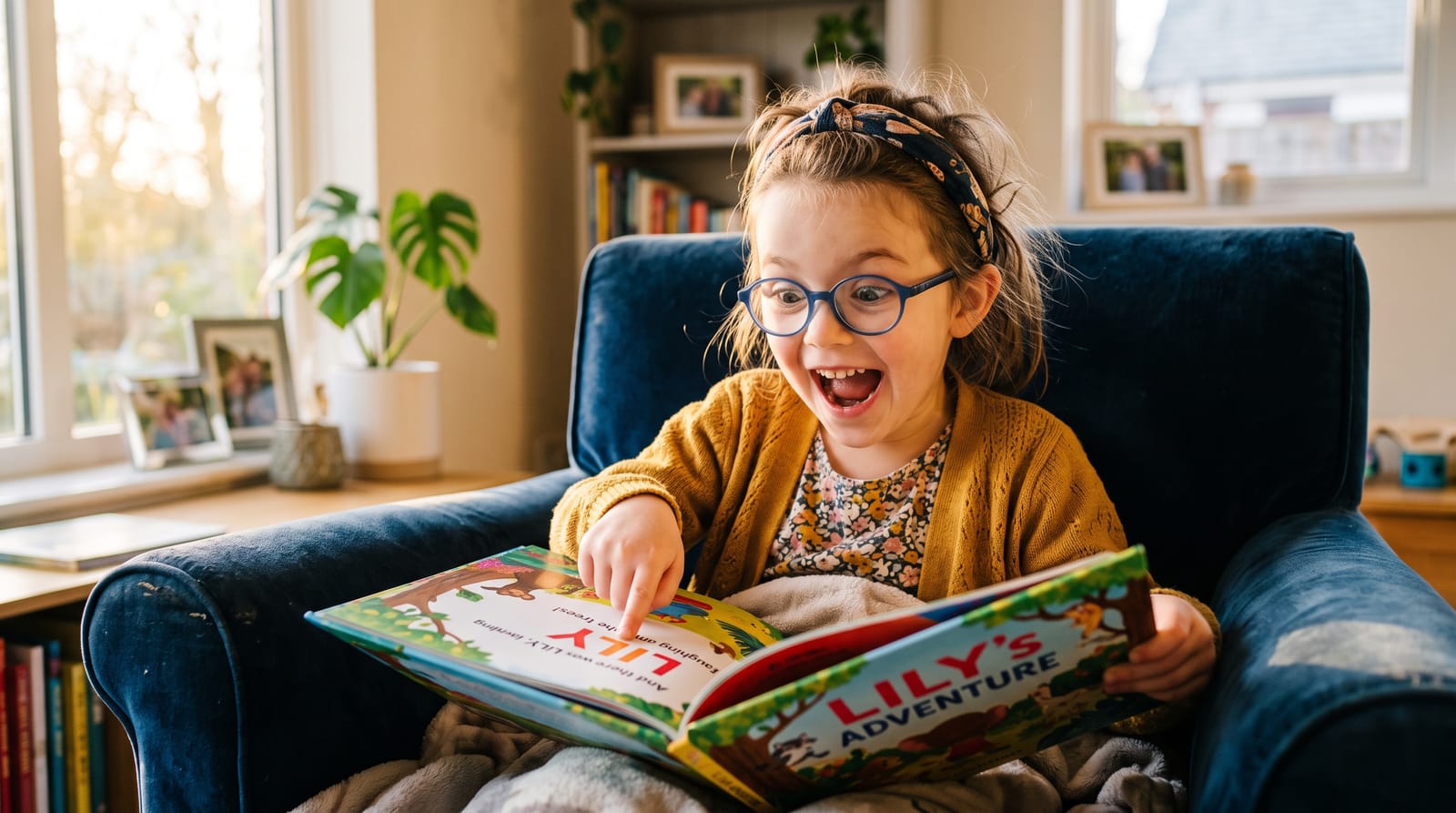
In an era of digital distractions, keeping a child’s attention on a physical book is a challenge. Personalization acts as a "narrative anchor." It grounds the child in the story, making the act of reading an immersive experience. When a child sees their name on the cover, the book ceases to be an object and becomes a treasure. You can explore more about this in our article on The Narrative Anchor: Family & Personalized Books.
2. Validating the "Self" in Storytelling
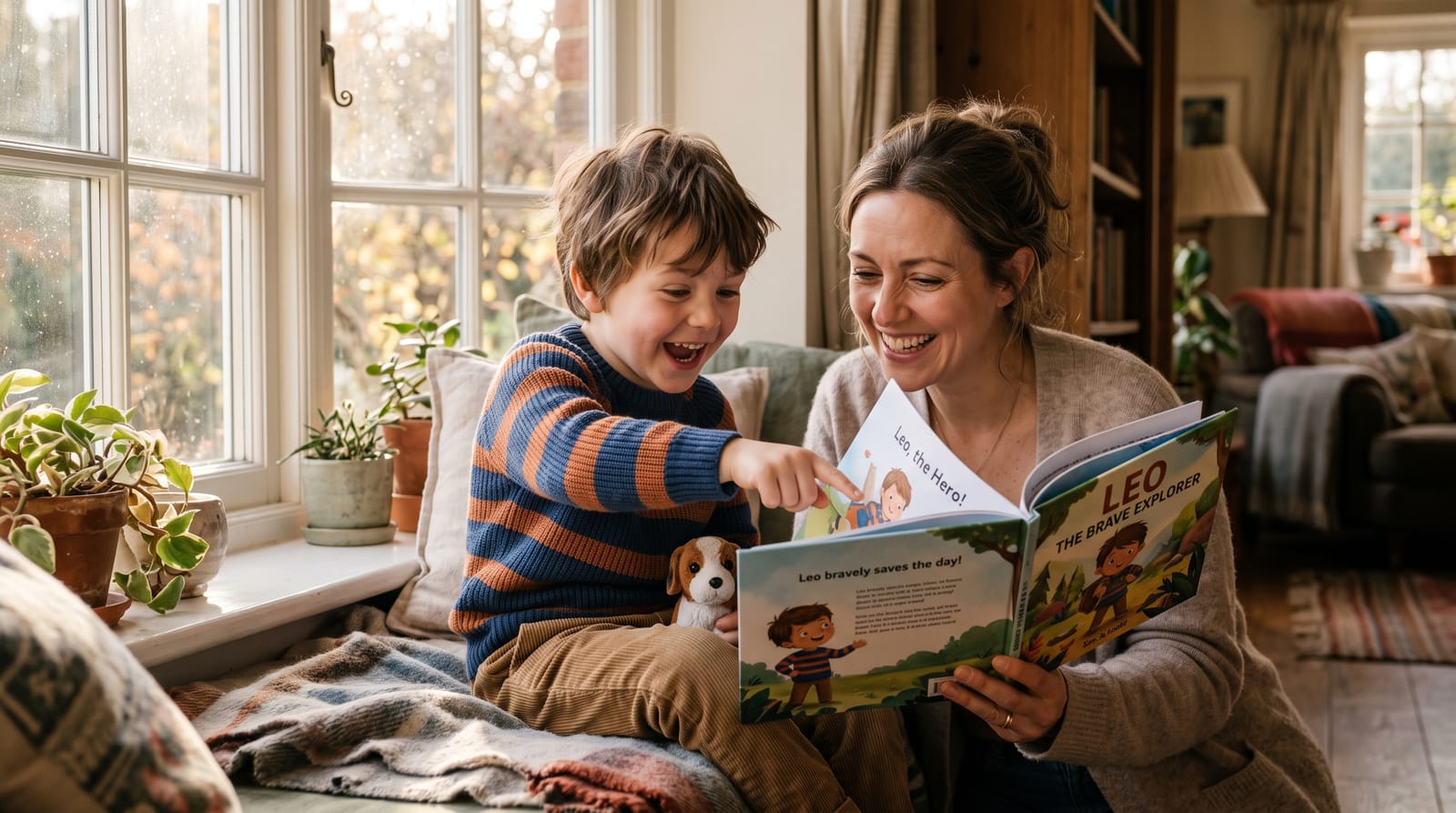
Every child deserves to see themselves as the hero. While the industry is making strides in diversity, there will always be children who fall between the cracks of traditional publishing. Personalized books ensure that no child is left out of the narrative. This is particularly important for building family bonds and a sense of belonging. For more on this, read about Building Family Bonds with Personalized Books.
3. Bridging the Gap Between Fantasy and Reality
Modern parents often struggle to find a balance between the "magic" of childhood and the "reality" of growing up. Personalized stories allow children to inhabit fantastical worlds while maintaining a connection to their real-world identity. This helps them process complex emotions within a safe, imaginative space. Our piece on Personalized Books: Bridging Fantasy & Resilience dives deeper into this phenomenon.
Choosing the Right Path for Your Young Reader
As you curate your child’s library in {YEAR}, consider a "hybrid" approach. Fill their shelves with the "literary legends" of the past and the diverse, specific voices of the present. But also leave room for the most important story of all: their own.
A picture book that features your child as the lead doesn't replace the classics—it enhances them. It provides the confidence and the "identity-first" foundation that allows them to engage more deeply with all other forms of literature. Whether they are learning about growth mindset, exploring their heritage, or simply going on a backyard adventure, being the hero of the story changes the way they see the world—and themselves.
At StorytimeHero, we are proud to be part of this evolution, helping families create stories that are as unique and multifaceted as the children who read them.
***
Frequently Asked Questions
Related Reading
If you enjoyed this exploration of the modern picture book, you might find these other StorytimeHero articles helpful:
- **Modern Family Narratives & Personalized Books:** Learn how the definition of "family" is expanding in children's literature.
- **The Evolution of the Modern Picture Book:** A deep dive into how technology and culture are reshaping the stories we tell.
- **How Personalization Reimagines the Picture Book:** Discover the psychological benefits of "embodied" storytelling for young readers.
- **Elevating Great Children's Stories with Personalization:** How to combine classic storytelling techniques with modern custom features.
- **Personalized Books and Family Identity:** Why shared stories are the "glue" that holds modern families together.
Free preview checklist
Get the personalized book gift checklist
Know what photo to use, what to write in the dedication, and what to review before ordering.