How Personalized Books Update the Picture Book | StorytimeHero
Upload a photo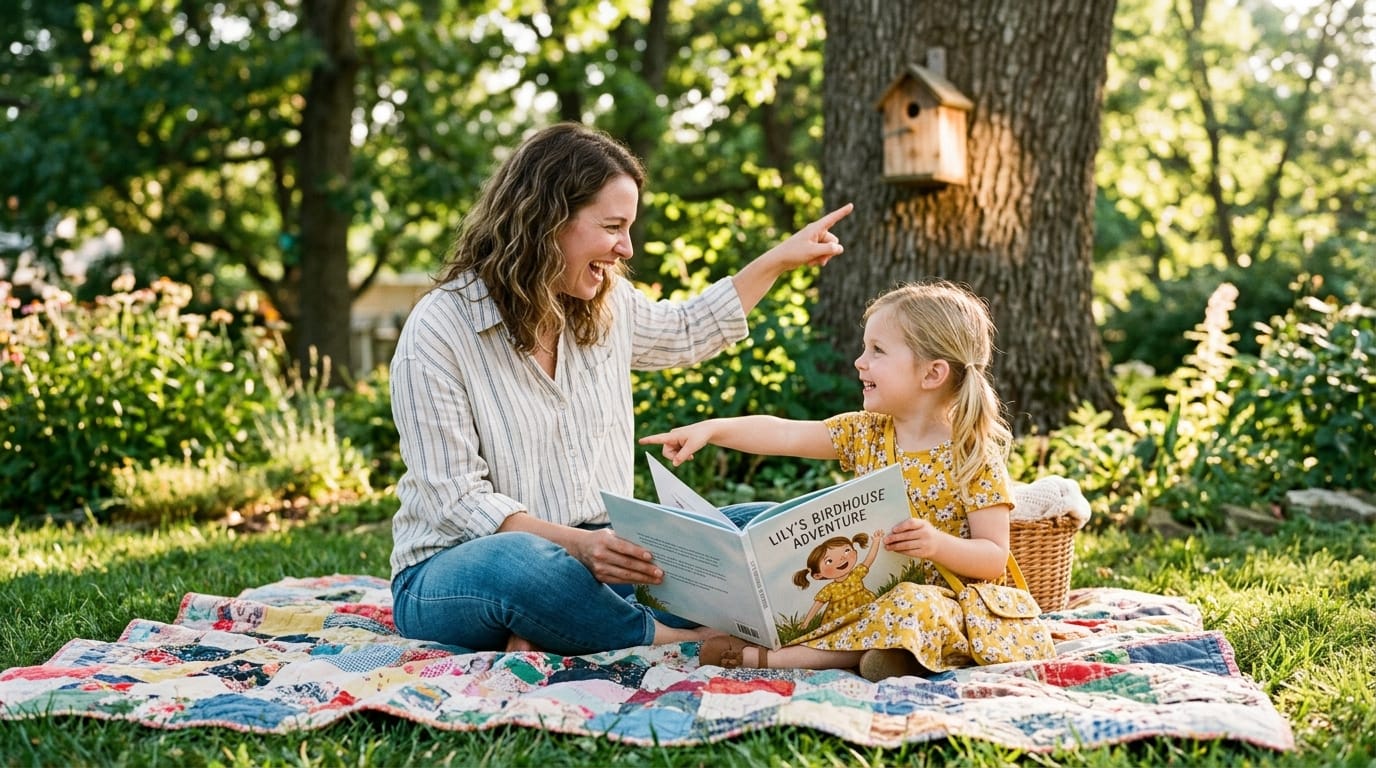
In the quiet corners of a child’s bedroom, the humble picture book has always been more than just ink and paper. It is a portal, a mirror, and a map. However, as we navigate the unique complexities of {YEAR}, the way we share stories with our children is undergoing a subtle but profound shift. Parents today aren't just looking for a story to fill the twenty minutes before lights-out; they are looking for narratives that help their children make sense of a world that feels increasingly fast-paced and disconnected.
This is where the evolution of the modern story comes into play. While the classics of the past hold a nostalgic charm, there is a growing realization that some traditional narratives may not fully serve the needs of a child growing up in today’s landscape. By integrating personalized books into a family’s library, we are able to address the gaps left by static stories, creating a "living narrative" that grows alongside the child.
Navigating the Emotional Weather of Childhood
If you’ve ever felt the frantic energy of a household during a seasonal transition, you know that children are highly sensitive to the "weather" of their environment—both literal and emotional. The transition from the enclosure of winter to the blooming chaos of spring, for example, often brings a mix of excitement and dysregulation.
Traditional picture books often do a beautiful job of illustrating these natural shifts. They show us the first sprout breaking through the soil or the way the light changes in the afternoon. But for a young child, these can sometimes feel like abstract concepts happening to someone else.
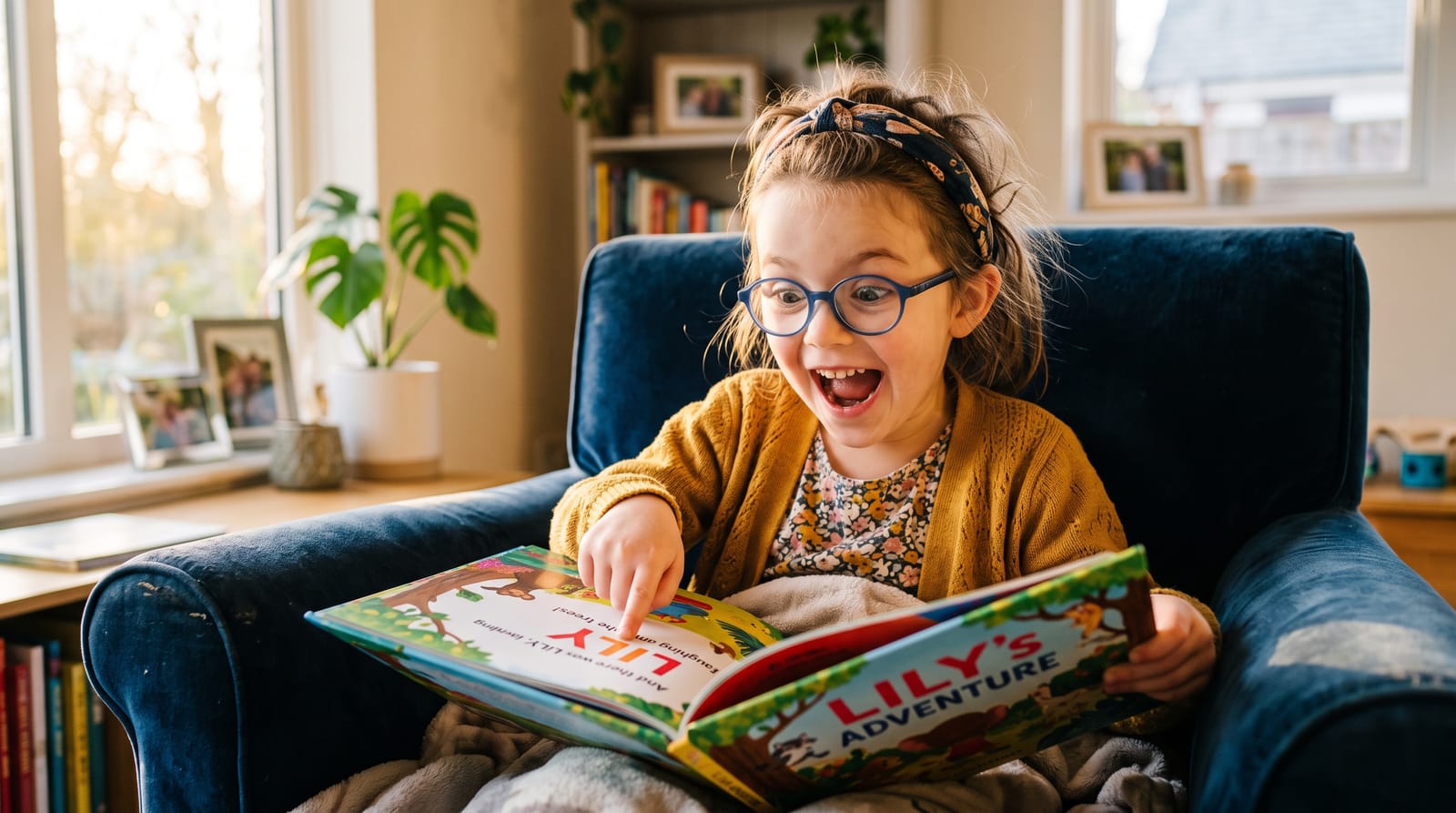
When we introduce personalized books into these seasonal moments, the child is no longer an observer of the change—they are a participant in it. By seeing themselves as the one noticing the "small details that are easy to miss," children learn the art of mindfulness. They aren't just reading about a character who finds peace in nature; they are practicing being a person who finds peace in nature. This level of immersion helps ground the experience, turning a hectic Tuesday afternoon into a moment of shared discovery.
For more on how this grounding effect works, you might find it helpful to explore how we are grounding the picture book experience for today’s young readers.
Cultivating the "Good Neighbor" Mindset
In an era of hyper-independence, where we can order groceries, dinner, and even furniture without ever speaking to another human being, the concept of "community" can feel a bit thin. Many parents worry that the art of being a good neighbor is being lost to the convenience of the digital age.
The modern picture book has taken on a vital role in countering this isolation. We see a resurgence of stories that celebrate the "helpers" and the simple, quiet acts of showing up for the people next door. However, the challenge remains: how do we move these lessons from the page into the child’s actual neighborhood?
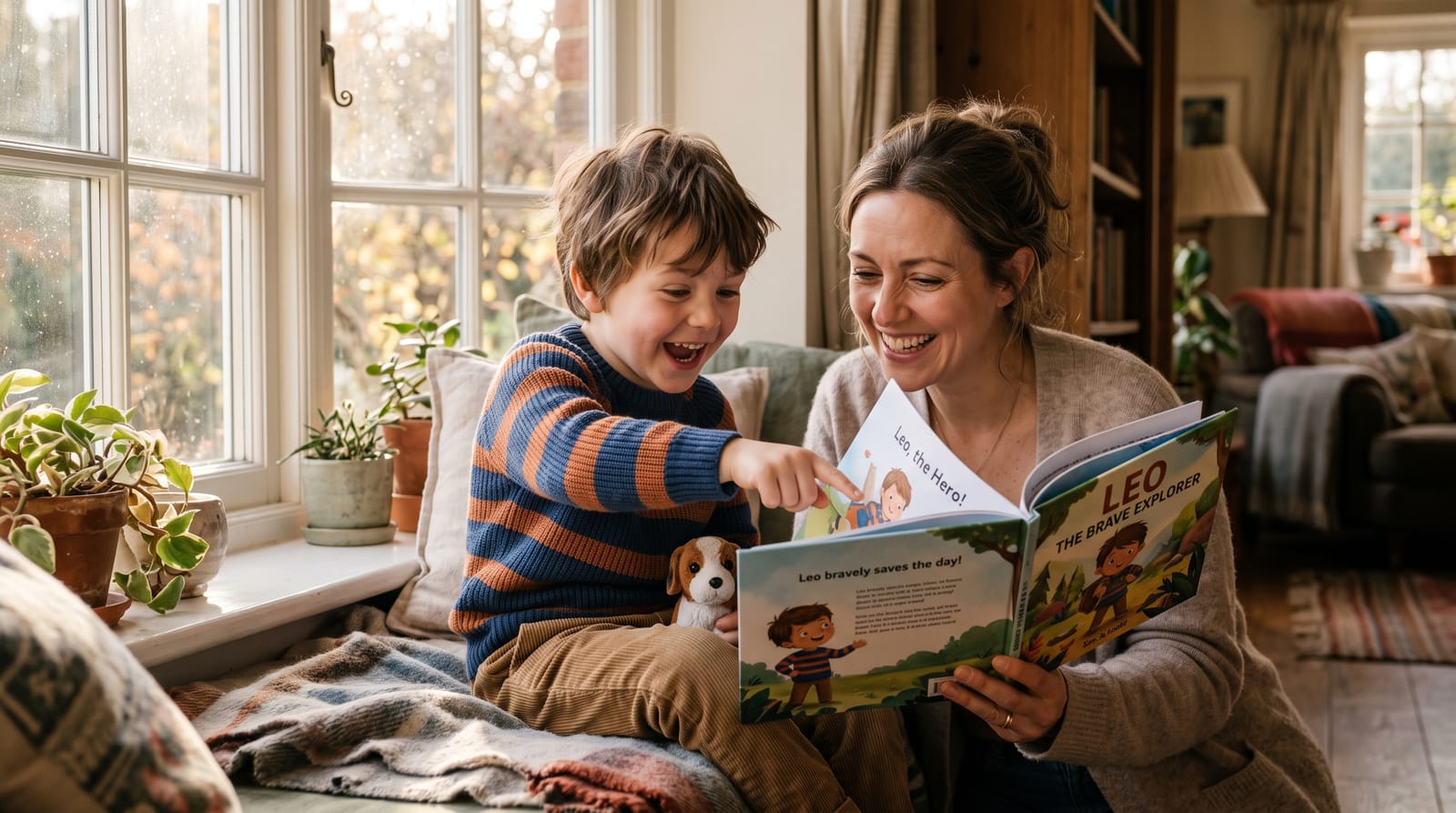
Personalization offers a unique bridge. When a story features a child who looks like them and shares their name, the social scripts within the book become much more "sticky." If the character in the book is learning to trust that "most people are good" or discovering the joy of helping a friend, the child internalizes those values as part of their own identity.
Instead of an abstract lesson on kindness, personalized books allow a child to rehearse their role within a community. It moves the needle from "This is what people do" to "This is what I do." By fostering this sense of belonging, we help our children feel safer and more connected to the world outside their front door. This shift is a cornerstone of how we are evolving modern values and community in picture books.
Moving Beyond Outdated Dynamics
We all have those books from our childhood that we remember with a fuzzy sense of warmth. But as we revisit them with our own children, we sometimes find that the messages haven't aged as well as the illustrations.
Take, for instance, the classic trope of the "limitless giver"—the character who gives and gives until they are nothing but a stump, while the receiver takes without ever offering a "thank you" or a moment of reciprocity. While intended to teach generosity, these stories can inadvertently model unhealthy relationship dynamics where one person’s needs are entirely subsumed by another’s.
Today’s parents are seeking a different kind of balance. We want our children to be generous, yes, but we also want them to have boundaries, self-respect, and an understanding of mutual care.
Personalized books allow us to rewrite these old scripts. In a custom narrative, the child can be the hero of a story where kindness is a two-way street. These stories can emphasize that being a good friend involves both giving and receiving, and that a child’s own growth and happiness are just as important as the help they provide to others. By moving away from the "giving until it hurts" model, we provide a more resilient foundation for their emotional development.
The Role of StorytimeHero in the Modern Library
At StorytimeHero, we believe that every child deserves to see themselves as the protagonist of a healthy, vibrant life. We don’t see personalized books as a replacement for the classics, but rather as a necessary evolution of the picture book medium.
In a world that can often feel overwhelming, these stories provide a sense of agency. When a child sees their own name on the page, the stakes of the story change. The challenges faced by the character become challenges the child feels empowered to solve. The beauty discovered in the woods becomes beauty the child is excited to find in their own backyard.
By focusing on themes like curiosity, resilience, and connection, we aim to provide parents with tools that do more than just entertain. We want to help you build a family culture where stories are a lived experience. Whether it’s helping a toddler navigate the "big feelings" of a new season or helping an older child understand their place in a wider community, these narratives act as a supportive partner in your parenting journey.
For parents looking for ways to navigate these daily hurdles, our guide on how personalized books support modern parenting offers practical insights into using stories as a tool for growth.
Why Relevance Matters for Engagement
It is a simple truth of human nature: we are more interested in things that involve us. For a child, the "relevance gap" can be the difference between a book that stays on the shelf and a book that is requested every single night.
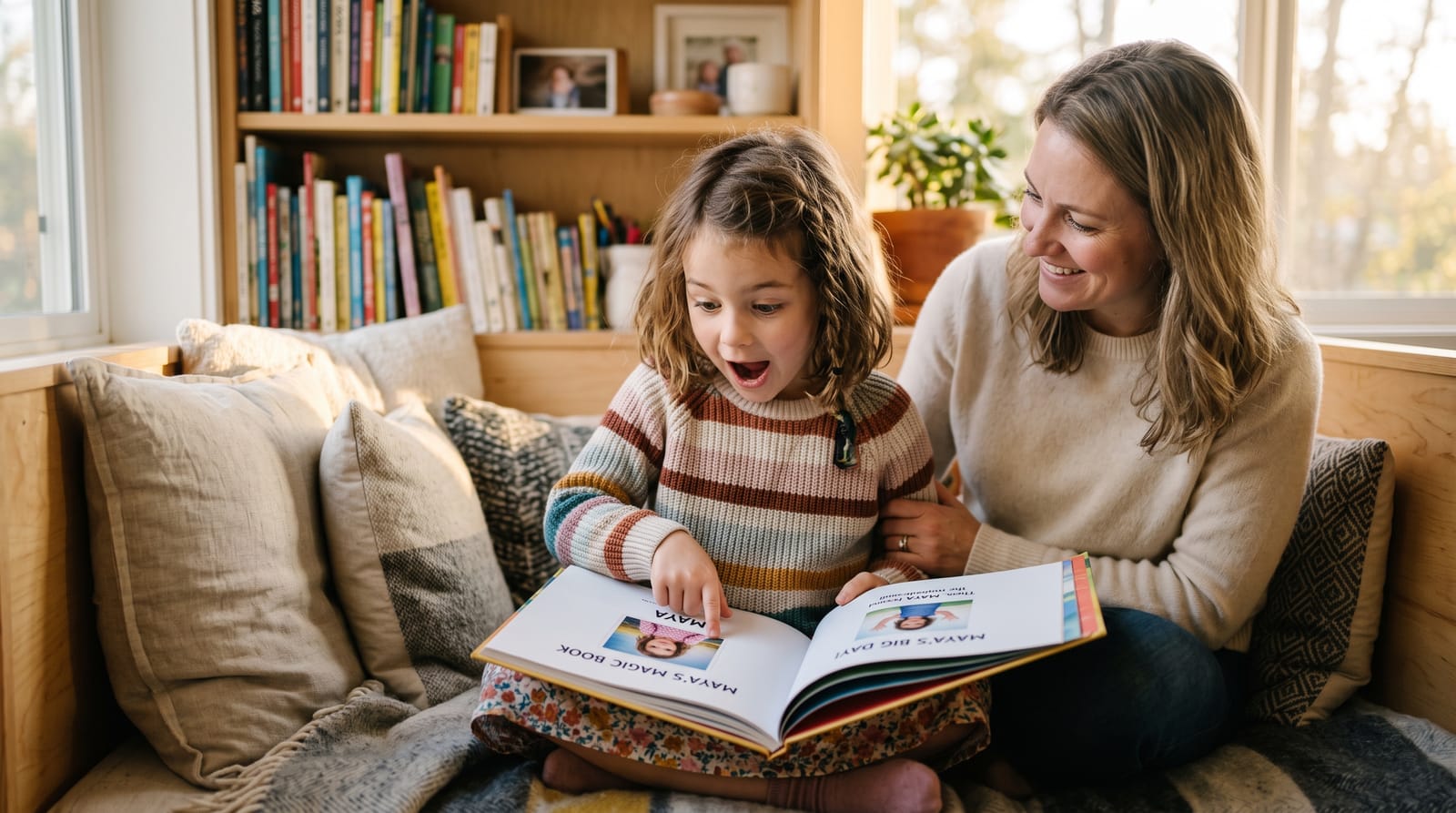
When a story reflects the child’s actual world—their family structure, their environment, and their specific challenges—their cognitive engagement skyrockets. They aren't just decoding words; they are mapping the story onto their own life. This deep engagement is what builds a lifelong love of reading.
Furthermore, as the world changes, the stories we tell must change too. We can no longer rely solely on narratives written forty or fifty years ago to explain the nuances of modern life. Personalized books allow for a level of flexibility and contemporary relevance that static publishing simply cannot match. They allow the picture book to remain a "living" thing, capable of addressing the specific needs of {YEAR}.
Creating New Traditions
One of the most beautiful aspects of the picture book is its ability to create memories. Many of us can still smell the old paper of our favorite childhood books or hear the specific cadence of a parent’s voice reading a certain line.
By choosing personalized stories, you are creating a new kind of heirloom. These aren't just books that were read to the child; they are books that were about the child. They capture a moment in time—the child's age, their appearance, and the values your family held dear during those formative years.
In {YEAR}, where so much of our children’s lives is captured in digital fragments on a smartphone, there is something deeply grounding about a physical book that says, "You belong here. You are the hero of this story. You are part of this world."
---
Frequently Asked Questions
Related Reading
Free preview checklist
Get the personalized book gift checklist
Know what photo to use, what to write in the dedication, and what to review before ordering.