Personalization and the Modern Picture Book | StorytimeHero
Upload a photo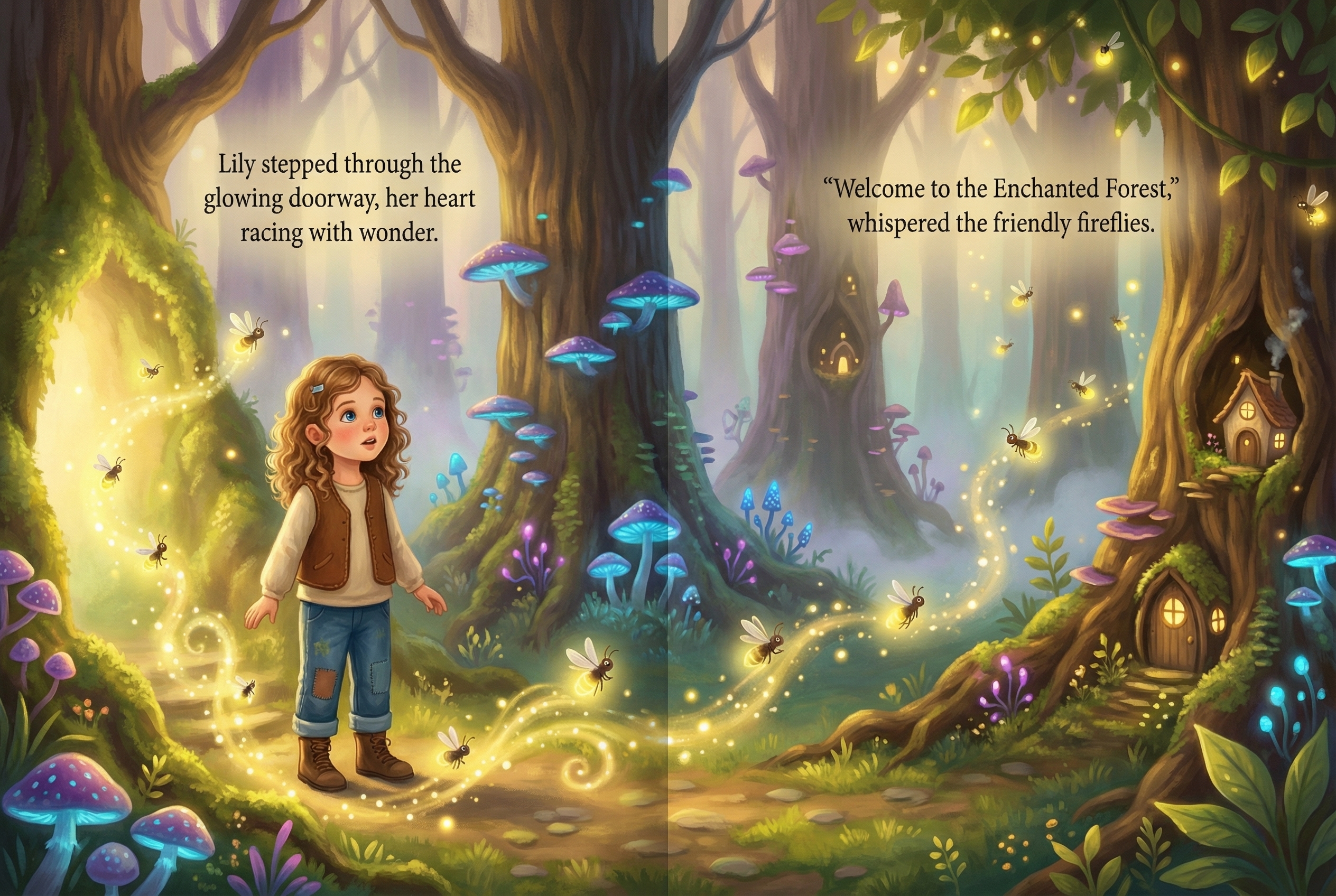
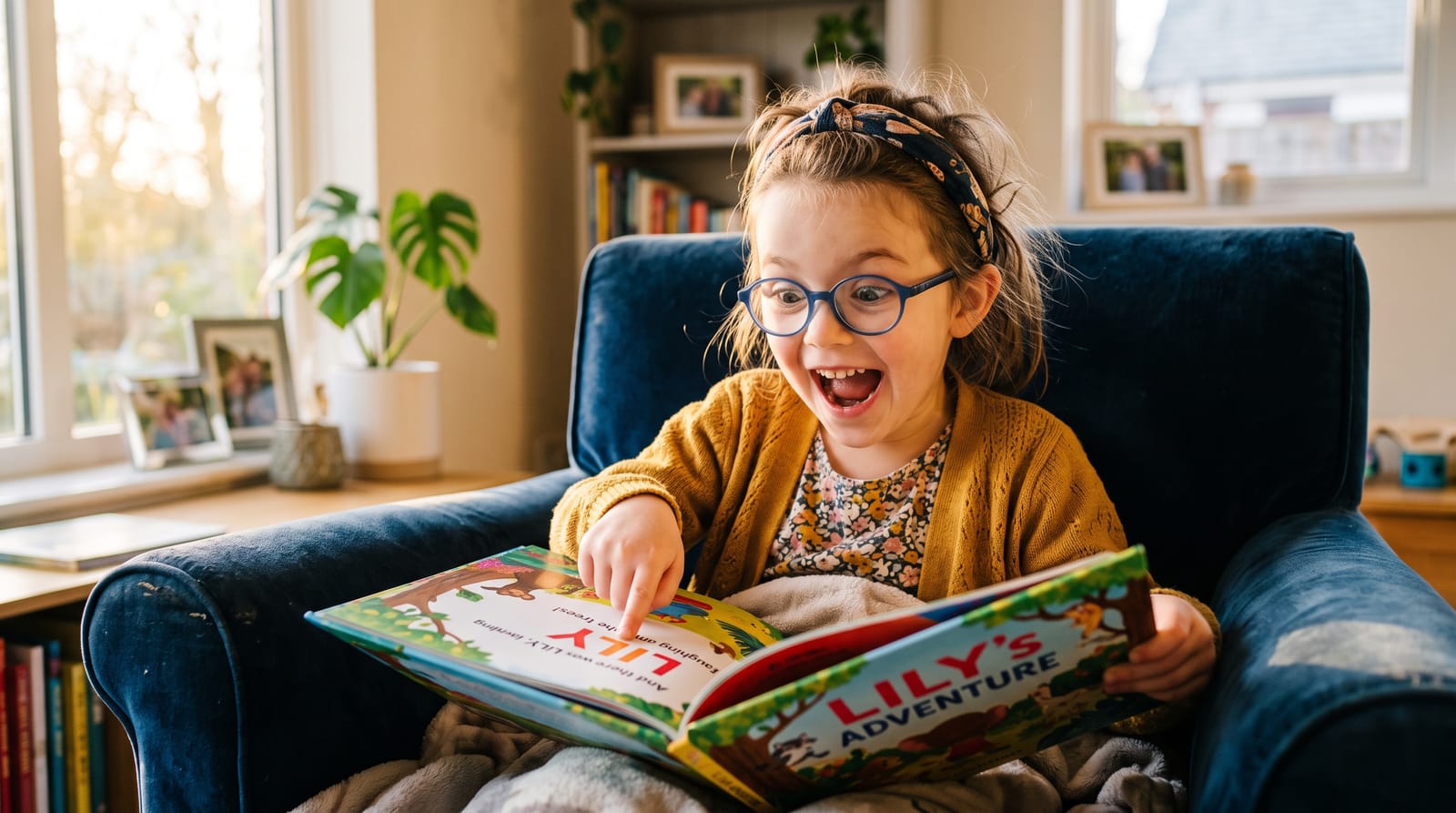
For decades, the traditional picture book has served as a child’s first window into the wider world. Through vibrant illustrations and rhythmic prose, children learn about animals, far-off lands, and the basic tenets of kindness. However, as our understanding of child development and the importance of representation has evolved, so too has the medium itself. We are currently witnessing a shift from stories that are merely observed to stories that are inhabited.
At StorytimeHero, we believe that the most powerful narrative is the one where a child can see their own reflection. By integrating a child’s name, likeness, and specific life experiences into the foundation of a story, personalized books are addressing the gaps left by traditional publishing. This evolution isn't just about a "cool factor"—it’s about fostering a deep sense of belonging, validating unique neural pathways, and creating a sensory-rich "home" within the pages of a book.
The Mirror and the Window: Why Representation in Picture Books Matters
In the world of children’s literature, scholars often speak of "mirrors and windows." A "window" allows a child to see into the lives of others, building empathy and curiosity. A "mirror" reflects the child’s own life back to them, validating their existence and worth. For too long, the mirrors available to many children—specifically those from marginalized communities—have been few and far between.
The modern picture book is working hard to correct this. We are seeing a beautiful surge in stories that celebrate Black joy, cultural traditions, and the everyday beauty of diverse communities. Rather than focusing solely on historical struggles, new narratives highlight the vibrancy of fashion, the rhythm of community gatherings, and the simple delight of a "good hair day."
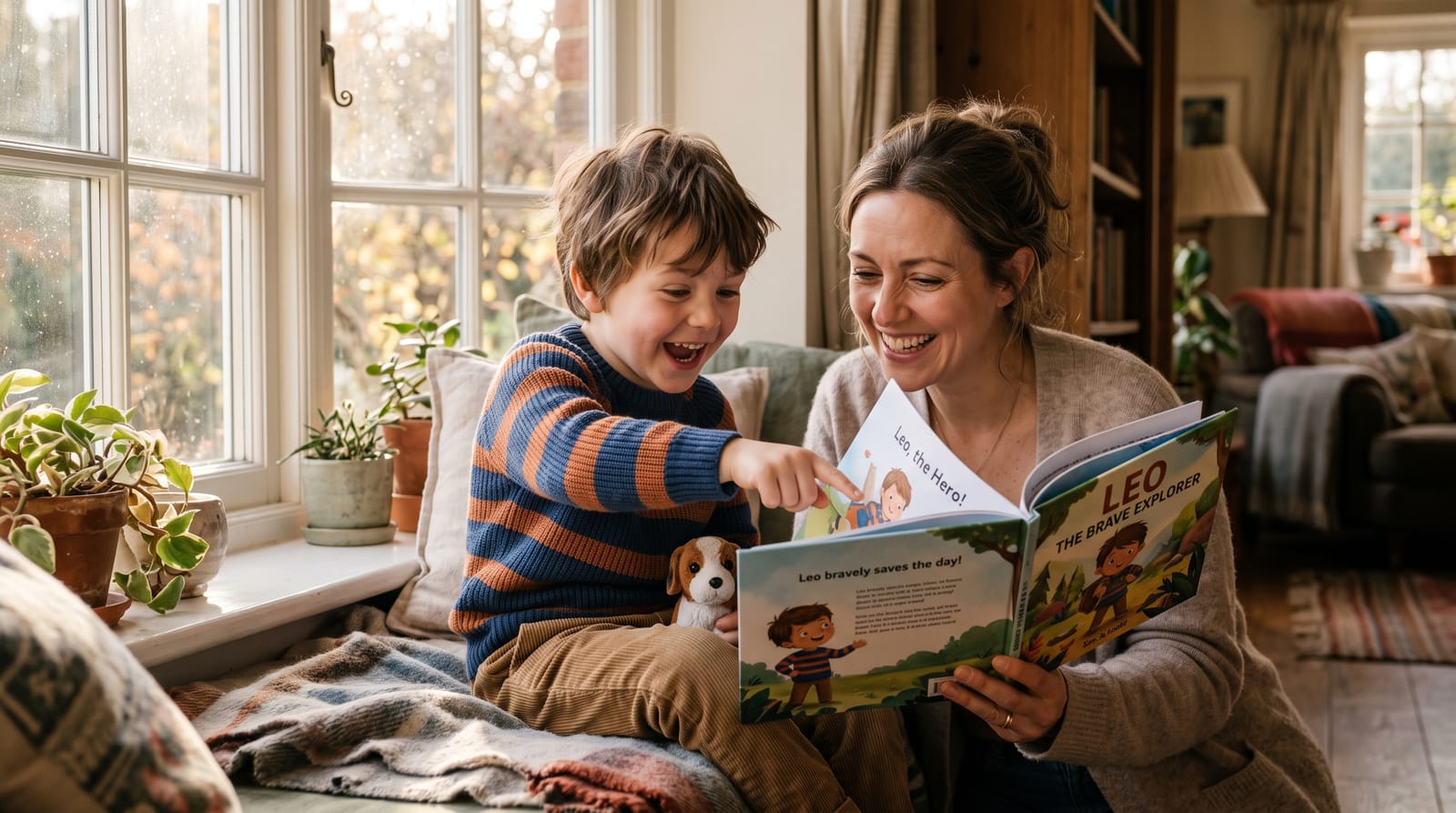
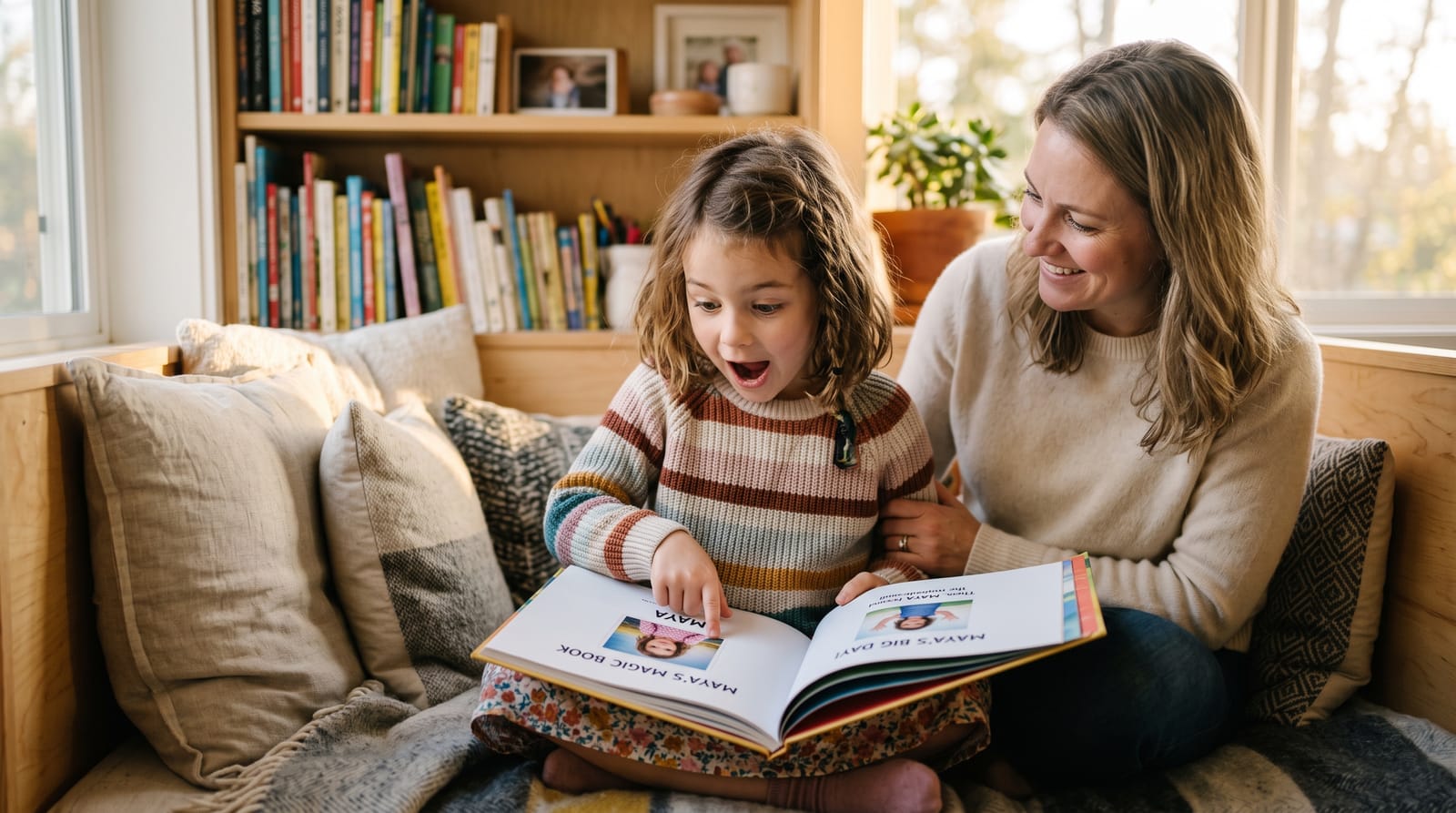
When you introduce personalization into this landscape, the "mirror" becomes high-definition. It is one thing for a child to read a beautiful story about a character who looks like them; it is another thing entirely for that character to bear their name. This level of inclusive storytelling evolution allows a child to move from being a spectator of joy to being the primary occupant of it. It reinforces the idea that their specific features, their family’s traditions, and their personal identity are worthy of being the center of a "best-in-class" narrative.
Validating Different Brains: Personalized Books and Neurodiversity
One of the most significant trends in the contemporary picture book is the thoughtful exploration of neurodivergence. Authors are increasingly moving away from "teaching moments" about disabilities and toward lived-experience narratives that celebrate different ways of processing the world. Whether a story explores the sensory overwhelm of a loud classroom, the rhythmic beauty of a stutter, or the "curiosities" that come with Tourette’s, these books provide a vital vocabulary for children whose brains work a little differently.
Personalized books take this validation a step further. For a child navigating ADHD, autism, or sensory processing differences, a story can act as a safe rehearsal space. By making the child the hero of the story, parents can use personalized books for autism and ADHD to create "social stories" that feel deeply personal.
When a child sees themselves navigating a "bad speech day" or finding comfort in a "special box" within the pages of a book, the narrative transitions from a general lesson into a personal tool for self-regulation. It tells the child: "This is your story, and in your story, your brain is a gift, not a problem." This direct connection is a cornerstone of how StorytimeHero approaches the modern picture book experience—ensuring that every child feels seen in their wholeness.
The Architecture of Comfort: Creating "Cozy" Reading Experiences
What makes a picture book feel "cozy"? Is it the soft palette of the illustrations? The rhythmic cadence of the sentences? Or perhaps the way the book makes us feel when we are tucked under a blanket on a rainy afternoon?
In recent years, the concept of "hygge" or extreme coziness has permeated the picture book world. These stories focus on sensory details—the texture of a knitted sweater, the smell of woodsmoke, the visual patterns of falling snow. They are designed to lower a child’s cortisol levels and create a "hominess vortex" that shields them from the stresses of the outside world.
Personalization adds a layer of emotional warmth that a standard book cannot replicate. When a child’s name is woven into a "cozy" narrative, the book becomes a literal safe haven. This architecture of belonging creates a psychological anchor for the child. The book isn't just a story about a snowy day; it is their snowy day. This sense of ownership over the narrative can be particularly powerful for children dealing with anxiety or those who struggle with transitions, as it provides a predictable, warm environment they can return to again and again.
Literacy and the "Name-Recognition" Effect
Beyond the emotional and social benefits, there is a strong cognitive argument for the personalized picture book. Educators have long noted that children are more likely to engage with text when it feels relevant to their lives. The "name-recognition effect" is a documented phenomenon where a child’s attention spikes the moment they see or hear their own name.
In a world filled with digital distractions, capturing a child’s focus is no small feat. By placing the child at the heart of the action, personalized books naturally increase attention and motivation. This engagement is the first step toward a lifelong love of reading. When a child is the hero of the adventure, they aren't just learning to decode words; they are learning that books are a place where they have agency, power, and a voice.
Moving Beyond the "Gimmick" in {YEAR}
In the early days of personalized publishing, the "personalization" was often limited to a simple name-swap in a generic story. Today, the industry has matured. Parents in {YEAR} are looking for more than a gimmick; they are looking for high-quality literature that happens to be about their child.
A true personalized picture book should stand on its own as a piece of art. It should feature:
- Original, Evocative Prose: The language should be as rich and rhythmic as any award-winning title on the library shelf.
- Sophisticated Illustration: The art should capture the "cozy" sensory details and diverse cultural markers mentioned earlier.
- Meaningful Themes: The story should tackle real emotions—joy, frustration, curiosity, and resilience.
At StorytimeHero, we strive to meet these standards by blending cutting-edge technology with traditional storytelling values. We understand that a book is often a child’s most prized possession, a keepsake that will be tucked away in a memory box decades from now.
How to Choose the Right Picture Book for Your Child
With so many options available, how do you select a book that will truly resonate? Here are a few things to consider:
- Identify the Emotional Need: Is your child going through a transition, like starting a new school? Or do they need a "cozy" book to help with bedtime battles? Choose a theme that mirrors their current stage of life.
- Look for Sensory Details: Choose books that describe how things feel, smell, and sound. This helps ground the child in the story and enhances the "hygge" factor.
- Prioritize Authentic Representation: Ensure the book reflects your child’s world—not just their name, but their community, their hair, and their family structure.
- Consider the "Keepsake" Factor: Is this a book they will want to read once, or is it a story that will grow with them? Personalized books often fall into the latter category because they document a specific moment in the child’s identity.
Conclusion: The Future of Storytelling is Personal
The picture book is no longer a static object. It is a living, breathing dialogue between the author, the parent, and the child. By embracing the trends of neurodiversity, authentic representation, and sensory comfort, personalized books are redefining what it means to "see yourself" in a story.
As we move forward in {YEAR}, the goal of StorytimeHero remains the same: to ensure that every child, regardless of how their brain works or where they come from, can open a book and find a hero who looks, speaks, and dreams exactly like they do. Because when a child is the hero of their own story, they begin to believe they can be the hero of their own life.
---
Related Reading
- How Personalization Reimagines the Picture Book
- Personalized Winter Picture Books: A Guide to Cozy Reading
- The Psychology of Keepsakes: Why Parents Save Custom Gifts
- How Personalized Books Support Family Connection
---
Frequently Asked Questions
Free preview checklist
Get the personalized book gift checklist
Know what photo to use, what to write in the dedication, and what to review before ordering.