Books for Kids Dealing With Separation Anxiety
Start a cover preview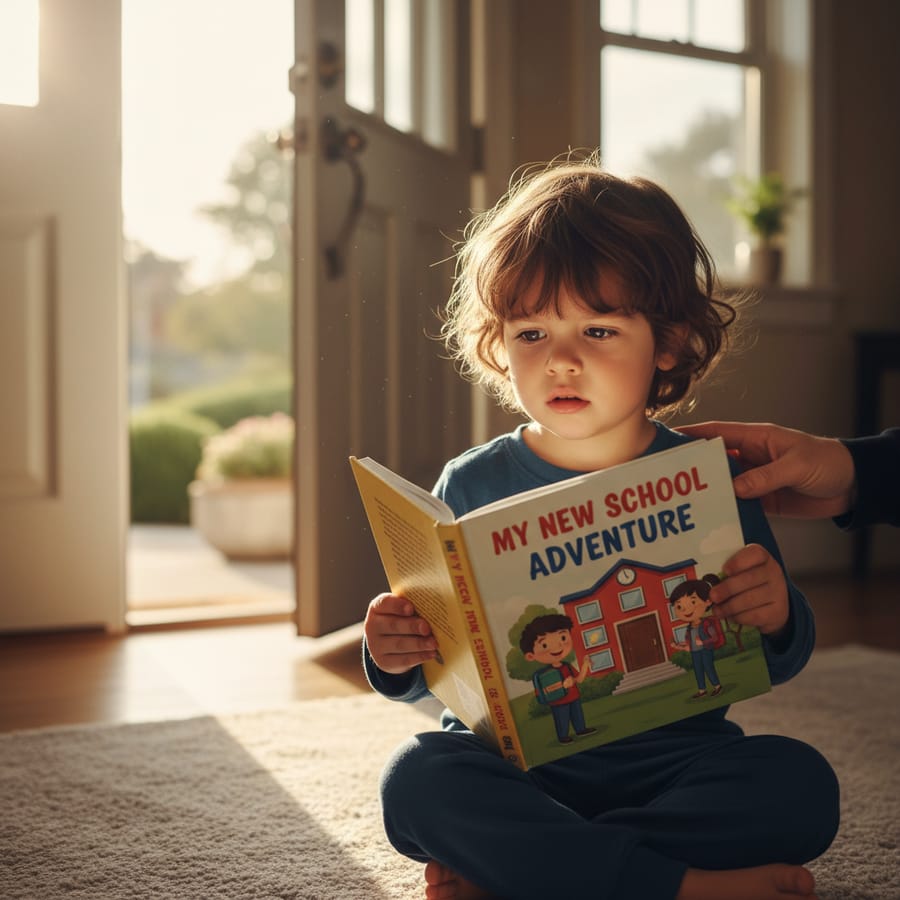
That moment at the classroom door, where your child’s lower lip starts to tremble and their grip on your hand tightens, is one of the hardest parts of being a parent. You know they are safe, and you know they will have fun once they settle in, but the "big feelings" of saying goodbye can feel overwhelming for both of you. Whether it’s starting preschool, staying with a babysitter for the first time, or even just moving into their own "big kid" bed, transitions are tough. One of the most powerful tools we have to help our little ones navigate these moments is storytelling. Specifically, finding the right books for kids dealing with separation anxiety can transform a tearful goodbye into a moment of shared confidence and connection.
Why Books for Kids Dealing With Separation Anxiety Are So Effective
Children often lack the vocabulary to explain exactly why they feel scared when you leave. They don't yet have the logic to tell themselves, "Mom always comes back after snack time." Instead, they live entirely in the "now," and when you leave, the "now" feels lonely. This is where bibliotherapy—the practice of using books to help children solve problems—comes into play.
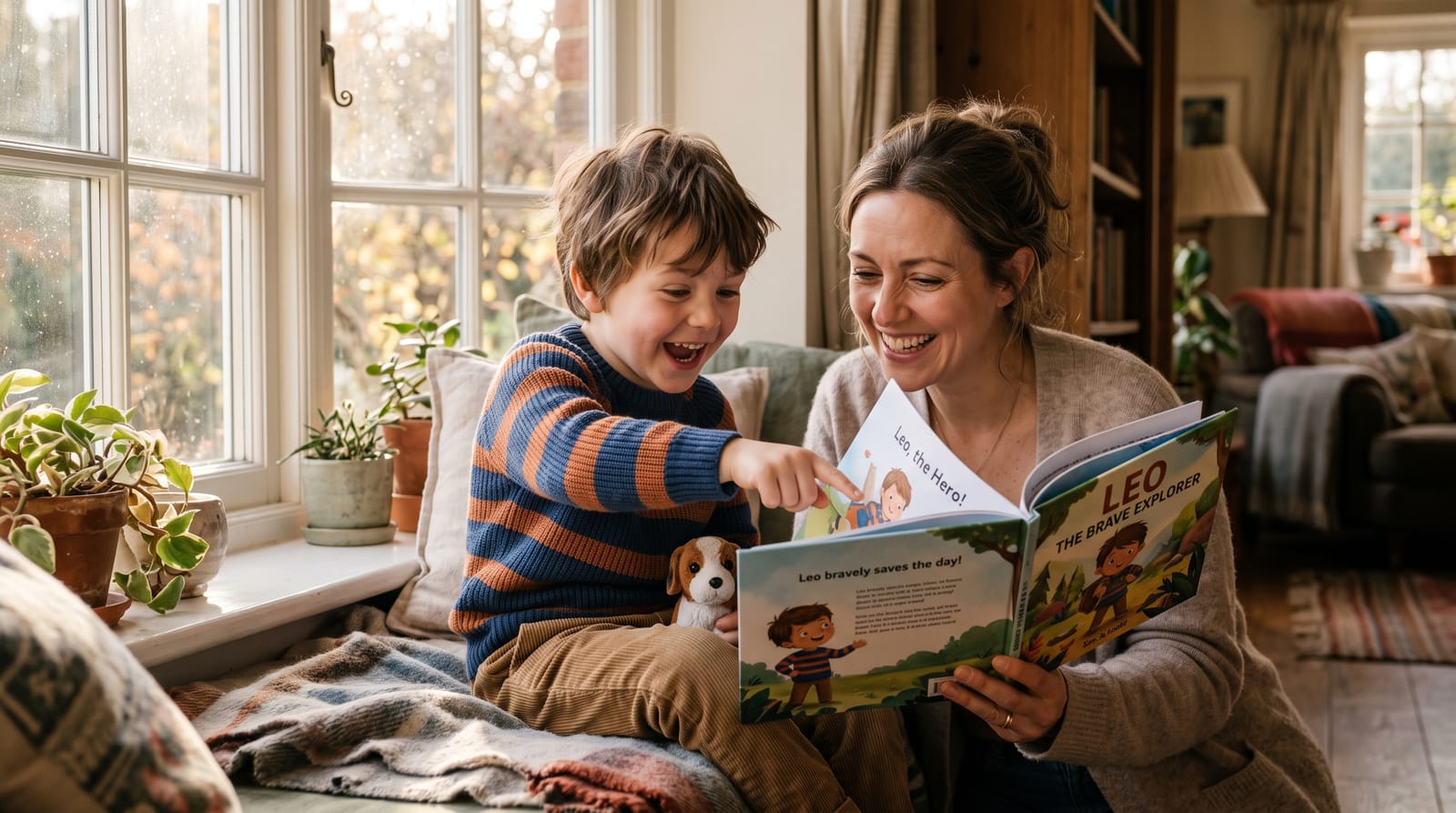
Books for kids dealing with separation anxiety provide a safe "third space." Instead of talking directly about their own fear, which can feel too intense, they can talk about a character’s fear. When they see a little bear or a brave hero in a story feeling nervous about school, it validates their own emotions. They realize, "I'm not the only one who feels this way."
Furthermore, stories provide a predictable structure. Most books follow a pattern: a character faces a challenge (saying goodbye), experiences the middle of the adventure (playing at school), and reaches a happy resolution (the reunion). By reading these stories repeatedly, your child begins to internalize that "the return" is a guaranteed part of the story. It builds a mental bridge from the moment you leave to the moment you come back.
The Power of Personalization in Overcoming Fears
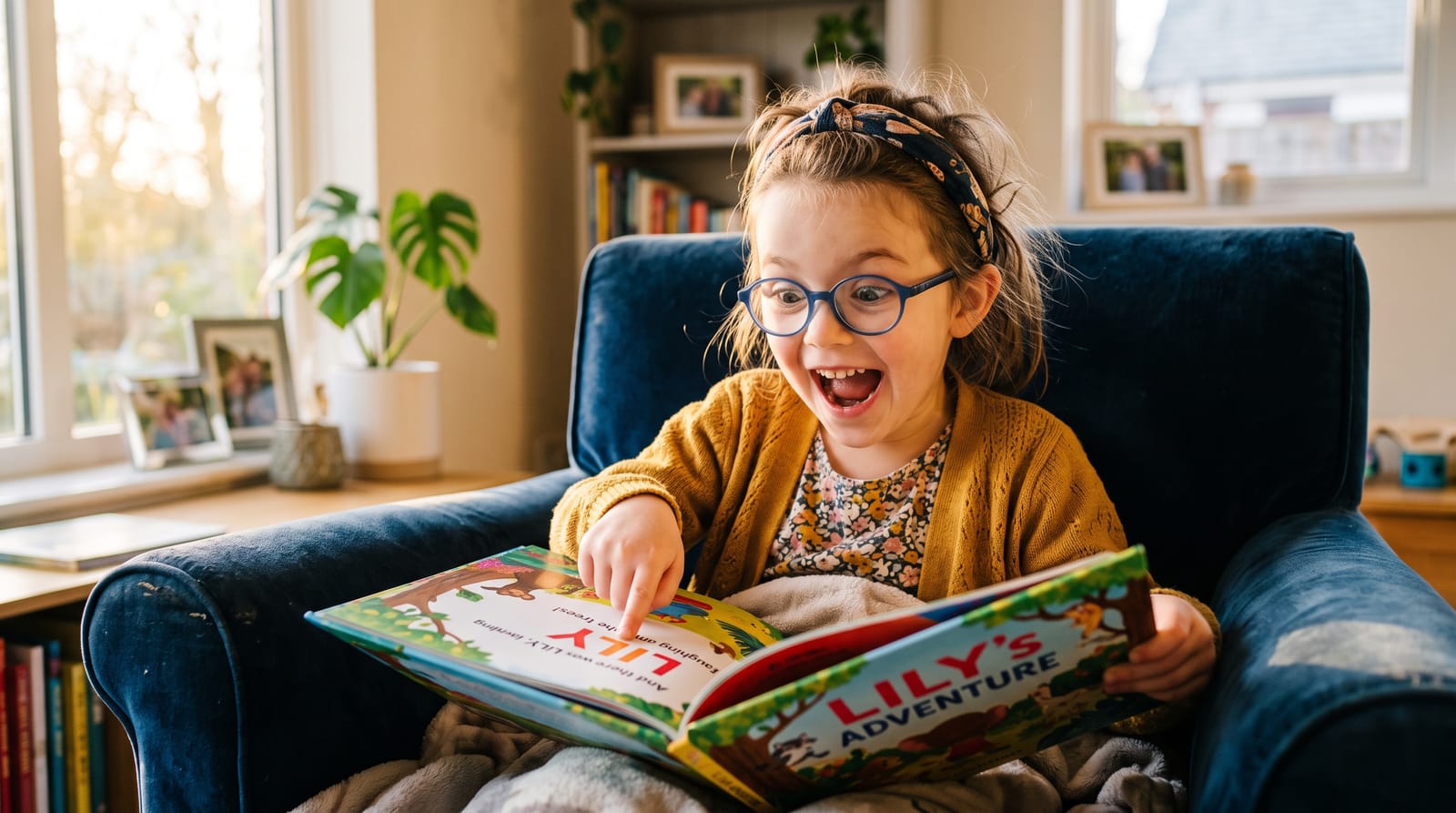
While traditional books are wonderful, there is something truly transformative about personalized children's books when it comes to emotional growth. At StorytimeHero.ai, we’ve seen firsthand how seeing their own face in the story changes a child's perspective.
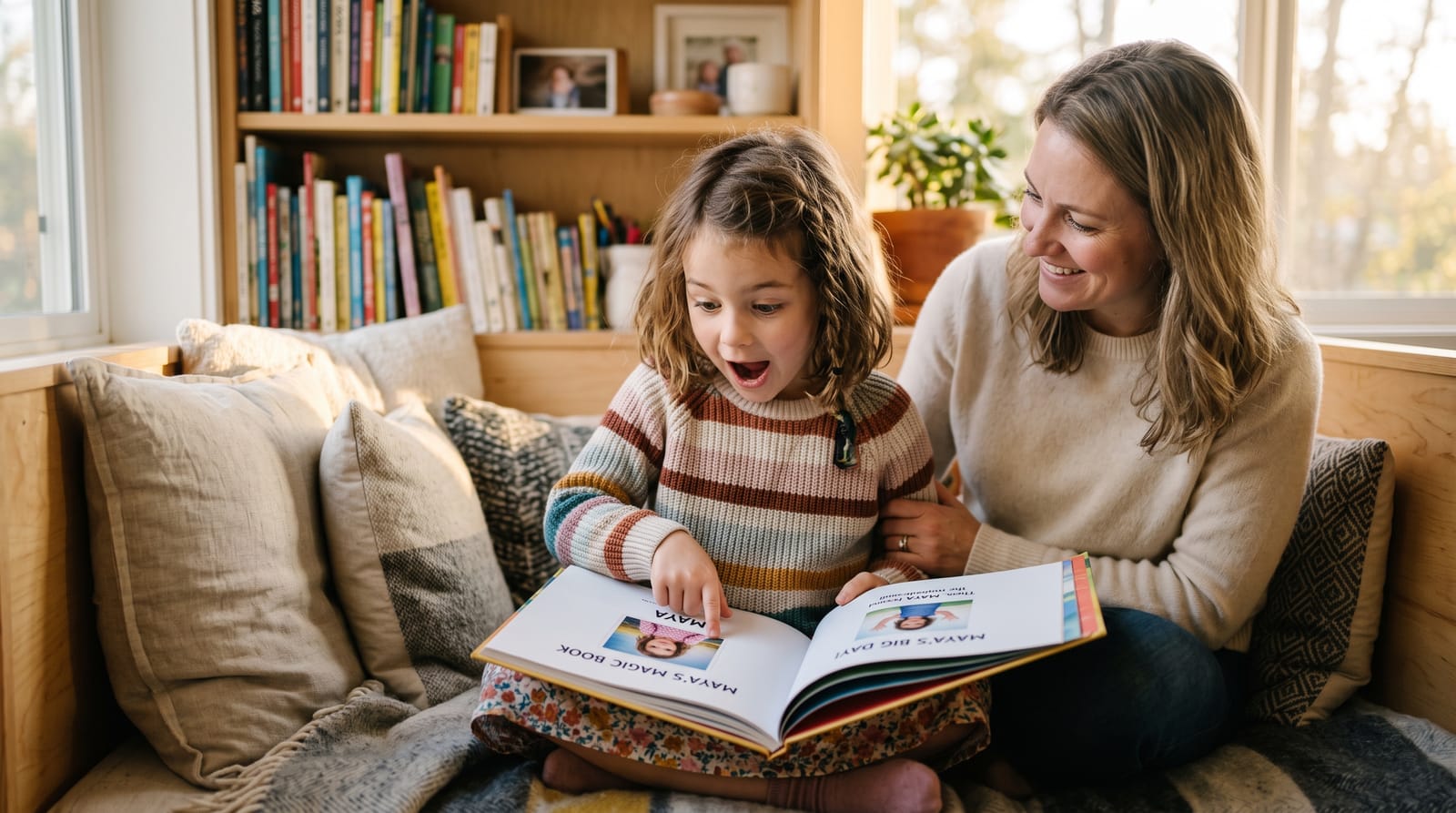
When a child reads a standard book about a generic character, they are an observer. But when they see themselves as the hero of the story—with their own face looking back at them from the pages—they become the protagonist. In the context of separation anxiety, this is a game-changer.
Imagine a book where your child is the brave hero who goes on a magical school adventure. They see themselves smiling at the teacher, playing with new friends, and eventually running into your arms at the end of the day. This visual representation acts as a "mental rehearsal." Because the AI-generated illustrations show their uploaded photo, their brain processes the experience as something they are actually capable of doing. It moves the concept of "bravery" from an abstract idea to a personal reality.
Finding the Right Books for Kids Dealing With Separation Anxiety
When you are searching for the perfect story to help your child, you want to look for specific themes that resonate with their developmental stage. Not every book about school or "goodbyes" is created equal. Here are a few things to keep in mind:
Focus on the Reunion
The most important part of any book for kids dealing with separation anxiety isn't the goodbye—it's the reunion. Look for stories that emphasize the "always coming back" aspect. The story should spend just as much time showing the happy moment of being back together as it does the initial transition.
Relatable Emotions
Avoid books that tell children "don't be sad" or "there’s nothing to be afraid of." Those phrases can actually make a child feel like their feelings are wrong. Instead, choose stories where the character acknowledges that they feel a little bit nervous, but they try anyway. This teaches emotional intelligence and resilience.
Routine-Based Narratives
For younger children, especially toddlers and preschoolers, separation anxiety is often tied to a fear of the unknown. Books that outline a clear daily routine—first we say goodbye, then we play, then we eat, then we nap, then you come back—are incredibly comforting. They provide a roadmap for the day, making the time spent apart feel less like an endless void and more like a series of fun steps.
Using Technology for Emotional Support
In today's world, we can use tools like customized storybooks to tailor the narrative to your child's specific situation. If your child is specifically nervous about the "drop-off" at the blue gate at their school, you can create a story that mentions that blue gate. This level of detail makes the story feel "real" and gives them specific tools to use in their actual environment.
How StorytimeHero.ai Reinvents Books for Kids Dealing With Separation Anxiety
Traditional publishing takes years to produce a book. By the time a book hits the shelf, it might not perfectly match what your child is going through. StorytimeHero.ai uses advanced AI to bridge this gap, allowing you to create a story that is perfectly timed for your child’s current milestone.
Our process is designed to be a bonding experience. You can sit down with your child and choose an adventure. Maybe they want to be a space explorer or a forest ranger. By putting them in a position of power and agency in the story, you are subtly shifting their self-image. A child who sees themselves as a "Space Hero" in their bedtime stories for kids is much more likely to feel like a "School Hero" the next morning.
The AI-generated illustrations are the secret sauce. Seeing their own face helps children with "mirroring." They see their own image looking brave, happy, and engaged. This builds a sense of self-efficacy—the belief that they can handle what comes their way. It’s not just a book; it’s a confidence-building tool that stays with them long after the cover is closed.
Practical Strategies to Ease Separation Anxiety at Home
While reading is a cornerstone of managing these big feelings, it works best when combined with other practical strategies. Here is how you can use books for kids dealing with separation anxiety as part of a larger plan to help your child feel secure.
1. Create a "Brave Book" Routine
Don't just read the story once. Children crave repetition because it provides security. Read your personalized adventure books every night for a week leading up to a big change. Ask questions like, "Look how brave you are in this picture! What do you think you’ll play with first at school tomorrow?"
2. The "Love Button" Technique
In many popular stories, characters use a physical gesture to stay connected. You can create your own version of this. Draw a small heart on your child's hand and one on yours. Tell them that whenever they press the "button," it sends a hug straight to you. This gives them a physical way to feel your presence when you are apart.
3. Visual Schedules
Pair your reading with a visual schedule. Kids are visual learners. You can even use the illustrations from your StorytimeHero book to create a "Day in the Life" chart. Having a visual reminder of what happens after you leave can lower their cortisol levels and help them feel in control of their day.
4. Practice "Mini-Separations"
Use the themes from your books to practice in low-stakes environments. Tell your child, "I'm going to the laundry room for five minutes, just like the hero in our story. I'll be back before the timer goes off." Gradually increasing these gaps helps build their "separation muscle."
5. Validate, Don't Negotiate
When the tears start, it's tempting to try and talk them out of it or offer rewards for not crying. Instead, try validating: "I see you're feeling sad because it's time for me to go. I'm going to miss you too, but I can't wait to hear about your day when I pick you up at 3:00." This acknowledges the truth of the situation without making it a battle of wills.
The Role of the Parent as the "Secure Base"
It’s important to remember that separation anxiety is a sign of a healthy attachment. Your child loves you and feels safe with you! While it’s stressful to deal with, it’s a developmental milestone that shows they have formed a strong bond.
As a parent, your job is to be the "secure base." When you are calm and confident during a goodbye, your child picks up on that energy. If you look worried or linger too long, they might think, "If Mom/Dad is this worried about leaving me here, maybe it really is dangerous."
Using a personalized gift for a child like a custom book can help you, the parent, feel more prepared too. It gives you a script to follow and a positive way to frame the conversation. When you both have a shared language from a story, the transition becomes a team effort rather than a struggle.
Making the Most of Bedtime for Tomorrow's Success
Bedtime is the perfect time to prepare for the next day's separation. When the house is quiet and your child is snuggled up, their brain is in a prime state for learning and emotional processing. This is why reading books for kids dealing with separation anxiety at night is so effective.
During these quiet moments, you can revisit the "hero" version of your child. Remind them of the story you created together. "Remember in our book how you used your super-strength to open the classroom door? You’re going to be that same hero tomorrow." By ending the day on a note of empowerment, you set the stage for a more successful morning.
Frequently Asked Questions
Related Reading
- How Personalized Stories Build Childhood Confidence
- The Science of Bibliotherapy: Why Stories Heal
- Creating a Bedtime Routine for Anxious Toddlers
- Helping Your Child Prepare for the First Day of Preschool
- The Benefits of AI in Children's Literature
- How to Raise a Brave Child in a Scary World
- 5 Creative Ways to Use Personalized Books for Milestones
Free preview checklist
Get the personalized book gift checklist
Know what photo to use, what to write in the dedication, and what to review before ordering.