What Makes a Book "Sensory Safe"?
Upload a photo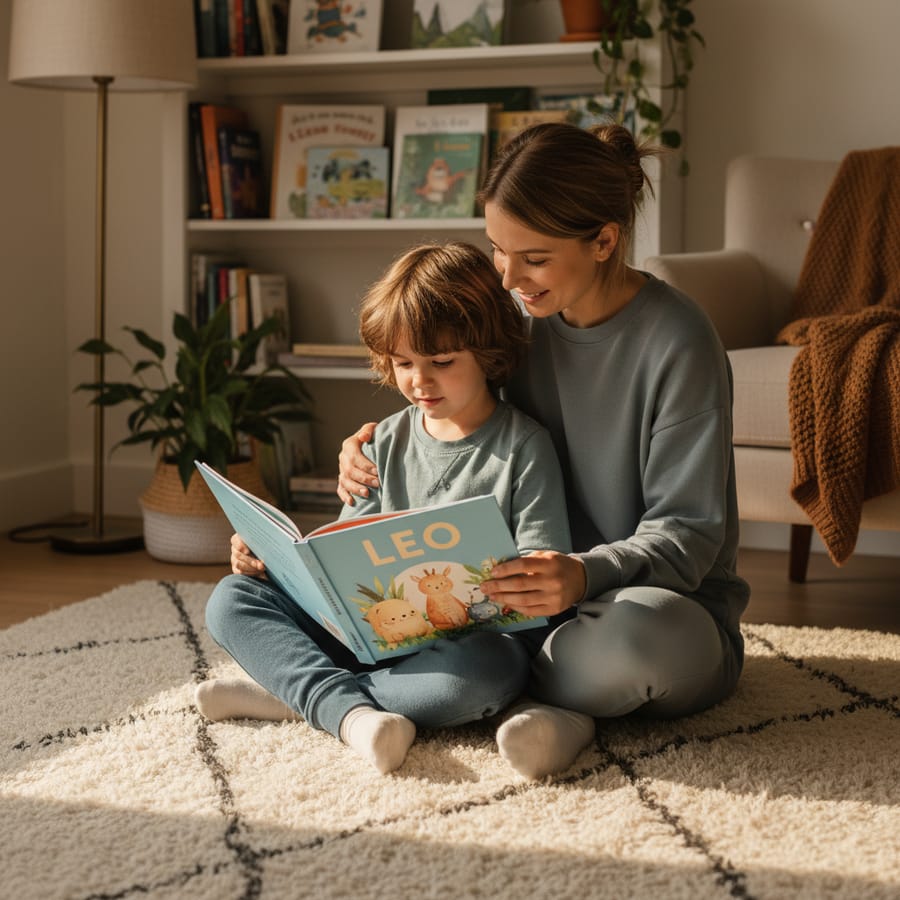
You’re sitting in the middle of a brightly lit bookstore, surrounded by thousands of children’s books. On one side, there are books with buttons that make loud, startling noises. On the other, there are pages filled with neon colors and so much "visual noise" that even you feel a bit dizzy. For many parents, this isn't just a minor annoyance—it’s a barrier. If your child has a sensitive sensory system, finding the right story isn't just about the plot; it’s about finding sensory safe books that won’t lead to a meltdown or total overstimulation. We want reading time to be the best part of the day, a moment of connection and calm, but the wrong book can turn a cozy evening into a stressful struggle.
Understanding Sensory Processing in Young Readers
Every child experiences the world through their senses, but some children process that information differently. You might notice your child covers their ears at sudden sounds, squint in bright light, or gets easily overwhelmed in a crowded room. This is often related to sensory processing, and it plays a huge role in how they interact with books.
When a child is "sensory defensive," their brain perceives certain inputs—like a very busy illustration or a scratchy page texture—as a threat. Their "fight or flight" response kicks in, making it impossible for them to focus on the actual story. On the flip side, some kids are "sensory seeking" and need specific types of input to stay engaged.
Sensory safe books are designed to respect these boundaries. They aim to provide a balanced experience that engages the child without pushing them into a state of sensory overload. By choosing books that prioritize clarity, predictable structure, and gentle visuals, you’re creating a "safe harbor" for your child’s imagination to grow.
The Core Elements of Sensory Safe Books
So, what exactly should you look for when you're browsing the shelves or creating a custom story? It really comes down to three main categories: visual clarity, auditory predictability, and tactile comfort.
Visual Clarity and "Visual Noise"
Many modern children’s books are "loud" visually. They have characters overlapping, dozens of hidden items on every page, and colors that are incredibly saturated. For a child with autism or sensory processing disorder, this can be exhausting.
Sensory safe books typically feature:
- High Contrast: Clear boundaries between the characters and the background.
- Minimalist Backgrounds: Avoiding unnecessary clutter that distracts from the main action.
- Soft Color Palettes: Using pastels or earth tones rather than neon or flickering patterns.
- Consistent Layouts: Keeping the text in the same spot on every page so the child knows where to look.
Auditory Predictability
While some books come with sound chips, sensory safe reading usually focuses on the parent's voice. A good sensory book has a rhythmic, predictable flow. Rhyming schemes or repetitive refrains allow a child to anticipate what’s coming next, which reduces anxiety.
Tactile Comfort
The physical feel of a book matters. Some children hate the "squeaky" feel of certain glossy pages or the rough texture of some "touch and feel" books. High-quality matte finishes are often preferred because they don't reflect overhead lights (reducing glare) and feel smooth and consistent to the touch.
Why Personalized Stories are Naturally Sensory Safe
One of the most powerful ways to help a sensitive child engage with a book is to make them the star. When you create a personalized storybook, you are doing more than just putting a name on a page; you are providing a familiar anchor.
For a child who struggles with new environments or abstract concepts, seeing their own face in the illustrations provides an immediate sense of safety. This is known as "self-modeling." When a child sees "themselves" navigating a story, their brain doesn't have to work as hard to process who the character is or what they are doing. This "saved" mental energy can then be used to enjoy the narrative and process the language.
Personalized books also allow you to control the narrative. If your child is afraid of loud noises or specific animals, you can choose adventures that avoid those triggers. This level of customization is a game-changer for families looking for sensory safe books that truly fit their child's unique needs.
How StorytimeHero.ai Creates a Sensory Safe Experience
At StorytimeHero.ai, we’ve spent a lot of time thinking about how to make our books accessible for all types of learners. We know that for many of our heroes, less is more. Our AI-driven process is designed to create illustrations that are beautiful but not overwhelming.
Focused Illustrations
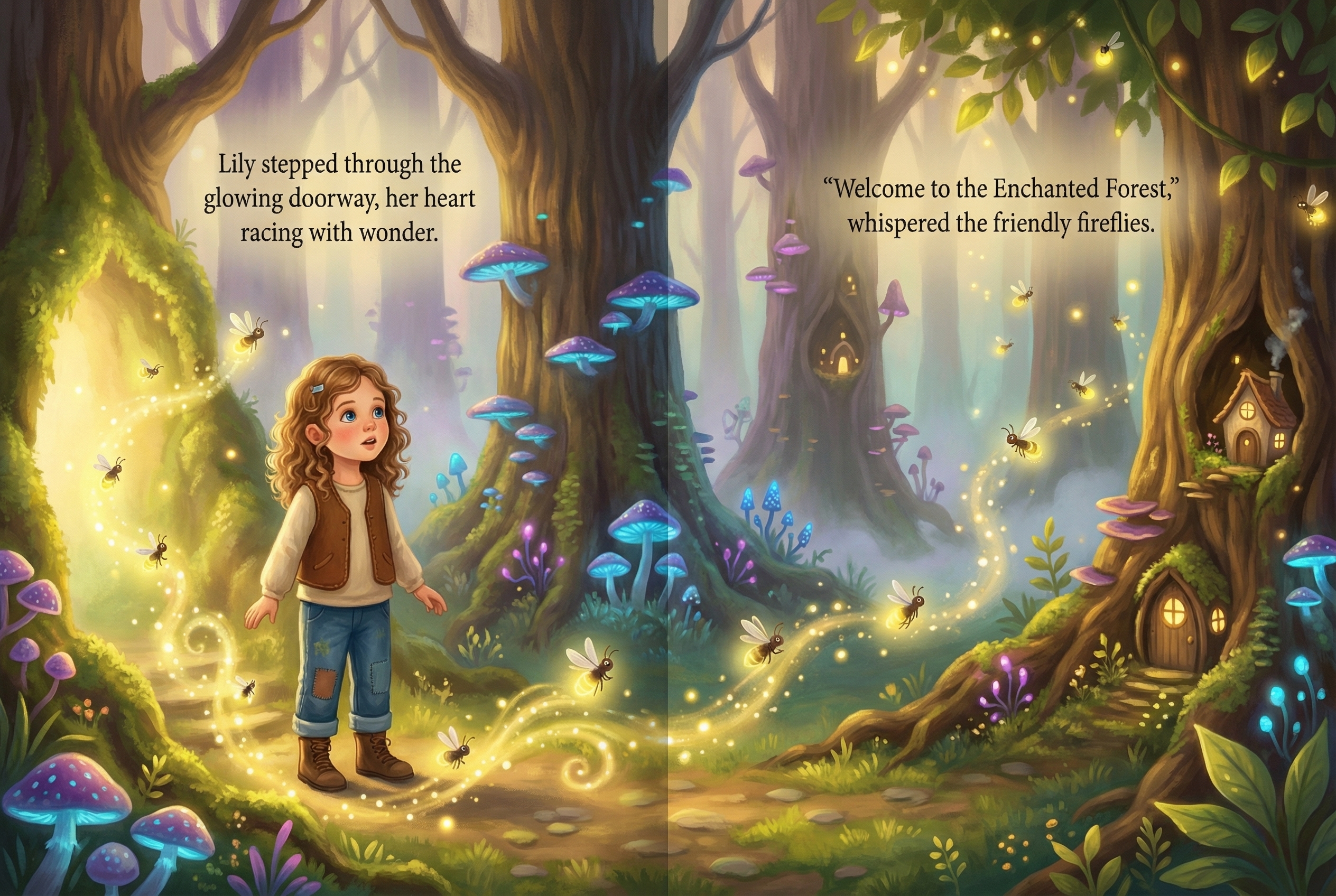
Our AI focuses on the "hero"—your child. By using real photos of your child to generate the characters, we ensure the most important part of the page is something they already love and recognize. We aim for clean compositions where the hero is the focal point, reducing the "visual noise" that can lead to distraction.
Predictable Story Arcs
Our stories follow a gentle progression. Whether your child is exploring a magical forest or going on a space mission, the pacing is designed to be steady. We avoid jarring plot twists or scary imagery that might cause a spike in cortisol before bedtime.
Non-Glare Finishes
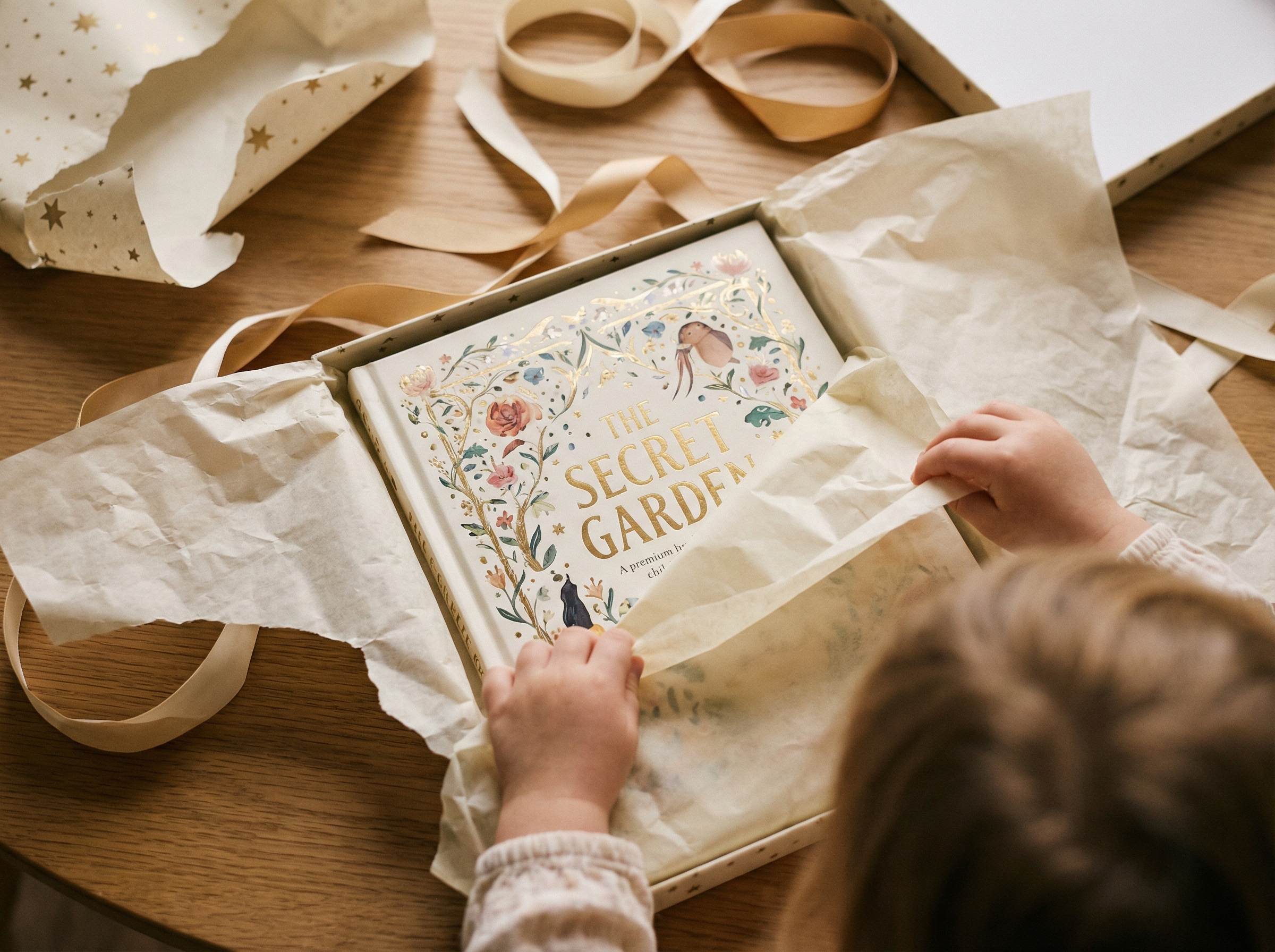
We choose printing options that prioritize a matte finish. This is a subtle but vital part of making sensory safe books. Glossy pages can catch the light from a bedside lamp and create "hot spots" of glare that are physically painful or distracting for children with visual sensitivities.
The Role of Predictability and Routine
For a sensory-sensitive child, the world can feel unpredictable and chaotic. Books that offer a clear beginning, middle, and end—and that can be read the same way every night—provide a sense of order.
When a book is sensory safe, it becomes a tool for regulation. You might find that your child asks for the same personalized bedtime story over and over. This isn't just because they like the story; it’s because the predictability of the words and the familiar images of their own face help calm their nervous system. They know exactly what to expect, which allows them to fully relax.
Tips for Creating a Sensory-Friendly Reading Nook
The book is only half of the equation. To make the most of sensory safe books, you can also adjust the environment where you read. Here are some practical steps you can take today:
- Control the Lighting: Avoid harsh overhead fluorescent lights. Use a small, warm-toned reading lamp or even a dimmable LED strip.
- Check the Seating: Does your child feel secure? Some kids love a beanbag chair that "hugs" them, while others prefer a firm chair where their feet can touch the floor.
- Reduce Background Noise: Turn off the TV in the next room. If your house is noisy, consider using a white noise machine at a low volume to mask distracting sounds.
- Follow the Child's Lead: If they want to spend ten minutes looking at one page, let them. Sensory safe reading is about the quality of the experience, not how fast you get to the end.
- Use Fidgets: Sometimes, having something to do with their hands (like a soft piece of fabric or a silicone fidget) helps a child process the visual information in the book more effectively.
Helping Your Child Build Confidence Through Reading
When a child has sensory challenges, they often feel "behind" or different from their peers. They might struggle with traditional classroom reading because the environment is too loud or the books are too busy.
By providing customized books for neurodivergent children, you are giving them a win. When they see themselves as the hero of a story—brave, capable, and calm—it changes their internal narrative. They stop seeing reading as a chore that hurts their eyes or ears and start seeing it as an adventure where they belong.
This confidence often spills over into other areas of life. A child who feels like a hero in their book is more likely to try new things in the real world. They’ve seen "themselves" do it on the page, so they know it’s possible.
Choosing the Right Themes for Sensory Sensitivity
Not all adventures are created equal. When selecting a story for a child who needs a sensory-safe experience, consider the "energy" of the theme.
- Nature Themes: Stories about gardens, forests, or the ocean often use naturally calming color palettes (greens, blues, browns) and have a slower, more rhythmic pace.
- Repetitive Tasks: Stories that involve building something, picking flowers, or preparing for bed offer a logical sequence that is very comforting for the sensory-sensitive brain.
- Social-Emotional Learning: Books that focus on feelings or gentle interactions are often lower in "action noise" but high in emotional value.
- Personal Success: Stories where the child completes a simple, rewarding task (like finding a lost toy) provide a dopamine hit without the need for high-stress conflict.
By focusing on these themes, you ensure that the sensory-friendly personalized stories you create are perfectly aligned with your child's comfort zone.
Frequently Asked Questions
Related Reading
- How Personalized Stories Build Self-Esteem in Children
- The Science of Self-Modeling: Why Kids Love Seeing Their Faces in Books
- Creating a Calming Bedtime Routine for Sensitive Kids
- Why Representation Matters in Children's Literature
- The Best Gifts for Neurodivergent Children in 2024
- How AI is Changing the Way We Tell Stories to Our Kids
- Understanding the Connection Between Reading and Emotional Regulation
Free preview checklist
Get the personalized book gift checklist
Know what photo to use, what to write in the dedication, and what to review before ordering.