Reading Habit Tracker: Printable + Routine
Start a keepsake preview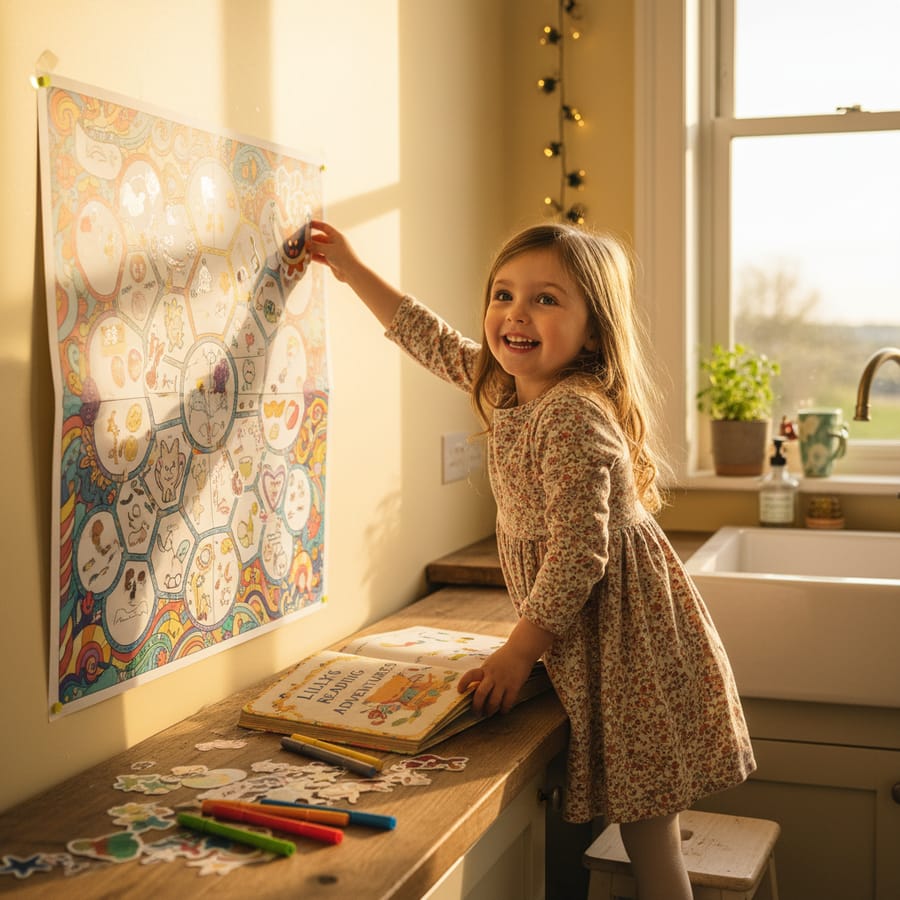
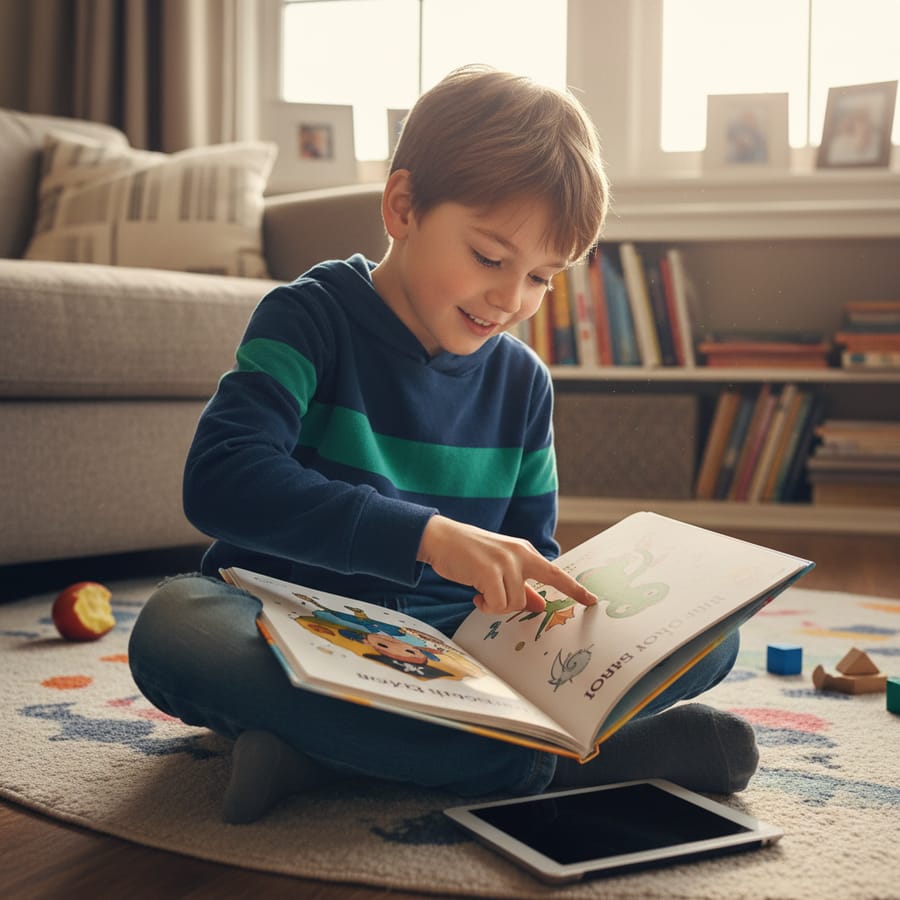
We’ve all been there. It’s 7:30 PM, the pajamas are on (mostly), and you’re trying to nudge your child away from the tablet and toward the bookshelf. You know that reading is the key to their future, but sometimes it feels like a chore rather than a joy. This is where a Reading Habit Tracker: Printable + Routine comes into play. It’s not just about marking off days on a calendar; it’s about transforming the way your child views books. By turning reading into a visual journey where they can see their own progress, you take the pressure off and replace it with a sense of accomplishment. When you combine a solid routine with the magic of seeing their own face in a story, you create a reader for life.
Why You Need a Reading Habit Tracker: Printable + Routine for Your Family
In our fast-paced, digital world, focus is a rare commodity. Children are bombarded with quick-hit entertainment that offers instant gratification. Reading, by contrast, is a slow-burn skill. It requires patience and imagination. A Reading Habit Tracker: Printable + Routine acts as a bridge between the digital world and the physical page. It provides that "dopamine hit" kids crave when they get to place a sticker or draw a star after finishing a chapter.
Visual progress is incredibly powerful for young minds. When a child sees a string of completed days on their tracker, they start to build an identity as a "reader." They aren't just a kid who has to read for twenty minutes because Mom said so; they are a person who has read for ten days straight. This shift in mindset is the foundation of a lifelong habit.
Furthermore, a tracker helps you, the parent, stay consistent. We have busy lives. Between soccer practice, grocery runs, and work meetings, it’s easy to let the bedtime story slide "just for tonight." When the tracker is hanging on the fridge, it serves as a gentle reminder for the whole family that reading is a priority. It’s a shared goal that brings everyone together at the end of a long day.
How to Use a Reading Habit Tracker: Printable + Routine to Build Lifelong Skills
Building a habit isn't just about repetition; it's about the environment and the rewards. To make the most of your Reading Habit Tracker: Printable + Routine, you need to integrate it into your child's daily life in a way that feels natural.
First, let your child help choose the tracker. Whether it’s a simple grid or a winding path through a forest, giving them "buy-in" from the start makes a huge difference. You can find many options online, or even better, create a simple one together. Once you have your printable, place it somewhere visible—not tucked away in a folder. The refrigerator or the bedroom door are perfect spots.
Next, focus on "habit stacking." This is a psychological trick where you attach a new habit to an existing one. For example, "After we brush our teeth, we read for fifteen minutes." Because the teeth-brushing already happens, the reading becomes the natural next step. The tracker then becomes the final "click" in that routine. Your child brushes, reads, and then gets the satisfaction of marking their tracker.
It’s also important to set realistic goals. If your child is currently reading zero minutes a day, don’t start with a goal of an hour. Start with five or ten minutes. The goal of the Reading Habit Tracker: Printable + Routine is to build the habit of showing up, not to hit a specific page count. As they get more comfortable, you can slowly increase the time. This builds confidence and prevents the routine from feeling like a burden.
Making it Stick: Creating a Reading Habit Tracker: Printable + Routine That Works
The biggest mistake parents make with trackers is making them feel too much like schoolwork. If the tracker feels like a graded assignment, your child will eventually rebel. To keep it fun, incorporate variety and choice.
One way to do this is through "genre bingo." On your tracker, instead of just dates, include squares for different types of reading. One day could be "read a poem," another could be "read a book about an animal," and another could be "read a personalized children's book." This keeps the routine fresh and encourages your child to explore the library.
Another key to making it stick is the "Never Miss Twice" rule. Life happens. Sometimes there’s a late-night school event or a family emergency, and the reading routine gets skipped. That’s okay! The goal isn't perfection; it's consistency. If you miss a day on the tracker, make it a point to get back on track the very next night. This teaches your child resilience and shows them that a small slip-up doesn't mean they've failed.
You can also use the tracker to unlock "milestone rewards." Maybe after ten days of reading, the family has a movie night. After thirty days, they get to pick out a brand new book. These rewards should celebrate the effort of reading, further reinforcing the positive association with books.
The Secret Ingredient: Personalized Stories for Maximum Engagement
While trackers and routines are great tools, the content of the books matters most. If a child is bored with what they are reading, no amount of stickers will make them love the habit. This is where AI-generated storybooks change the game entirely.
Imagine your child opening a book and seeing their own face as the brave knight, the clever detective, or the daring astronaut. When a child becomes the hero of the story, their engagement levels skyrocket. They aren't just reading about a character; they are reading about themselves. This personal connection makes them much more likely to want to complete their daily reading and mark it on their Reading Habit Tracker: Printable + Routine.
At StorytimeHero.ai, we specialize in creating these magical moments. By using a photo of your child, our AI crafts illustrations that place them directly into the adventure. This level of personalization helps overcome the "reading resistance" many parents face. It’s hard to say "no" to reading when the story is literally about you saving a kingdom or exploring the moon. These books become cherished keepsakes that children want to return to again and again, making the daily routine something they actually look forward to.
Practical Tips for a Successful Reading Routine
Setting up a routine is one thing, but maintaining it through the "I'm tired" and "I don't want to" moments is another. Here are some parent-tested tips to keep your reading habit on track:
- Be a Reading Role Model: Children do what we do, not what we say. If they see you scrolling on your phone while telling them to read, they’ll see reading as a chore for kids rather than a pleasure for everyone. Pick up a book yourself! Let them see you marking your own "grown-up" tracker.
- Create a Reading Nook: Physical space matters. You don't need a huge library; a pile of pillows in a corner or a special "reading chair" with a soft blanket can make the experience feel cozy and special.
- Let Them Choose: Even if you think a book is too easy or "below their level," let them read it. The goal of the Reading Habit Tracker: Printable + Routine is to foster a love for reading. If they want to read the same comic book for the fifth time, let them. The fluency they build from rereading is actually very beneficial.
- Read Aloud Together: Even as kids get older and can read on their own, the bedtime story benefits are still huge. Reading a chapter of a more difficult book aloud to them can pique their interest in more complex stories and provides a great opportunity for bonding.
- Use Technology Wisely: While we want to limit mindless screen time, technology can be a great ally. Personalized books that use AI to feature your child's face are a perfect example of how tech can enhance the traditional reading experience.
- Celebrate the Small Wins: Did they finish a particularly long chapter? Did they try a new word? Acknowledge it. A little bit of praise goes a long way in building a child's confidence.
Overcoming Common Obstacles in Your Reading Journey
No routine is perfect, and you will hit bumps in the road. Understanding these common obstacles can help you navigate them without losing momentum.
The "I'm Too Tired" Excuse:
We've all heard it. Sometimes, your child really is exhausted. In these cases, don't force them to read independently. Instead, you do the reading. You can still mark the Reading Habit Tracker: Printable + Routine because the "reading event" still happened. The goal is to keep the time slot sacred.
The "Books are Boring" Phase:
This usually happens when kids feel forced to read things they aren't interested in. To combat this, look for personalized gift ideas that center around their specific interests. If they love dinosaurs, get them a book where they are a paleontologist. If they love space, they should be the pilot of the rocket. Personalization is the ultimate "boredom buster."
The Summer Slide:
When school is out, reading often falls by the wayside. This is the most important time to keep the tracker active. Make it a "Summer Reading Challenge" with special rewards like a trip to the ice cream shop or the local pool. Keeping the brain active during the break makes the transition back to school much smoother.
The Role of Visual Progress in Child Development
Why does a printable tracker work so well? It taps into basic psychological principles of development. Children, especially those in the 4-10 age range, are still developing their sense of time and long-term goals. A month seems like an eternity to a six-year-old.
A tracker breaks down the abstract goal of "becoming a better reader" into manageable, daily chunks. Each sticker or checkmark is a "micro-win." These small successes build "self-efficacy"—the belief in one's own ability to succeed. When a child sees their tracker filling up, they are seeing physical proof of their own persistence. This builds a "growth mindset," where they understand that skills are developed through practice and effort, not just innate talent.
By using a Reading Habit Tracker: Printable + Routine, you are teaching your child how to set and achieve goals. This is a skill that will serve them well in every area of life, from sports to academics to their future careers. You aren't just teaching them to read; you're teaching them how to learn.
Frequently Asked Questions
Related Reading
- How Personalized Books Boost Early Literacy Skills
- The Science Behind AI-Generated Illustrations for Kids
- 5 Creative Ways to Make Bedtime Stories More Exciting
- Why Your Child Should Be the Hero of Their Own Story
- The Ultimate Guide to Creating a Stress-Free Bedtime Routine
- Understanding the Impact of Representation in Children's Literature
- How to Choose the Right Personalized Book for Your Child's Age
- Tips for Encouraging Reluctant Readers at Home
Free preview checklist
Get the personalized book gift checklist
Know what photo to use, what to write in the dedication, and what to review before ordering.