Navigating Pet Loss: Taxidermy and Narrative Preservation | StorytimeHero
Start a cover preview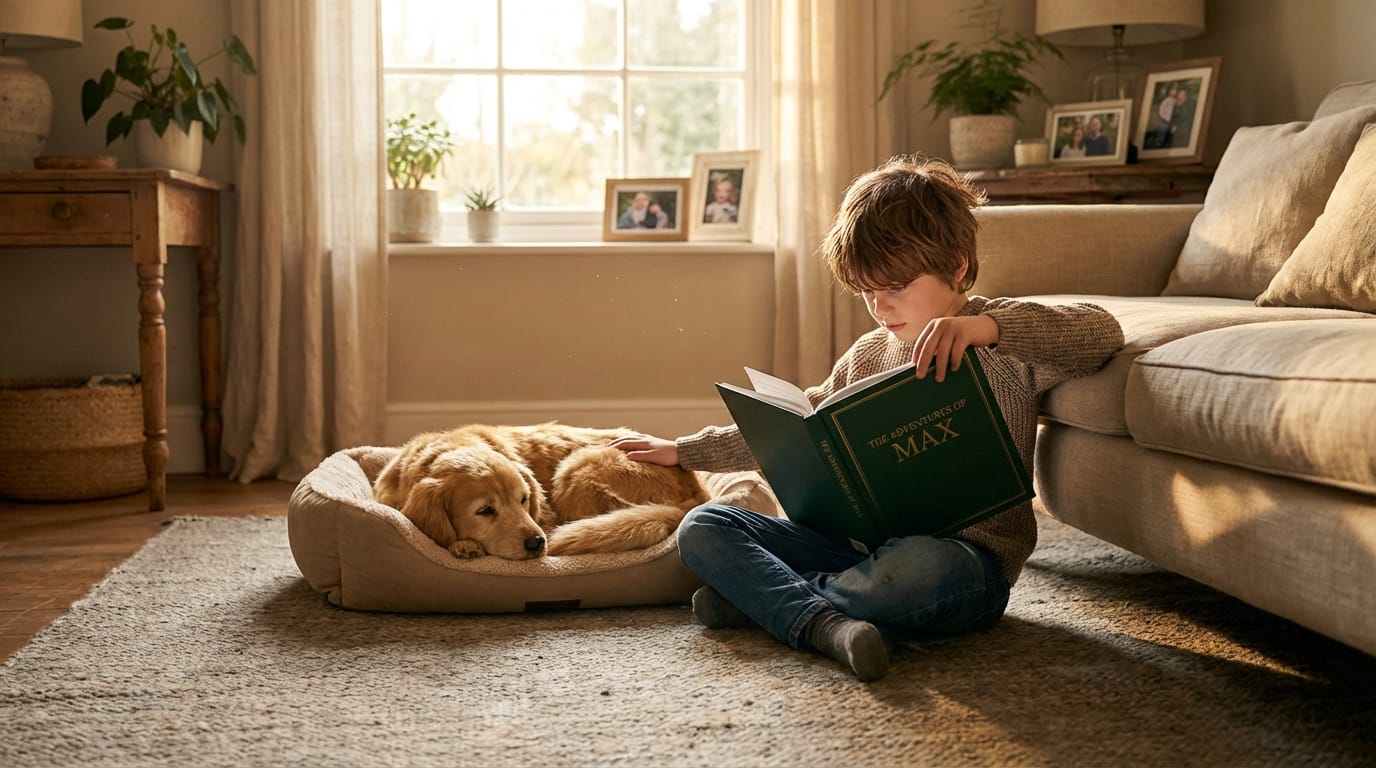
The bond between a family and a pet is often described as a "soul connection." When a beloved animal reaches the end of their journey, the grief can be as profound as losing a human family member. In recent years, a growing number of pet parents have begun exploring a concept known as "taxidermy-going"—the decision to physically preserve a pet rather than choosing traditional cremation or burial.
While the idea of pet preservation might seem unconventional to some, it stems from a deeply human desire: the need for permanence. In {YEAR}, families are looking for ways to bridge the gap between the physical absence of a pet and the enduring love they feel. This movement toward taxidermy-going isn't just about the physical form; it’s about honoring a legacy.
At StorytimeHero, we believe that the stories we tell about our pets are just as vital as the physical memories we keep. Whether a family chooses preservation, cremation, or a garden memorial, the narrative we build around that pet helps children navigate the complex landscape of loss.
The Evolution of Taxidermy-Going in Modern Families
The practice of preserving animals is far from a new phenomenon. Historical records show that humans have sought to keep their companions close for centuries. However, the modern "taxidermy-going" trend is evolving. It is no longer just about traditional "stuffing." Today, preservation takes many forms, including skeletal articulation, bronze casting, and even freeze-drying, which maintains a more lifelike appearance.
For a parent, the decision to pursue taxidermy-going often happens during a period of intense medical struggle. When a pet is diagnosed with a terminal illness, the focus is initially on treatment—chemotherapy, radiation, or specialized care. But as the end nears, the question of "what happens next" becomes urgent.
Many find that the thought of a pet being reduced to ashes feels too final or "empty." For these individuals, taxidermy-going offers a way to keep the pet’s presence in the home, providing a sense of comfort that the physical body hasn't simply vanished.
Why Narrative Preservation Matters for Children
While an adult might find comfort in the physical presence of a preserved pet, children process these concepts differently. For a child, a pet is often their first experience with unconditional love—and consequently, their first experience with death.
This is where the concept of "narrative preservation" becomes essential. While taxidermy-going preserves the vessel, storytelling preserves the spirit. Integrating the two can create a powerful healing environment.
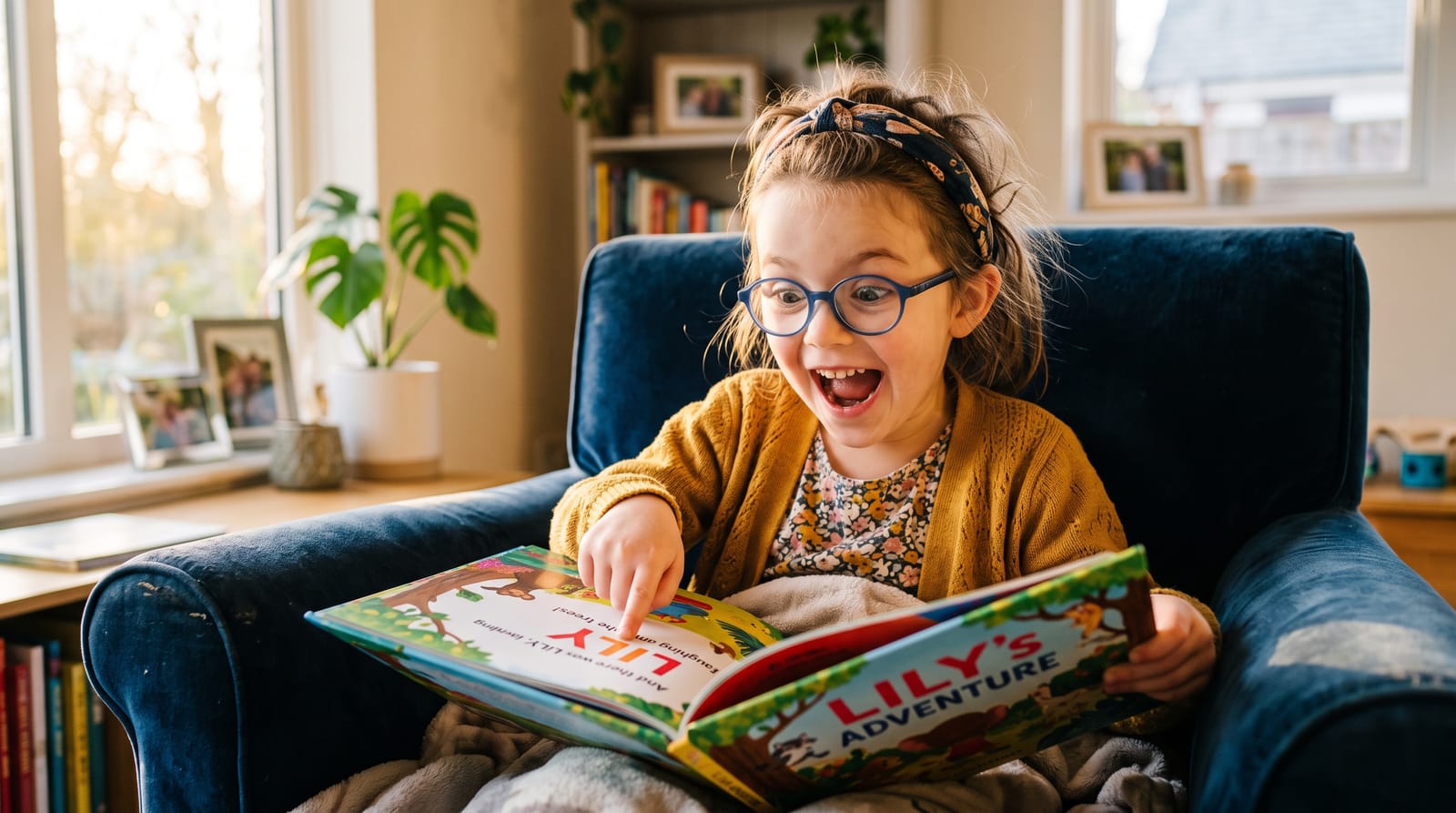
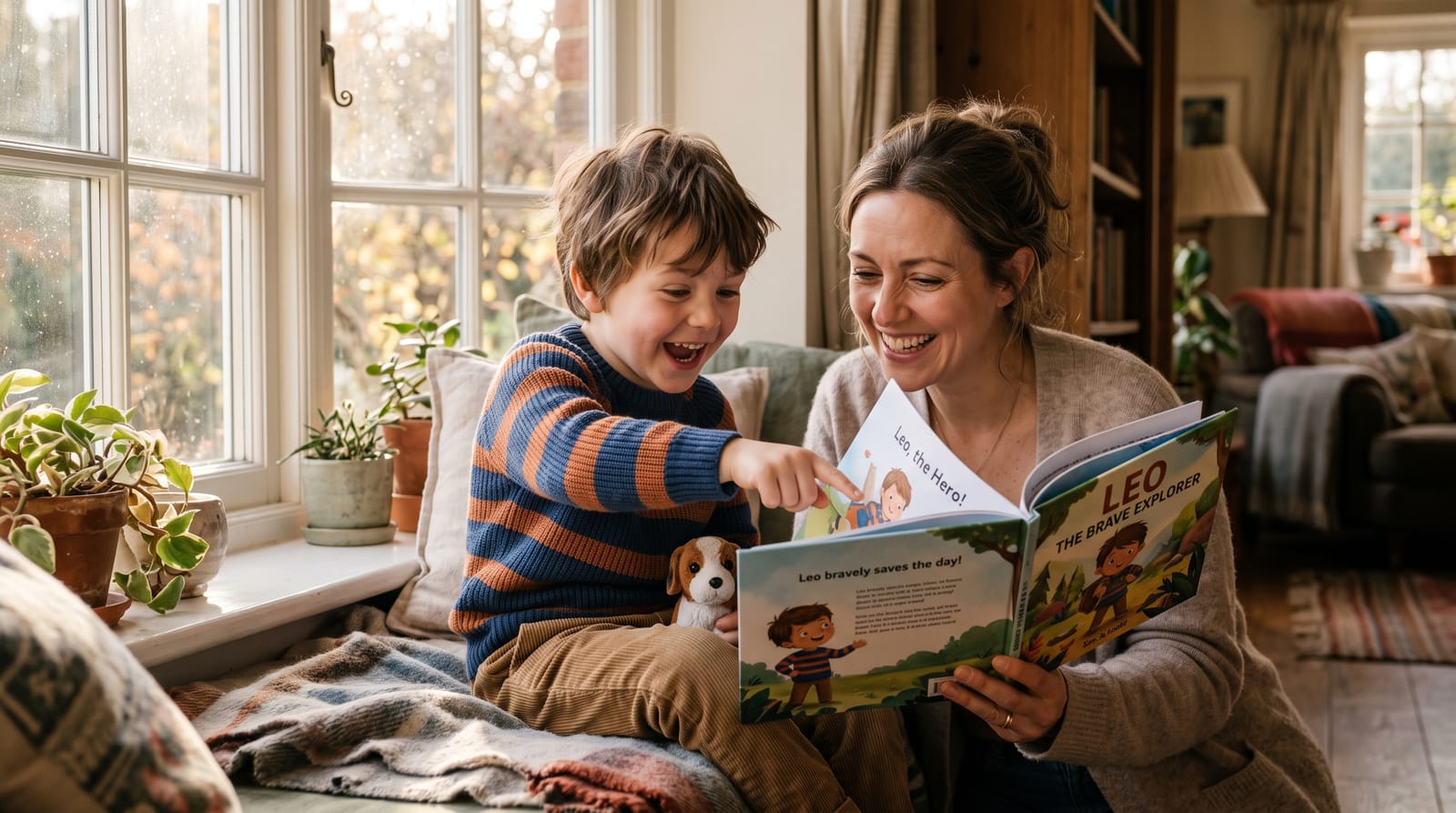
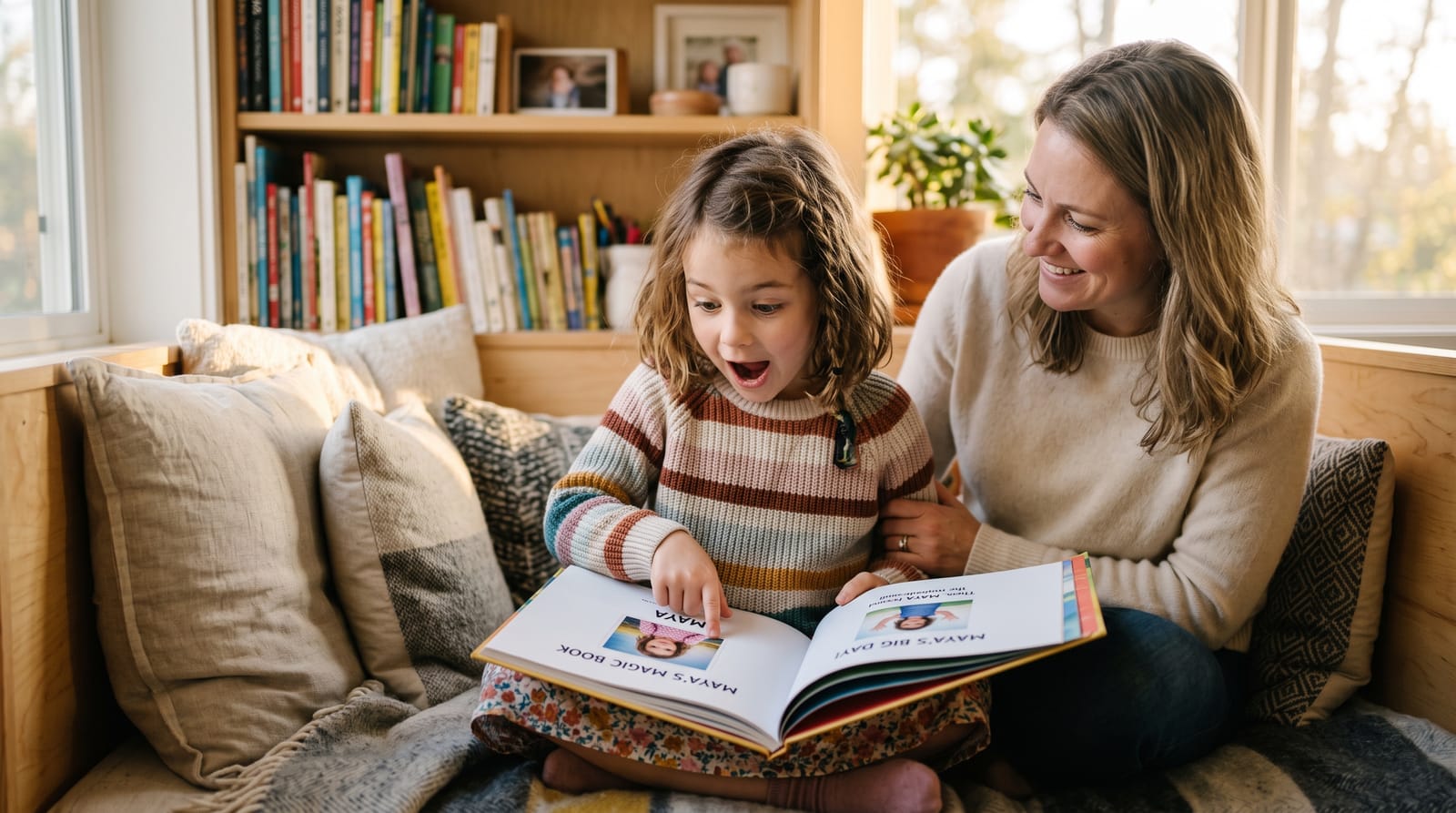
Personalized books offer a unique way to facilitate this. By creating a story where the child and their pet are the protagonists, you are essentially "preserving" the pet’s personality, their quirks, and their role in the family. This form of Family Connection Through Personalized Books allows the pet to remain a living part of the child’s internal world, regardless of the physical choices made regarding their remains.
Bridging the Gap: Explaining Taxidermy-Going to Kids
If a family chooses taxidermy-going, it is important to handle the explanation with grace and honesty. Children are naturally curious, and seeing a pet in a preserved state can lead to many questions.
- Use Age-Appropriate Language: Explain that while the pet’s "spirit" or "life force" has moved on, the family wanted to keep their "special suit" (the body) close because they love them so much.
- Focus on the "Why": Emphasize that different families have different traditions. Just as some keep ashes in an urn, your family chose to keep the pet looking just as they did when they were healthy.
- Reinforce the Story: Use The Psychology of Keepsakes to explain that the preserved pet is a physical reminder of the happy times. Reading a personalized book alongside the preserved pet can help the child associate the physical object with the happy, active memories of the pet’s life.
The Role of Personalized Books in the Grieving Process
Grief is not a linear path, especially for young children. They may seem fine one day and be inconsolable the next. Personalized books serve as a "transitional object"—something that provides psychological comfort during a time of change.
When a child sees themselves in a story with their pet, it validates their feelings. It says, "Your bond was real, and it still exists in our hearts." This is a key component of The Architecture of Belonging in Family Books. The book becomes a safe space where the pet is never sick, never old, and always ready for an adventure.
For families navigating taxidermy-going, the book serves as a vital companion. It provides the "life" to go with the "stillness" of the preservation. It allows the child to interact with the pet’s memory in a way that is dynamic and imaginative.
Beyond the Physical: Creating a Multi-Sensory Legacy
Taxidermy-going is one way to handle the physical transition of a pet, but a truly holistic approach to memorialization involves multiple senses and mediums.
- Visual: The preserved pet or a custom portrait.
- Tactile: A favorite collar or a soft blanket the pet used.
- Narrative: A StorytimeHero book that captures the pet’s "voice" and the child’s adventures with them.
By combining these elements, parents can help children build a "memory palace" for their pet. This helps prevent the "fading" of memories that children often fear after a loss. When they can see the pet (taxidermy), touch their things, and read about their adventures (personalized books), the pet remains a vivid, integrated part of their upbringing.
Choosing the Right Path for Your Family
There is no "right" way to handle the loss of a pet. For some, taxidermy-going provides the closeness they need to heal. For others, cremation and scattering ashes feels like a more natural release.
Regardless of the physical path you choose, the emotional path should always involve storytelling. Attachment Theory and Keepsake Gifts suggests that the way we memorialize our loved ones—including pets—shapes our ability to form healthy attachments in the future. By treating the pet’s memory with respect and keeping their story alive, we teach children that love doesn't end just because a life does.
In {YEAR}, we have more tools than ever to honor these bonds. From high-end preservation techniques to the ability to create Best Animal-Themed Personalized Books in minutes, the goal remains the same: to ensure that no "soul pet" is ever truly forgotten.
FAQ: Common Questions About Pet Preservation and Memory
Related Reading
- How Personalized Books Strengthen Family Bonds
- The Psychology of Keepsakes: Why Parents Save Custom Gifts
- Kids with Anxiety: Personalized "Brave Story" Scripts to Help Them Conquer Fears
- How Personalized Books Support Parenting Goals
Conclusion
The journey of taxidermy-going is a testament to the lengths we will go to stay connected to those we love. While the physical preservation of a pet is a powerful choice, it is the stories we tell that truly keep their memory alive. By combining physical keepsakes with the magic of personalized books, we provide our children with a complete picture of love—one that acknowledges the sadness of loss while celebrating the joy of a life well-lived. In the end, whether through a preserved form on a mantle or a well-loved book on a bedside table, our pets continue to guide and comfort us, one page at a time.
Free preview checklist
Get the personalized book gift checklist
Know what photo to use, what to write in the dedication, and what to review before ordering.