Identity Formation: Seeing Yourself in the Story
Start a keepsake preview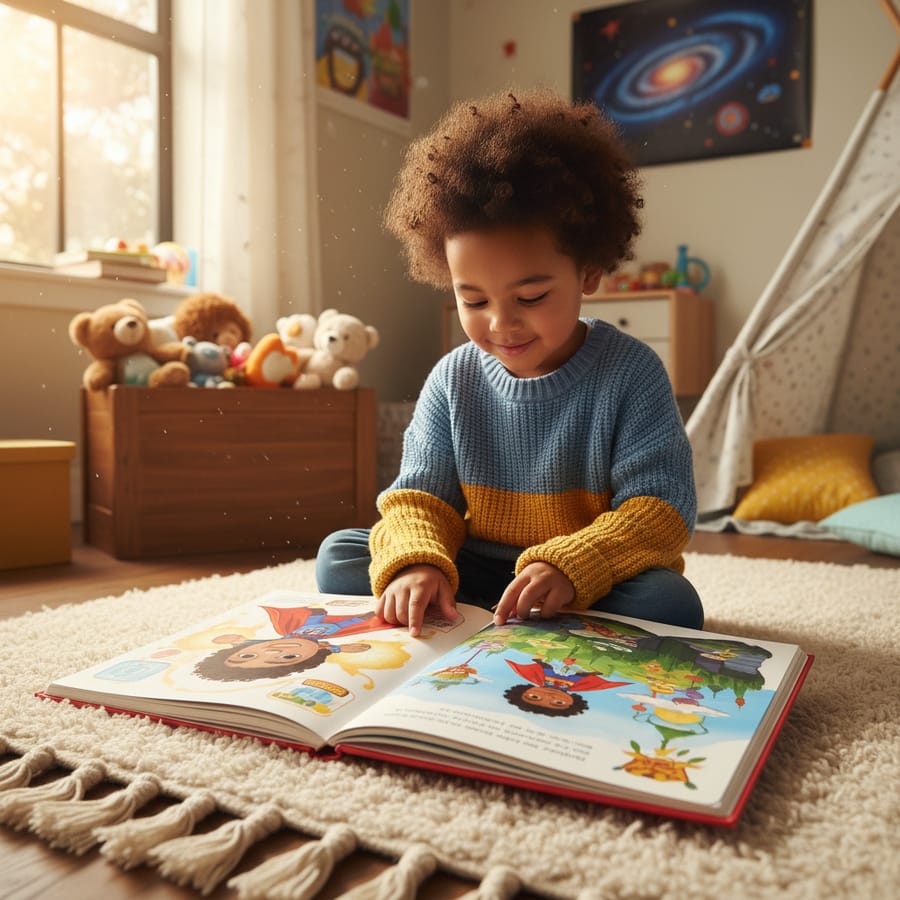
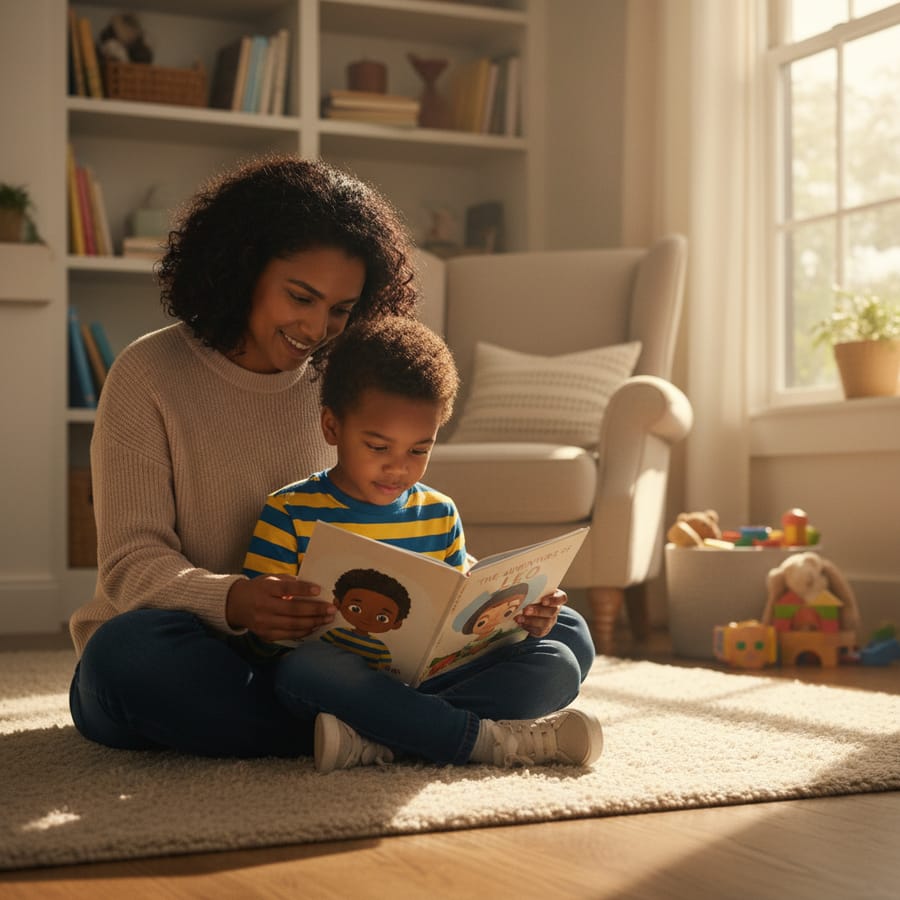
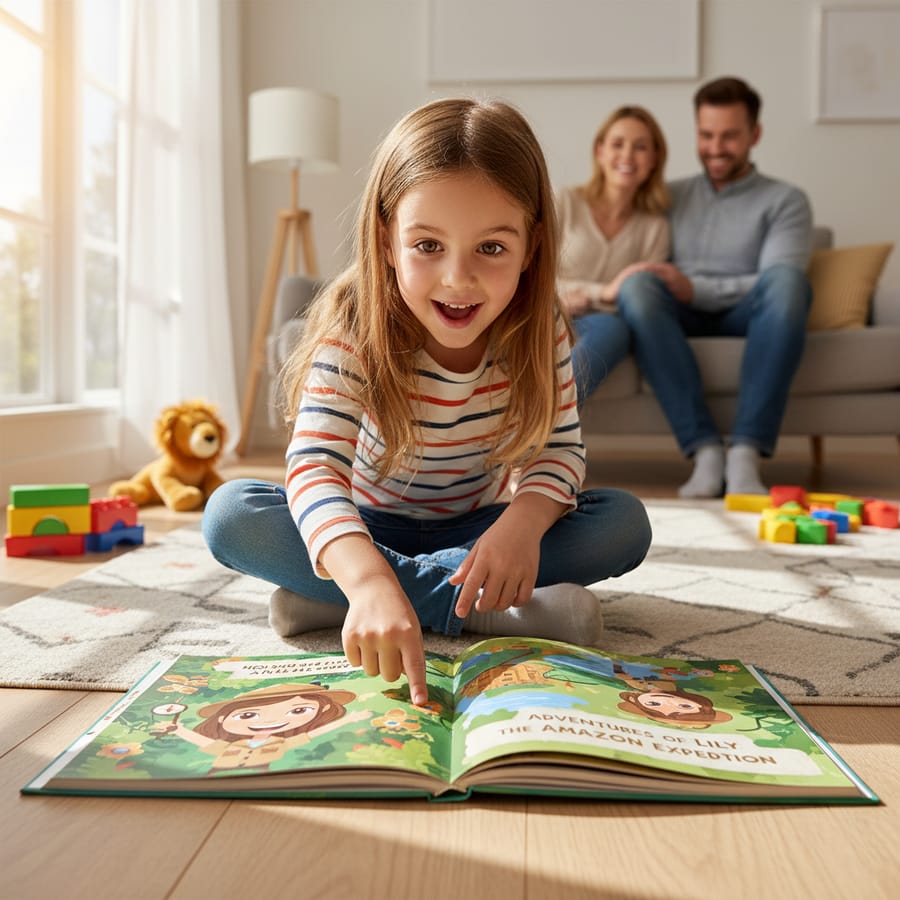
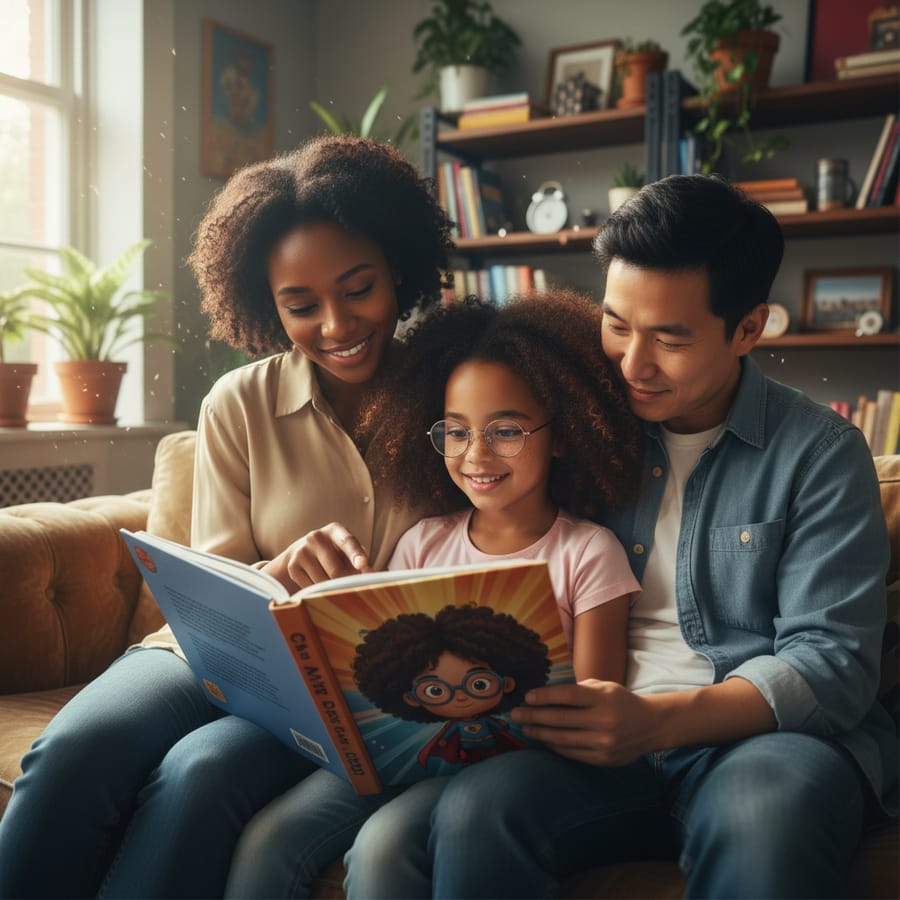
Think back to your favorite book as a child. Maybe it was a story about a brave knight, a clever detective, or a girl who could talk to animals. You probably spent hours imagining what it would be like to step into those pages. But for most of us, there was always a tiny gap between our imagination and the ink on the page. We had to pretend to be someone else to go on the adventure. Now, imagine if your child didn't have to pretend. Imagine they open a book and see their own face, their own smile, and their own name as the hero. This isn't just a fun novelty; it is a powerful tool for identity formation: seeing yourself in the story is a foundational part of how children learn who they are and what they are capable of achieving.
Why Identity Formation: Seeing Yourself in the Story Matters for Early Development
When children are young, their brains are like sponges, soaking up every bit of information about the world and their place in it. This process is called identity formation. It’s the way a child begins to answer the big question: "Who am I?"
For a long time, child psychologists have talked about the concept of "mirrors and windows" in literature. A "window" book lets a child look into someone else’s life, teaching them empathy and curiosity. A "mirror" book reflects the child’s own life back at them. When we talk about identity formation: seeing yourself in the story, we are talking about the ultimate mirror.
When your child sees themselves as the protagonist of a personalized bedtime story, they aren't just observing a character; they are internalizing the character's traits. If the "Story Version" of your child is brave, kind, and persistent, your child begins to believe those things about their real-world self. This creates a strong sense of self-worth that can last a lifetime.
The Role of Mirror Neurons
Our brains have special cells called mirror neurons. These cells fire both when we perform an action and when we see someone else perform that same action. When a child sees a character who looks exactly like them—down to their specific facial features—overcoming a challenge, their brain processes that success as a personal win. This makes the lessons in the book feel much more "real" and attainable.
Developing a Sense of Agency
Identity isn't just about what you look like; it’s about what you can do. Through customized adventure books, children see themselves making choices and solving problems. This builds "agency," which is the feeling that you have the power to affect the world around you. A child who sees themselves saving a dragon or building a rocket ship in a book is more likely to approach real-world problems with a "can-do" attitude.
Building Confidence Through Identity Formation: Seeing Yourself in the Story
Confidence doesn't just happen; it is built through repeated positive experiences. For a child, many of those experiences happen in the world of play and stories. By using personalized children's books that feature your child's uploaded photo, you are giving them a safe space to practice being confident.
Overcoming Fears in a Safe Space
Does your child have a specific fear? Maybe they are afraid of the dark, or they are nervous about starting school. You can create a story where they face these exact challenges. When they see their own face looking back at them from the page, standing tall against a "scary" shadow, the fear starts to lose its power. They see that they have the internal strength to handle tough situations.
Seeing Success as an Identity
If a child struggles with a task in real life, like tying their shoes or sharing their toys, they might start to identify as "someone who can't do it." Identity formation: seeing yourself in the story allows you to flip that script. In a story, you can show them succeeding. This visual evidence acts as a powerful counter-narrative to their frustration. It reminds them that they are capable, even if things are hard right now.
The Impact of AI-Generated Realism
In the past, personalized books used generic avatars that might have had the right hair color but didn't really look like your child. StorytimeHero.ai uses AI-generated illustrations to put your child’s uploaded photo into the art. This level of realism is a game-changer for confidence. The child doesn't have to do the mental work of "pretending" the avatar is them. They know it’s them. That direct connection makes the emotional impact much stronger.
Strengthening Literacy and Engagement
Every parent wants their child to love reading. However, getting a wiggly toddler or a distracted grade-schooler to sit down with a book can be a challenge. This is where the magic of personalization really shines. When a child is the star, the "hook" of the book is immediate.
Increased Focus and Attention Span
When a child sees themselves in the illustrations, they are naturally more engaged. They want to see what "they" are doing on the next page. This increased focus helps them stay with the story longer, which is a key part of developing reading habits for kids. Instead of reading being a chore, it becomes an exciting event where they get to see their own adventures unfold.
Better Reading Comprehension
It is much easier to understand a story when you are the one living it. When children read about themselves, they have a higher level of "self-referential processing." This means they relate the information in the book to their own lives more easily. They remember the plot better, understand the character's motivations more clearly, and learn new vocabulary words faster because those words are tied to their own image.
Emotional Connection to Literacy
We want children to associate books with warmth, love, and excitement. By creating a personalized gift that features them as a hero, you are creating a positive emotional anchor to reading. This positive association can carry them through school when reading becomes more academic and less about fun.
The Science of Identity Formation: Seeing Yourself in the Story
While it might seem like just a fun way to spend 15 minutes before bed, there is real science behind why these stories work. Child development experts have long studied how narrative shapes the human mind.
Narrative Identity Theory
Psychologists suggest that we all have a "narrative identity." This is the internal story we tell ourselves about our lives. It starts forming in early childhood. By providing your child with positive, heroic stories where they are the lead, you are helping them write a healthy internal narrative. You are helping them decide that their life story is one of adventure, resilience, and success.
Visual Learning and Self-Recognition
Children begin to recognize themselves in mirrors around the age of 18 to 24 months. This is a massive milestone in cognitive development. By introducing books with their face shortly after this milestone, you are reinforcing their sense of "self." It helps them understand that they are a distinct person with their own story to tell.
The Power of Representation
For many years, children’s books lacked diversity. Many children grew up never seeing a hero who looked like them. While the industry is improving, personalized books take representation to the ultimate level. It ensures that every child, regardless of their background, physical abilities, or appearance, sees themselves as the hero. This is a vital part of identity formation: seeing yourself in the story for children who might not see themselves represented in mainstream media.
How to Use Personalized Books to Support Your Child
Simply owning the book is a great start, but you can maximize the benefits by how you read it with your child. Here are some practical ways to use these stories to support their growth.
1. Ask "What Would You Do?" Questions
As you read, pause and ask your child what they would do in the character's shoes. Even though they can see it's "them" in the book, asking the question helps bridge the gap between the story and their own decision-making process.
2. Connect the Story to Real Life
If the story shows your child being brave while meeting a new friend, bring that up the next time you go to the park. "Remember when you were so brave in your book? You can be that brave today, too!" This helps the identity they formed in the story bleed over into their everyday life.
3. Let Them Lead the Storytelling
With AI-generated tools, you can often customize the plot. Ask your child what kind of hero they want to be. Do they want to explore space? Save animals? Solve a mystery? Letting them choose the theme gives them a sense of ownership over their own identity.
4. Use the Book for Emotional Regulation
If your child is having a rough day or feeling insecure, sit down and read their hero story. It acts as a visual and verbal "hug," reminding them of their strengths when they might have forgotten them.
5. Create a "Hero Library"
As your child grows, their identity changes. A book made for a three-year-old will feel different than one made for a six-year-old. By creating a series of these books over the years, you create a physical timeline of their growth and the different "heroes" they have become.
Practical Tips for Creating the Perfect Hero Story
Creating a personalized book is easy, but a few small touches can make it even more impactful for your child’s development.
- Choose a Clear Photo: For the best AI results, use a photo where your child’s face is clear and well-lit. The more they recognize themselves, the stronger the connection to the story.
- Pick Themes That Resonate: Think about your child’s current interests. If they love dinosaurs, a dinosaur adventure will be much more engaging than a fairy tale.
- Read it Regularly: Repetition is key for toddlers and young children. The more they see themselves as the hero, the more that identity sticks.
- Involve Siblings or Pets: Sometimes, adding a familiar pet or a sibling into the story can make the world feel even more real and grounded for the child.
- Focus on the "Why": When you give the book to your child, tell them why you chose that story. "I made this because you are the bravest person I know."
Frequently Asked Questions
How does seeing their own face in a book help a child’s brain?
Seeing their own face triggers self-recognition and activates mirror neurons. This helps the child "internalize" the positive traits of the character, such as bravery or kindness, making these traits part of their own developing identity.
At what age should I start using personalized books?
Children usually start recognizing themselves in pictures and mirrors around age two. This is a great time to start! However, even younger babies enjoy looking at familiar faces, and older children (up to age 8 or 9) still find the "cool factor" of being a book hero very engaging.
Can these books help with specific behavioral issues?
Yes! By creating a story where the child successfully navigates a challenge—like sharing, going to the dentist, or staying in their own bed—you provide a visual "roadmap" for success. It shows them that they are the kind of person who can handle those situations.
What makes AI-generated faces better than standard illustrations?
Standard illustrations often use generic "avatars" that only vaguely look like a child. AI-generated faces use your child's actual features, creating a much deeper psychological connection. The child doesn't have to imagine they are the hero; they can see that they are the hero.
Is it okay if the story is "magical" or "unrealistic"?
Absolutely. In fact, fantasy stories are great for identity formation. They teach children that their potential isn't limited by their current size or age. If they can save a kingdom in a book, they can certainly learn to ride a bike or write their name in real life.
Related Reading
- The Power of Personalized Bedtime Stories for Toddlers
- How to Build Your Child's Confidence Through Reading
- The Science Behind AI-Generated Children's Books
- Why Representation in Kids' Literature Matters More Than Ever
- Creating a Bedtime Routine That Your Kids Will Actually Love
- How Personalized Books Can Help Children with Anxiety
- The Evolution of Storytelling: From Picture Books to AI Heroes
- Top 10 Gift Ideas for Your Child's Next Birthday
Free preview checklist
Get the personalized book gift checklist
Know what photo to use, what to write in the dedication, and what to review before ordering.