Cultural Heritage Stories: Personalized Representation Guide
Start a cover preview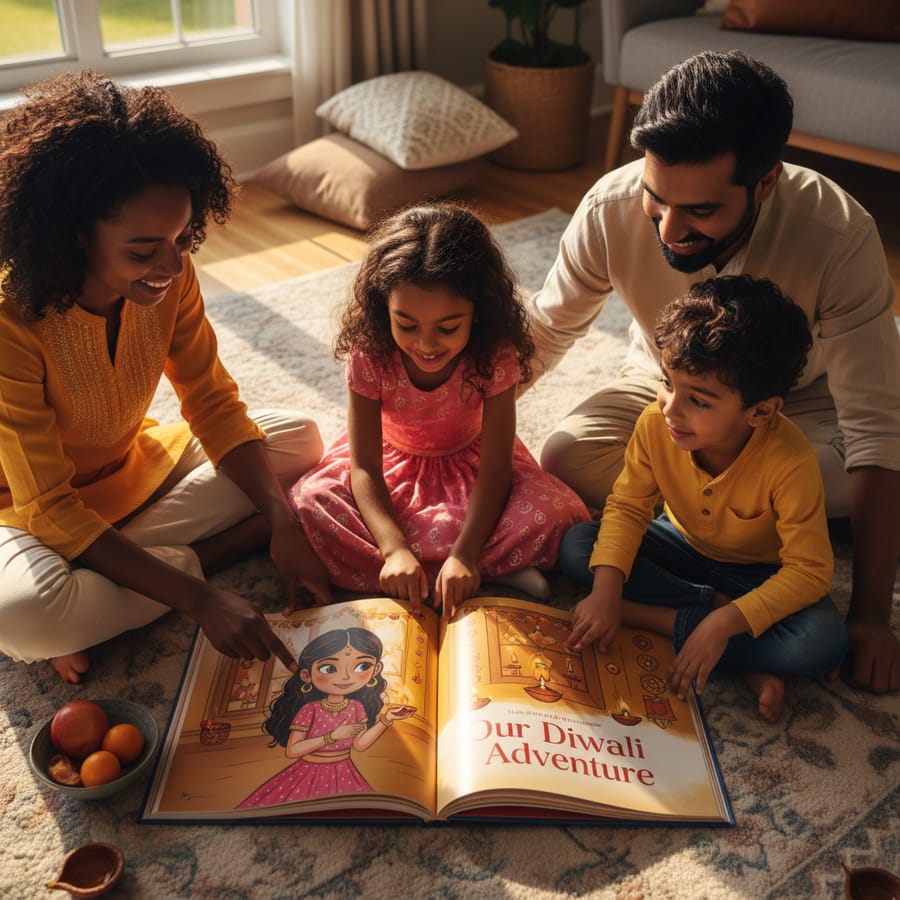
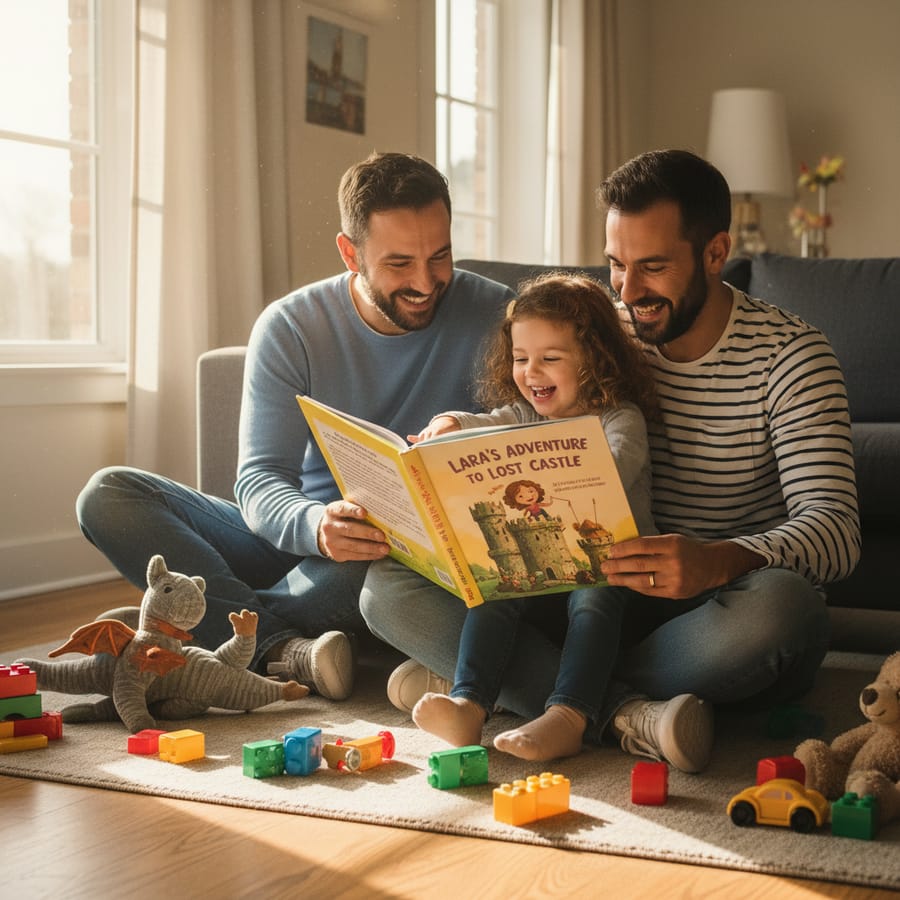
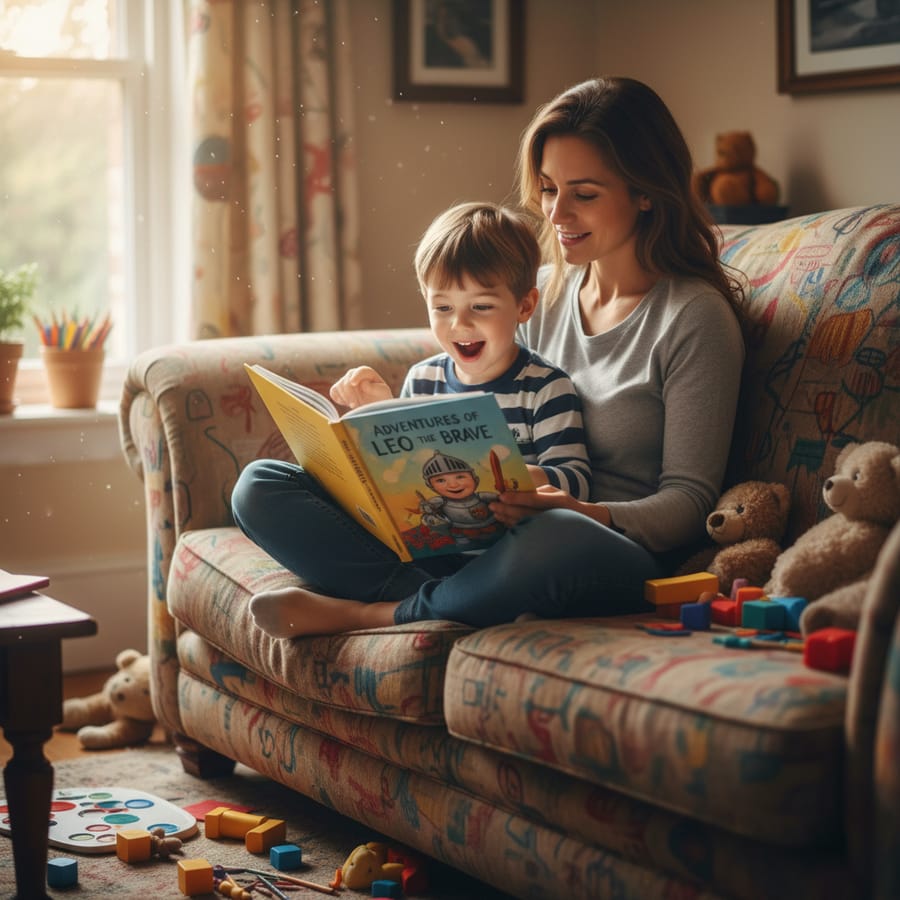
Think back to your favorite book as a child. Was there a character who looked exactly like you? Did they eat the same food your grandmother cooked on Sundays, or celebrate the same holidays that filled your home with light and laughter? For many of us, the answer is no. We often grew up reading stories about people who lived very different lives, leaving us to imagine ourselves in roles that weren't quite designed for us. Today, we have a beautiful opportunity to change that narrative for our own children. Cultural heritage stories are more than just books; they are mirrors that reflect a child’s identity and windows that show them the richness of their roots. By using personalized representation, we can ensure that every child feels like the hero of a story that honors where they come from.
Why Cultural Heritage Stories Matter for Your Child’s Development
When a child sees themselves represented in a book, something magical happens in their brain. It’s not just about entertainment; it’s about identity formation. Experts in child psychology often talk about the concept of "mirrors and windows." A mirror book reflects the child’s own life and culture, while a window book allows them to see into the lives of others. For a child from a diverse or multicultural background, having a "mirror" is essential for building healthy self-esteem.
Cultural heritage stories provide a sense of belonging. When your child reads a story where the protagonist shares their heritage, it validates their existence and their family’s traditions. It tells them that their story is worth being told in a "real" book. This is especially important in the early years—between ages 3 and 8—when children are starting to notice differences and form ideas about their place in the world.
Furthermore, these stories help preserve traditions that might otherwise feel distant. If you live far away from your extended family or the country where your ancestors were born, books can bridge that geographical gap. They turn abstract concepts like "ancestry" into tangible adventures. Whether it’s a story about the Lunar New Year, a trek through the Andes, or a quiet afternoon making pasta with a nonna, these narratives keep the heartbeat of a culture alive in a child’s imagination.
The Power of Personalized Representation in Children's Books
In the past, finding a book that matched your child’s specific heritage was like searching for a needle in a haystack. You might find a generic book about a holiday, but the character wouldn't look like your child, and the family dynamics might not match yours. This is where the power of personalized representation changes everything.
Personalization goes beyond just putting a name on a cover. With modern technology, we can now create stories where the child is the literal hero of the adventure. Imagine a book about the festival of Diwali where the main character doesn't just have your child's name, but actually has their face, their smile, and their eyes. This level of personalized books for kids creates an emotional connection that a standard book simply cannot match.
When a child sees their own face in a cultural setting, the "suspension of disbelief" vanishes. They aren't just reading about a hero; they are the hero. This makes the cultural lessons within the story much more impactful. If the story is about bravery during a traditional ceremony, the child learns that they are brave. If the story is about the importance of family recipes, the child learns that their heritage is a treasure. This deep level of engagement is the ultimate goal of diverse children's literature.
How Cultural Heritage Stories Strengthen Family Bonds
Reading together is already one of the best ways to bond with your child, but cultural heritage stories add an extra layer of meaning to your bedtime routine. These books often act as conversation starters. As you flip through the pages, you might find yourself saying, "Look, that’s just like the dress your Great-Aunt used to wear," or "That’s the same soup we make every Christmas Eve!"
These moments allow you to share your own childhood memories. You become a bridge between the past and the future. For many parents, especially those in immigrant families or multi-ethnic households, there is often a fear that the "old ways" will be lost. Personalized stories act as a safeguard against that loss. They make the culture relevant to the child's modern life.
By incorporating meaningful bedtime stories that focus on heritage, you are teaching your child that their history is a source of pride. You are giving them a foundation of confidence that they will carry with them into school and beyond. It’s a way of saying, "This is who you are, and it is beautiful."
Overcoming the "Representation Gap" with AI Technology
For a long time, the publishing industry had a "representation gap." Most books featured a very narrow range of characters and cultures. While this is slowly changing, it’s still hard to find books for every specific cultural niche. What if your family is a mix of three different heritages? What if you speak a specific dialect at home that isn't represented in mainstream media?
This is where AI story generators are making a massive difference. At StorytimeHero.ai, we believe that every child deserves to see themselves as a hero. Our technology allows parents to bridge the representation gap by creating custom stories that fit their unique family structure.
Instead of waiting for a big publisher to release a book that fits your child's specific background, you can create it yourself in minutes. You can choose the setting, the theme, and most importantly, use AI-generated illustrations that feature your child's uploaded photo. This ensures that the personalized representation is 100% accurate. No more settling for "close enough"—now, your child can see exactly who they are in the context of their ancestors' stories.
The Impact of Seeing Your uploaded photo in Cultural Heritage Stories
There is a profound psychological difference between a cartoon character that looks "a bit like you" and an illustration that features your uploaded photo. When a child sees their uploaded photo in a book, it triggers a sense of "self-recognition" that is incredibly powerful.
In the context of cultural heritage stories, this is transformative. Often, children from minority backgrounds may feel like they have to "code-switch" or change who they are to fit into the stories they see on TV or in school. By placing their uploaded photo into a story about their heritage, you are telling them that they don't have to choose between their identity and being a hero. They can be both.
This technology also helps with facial recognition and self-awareness. For younger children, seeing themselves in different outfits—perhaps traditional cultural attire—helps them internalize that these clothes and traditions belong to them. It makes the culture feel like a part of their skin, not just a costume they wear once a year. This is a perfect example of how personalized gifts for children can have a lasting impact on their development.
Practical Tips for Introducing Cultural Heritage Stories to Your Home
If you're ready to start building a library that celebrates your child's roots, here are some practical steps you can take today:
- Audit Your Current Bookshelf: Take a look at the books you already have. How many of them feature characters that look like your child? How many show different cultures? If your shelf is looking a bit one-sided, it’s time to add some variety.
- Start with Family Stories: Before buying a book, tell a story from your own life. Children love hearing about "when Mommy was little" or "what Grandpa did when he lived in the village." These oral histories are the first step in cultural storytelling.
- Use Personalized Tools: Use a platform like StorytimeHero.ai to create a book where your child is the star. Choose a theme that reflects a holiday or tradition you want to teach them about.
- Connect Stories to Food and Music: If you read a story about a specific culture, try to cook a meal from that culture the next day. Play some traditional music in the background. This creates a multi-sensory learning experience.
- Focus on the "Why": Don't just read the story; talk about why the traditions matter. Ask your child, "How do you think the hero felt when they saw the lanterns?" or "Why do you think it was important for them to help their elders?"
- Celebrate Diversity Beyond Your Own: While it's important to see your own heritage, it's also vital to learn about others. Mix your personalized heritage stories with books about other cultures to foster empathy and global citizenship.
- Make it a Routine: Consistency is key. Make cultural storytelling a regular part of your evening routine. The more they see these stories, the more natural and "normal" their heritage will feel to them.
Choosing the Right Themes for Your Heritage Books
When you are creating or selecting cultural heritage stories, think about the specific values you want to pass down. Every culture has its own "superpowers." For some, it might be the importance of community and sharing. For others, it might be resilience in the face of hardship or a deep respect for nature.
You can tailor your personalized representation to highlight these values. For example:
- The Value of Elders: Create a story where your child goes on a quest with a grandparent. This reinforces the cultural importance of respecting and learning from our ancestors.
- The Power of Language: Include specific words or phrases from your native language in the story. Even if the book is primarily in English, seeing "Abuela" or "Amma" or "Habibi" in print makes a huge difference.
- Traditional Festivals: Use the vibrant colors and symbols of your culture’s festivals to make the illustrations pop. Whether it’s the red envelopes of Lunar New Year or the colorful rangoli of Diwali, these visual cues are highly engaging for kids.
- Folklore and Mythology: Every culture has its myths. Personalizing a folk tale—where your child takes the place of a legendary hero—is a fantastic way to make ancient stories feel fresh and exciting.
The Future of Storytelling and Cultural Identity
We are living in an era where technology is finally catching up to our needs as parents. We no longer have to wait for the world to see our children; we can show our children to themselves. The rise of AI in storytelling is a tool for empowerment. It allows us to bypass the gatekeepers and create a world where every child, regardless of their background, can see their face on the cover of a book.
By focusing on cultural heritage stories, we are doing more than just teaching history. We are building a generation of children who are confident in their identity, proud of their roots, and empathetic toward the stories of others. When a child knows who they are, they are better equipped to handle the challenges of the world. They have a "home" inside their hearts that no one can take away.
As you continue your journey as a parent, remember that the stories you tell today will become the inner voice of your child tomorrow. Make sure that voice is one of pride, belonging, and adventure. Let them see themselves as the hero they truly are.
Frequently Asked Questions
What are cultural heritage stories?
Cultural heritage stories are books or narratives that focus on the traditions, history, values, and customs of a specific group of people. They help children understand their roots and feel a sense of belonging within their family and community.
Why is personalized representation important?
Personalized representation allows a child to see themselves directly in a story. This builds self-esteem, improves engagement with the book, and helps children internalize the positive messages and cultural lessons being shared.
How does StorytimeHero.ai use my child's face?
Our platform uses advanced AI to take a photo you provide and create stylized illustrations that look personal to your child. These illustrations are then woven into a custom storybook, making your child the hero of their own adventure.
Can I create a story for a specific cultural holiday?
Yes! You can choose various themes and settings that align with your family's traditions. Whether it's a holiday, a traditional folktale, or a story about family history, you can customize the narrative to fit your needs.
Are these books suitable for all ages?
Our stories are generally designed for children between the ages of 3 and 8, which is a critical time for language development and identity formation. However, older children often enjoy seeing themselves as heroes too!
How do these books help with learning a second language?
By including cultural terms and phrases in a personalized story, you make the language feel relevant to the child's life. It encourages them to use those words in context, making language learning more natural and fun.
Related Reading
- How Personalized Books Boost Early Literacy Skills
- The Science of Why Kids Love Seeing Their Own Faces in Books
- 5 Ways to Make Bedtime the Best Part of Your Child’s Day
- Creating a Diverse Home Library: A Parent’s Guide
- The Role of AI in Modern Parenting and Storytelling
- Teaching Empathy Through Multicultural Stories
- Why Representation Matters in Early Childhood Education
- How to Start a Family Storytelling Tradition
Free preview checklist
Get the personalized book gift checklist
Know what photo to use, what to write in the dedication, and what to review before ordering.