Books for Kids Who Feel Left Out (Friendship Support)
Start a cover preview
It is one of the hardest moments for any parent: watching your child stand on the edge of the playground, watching other kids play, while they wait for an invitation that doesn’t come. That "left out" feeling is a heavy weight for a little heart to carry. You want to rush in and fix it, but you know you can't always be there to facilitate every playdate or solve every social hiccup. This is where books for kids who feel left out become such a powerful tool in your parenting toolkit. Stories offer a safe space for children to process their big emotions, realize they aren't alone, and learn the social skills they need to navigate the often-tricky world of childhood friendships.
Why Books for Kids Who Feel Left Out Are Essential for Emotional Growth
When a child feels excluded, their first instinct is often to think something is wrong with them. They might wonder if they aren't funny enough, fast enough, or "cool" enough to be part of the group. As parents, we know this isn't true, but telling them that doesn't always sink in as deeply as a story does.
Books serve as a mirror. When your child reads about a character who is also struggling to find a place at the lunch table, it validates their feelings. It tells them, "Hey, this happens to other people too, and it’s okay to feel sad about it." This validation is the first step toward emotional resilience.
Furthermore, these stories provide a roadmap. Most personalized storybooks and friendship-themed tales follow a narrative arc: a problem arises, feelings are felt, a solution is attempted, and growth occurs. By following a character through this journey, your child learns problem-solving skills they can apply in real life. They see that being left out is often a temporary situation, not a permanent label.
Choosing the Right Books for Kids Who Feel Left Out Based on Their Experience
Not all "left out" feelings are the same. Some children are excluded because they are the "new kid," while others might be struggling with a specific group of friends who have suddenly formed a clique. To help your child effectively, it’s important to choose stories that resonate with their specific situation.
The "New Kid" Scenario
If you’ve recently moved or your child has started a new school, the feeling of being an outsider is often about unfamiliarity. Look for books that focus on the courage it takes to say "hello" for the first time. Stories that highlight how everyone feels a bit nervous in new environments can help lower your child's anxiety.
The Changing Friend Group
Sometimes, a best friend starts playing with someone else, and your child feels replaced. In these cases, look for books for kids who feel left out that focus on the idea that friendships can expand rather than just break. These stories teach kids that it’s possible to have "circle friends" and "best friends" and that one person’s new interest doesn't diminish your child's value.
The Quiet or Different Child
Some kids feel left out because they have different interests or a quieter personality than the "loud" leaders of the group. For these children, stories that celebrate individuality are key. You want books that show that being a "hero" doesn't always mean being the loudest person in the room. This is a great time to explore custom adventure books where your child’s specific traits are portrayed as their greatest strengths.
The Magic of Personalization: Seeing Themselves as the Hero
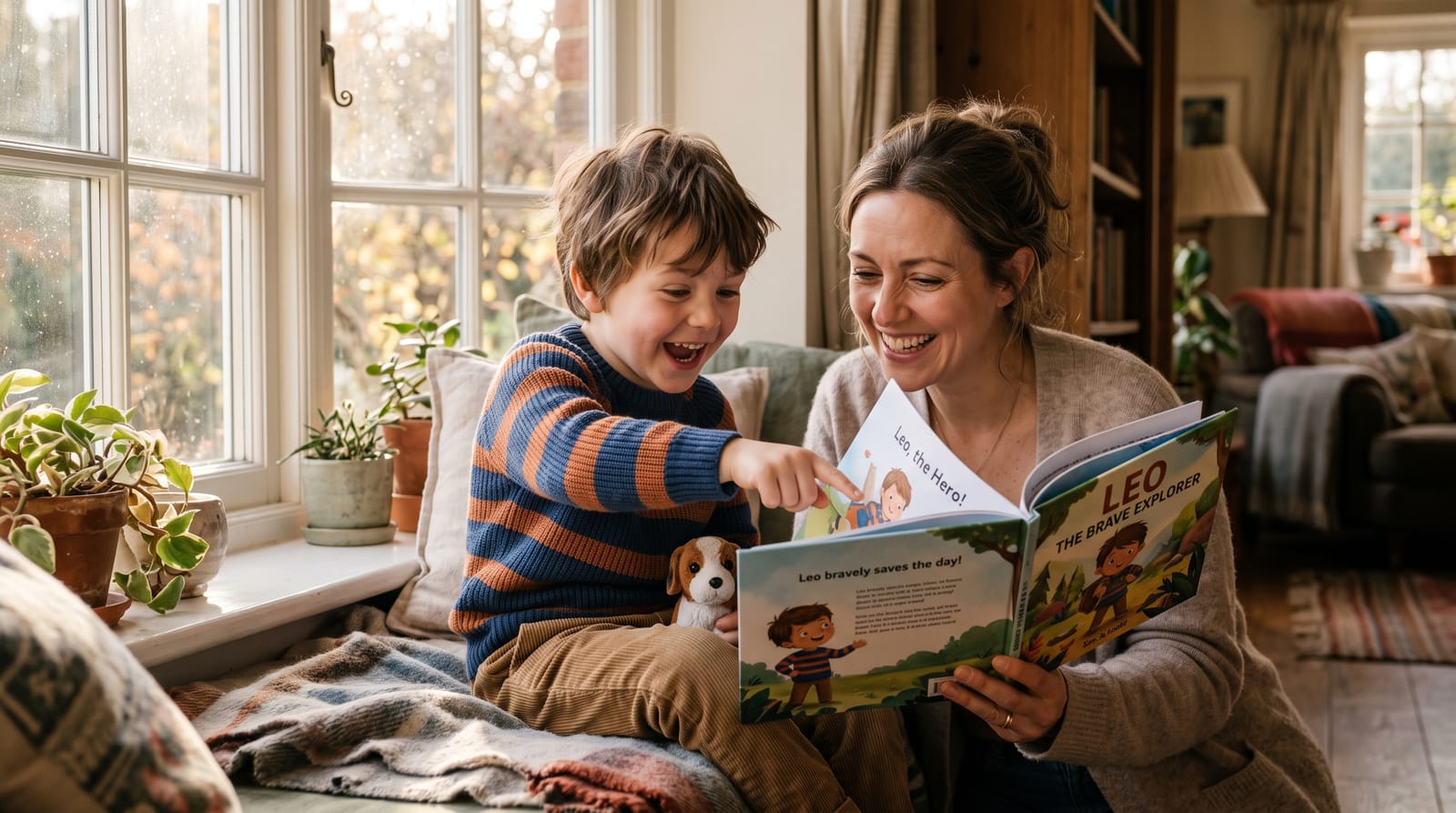
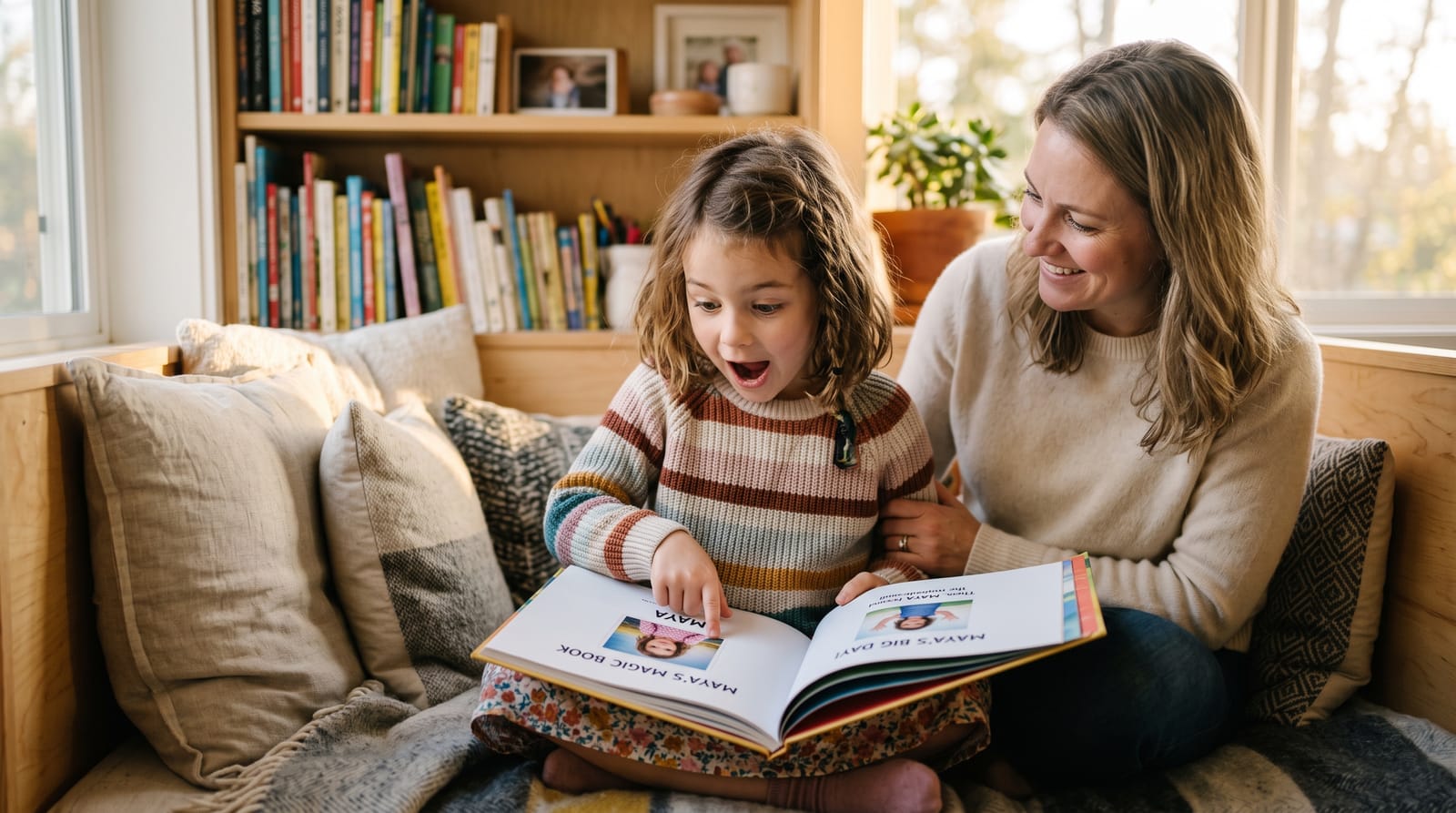
One of the most effective ways to help a child overcome social anxiety or the pain of exclusion is through personalized storytelling. At StorytimeHero.ai, we believe that when a child sees their own face in the illustrations, the lesson of the story becomes a lived experience rather than just a passive observation.
Imagine a book where your child is the main character. In the story, they encounter a group of characters playing a game. At first, they feel hesitant to join. But then, the story guides them through the process of finding their voice, showing kindness, and eventually becoming the leader of a new, inclusive game.
When your child sees their face on the hero of the story, their brain processes the narrative differently. It builds a sense of "I can do this." This is why social-emotional learning stories that feature the child as the protagonist are so impactful. They don't just read about a hero; they are the hero. This boost in self-esteem can be the bridge they need to walk up to that group on the playground the next day.
How Books for Kids Who Feel Left Out Can Spark Important Conversations
Reading a book together is only the first step. The real magic happens in the conversation after you turn the last page. Books for kids who feel left out act as a "third party" that makes it easier to talk about sensitive topics. Instead of asking, "Why were you crying after school today?" (which can make a child feel defensive), you can ask, "How do you think the character felt when they weren't invited to the party?"
Here are some ways to use stories to open up communication:
- Ask about the characters' feelings: "Why do you think the little bear stayed by the tree instead of joining the game?"
- Relate it to their life: "Has anything like that ever happened at your school?"
- Brainstorm solutions: "If you were the character’s friend, what would you have done to make them feel included?"
- Role-play the ending: Take a scene from the book and act it out. Let your child practice the words they might use to ask to join a game.
By using personalized bedtime stories as a starting point, you create a nightly ritual of emotional check-ins that feel like bonding rather than interrogation.
Practical Ways to Support a Child Feeling Excluded
While books are a fantastic foundation, they work best when paired with practical, real-world support. Here are some actionable tips you can use alongside your reading routine:
- Validate, Don't Fix (At First): When your child tells you they were left out, resist the urge to immediately call the other parent or give a lecture on "just being nicer." First, say: "That sounds really lonely. I'm so sorry that happened." Let them feel heard.
- Identify "The Helpers": Help your child look for the other kids who might also be on the sidelines. Sometimes, children are so focused on wanting to join the "cool" group that they miss the other kind, lonely child who would love a friend.
- Practice "The Ask": Many kids don't join in because they don't know the "scripts." Practice simple phrases like, "That looks fun, can I play too?" or "Do you guys need an extra player?"
- Build Confidence Outside of School: If school social life is tough, find an extracurricular activity (like art, martial arts, or coding) where they can find "their people." Success in one area of life can buffer the pain of exclusion in another.
- Focus on Internal Worth: Remind them that their value isn't determined by a group's vote. Use stories that emphasize building confidence in children to reinforce that they are amazing just as they are.
Strengthening Social Confidence Through Storytelling
The goal isn't just to stop the feeling of being left out; it's to build a child's social confidence so they can handle the ups and downs of friendships for years to come. Storytelling is a form of "social rehearsal."
When we provide books for kids who feel left out, we are giving them a safe environment to experience conflict and resolution. We are teaching them empathy—not just for themselves, but for others who might be feeling the same way.
By incorporating AI-generated illustrations that feature your child's uploaded photo, you are giving them a powerful visual anchor. They see themselves navigating challenges. They see themselves being brave. They see themselves being liked and included. This visual evidence acts as a powerful counter-narrative to the negative thoughts they might be having at school.
Frequently Asked Questions
Related Reading
- How Personalized Stories Build Empathy in Young Children
- Helping Your Child Make Friends: A Guide for Parents
- The Science Behind Seeing Yourself in a Story
- Handling Playground Conflict with Grace and Confidence
- 5 Bedtime Stories That Boost Self-Esteem
- Why Representation Matters in Children's Literature
- Navigating the New School Year: Social Tips for Kids
- The Power of AI in Personalized Children's Books
Free preview checklist
Get the personalized book gift checklist
Know what photo to use, what to write in the dedication, and what to review before ordering.