Hardcover vs Softcover: Best Format for Kids (Durability Guide)
Start a keepsake preview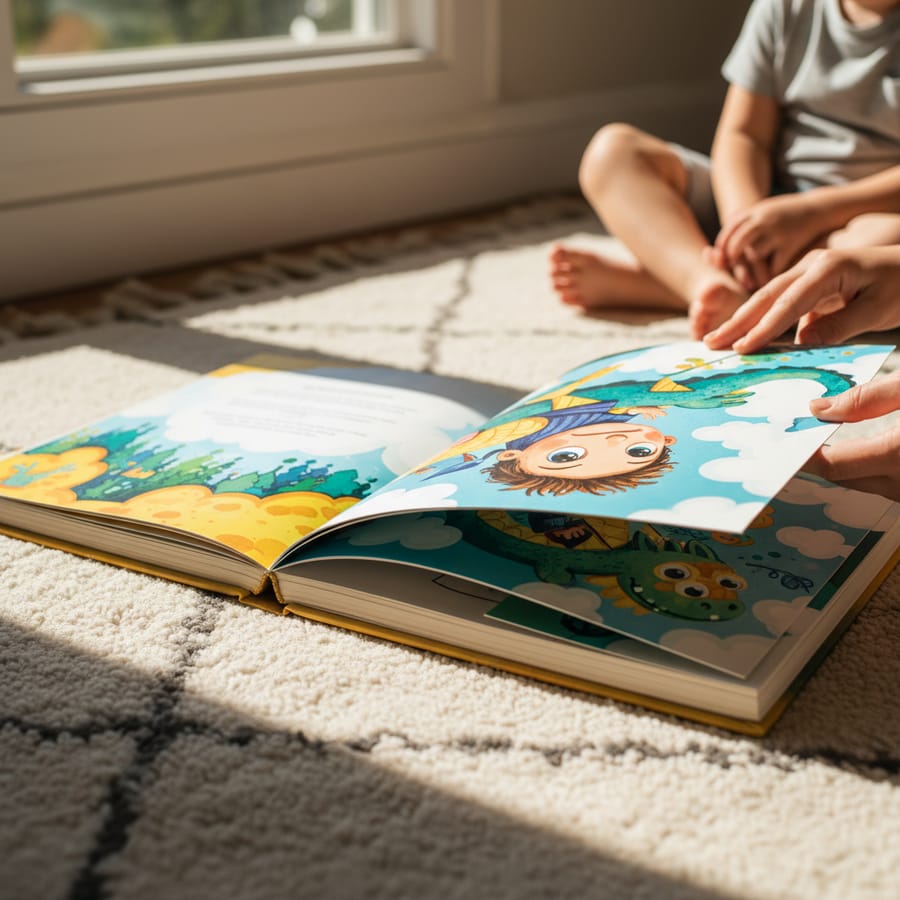
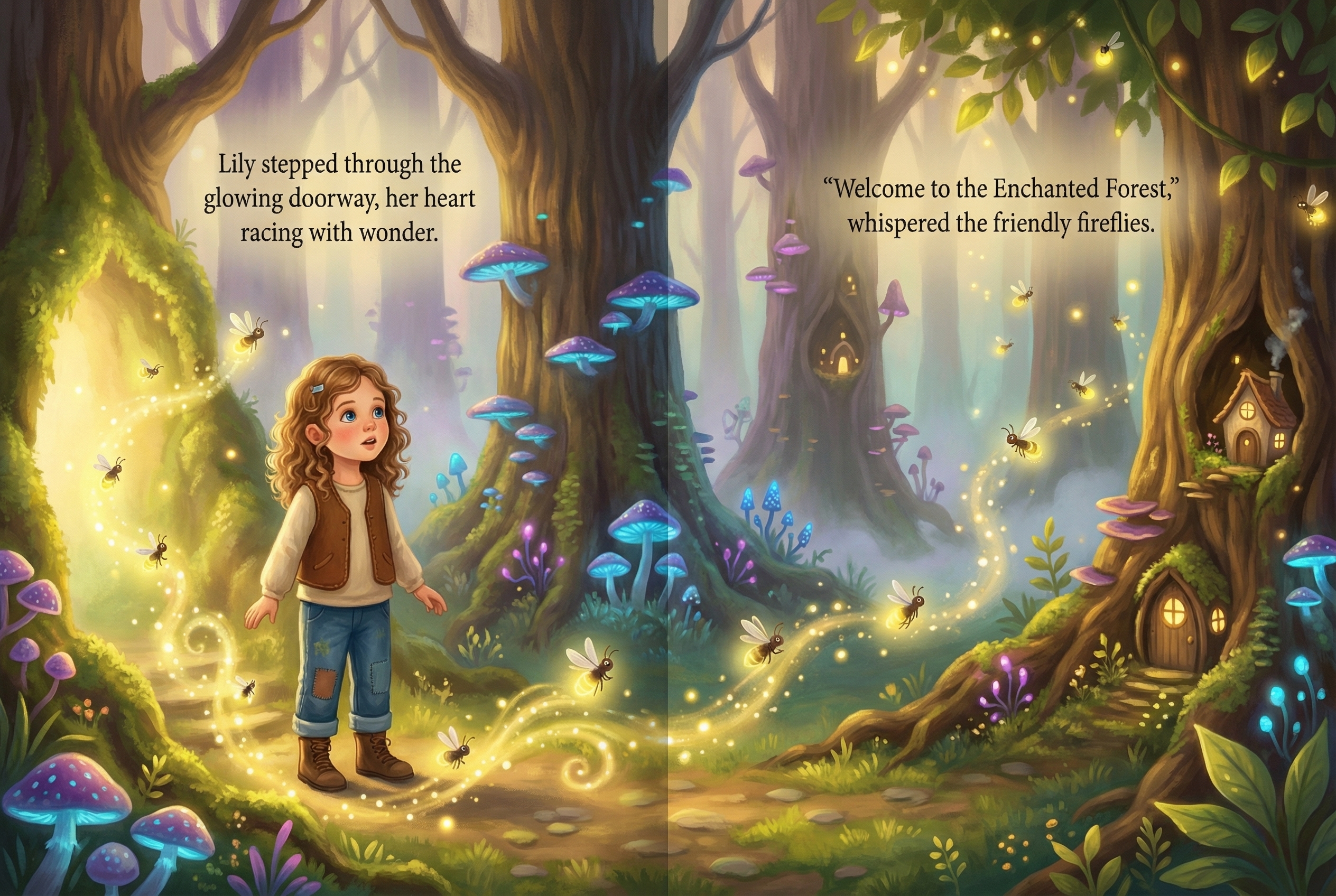
Imagine the look on your child’s face when they open a book and see themselves as the main character. Not just a character who looks a little like them, but a hero with their uploaded photo, riding a dragon or exploring a distant planet. At StorytimeHero.ai, we see this magic happen every day. But once you’ve created that perfect adventure, you face a practical dilemma: should you choose a hardcover or a softcover format? This hardcover vs softcover debate is one every parent faces, especially when the book is a one-of-a-kind keepsake.
Choosing the right format isn't just about price; it's about how your child will interact with the story. Does your little one treat books like precious treasures, or do they carry them around like a favorite stuffed animal that eventually sees some "love" (and by love, we mean juice stains and bent corners)? Understanding the strengths of each format helps ensure that your child's personalized adventure lasts as long as the memories you're making together.
Hardcover vs Softcover: Understanding the Basics for Your Child's Library
When we talk about hardcover vs softcover, we are looking at two very different reading experiences. A hardcover book, often called a casebound book, features a rigid protective cover made of thick cardboard covered in paper or cloth. It feels substantial in your hands. On the other hand, a softcover (or paperback) uses a thicker grade of paper for the cover, making it flexible and lightweight.
For personalized storybooks, the stakes are a bit higher than a standard store-bought book. When your child’s face is integrated into the AI-generated illustrations, the book becomes an immediate favorite. It’s going to be read over and over again.
Hardcovers are the "gold standard" for durability. They protect the pages inside from bending, and the spine is usually reinforced to handle hundreds of openings and closings. Softcovers are much more "toss-able." You can slide them into a diaper bag or a backpack without worrying about the weight. They are perfect for on-the-go families who want to bring their custom adventures to the doctor’s office or on a long car ride.
Durability: Which Format Survives a Toddler?
If you have a toddler, you know that "durability" is a relative term. To a two-year-old, a book is a toy, a teething ring, and a stepping stone all at once. In the battle of hardcover vs softcover for the youngest readers, hardcover almost always takes the trophy.
The rigid edges of a hardcover book make it much harder for a child to rip the cover off. The binding is also typically stronger. In a softcover book, the "perfect binding" (where pages are glued to the spine) is strong, but repeated rough handling can cause the cover to crease or the corners to fray.
Think about your daily routine. If "storytime" often involves your child grabbing the book and running across the room, a hardcover will stand up to that enthusiasm much better. However, if your child is a bit older and has learned to turn pages carefully, a softcover is more than adequate.
At StorytimeHero.ai, we use high-quality printing processes for both formats. Because our books feature AI-generated illustrations of your child, we ensure the ink is vibrant and the paper is thick enough to resist easy tearing. But no matter how good the paper is, a softcover simply can’t offer the "armor" that a hard casing provides.
The Keepsake Factor: Hardcover vs Softcover for Memories
Personalized books are rarely "one and done" reads. They are designed to be kept on the shelf for years, perhaps even saved for when your child has children of their own. When considering the hardcover vs softcover choice for a gift, you should think about the "keepsake" value.
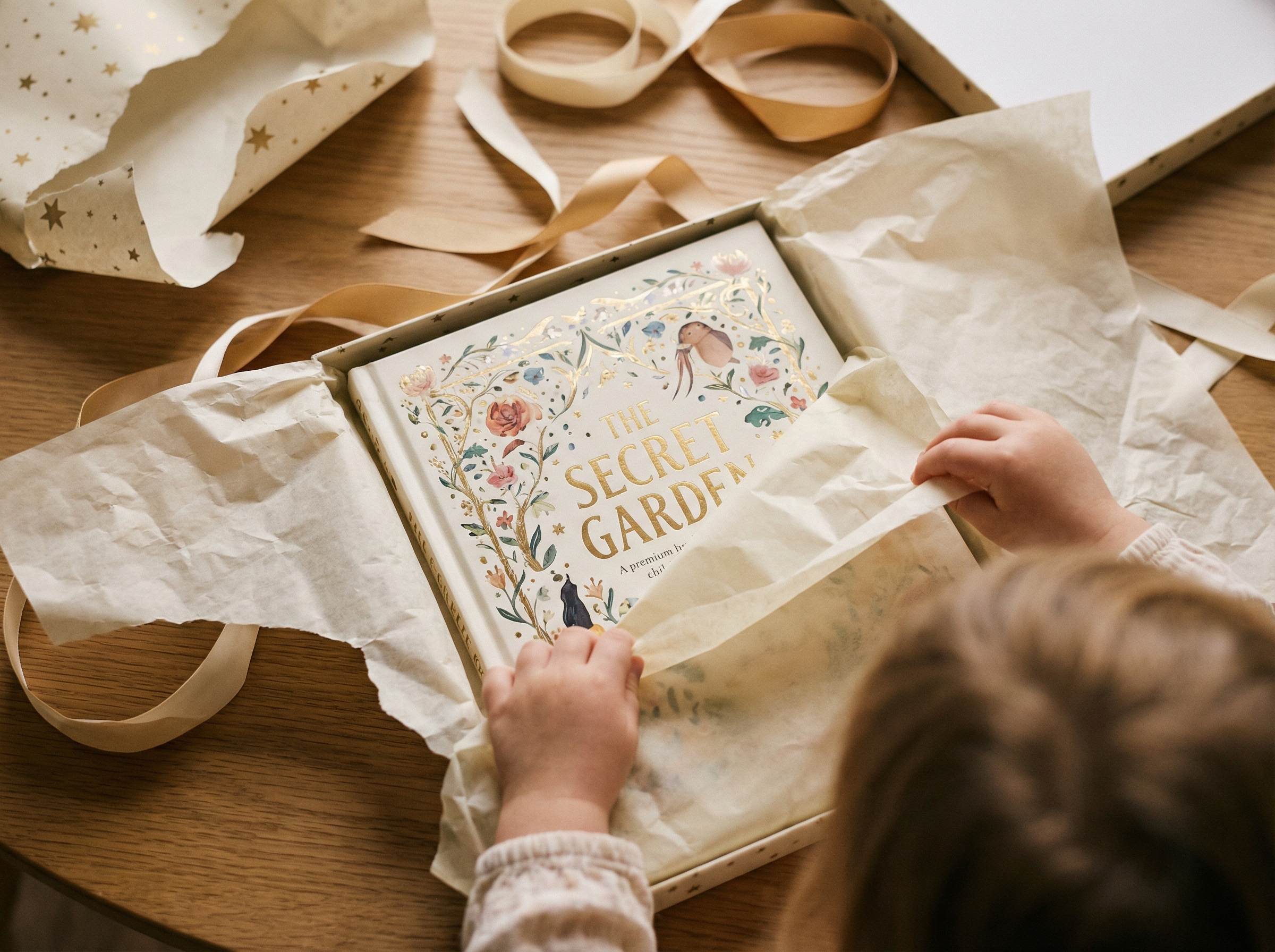
Hardcover books have a certain "heft" that feels like a real gift. They look beautiful on a nursery shelf and stand upright without leaning or curling. If you are ordering a book for a birthday or a holiday, the hardcover version often feels more "special." It’s the kind of item that grandparents love to give because it feels permanent.
Softcovers, while still featuring the same incredible personalized content, can start to look "lived in" more quickly. The edges might curl over time, and the spine might develop those familiar white creases from being opened wide. If your goal is to create a library of unique gift ideas that will look brand new in ten years, the hardcover is the way to go.
However, don't discount the softcover for memory-making. Sometimes, the most loved books are the ones that are a little beat up. A softcover book that has been carried to every sleepover and read under the covers with a flashlight carries its own kind of sentimental value.
Portability and Value: Why Softcover Might Be Your Best Friend
While we’ve talked a lot about the strength of hardcovers, the hardcover vs softcover debate has a clear winner when it comes to travel: the softcover.
Parents are often lugging around a lot of gear. Between snacks, extra clothes, and toys, weight matters. A softcover book is significantly lighter. If you’re planning a family vacation or a flight, you can pack three or four softcover books in the space and weight of one hardcover.
There is also the price point to consider. Softcover books are generally more affordable to produce and ship. This makes them a great option if you want to create a series of adventures for your child. Instead of one hardcover book, you might be able to get two softcovers, giving your child twice the number of stories where they are the hero.
When you are reading with your child, the flexibility of a softcover can also be a plus. It’s easier for small hands to hold open, and it doesn't have sharp corners that might poke a reclining toddler during a cozy snuggle session.
Choosing the Right Format for Different Reading Environments
Where does your child usually read? The environment plays a huge role in the hardcover vs softcover decision.
- Bedtime Reading: If reading happens mostly in bed, either format works well. However, a hardcover is easier to prop up against a pillow if you are reading side-by-side.
- The High Chair: If your child looks at books while eating (we’ve all been there!), a hardcover is easier to wipe down. The laminated surface of a hard cover usually handles a damp cloth better than the edges of a softcover.
- The Car or Stroller: Softcovers are the winners here. They fit easily into seat pockets and aren't as heavy if they get dropped on a little toe.
- School or Daycare: If your child wants to take their book for "Show and Tell," a hardcover is safer. It won't get crushed in a cubby or bent in a backpack full of other papers.
For many parents, the best strategy is a mix of both. You might choose the hardcover for the "Main Adventure" (like their first StorytimeHero book) and use softcovers for supplementary stories or shorter "mini-adventures."
How StorytimeHero.ai Handles Quality in Both Formats
Regardless of which side you take in the hardcover vs softcover debate, the quality of the internal pages remains a top priority for us. We know that the real magic is seeing your child’s face in the art.
We use advanced AI to ensure that the photos you upload are seamlessly blended into the illustrations. This isn't just a "sticker" placed on a page; it’s a full integration. To make sure these images look crisp, we use high-grade paper that prevents ink bleed and provides a smooth, tactile feel.
In our hardcover versions, we use a "library-quality" binding. This means the pages aren't just glued; they are secured in a way that allows the book to lay relatively flat, making it easier to see the full-spread illustrations of your child fighting space pirates or talking to forest animals.
In our softcover versions, we use a heavy-duty cardstock for the cover with a protective coating. This coating helps resist fingerprints and minor spills, giving the softcover a bit of a "durability boost" compared to a standard mass-market paperback.
Practical Tips for Making Your Books Last Longer
Whether you choose hardcover vs softcover, there are steps you can take to ensure your personalized books stay in great shape.
- Teach "Gentle Hands": Use the personalized nature of the book to teach book care. "This is a special book about YOU, so we have to be very careful with it!"
- The "Clean Hands" Rule: Especially with the high-quality illustrations in StorytimeHero books, keeping sticky fingers away helps preserve the page texture.
- Shelving Matters: Store books upright. For softcovers, try to sandwich them between two hardcovers to keep them from bowing or curling.
- Avoid the "Spread": Don't lay books face down while open. This stresses the spine, whether it's a hardcover or a softcover.
- Repair Early: If a page in a softcover starts to tear, use archival-safe tape immediately. Don't wait for the tear to grow!
By following these simple steps, you can bridge the gap between the two formats. A well-cared-for softcover can outlast a neglected hardcover any day.
The Emotional Impact of the Format
There is a psychological aspect to the hardcover vs softcover choice. Children often perceive hardcover books as "more important." When a book has a heavy cover, it feels like a "real" story—the kind of story you find in a library. For a child who might struggle with confidence, seeing themselves in a "real, heavy book" can be a massive ego boost. It says, "My story is important enough to be in this big, strong book."
Softcovers, however, feel more accessible. They are "friendly" books. They are the books you can take to the park and read under a tree. They don't feel "precious" in a way that might make a child nervous to touch them. If your child is the type who wants to sleep with their favorite book, a softcover is much more comfortable to cuddle with!
Comparing the Specs: A Quick Breakdown
To help you decide, let's look at a quick comparison:
Feature | Hardcover | Softcover |
|---|---|---|
Durability | High (Rigid cover, strong spine) | Moderate (Flexible, prone to creases) |
Weight | Heavier | Lightweight |
Feel | Premium/Keepsake | Casual/Accessible |
Storage | Stands easily on shelves | May curl if not supported |
Best For | Gifts, Toddlers, Long-term storage | Travel, Daily use, Budget-friendly |
Price | Higher | Lower |
When you are looking at personalized children's books, we recommend thinking about the "Why." Why are you buying this book today? If it’s for a 1st birthday, go hardcover. If it’s a "just because" surprise for a 6-year-old who loves dinosaurs, softcover is a fantastic choice.
Frequently Asked Questions
Related Reading
- How Personalized Books Improve Child Literacy
- The Science Behind AI-Generated Illustrations for Kids
- Creating the Perfect Bedtime Routine with Custom Stories
- Why Representation Matters in Children's Literature
- The Best Birthday Gifts for 5-Year-Olds: A Guide
- How to Choose the Best Photos for Your StorytimeHero Book
- The Future of Storytelling: Personalized AI Adventures
Choosing between hardcover vs softcover doesn't have to be a stressful decision. Both formats offer a way to bring your child into a world of imagination where they are the star. Whether you want the rugged durability of a hardcover or the light, easy-going nature of a softcover, the real magic is in the story you create together. At StorytimeHero.ai, we are just happy to help you put your child’s face on the cover of their next great adventure.
Think about your child's personality, your budget, and how you plan to use the book. No matter what you choose, seeing their own face as a hero will be a moment they—and you—will never forget. Ready to start your adventure? Head over to our story creator and see what's possible!
Free preview checklist
Get the personalized book gift checklist
Know what photo to use, what to write in the dedication, and what to review before ordering.