How to Get Your Kid to Ask for Books Instead of Screens
Start a cover preview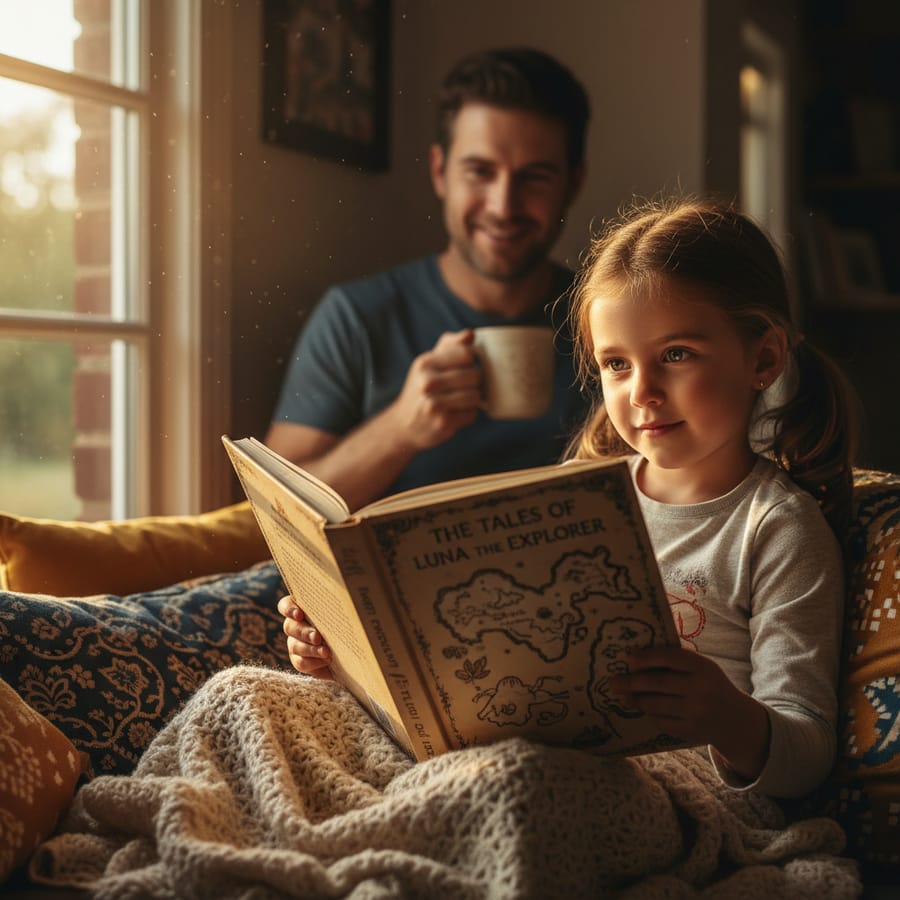
We’ve all been there. It’s 6:30 PM, the "witching hour" is in full swing, and you’re exhausted from a long day of work, chores, and parenting. You just need twenty minutes to get dinner on the table without someone pulling on your leg or spilling a box of cereal. The tablet is sitting right there on the counter, glowing like a siren song. You know that if you hand it over, you’ll get instant peace. But you also feel that familiar pang of guilt, wondering if there’s a better way to engage their growing minds. You want to know how to get your kid to ask for books instead of screens, but in a world of high-definition cartoons and interactive games, a paper book can feel like a tough sell. The good news is that it’s not about fighting technology; it’s about making the reading experience so personal and exciting that the screen simply can’t compete.
Understanding the "Dopamine Loop" and Why Screens Win
Before we can flip the script, we have to understand what we’re up against. Tablets and television shows are designed by experts to keep eyes glued to the screen. They use bright colors, fast cuts, and instant rewards—like leveling up in a game or the "auto-play" next episode feature—to trigger dopamine in a child’s brain. This creates a loop where the child craves more stimulation.
Books, on the other hand, are a "slow" medium. They require the brain to do the heavy lifting of imagining the sounds, the movements, and the world-building. For a child used to the "fast" world of YouTube Kids, a traditional book can sometimes feel like work.
To bridge this gap, we have to find ways to make books just as stimulating and rewarding as a screen. This is where personalized children's books come into play. When a child sees themselves in the story—not just a character with their name, but a character with their uploaded photo—the brain’s engagement levels skyrocket. It moves from being a passive story to an active adventure they are personally involved in.
Why Traditional Books Struggle and How to Get Your Kid to Ask for Books Instead of Screens
The biggest challenge parents face is the "interest gap." A child might love dinosaurs, but if the book you’re reading is a dry, factual encyclopedia, they’ll lose interest in three minutes. If you want to learn how to get your kid to ask for books instead of screens, you have to focus on the "Hook."
Screens offer constant novelty. To compete, books need to offer a different kind of novelty: Relevance.
When you use custom storybooks for kids, you are giving them a reason to care about every single page. Imagine your daughter opening a book and seeing herself wearing a lab coat, mixing colorful potions to save a magical forest. Or imagine your son seeing his own face on a brave knight charging toward a dragon. Suddenly, the book isn't just a story about someone else; it’s a mirror.
This personal connection creates a "buy-in" that screens can't replicate. A screen gives them a character to watch; a personalized book gives them a hero to be. By choosing stories that reflect their specific interests and features, you make the book the most interesting thing in the room.
Using Personalization: The Easiest Way to Get Your Kid to Ask for Books Instead of Screens
We live in an age where technology can actually help us bring kids back to physical books. At StorytimeHero.ai, we use AI-generated children's illustrations to put your child directly into the art. This isn't just a gimmick; it's a powerful psychological tool.
Psychologists often talk about the "Self-Reference Effect." This is the tendency for people to remember information better when it is related to themselves. When a child sees their own face in a book, they aren't just reading; they are experiencing. This deepens their emotional connection to the narrative.
Here is how you can use this to your advantage:
- The "Sneak Peek" Strategy: Show them a single page of their personalized book on your phone first. Let them see their face in the illustration. Then, tell them, "The rest of this story is in the physical book on your nightstand."
- The Hero Narrative: When they are facing a real-life challenge—like being brave at the dentist—read them a book where they are the hero overcoming a similar fear.
- The Gift Factor: Because these books are unique, they feel like "treasures" rather than just another item on the shelf. Kids naturally take better care of and show more interest in things that feel like they belong specifically to them.
By making your child the hero, you are giving them a sense of agency and importance that a generic cartoon character can never provide.
A Step-by-Step Guide to Get Your Kid to Ask for Books Instead of Screens Tonight
Changing habits doesn't happen overnight, but you can start making the shift this evening. If you want to know how to get your kid to ask for books instead of screens, follow these practical steps to reshape your home environment.
1. Create a "Reading Sanctuary"
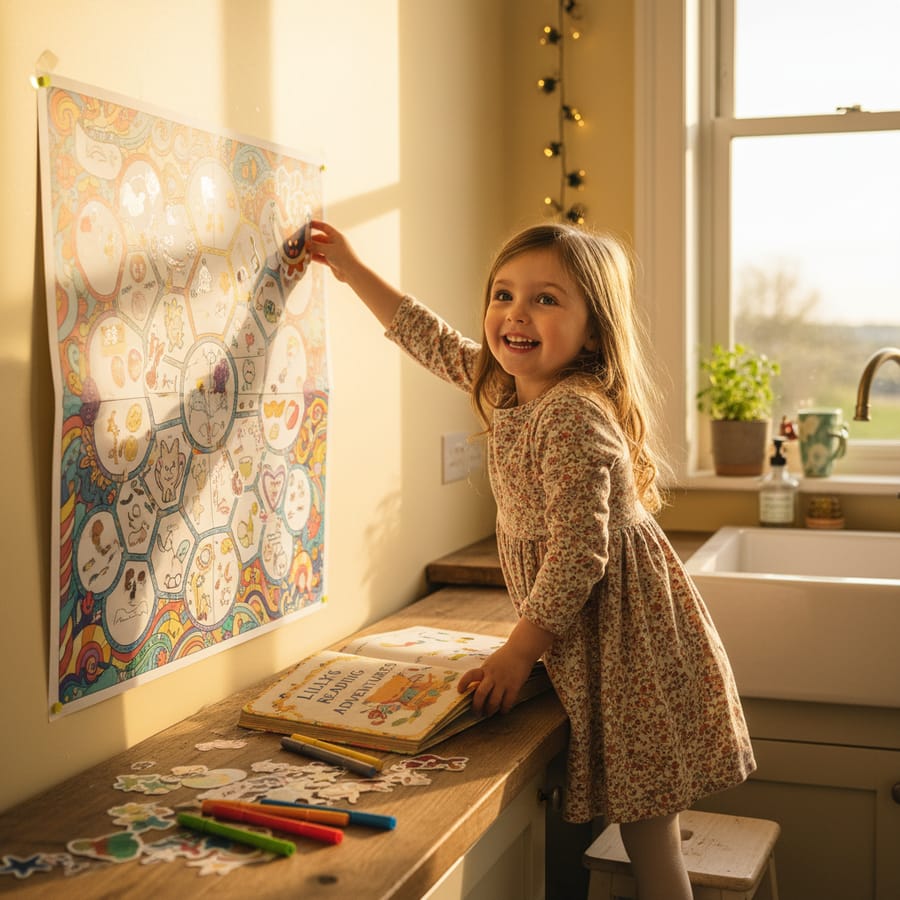
If books are tucked away in a dark corner or high on a shelf, they won't be picked up. Create a cozy spot—a beanbag chair, a pile of pillows, or even a "reading fort" made of blankets. Make sure there is good lighting and that the books are at eye level. When the environment is inviting, the activity becomes more attractive.
2. The "10-Minute Bridge"
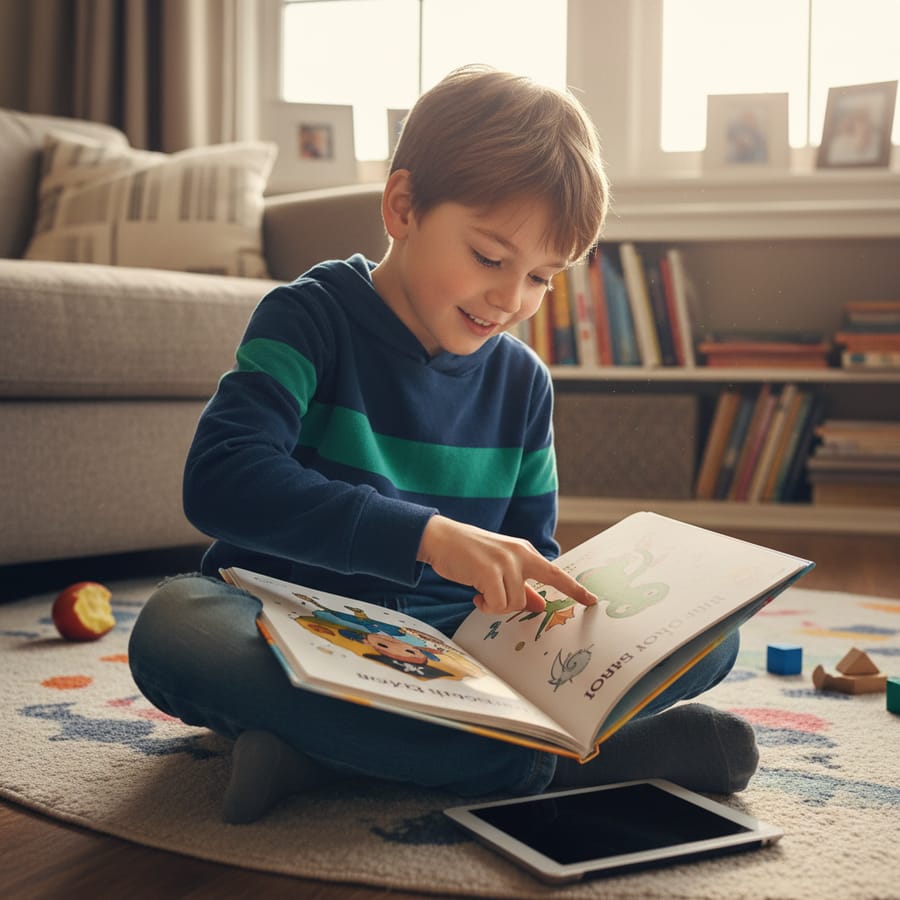
Transitioning directly from a high-energy screen to a book is hard for a child’s brain. Try a "bridge" activity. Turn off the screens and spend 10 minutes doing something tactile, like coloring or playing with blocks. Once their brain has "calmed down" from the digital input, they will be much more receptive to a story.
3. Let Them Be the "Director"
One reason kids love screens is the feeling of control. They get to pick the video or click the button. Give them that same control with books. Let them choose which book to read, but go a step further: ask them what they think the character should do next. If you are using a personalized story, ask them, "Since this is you in the book, what would you say to the dragon?"
4. Use "Cliffhangers"
If you’re reading a longer story, stop at a really exciting part. Tell them, "Oh man, we have to see what happens next tomorrow night!" This creates "open loops" in their brain, making them look forward to the next reading session just as much as they’d look forward to the next episode of a show.
Modeling the Behavior: If You Scroll, They Scroll
This is the hard part for us parents. Our kids are like little sponges; they watch everything we do. If they see us constantly scrolling through our phones during dinner or while sitting on the couch, they will view the screen as the most important object in the house.
Try to designate "Screen-Free Zones" for everyone, including yourself. When your child sees you sitting down with a physical book or a magazine, it sends a powerful message. You are showing them that reading is a leisure activity, not just a school requirement.
Talk about what you’re reading. You might say, "I’m reading a story about a person who traveled across the ocean. It’s so exciting!" This builds curiosity. When they see that you value the benefits of reading for kids and adults alike, they will naturally want to join in.
Making Reading a Multi-Sensory Experience
Screens are multi-sensory (sight and sound), so books should be too! Don't just read the words on the page in a monotone voice.
- Voices and Sound Effects: Use different voices for different characters. Make "whoosh" sounds for the wind or "stomp" sounds for a giant.
- Props: If the story is about a pirate, grab a cardboard tube to use as a telescope.
- Touch: For younger kids, choose books with different textures. For older kids, let them hold the book and turn the pages.
The goal is to make the experience "3D." When a child is physically engaged with a book, they are much less likely to go looking for a digital distraction.
Practical Tips for Busy Parents
We know you’re busy. You don't always have an hour for a dramatic reading. Here are some quick wins:
- Keep books in the car. Replace the "car tablet" with a basket of their favorite stories.
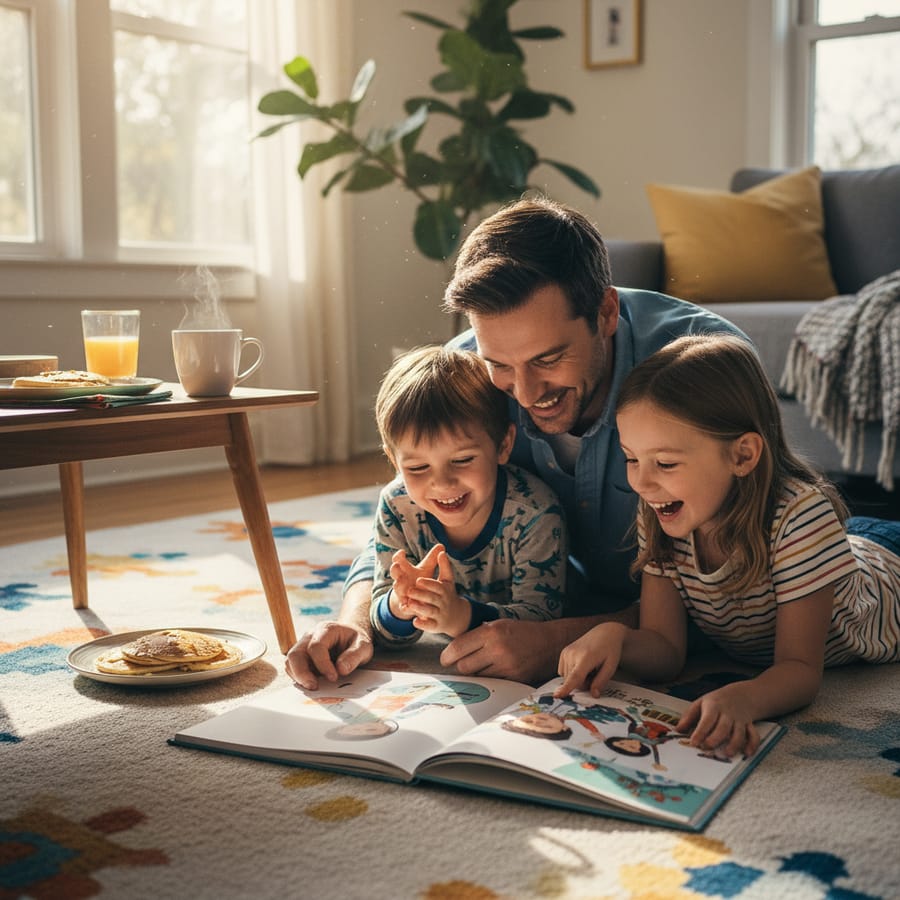
- Read during breakfast. It’s a calm way to start the day before the chaos begins.
- Audiobooks are okay! If you’re too tired to read aloud, put on an audiobook while they look at the pictures in a physical book. It still counts as literacy engagement!
- Rotate your library. Every few weeks, put some books away and bring out "new" ones from the closet. Novelty drives interest.
Frequently Asked Questions
How long should I read to my child each night?
Even 15 minutes a day can make a massive difference in a child’s vocabulary and emotional development. The key is consistency rather than duration. It’s better to read for 10 minutes every night than for an hour once a week.
My child says books are "boring." What should I do?
This usually means they haven't found the right type of book yet. Try switching genres—if they don't like fairy tales, try graphic novels, "choose your own adventure" stories, or personalized adventure stories where they are the main character.
At what age should I start trying to reduce screen time?
It’s never too early or too late! However, the American Academy of Pediatrics suggests very limited screen time for children under two. The earlier you establish a "books first" culture in your home, the easier it will be as they get older.
Can I use an e-reader like a Kindle?
E-readers are a great middle ground, but for younger children, physical books are usually better. The tactile act of turning a page and the lack of "app distractions" on a physical book help build a longer attention span.
What if my child just wants to look at the pictures?
That’s perfectly fine! "Picture walking" through a book is a great pre-literacy skill. Ask them to tell you the story based on what they see in the illustrations. This builds their imagination and narrative skills.
Related Reading
- The Science of Personalized Learning: Why Kids Learn Better as Heroes
- 5 Bedtime Routine Hacks for Restless Toddlers
- How AI is Revolutionizing Children's Literature
- Building Confidence in Kids Through Storytelling
- The Best Themes for Personalized Children's Books This Year
- Why Seeing Their Own Face in a Book Boosts Early Literacy
- Transitioning from Picture Books to Chapter Books
- Creating a Screen-Free Bedroom for Better Sleep
Free preview checklist
Get the personalized book gift checklist
Know what photo to use, what to write in the dedication, and what to review before ordering.