Print vs Digital Personalized Books: Which Is Better?
Start a keepsake preview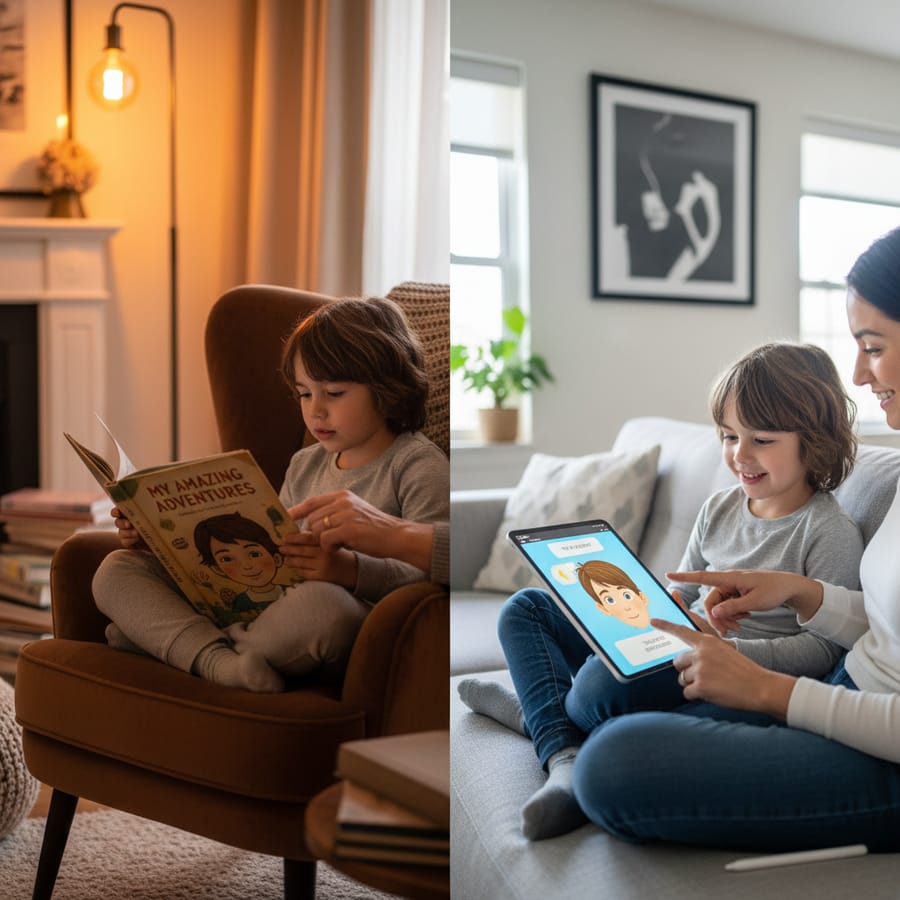
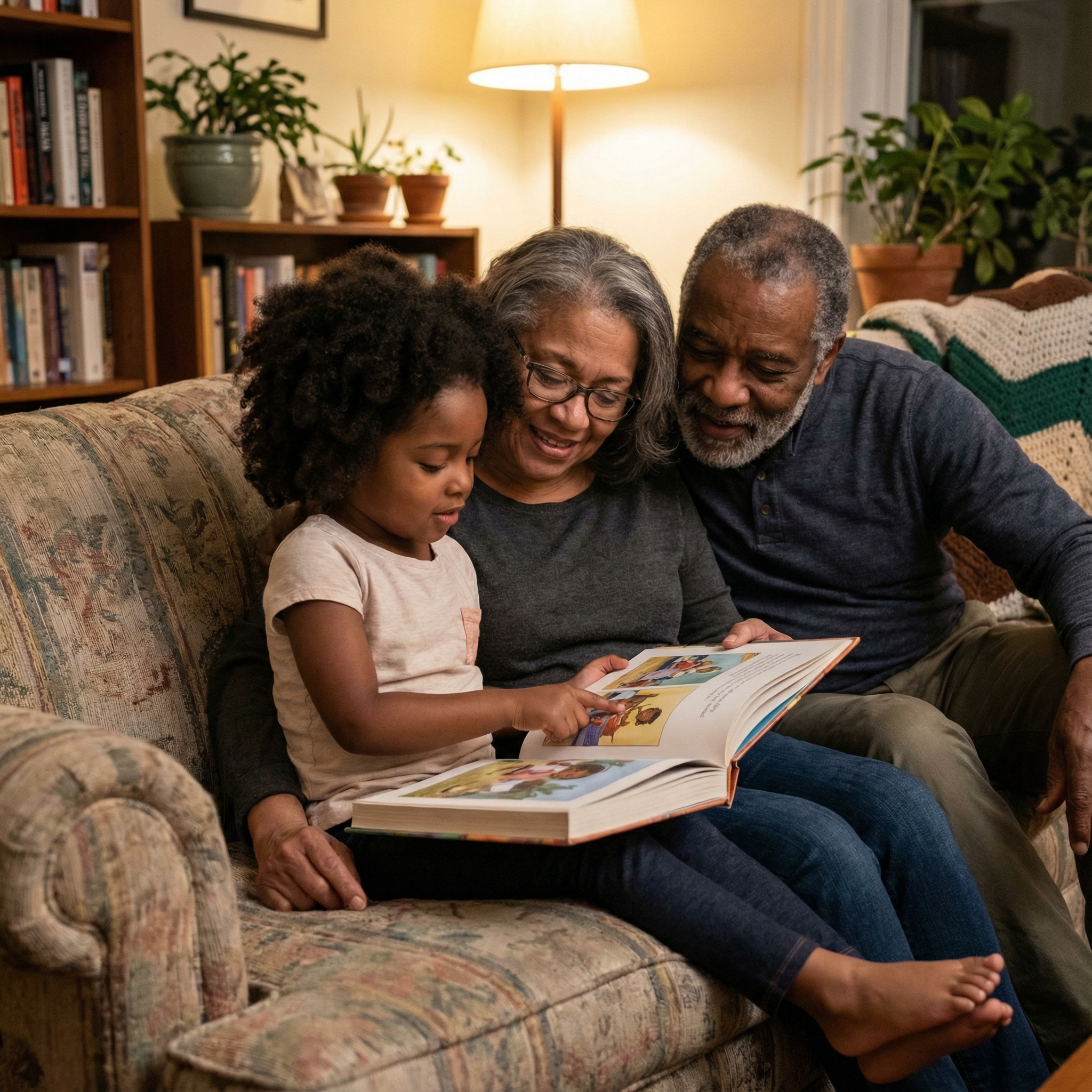
You know that magical look on your child’s face when they realize the hero of the story looks exactly like them? It’s a moment of pure wonder. As parents, we’re always looking for ways to spark a love for reading, and personalized books are a total game-changer in that department. But as you’re browsing for that perfect gift, you’ve likely hit a fork in the road: should you go with a classic, physical book or a convenient digital version? Deciding between print vs digital personalized books isn't just about price—it’s about how your child interacts with the story, how you spend your evening routine, and even how you want to preserve those memories for the future.
The Magic of Seeing Your Child in the Story
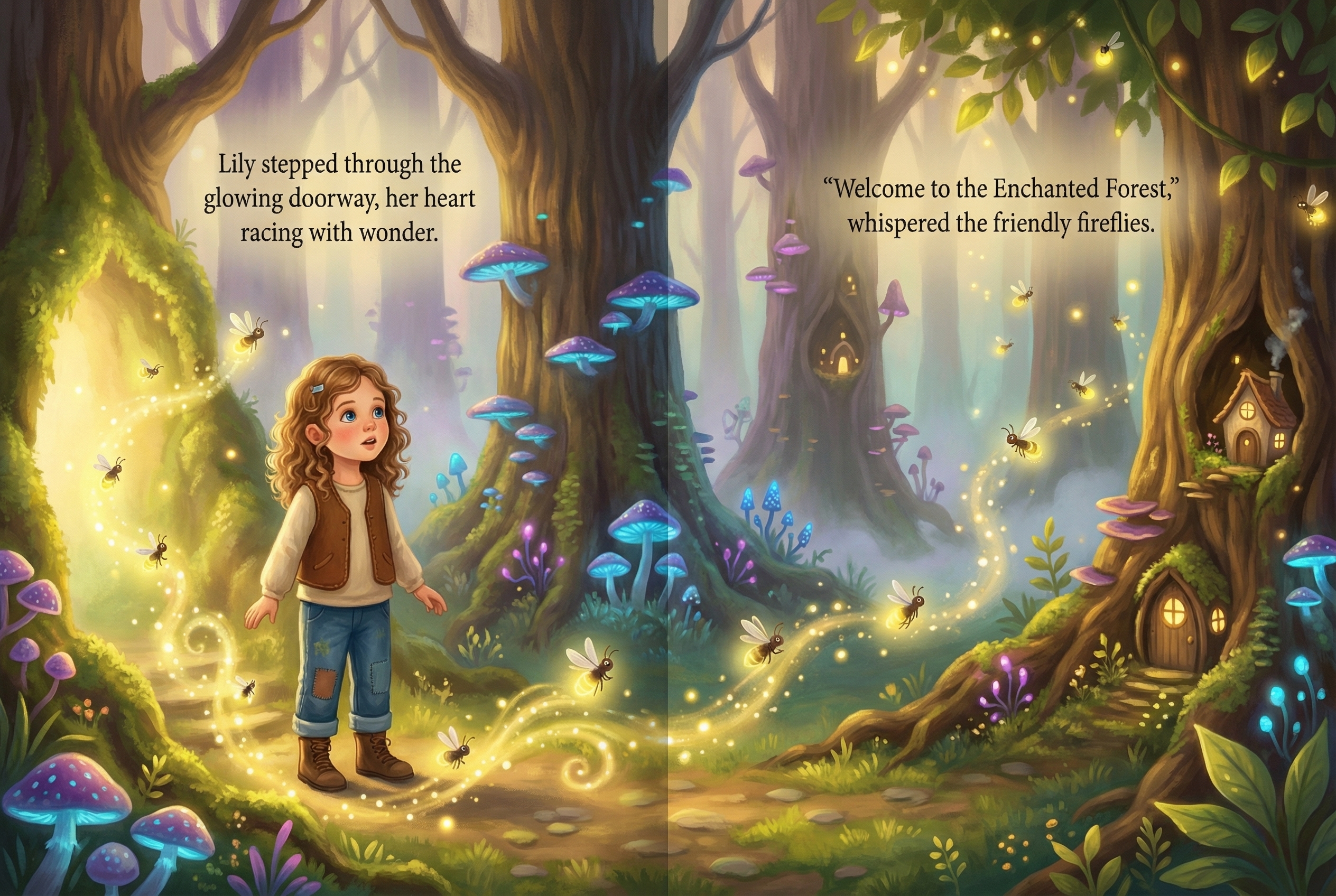
Before we dive into the "how" of reading, let’s talk about the "what." Personalized books have come a long way from just swapping a name in a text box. At StorytimeHero.ai, we use advanced AI to take your child’s photo and weave their uploaded photo into the illustrations. Whether they are flying a rocket ship or exploring an enchanted forest, they aren't just reading about a character—they are the character.
This level of immersion does something incredible for a child's development. It builds self-esteem and increases "narrative engagement." When a child sees themselves as the hero, they pay closer attention to the plot and the lessons being taught. This is why choosing the right format—print or digital—is so important. You want the medium to support that connection, not distract from it. If you are curious about how this tech works, you can learn more about AI-personalized books and how they are changing bedtime forever.
Why Print Books Still Rule the Nightstand
There is something timeless about a physical book. When we talk about print vs digital personalized books, the tactile experience of paper is often the biggest winning point for print. For a toddler or preschooler, the act of physically turning a page is a major milestone in fine motor skill development.
The Sensory Experience
A print book offers a sensory experience that a tablet simply can't match. There’s the smell of the ink, the texture of the cover, and the weight of the book in your child's hands. When your child sees their own face on a high-quality, glossy page, it feels "real" in a way that pixels often don't. It becomes a physical artifact of their childhood.
Screen-Free Bedtime
Most pediatricians recommend turning off screens at least an hour before bed. The blue light emitted by tablets and phones can interfere with the production of melatonin, making it harder for your little one to drift off. A physical custom storybook for kids allows for a warm, cozy "wind-down" period without the digital stimulation. It’s just you, your child, and a great story.
Durability and Keepsakes
Let’s be honest: kids can be rough. While a tablet can crack if dropped, a sturdy hardcover book can withstand quite a bit of love. More importantly, a print book is a keepsake. You can tuck it away in a memory box and pull it out twenty years from now. Digital files can be lost, deleted, or become obsolete as technology changes, but a printed book stays on the shelf forever.
The Modern Perks of Digital Stories
While print has its charms, we shouldn't overlook the incredible convenience of digital formats. When considering print vs digital personalized books, digital often wins on accessibility and "instant gratification."
Instant Delivery
If you’ve realized at 8:00 PM on a Tuesday that you forgot a birthday gift for a party on Wednesday, digital is your best friend. Digital personalized books are usually delivered to your inbox within minutes or hours of creation. There’s no waiting for the mail or worrying about shipping delays.
Portability for Travel
If you’re a family on the go, carrying ten physical books in a suitcase isn't practical. A digital library allows you to bring dozens of adventures on a single iPad or Kindle. Whether you’re on a long flight or waiting at a doctor’s office, having a story where your child is the hero right in your pocket is a lifesaver.
Interactive Elements
Some digital platforms allow for interactive elements that print simply can't offer. While StorytimeHero.ai focuses on high-quality narrative illustrations, many digital versions allow kids to tap the screen to hear sounds or see small animations. For a tech-savvy "Alpha Generation" child, this can make the personalized reading experience feel even more like a movie they are starring in.
Print vs Digital Personalized Books: Finding the Right Balance
So, which one should you choose? Often, the answer isn't "one or the other," but rather "which one for which occasion?" To help you decide, let's look at a direct comparison of how they stack up in the real world.
Feature | Print Books | Digital Books |
|---|---|---|
Tactile Learning | Excellent for motor skills | Limited to swiping |
Bedtime Routine | Ideal (no blue light) | Can be over-stimulating |
Cost | Higher (printing/shipping) | Lower (instant download) |
Longevity | Lasts for decades | Depends on device/cloud |
Wait Time | 5-10 business days | Near-instant |
Engagement | High focus on story | High focus on visuals/interaction |
When you are looking for unique gifts for children, a hardcover book is usually the gold standard. It feels more substantial as a gift. However, if you want to create a weekly tradition of "new adventures" without breaking the bank, a digital subscription or digital-only downloads can be a great way to keep the library fresh.
How Your Child’s Age Affects the Decision
Your child’s developmental stage plays a huge role in the print vs digital personalized books debate. What works for a two-year-old might not be the best fit for an eight-year-old.
Toddlers and Preschoolers (Ages 2-5)
At this age, print is almost always better. Toddlers are still learning how books work—how to hold them, which way to turn the pages, and how to follow a story from left to right. They also tend to be "repeat readers." They want the same story every night for a month. Having that physical book on their nightstand gives them a sense of ownership and comfort. Plus, seeing their face on a physical page helps with early "self-recognition" milestones.
Early Readers (Ages 6-8)
As kids start learning to read on their own, digital books can be very helpful. Many digital readers allow you to highlight words as they are read aloud, which helps with phonics and word recognition. However, for a "special" story—like one where they are the hero—a print version still feels more like a reward for their hard work in school.
Older Kids (Ages 9+)
Older children are often very comfortable with digital interfaces. They might prefer reading on a tablet because it feels "grown-up." If your older child is a reluctant reader, the novelty of a digital book where they are the main character might be just the nudge they need to put down the video games and pick up a story.
Making the Most of Your StorytimeHero.ai Adventure
Regardless of whether you choose print or digital, the goal is the same: to make your child feel special. Here are a few practical tips to make the most of your personalized book:
- Choose the Right Photo: Since our AI creates illustrations based on your child's face, use a clear, front-facing photo with good lighting. This ensures the "hero" looks exactly like your little one.
- Read Together: Even if you choose a digital version, don't just hand the tablet to your child. Sit together, point at the pictures, and say, "Look! There you are in the jungle!"
- Discuss the Themes: Our stories often involve bravery, kindness, and curiosity. After the story ends, ask your child, "How did it feel when you saved the day in the story?"
- Create a Library: If you choose print, give your child a special shelf for their personalized hero books. It builds a sense of pride in their reading collection.
- Mix and Match: Consider getting the digital version for travel and the print version for the home library. Many parents find this "hybrid" approach works best for their busy lives.
Practical Tips for Busy Parents
If you're still on the fence about print vs digital personalized books, think about your specific lifestyle needs this week.
- For the "Memory Maker": If you are the type of parent who keeps every drawing and report card, go with Print. You will value having that book on the shelf in ten years.
- For the "Minimalist": If you are trying to declutter your home and prefer everything to be stored in the cloud, Digital is your best friend.
- For the "Budget-Conscious": Digital versions are almost always more affordable because they eliminate the costs of paper, binding, and shipping. You can often get two or three digital stories for the price of one high-end hardcover.
- For the "Last-Minute Gifter": If the party is tomorrow, don't even look at the print options. Go digital, print out the "cover" on your home printer to put in a card, and tell them the full book is waiting on their tablet!
Frequently Asked Questions
Related Reading
- How AI is Revolutionizing Children's Literature
- The Best Personalized Birthday Gifts for Toddlers
- Why Your Child Needs to See Themselves in Stories
- Tips for Building a Better Bedtime Routine
- Creating Your First StorytimeHero Adventure: A Step-by-Step Guide
- The Science of Personalization and Learning
- Comparing Hardcover vs Softcover for Kids' Books
Free preview checklist
Get the personalized book gift checklist
Know what photo to use, what to write in the dedication, and what to review before ordering.