Best Paper Quality for Kids' Books (What to Look For)
Start a cover preview
You know that feeling when you open a brand-new book with your child? There is a certain magic in the crisp sound of a turning page and the smell of fresh ink. But as every parent knows, that magic can quickly turn to a mess if the book isn't built to last. Between sticky peanut butter fingers, accidental juice spills, and the general "enthusiasm" of a toddler, finding the best paper quality for kids' books is about more than just aesthetics—it is about survival. When you are creating a personalized story where your child is the hero, you want that memory to sit on their shelf for years, not fall apart after the third bedtime reading. Choosing the right materials ensures that those AI-generated illustrations of your child’s face remain as vibrant and clear as the day they arrived.
Why the Best Paper Quality for Kids' Books Matters for Your Little Hero
When you decide to create a custom adventure, you aren't just buying a book; you are investing in a keepsake. If you’ve ever seen a cheap paperback curl at the edges or watched a page tear because a little hand was a bit too eager to see what happens next, you understand the frustration. The best paper quality for kids' books acts as a shield for the story. It needs to be thick enough to resist creases but flexible enough for small hands to navigate.
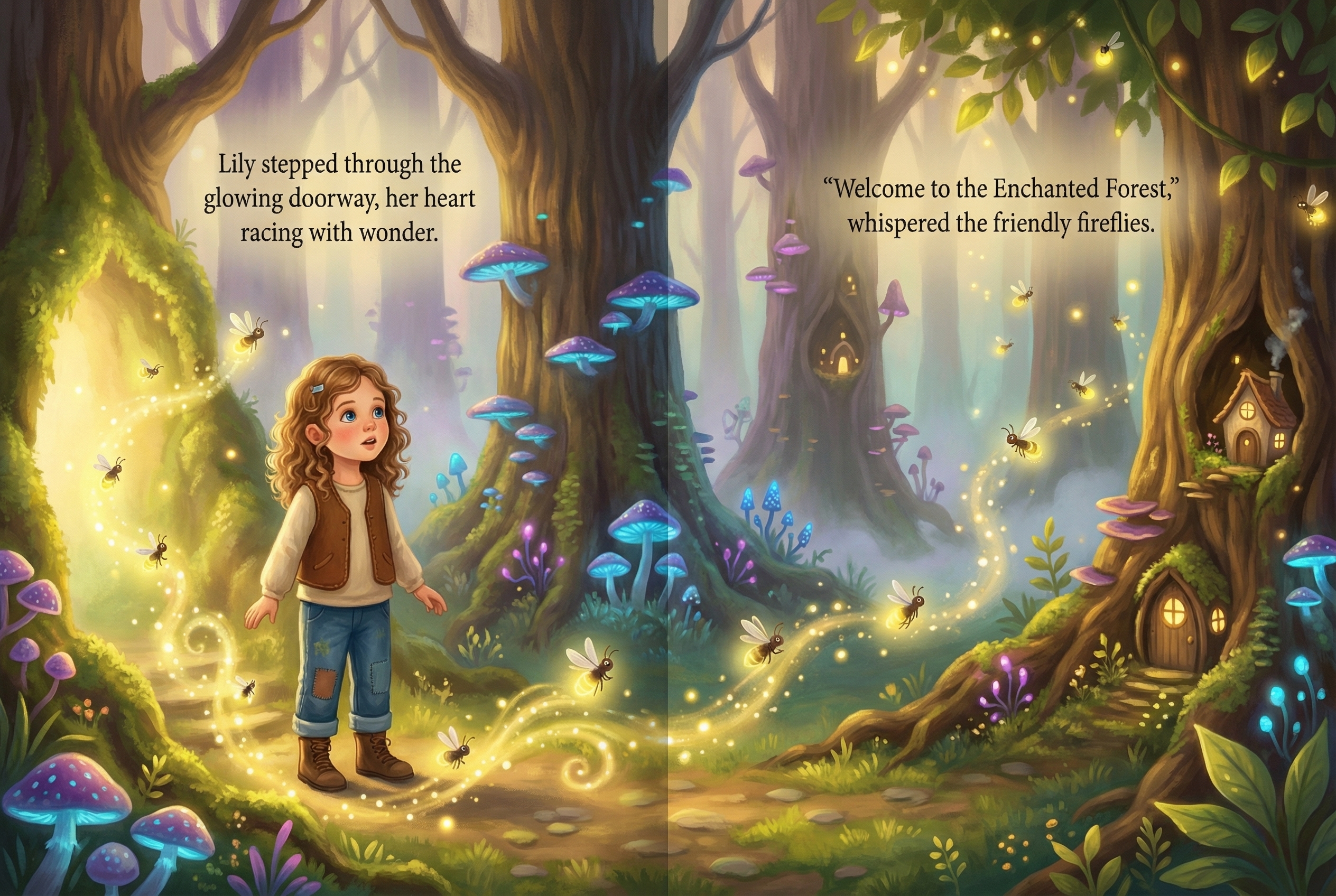
In a personalized children's book, the stakes are even higher. Because these books feature your child’s uploaded photo integrated into the art, the paper needs to handle high-resolution printing without the ink bleeding or looking muddy. High-quality paper ensures that the skin tones look natural and the colors of the magical worlds they inhabit are bright and engaging. Cheap paper often absorbs too much ink, which can make the AI-generated illustrations look dark or "noisy." By focusing on premium materials, you ensure that your child recognizes themselves instantly in every scene.
Furthermore, kids experience the world through their senses. The tactile feel of a sturdy, smooth page provides a different learning experience than a digital screen. It teaches them to respect books as physical objects. When a book feels "expensive" and solid, children often treat it with a bit more care. This is the first step in building a lifelong love for reading and a deep appreciation for their own personal library.
Understanding Paper Weight: GSM and Points Explained
If you’ve ever looked at the fine print on a printer paper ream or a professional book printing site, you’ve probably seen the term "GSM." This stands for "Grams per Square Meter." In the world of publishing, this is the standard measurement for how heavy (and usually how thick) the paper is. When searching for the best paper quality for kids' books, understanding GSM is your secret weapon.
For a standard adult novel, you might see paper as thin as 70 or 80 GSM. This is fine for text-heavy pages, but it’s a disaster for children’s picture books. For a high-quality kids' book, you should look for a minimum of 140 to 170 GSM. At this weight, the paper feels substantial. It prevents "ghosting," which is when you can see the images from the next page bleeding through. This is particularly important for custom storybooks where every page is a full-color illustration.
Some premium books go even higher, reaching 200 GSM or more. This is moving into "cardstock" territory. While very durable, you have to be careful that the book isn't so stiff that it becomes hard to keep open. The goal is a "Goldilocks" weight—thick enough to feel premium and resist tearing, but supple enough to turn easily. If you are looking at board books for very young toddlers, the measurement shifts to "points" (like 12pt or 15pt), referring to the thickness of the board itself. For a standard hardcover picture book, a 150-170 GSM interior page is generally considered the gold standard for durability and image quality.
Matte vs. Glossy: Choosing the Best Paper Quality for Kids' Books Illustrations
One of the most common questions parents ask is whether they should go with a glossy or matte finish. Both have their benefits, but the choice can change how the AI-generated faces of your children appear on the page.
Glossy Paper:
Glossy paper has a shiny coating that reflects light. This is fantastic for making colors "pop." If your child’s adventure takes place in a vibrant underwater kingdom or a bright, neon-lit future city, glossy paper will make those colors look incredibly saturated and deep. However, glossy paper has two main downsides for kids:
- Glare: If you are reading a bedtime story under a lamp, the reflection can make it hard to see the pictures or read the text.
- Fingerprints: We all know kids have oily or sticky fingers. Glossy paper shows every single smudge.
Matte Paper:
Matte paper has a flat, non-reflective finish. Many parents prefer this for the best paper quality for kids' books because it feels more "classic" and high-end. It is much easier to read under various lighting conditions because there is no glare. Matte paper is also better at hiding those inevitable fingerprints. The colors might look slightly more muted than on glossy paper, but modern printing technology ensures they are still very rich.
For a personalized reading experience, matte or a "silk" finish (which is halfway between matte and glossy) is often the best choice. It gives the AI illustrations a painterly, artistic feel that makes the book look like a piece of art rather than a generic photo album. It also feels smoother to the touch, which adds to the sensory enjoyment of storytime.
Durability and Safety: What to Look for in Custom Book Materials
When we talk about paper quality, we also have to talk about what is in the paper. Kids don't just read books; they live with them. Sometimes they chew on them, sometimes they sleep with them, and they almost always touch their faces right after touching the pages. This is why "acid-free" and "FSC-certified" are terms you should look for.
Acid-Free Paper:
Standard, cheap paper contains acid that causes it to turn yellow and become brittle over time (think of an old newspaper). Acid-free paper is treated to neutralize its pH levels. This is essential for a keepsake book. If you want your child to be able to show their own children the book where they were a superhero, it must be acid-free. This ensures the pages stay white and the colors stay true for decades.
FSC-Certified Paper:
As parents, we care about the world our children will grow up in. FSC (Forest Stewardship Council) certification means the paper comes from responsibly managed forests. Choosing the best paper quality for kids' books that is also eco-friendly sets a good example for your little hero. You can learn more about how we prioritize quality and ethics in how it works.
Smudge-Resistance and Ink Absorption:
High-quality paper isn't just about the wood pulp; it’s about the coating. Premium papers are designed to "lock in" the ink. This prevents the ink from rubbing off on your child's hands or smearing if a drop of water hits the page. When you are printing detailed AI-generated faces, you need a paper that allows for sharp "dot gain" control—meaning the tiny dots of ink don't spread out and blur the image.
How Paper Choice Impacts the Reading Experience
It might seem like a small detail, but the thickness and texture of a page actually change how a child interacts with a story. In the early years, fine motor skills are still developing. Very thin paper is difficult for a three-year-old to grip and turn. They often end up grabbing three pages at once or accidentally ripping the corner.
When you use high-quality, thick paper, the "page turn" becomes an intentional act. It creates a natural pause in the story, building suspense. "What happens next?" you ask, as they slowly grip the sturdy edge of the page and flip it over. This tactile feedback is a crucial part of early literacy. It helps children understand the sequence of a story—beginning, middle, and end.
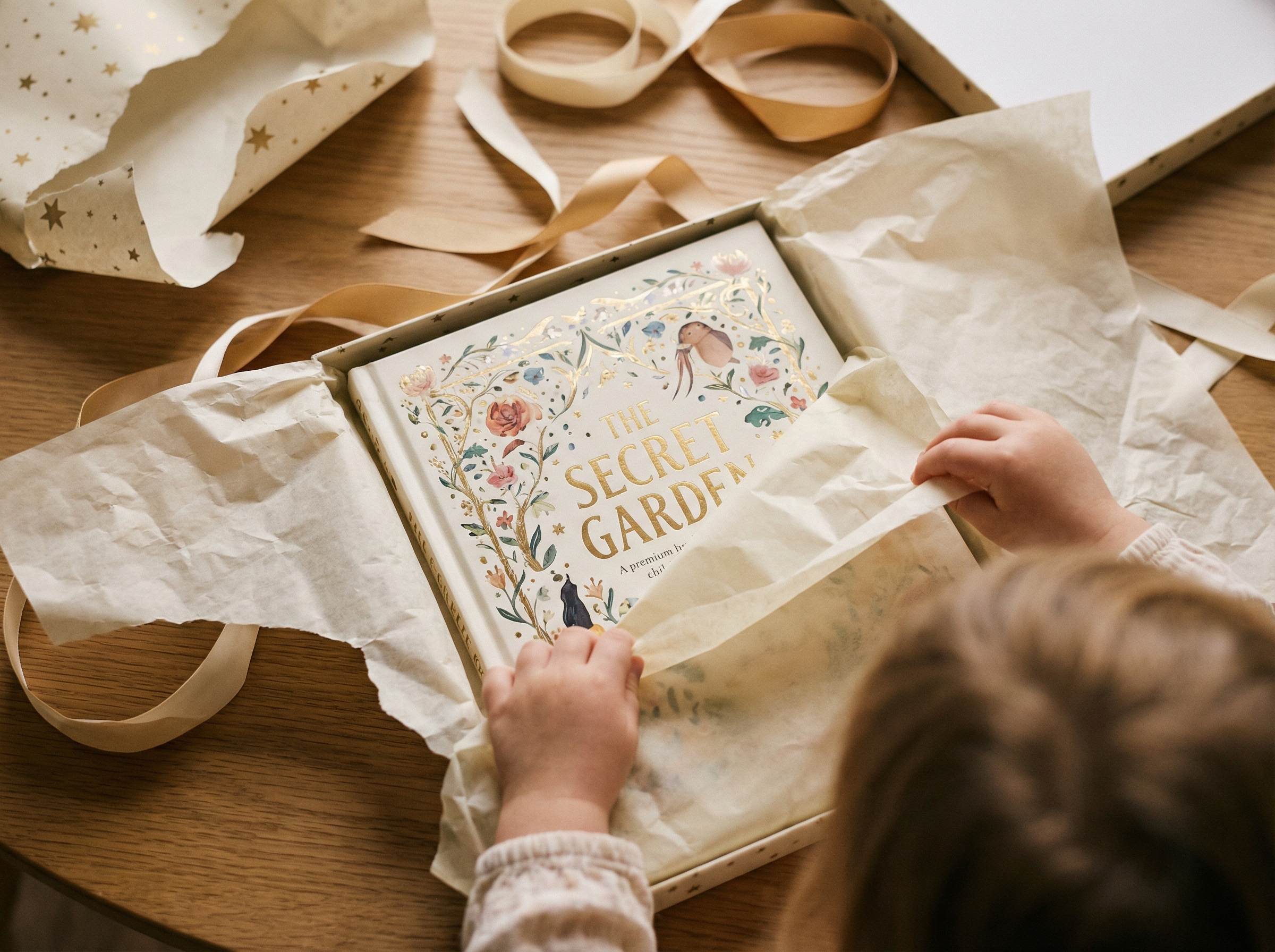
Also, consider the weight of the book as a whole. A book with premium paper feels "heavier" in a good way. It sits better in a child's lap. It doesn't flop around or fold over itself. This stability allows the child to focus entirely on the illustrations of themselves flying through space or talking to dragons. If you are looking for gift ideas for kids, a book that feels substantial and well-made always makes a bigger impression than something flimsy.
Finding the Best Paper Quality for Kids' Books in Personalized Stories
At StorytimeHero.ai, we understand that the physical book is just as important as the digital magic used to create it. We don't just want to create a cool image; we want to create a family heirloom. When we select materials, we are looking for that perfect balance of durability, color reproduction, and "touch-ability."
The AI illustrations we generate are rich in detail. To capture the likeness of your child accurately, we use printing processes that require high-grade paper. If the paper is too porous, the "hero" might look blurry. If it's too thin, the colors won't have the "wow" factor. We believe that every child deserves to see themselves in the best possible light—literally.
When you are browsing our pillar hub for your next adventure, remember that the paper is the canvas for your child's imagination. Whether they are exploring a jungle or saving a kingdom, the quality of that canvas determines how long the adventure lasts. Investing in a book with superior paper means you are protecting those memories from the wear and tear of daily life.
Practical Tips for Maintaining Your Child's Books
Even with the highest quality paper, kids can be tough on their library. Here are some simple ways to make sure your personalized books stay in "mint" condition:
- The "Clean Hands" Rule: Make it a ritual to wash hands before storytime. This prevents oils and food stains from getting onto the matte or glossy finish.
- Vertical Storage: Store books upright on a shelf rather than stacking them in huge piles. This prevents the spines from warping and the pages from compressing too much.
- Avoid Humidity: Don't keep your child's favorite books in a damp basement or near a bathroom. High humidity can cause even the best paper to "wave" or ripple.
- Use a Bookmark: Teach your child not to "dog-ear" the corners. Because high-quality paper is thicker, a dog-ear crease is often permanent and can eventually lead to the paper cracking.
- The "Book Hospital": If a tear does happen, use acid-free archival tape to fix it immediately. Standard clear tape will yellow and ruin the paper over time.
By choosing a book with the best paper quality for kids' books and following these tips, you ensure that your child’s journey as a Storytime Hero remains a beautiful part of their childhood for years to come.
Frequently Asked Questions
1. What is the best GSM for a children's picture book?
For a high-quality feel that resists tearing and prevents images from showing through the other side, look for a GSM between 140 and 170. This provides the perfect balance of thickness and flexibility for little hands.
2. Is matte or glossy paper better for seeing my child's face in the book?
While glossy paper makes colors very bright, matte or silk finishes are generally better for personalized books. They reduce glare, making it easier to see the details of the AI illustrations for children under any light, and they hide fingerprints much better.
3. Why does acid-free paper matter for kids' books?
Acid-free paper won't yellow or become brittle over time. Since personalized books are often kept as keepsakes, acid-free paper ensures the book stays in great condition for decades so you can show it to future generations.
4. Can high-quality paper survive a water spill?
While no paper is 100% waterproof, premium coated papers (like silk or gloss) have a slight resistance to liquids. If you wipe a spill away immediately, the coating often prevents the liquid from soaking into the fibers as quickly as it would on cheap, uncoated paper.
5. Is thicker paper always better for kids?
Not necessarily. If the paper is too thick (like heavy cardstock in a 40-page book), the book might not stay open easily, which can be frustrating for a child trying to look at the pictures. The goal is a sturdy weight that still allows for a comfortable "flip."
Related Reading
- The Magic of Personalized Storytelling for Toddlers
- How AI is Changing Children's Literature Forever
- Top 10 Bedtime Stories Where Your Child is the Star
- Why Representation in Books Matters for Early Development
- Creating Lasting Memories with Custom Photo Books
- The Science Behind Why Kids Love Seeing Their Own Faces in Books
- How to Choose the Right Adventure for Your Child's Personality
Free preview checklist
Get the personalized book gift checklist
Know what photo to use, what to write in the dedication, and what to review before ordering.