Back to Blog
Buyer Guides & ComparisonsMay 1, 2026

Hardcover vs Board Book vs Softcover: The Ultimate Format Guide for Parents

Quick answer

You’ve spent time picking out the perfect adventure, uploading the cutest photo of your child, and watching the magic of AI turn them into a brave knight o...

Search intent

Compare personalized storybook platforms by personalization depth

GSC signal: 789 impressions for comparison and review searches with 0 clicks.

The real comparison is not only brand versus brand. Buyers should compare name-only books, avatar books, photo-inspired books, preview flow, format, price, and gift fit.

best personalized storybook platformspersonalized children's books comparisonbest personalized books
  • Name-only books are simple but may not create a strong visual recognition moment.
  • Avatar books add visuals but can still feel generic if the child cannot see themselves.
  • Photo-inspired books can feel more personal, but they need careful QA and soft likeness expectations.
Featured image for Hardcover vs Board Book vs Softcover: The Ultimate Format Guide for Parents

You’ve spent time picking out the perfect adventure, uploading the cutest photo of your child, and watching the magic of AI turn them into a brave knight or a curious astronaut. Now comes the final decision before you hit "order" on your personalized children's books: which format should you choose? Deciding between hardcover vs board book vs softcover isn't just about price; it’s about how your child will interact with their story. Is this a book for a toddler who thinks paper is a snack? Is it a special keepsake for a fifth birthday? Or is it a lightweight companion for a long car ride? Choosing the right format ensures your child’s personalized adventure lasts as long as the memories you're making together.

The Great Debate: Hardcover vs Board Book vs Softcover

When you walk into a bookstore or browse online, you’re met with a sea of options. For parents, these choices usually boil down to three main categories. Each one serves a specific purpose in a child's developmental journey. Understanding the structural differences is the first step in building a library that grows with your family.

What is a Board Book?

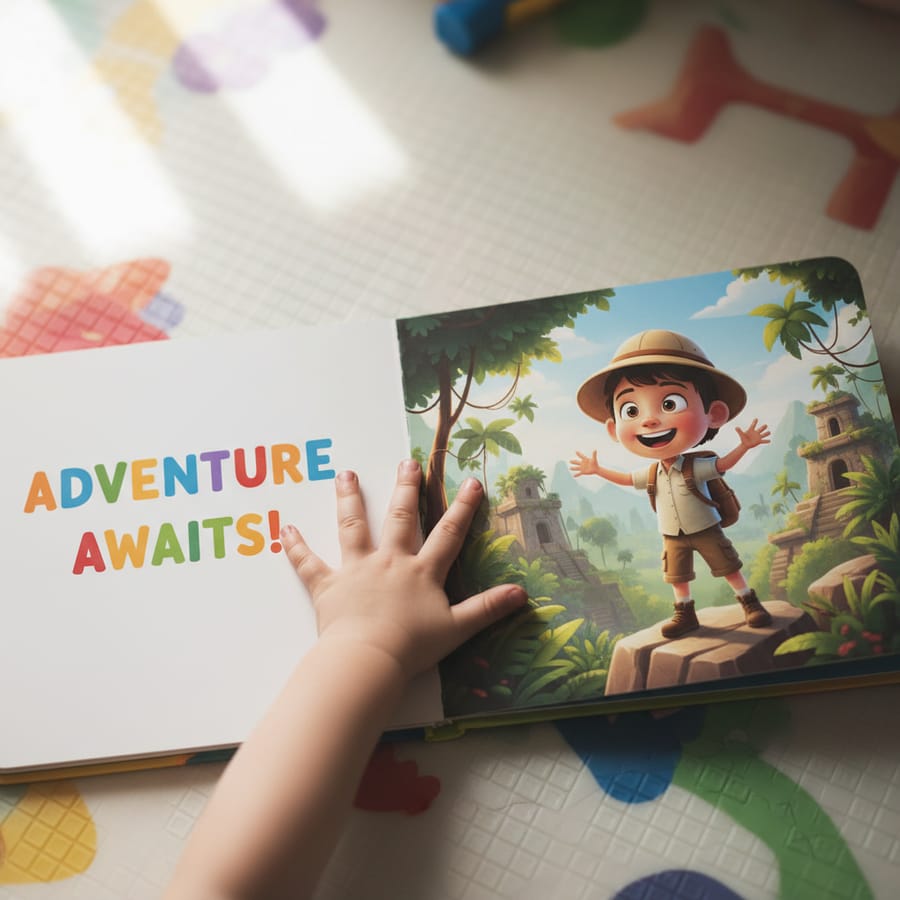
Board books are the "tanks" of the literary world. They are made from thick, durable paperboard that is often laminated to create a glossy, wipeable finish. Unlike other books, the entire page—not just the cover—is thick and rigid. These are designed specifically for the "grabby" phase of childhood.

What is a Hardcover?

A hardcover book (sometimes called a case-bound book) features a rigid protective cover made of thick cardboard, usually covered with cloth, heavy paper, or buckram. The pages inside are standard high-quality paper. These books are built for longevity and often feel more "premium," making them a top choice for customized storybooks for toddlers who are transitioning into more careful handling of their belongings.

What is a Softcover?

Also known as paperbacks, softcovers have a flexible cardstock cover. They are lightweight, easy to pack, and generally the most affordable option. While they aren't as durable as the other two, they offer a tactile experience that older children often prefer as they begin to feel like "grown-up" readers.

Board Books: The Best Choice for Tiny Hands and Tough Love

If your child is under the age of three, the board book is almost always the clear winner. At this stage, reading isn't just a visual or auditory experience—it’s a sensory one. Toddlers explore the world with their mouths, their sticky fingers, and their (sometimes accidental) strength.

Durability is King

The primary reason parents choose board books is durability. When a child sees their own face in a story thanks to AI-generated illustrations, they want to touch it. They want to point at themselves, pat the page, and maybe even give themselves a little kiss. Standard paper pages would tear under this kind of enthusiasm. Board books, however, can withstand being dropped, sat on, and even chewed on.

Developing Motor Skills

Board books are also a developmental tool. The thick pages are much easier for small, uncoordinated fingers to turn. This builds independence. When your child can successfully turn the page to see what happens next in their adventure, they gain confidence. It turns storytime from a passive activity into an interactive one.

Easy Cleanup

Let’s be real: snacks and storytime often go hand-in-hand. Whether it’s a stray juice drop or a smear of peanut butter, board books are remarkably easy to clean. A quick wipe with a damp cloth usually does the trick without warping the pages. This makes them the perfect "everyday" book for the high-traffic areas of your home, like the playroom or the kitchen table.

Hardcover vs Softcover: Which One is Right for Your Home Library?

As children get older, the choice between hardcover vs board book vs softcover usually shifts toward the latter two. Once the "tearing phase" is over, you have more flexibility. But how do you decide between the sturdy hardcover and the flexible softcover?

The Hardcover Experience

There is something undeniably special about a hardcover book. It has weight and presence. If you are looking for a "forever" book, this is it.

  • Archival Quality: Hardcover books are designed to sit on a shelf for decades. They don't flop over, and the spine is less likely to crack over time.
  • The "Gift" Factor: If you are buying a personalized book for a birthday or a holiday, the hardcover feels like a more substantial gift. It says, "This is a treasure."
  • Protection: The rigid cover protects the pages inside from getting dog-eared or bent. If your child likes to look at their book in bed, the hardcover provides a built-in "desk" feel that makes it easier to hold open.

The Softcover Advantage

Don't dismiss the softcover too quickly. It has several practical benefits that fit perfectly into a busy parent's life.

  • Portability: If you’re heading to the doctor’s office or taking a flight, softcovers are a lifesaver. You can slide three or four of them into a diaper bag or backpack without adding significant weight.
  • Storage: Softcovers take up less room on the shelf. If you have a child who loves to have twenty different adventures, softcovers allow you to build a massive library without needing to buy a new bookshelf every month.
  • Price Point: Because they are cheaper to produce, softcovers are a great way to "test" new stories. If your child is obsessed with dinosaurs this month but might move on to space travel next month, softcovers allow you to satisfy their changing interests without a huge investment.

The Visual Impact: How Formats Affect AI-Generated Illustrations

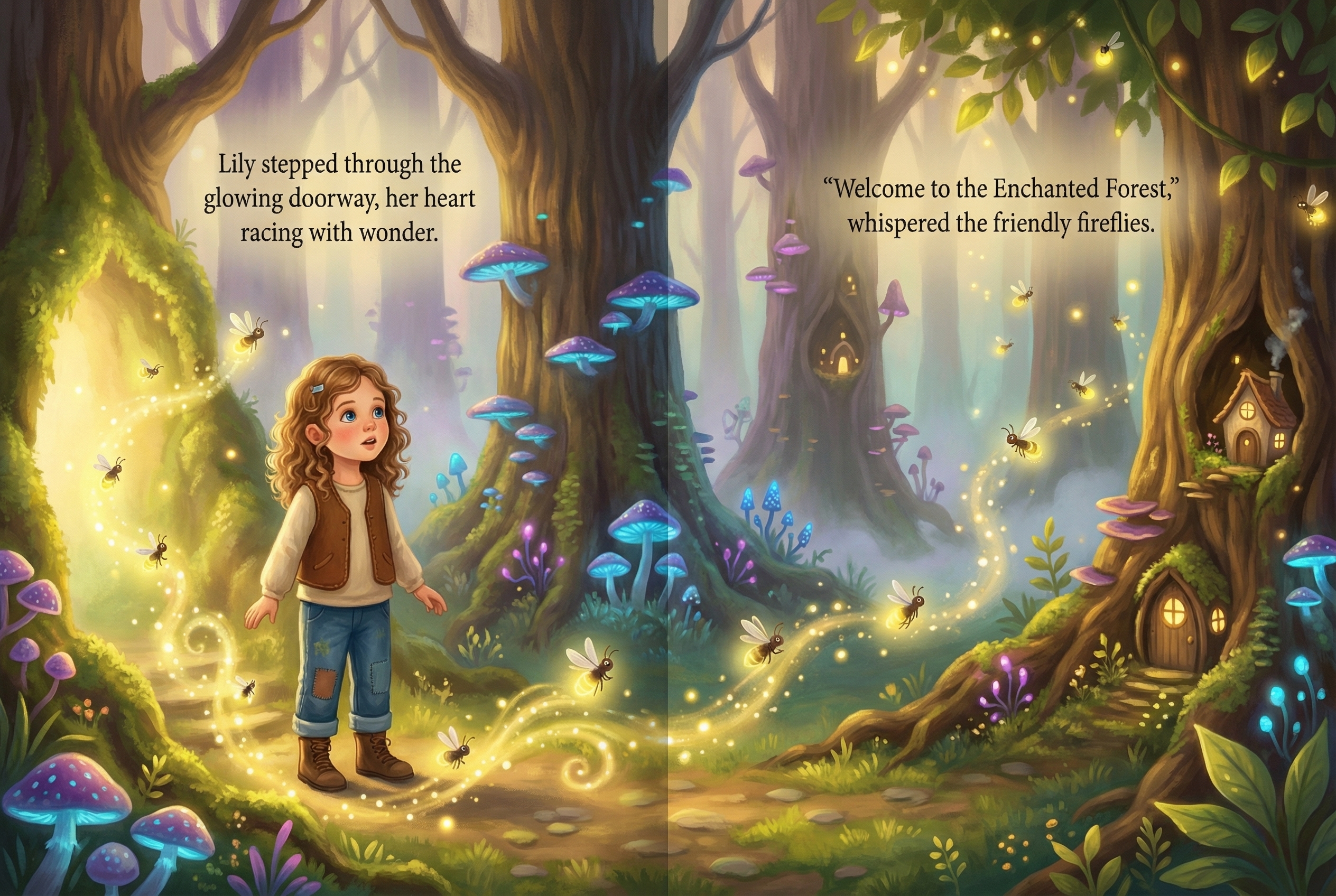
At StorytimeHero.ai, we take great pride in how our AI integrates your child's face into the artwork. However, the format you choose can actually change how those illustrations look and feel. When weighing hardcover vs board book vs softcover, consider the "canvas" of the page.

Color Vibrancy on Different Paper

Board books and hardcovers often use a slightly different coating on their paper compared to softcovers.

  • Board Books: Often have a high-gloss finish. This makes colors pop and gives the AI-generated faces a bright, cinematic look.
  • Hardcovers: Usually feature a "matte" or "satin" finish on high-quality, heavy-weight paper. This gives the illustrations a classic, artistic feel. It’s excellent for stories with a lot of detail, as the lack of glare makes it easier to see small elements in the background.
  • Softcovers: Use a standard paper weight. While the colors are still beautiful, the paper is thinner, which means light can sometimes pass through it. This doesn't change the quality of the AI face, but it does mean the book feels more like a traditional magazine or workbook.

Lay-Flat Capability

One thing parents often overlook is how the book stays open.

  • Board books naturally lay flat, which is great for showing off those wide-angle landscape shots where your child is soaring over a kingdom.
  • Hardcovers have a "hinge" that allows them to stay open relatively well, though new books might need a little "breaking in."
  • Softcovers tend to spring shut. This means your child will need to hold the book with two hands to keep their place, which is a great way to practice fine motor control but might be frustrating for very young readers who want to look at the pictures hands-free.

Age-By-Age Guide: Matching the Format to the Milestone

To help you decide on the best hardcover vs board book vs softcover option, let's look at the typical stages of a child's reading life.

Newborn to 2 Years Old: The Board Book Era

At this age, the book is a toy. It will be dropped, thrown, and tasted. Choose a board book to ensure the story survives the "exploratory" phase. This is also the age where bedtime story benefits begin to take root, so having a book that can live in the crib safely is a huge plus.

3 to 5 Years Old: The Hardcover Transition

This is the "sweet spot" for personalized books. Your child is old enough to recognize themselves and understand the plot, but they still need a book that feels substantial. A hardcover is perfect here. It marks the transition from "baby books" to "big kid books." It’s also the perfect age for personalized gift ideas that celebrate their growing personality.

6 to 9 Years Old: The Softcover and Hardcover Mix

By now, your child is likely starting to read on their own. They might prefer softcovers because they look like the "chapter books" the older kids are reading. However, for those truly special "Hero" stories where they save the world, a hardcover remains the best way to honor the "keepsake" nature of the gift.

Practical Tips for Building a Lasting Library

Regardless of which format you choose, you want your child's personalized adventure to last. Here are a few tips from our team of parents and book lovers:

  1. Rotate Your Collection: Don't keep every book out at once. If you have a mix of formats, keep the board books on the lower shelves where toddlers can reach them, and put the special hardcovers on a higher shelf for supervised "special" storytime.
  2. Teach Book Care Early: Even with a board book, you can start teaching your child how to "pet" the pages gently. This prepares them for the move to softcovers and hardcovers later on.
  3. Consider the Environment: If you live in a humid climate, hardcovers and board books are less likely to "curl" than softcovers. If you travel a lot, keep a dedicated stash of softcovers in the car.
  4. The "Two-Book" Strategy: Many parents buy a softcover for everyday use and a hardcover of the same story to put away in a memory box. This ensures that even if the "daily reader" gets worn out, the memory is preserved forever.

Why Format Matters for Your Child’s Self-Esteem

It might sound like a stretch, but the format of a book can influence how a child perceives the story. When a child sees a "big, heavy" book with their face on the cover, it sends a subconscious message: This is important. You are important.

Personalized books are more than just entertainment; they are mirrors. They help children see themselves as capable, brave, and central to the narrative. A sturdy hardcover or a thick board book reinforces that importance through its physical presence. It’s a tangible reminder that they are the hero of their own life.

Creating a Ritual

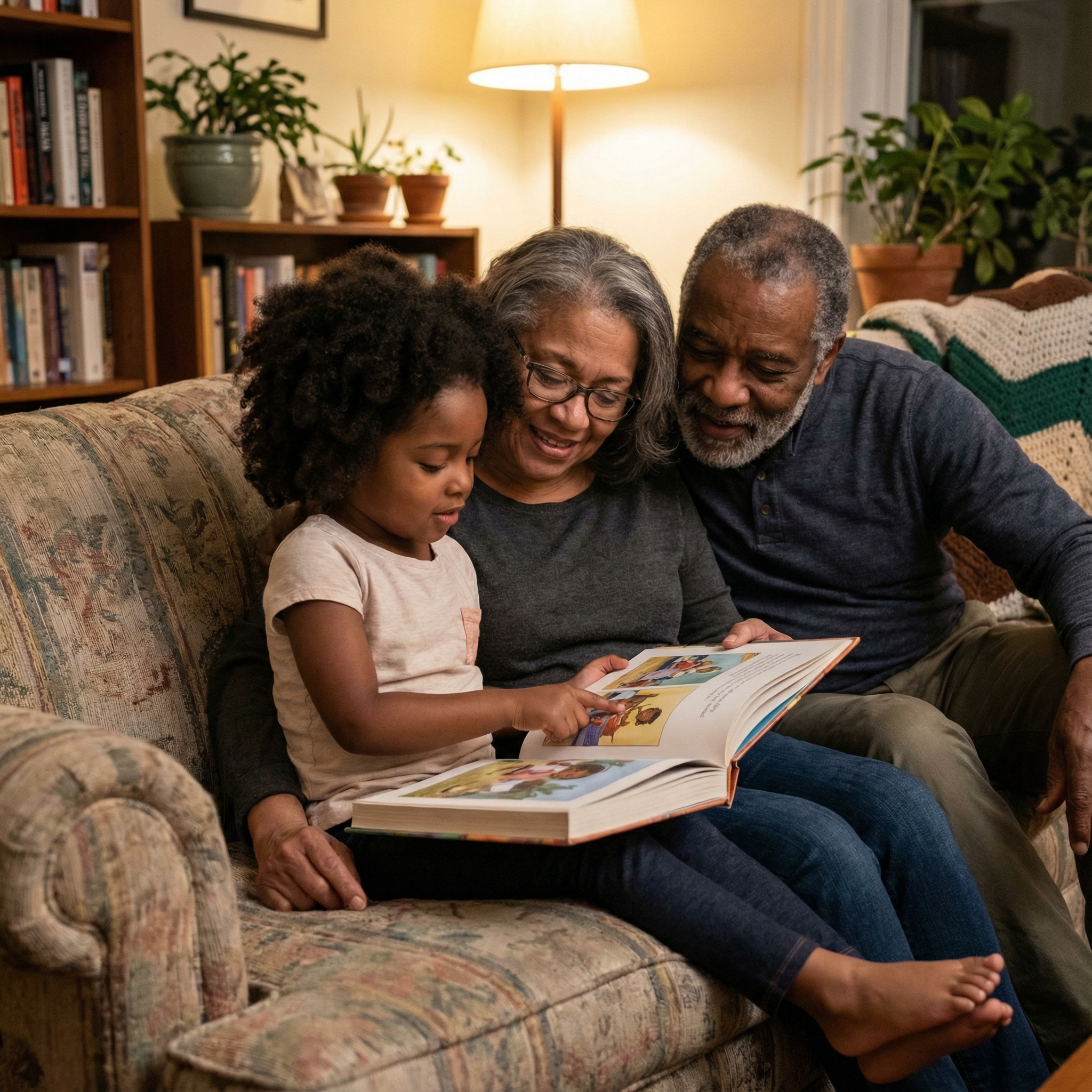
The format also dictates the ritual. A softcover is a "let's read this on the rug" book. A board book is a "let's read this while you eat your morning banana" book. A hardcover is a "let's snuggle under the covers and turn the lamp on" book. By choosing the right format, you are essentially choosing the "vibe" of your family's bonding time.

Frequently Asked Questions

1. Is a board book the same as a hardcover?

No. While both have stiff covers, a board book has thick, rigid pages throughout the entire book. A hardcover has a stiff outer shell but contains regular, flexible paper pages inside.

2. Which format is best for AI-generated photos?

All formats at StorytimeHero.ai use high-quality printing, but board books and hardcovers typically offer a more "premium" feel that makes the AI faces look particularly sharp and vibrant.

3. Can I upgrade a softcover to a hardcover later?

Because each book is custom-printed, you would need to place a new order for a different format. Many parents start with a softcover and order a hardcover "keepsake" version once they see how much their child loves the story.

4. Are softcover books durable enough for a 4-year-old?

Generally, yes. By age four, most children have the fine motor skills to turn paper pages without tearing them. However, if your 4-year-old is particularly "energetic" with their toys, a hardcover might provide better peace of mind.

5. Why are board books more expensive than softcovers?

Board books require a specialized manufacturing process where multiple layers of paperboard are glued together. They also use more material than a standard paperback, which accounts for the price difference.

  • How Personalized Books Boost Early Literacy
  • The Science Behind Seeing Your Face in a Story
  • How to Choose the Perfect Adventure for Your Child
  • Creating Bedtime Routines That Actually Work
  • The Evolution of AI in Children's Literature
  • Top 10 Gift Ideas for Toddlers Who Have Everything
  • Why Representation Matters in Kids' Books

Related Articles